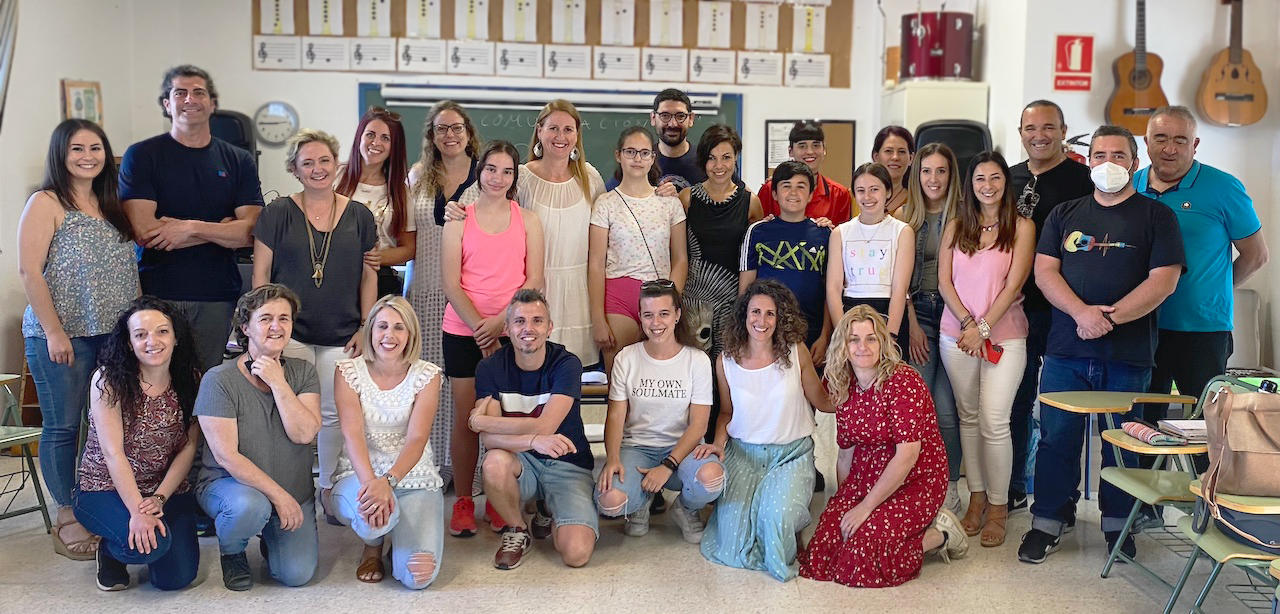
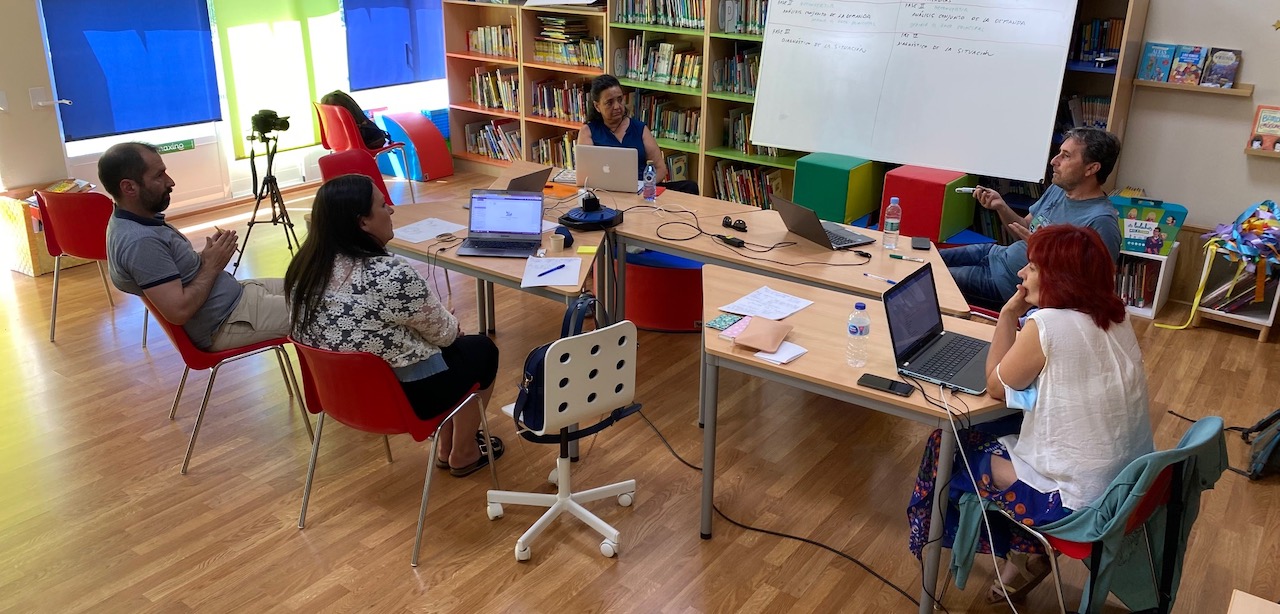
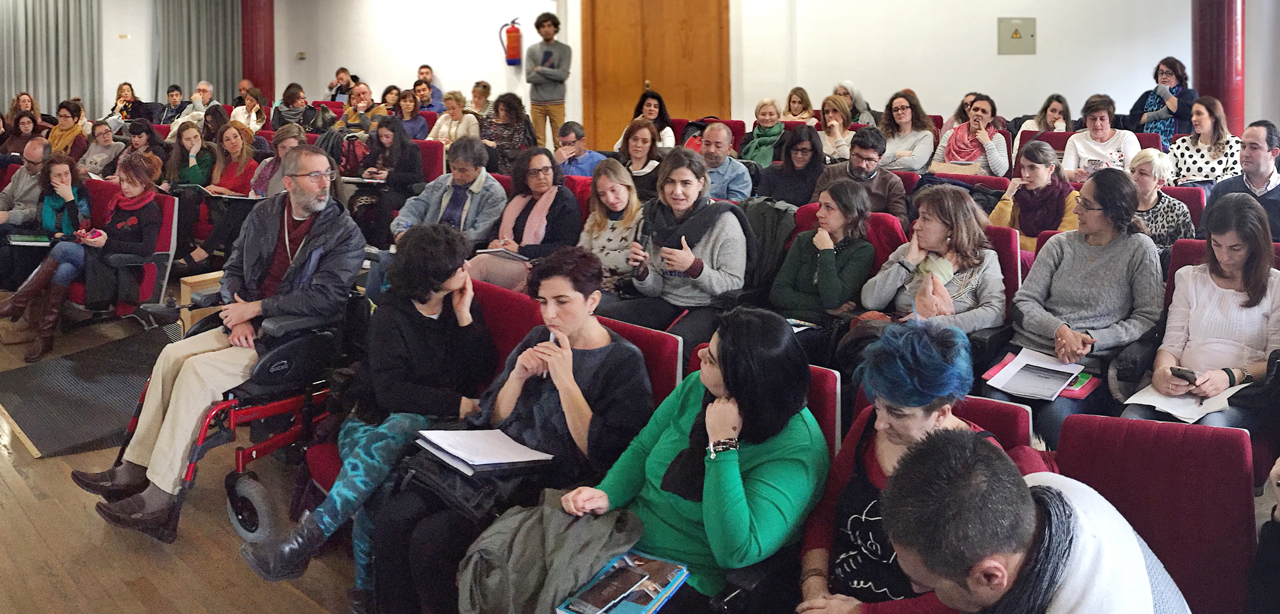

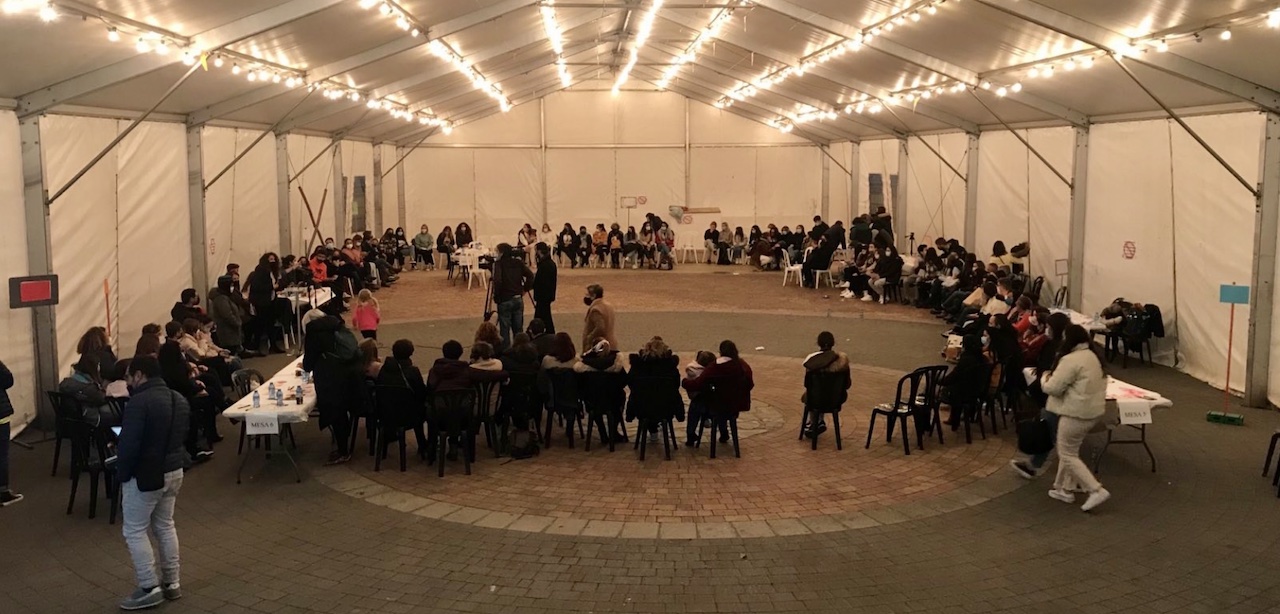
We are
A citizens' movement for inclusive education
We want
An education system based on inclusion and equity
We know
Decades of research support inclusive education
We defend
We are legally obligated to adapt the system to inclusion
We create
We get to work to develop inclusive education
We decide
An inclusive agenda requires organization and citizen participation
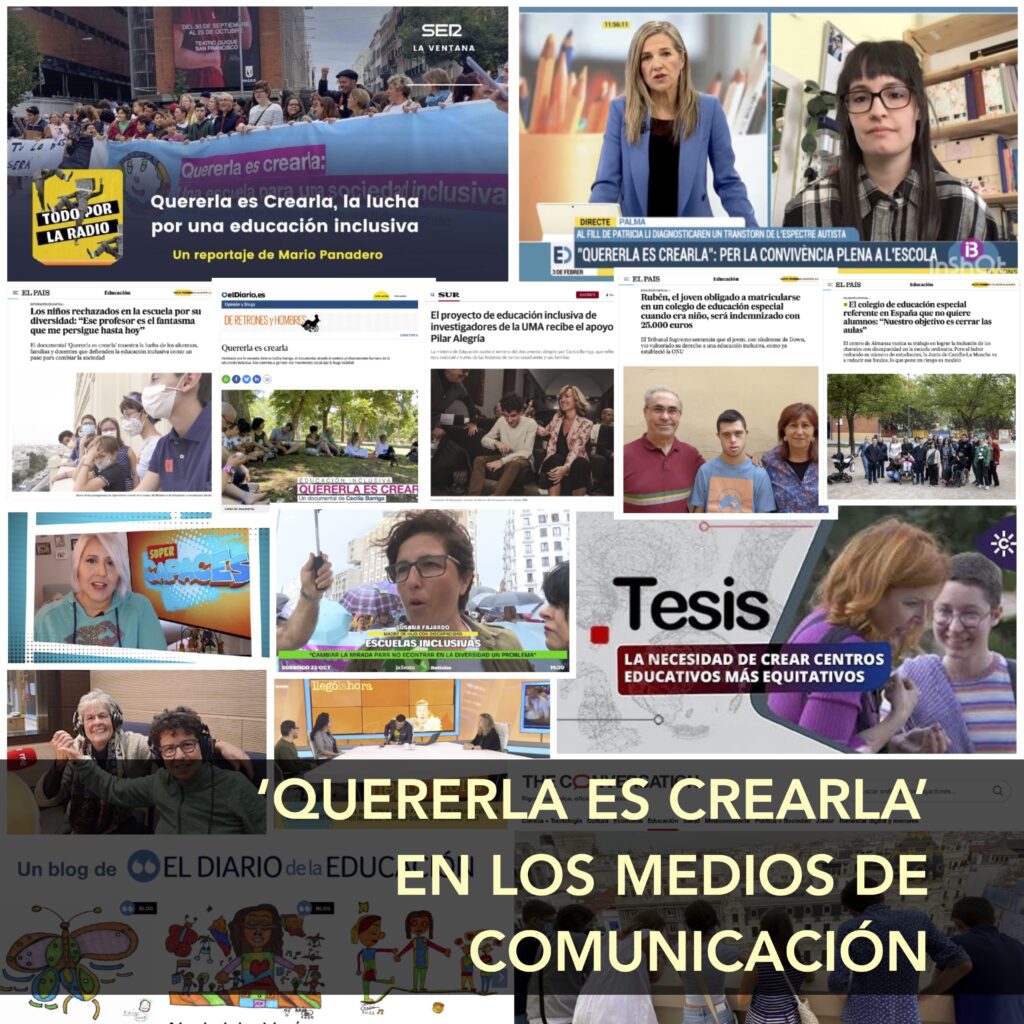
We are in the media

A blog for a collective in motion
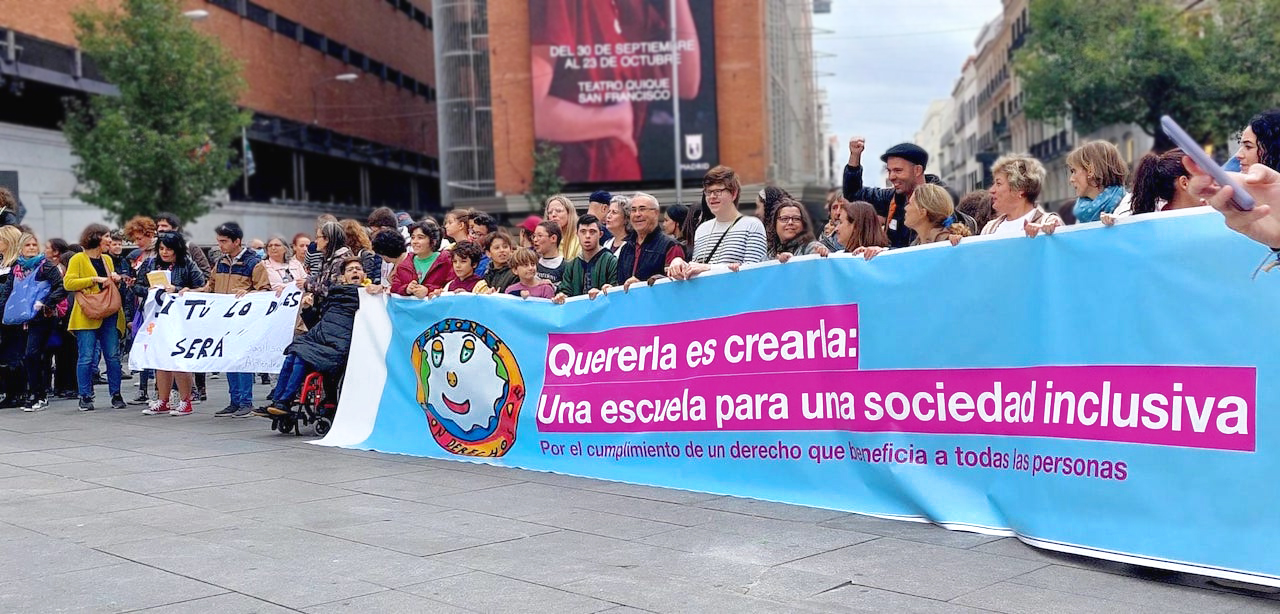
Quererla es crearla
A school for an inclusive society
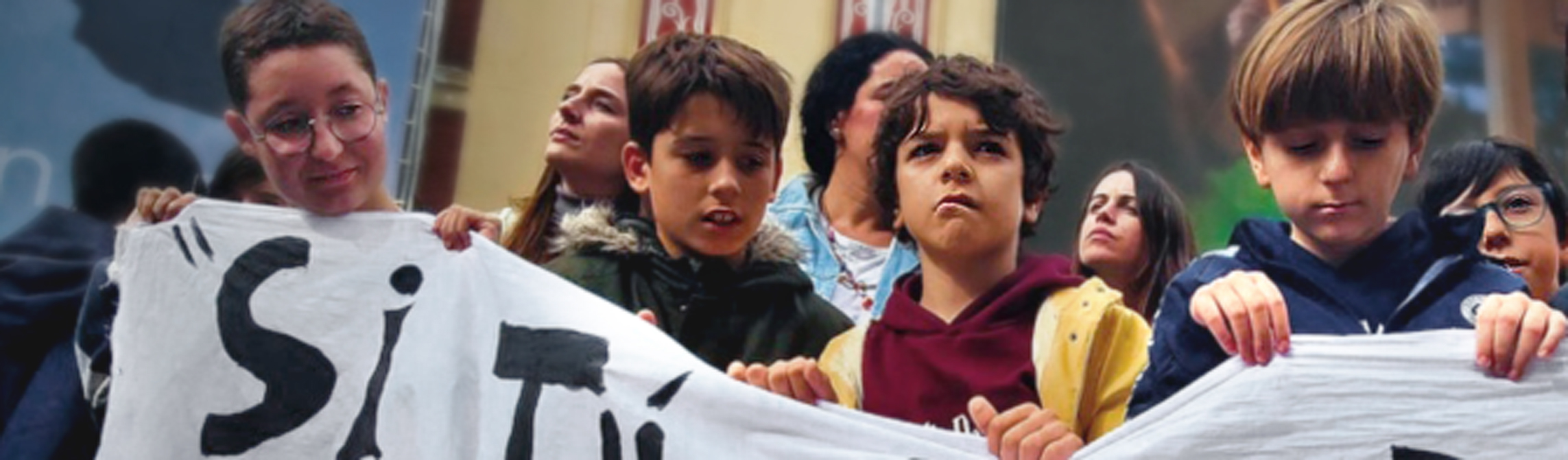

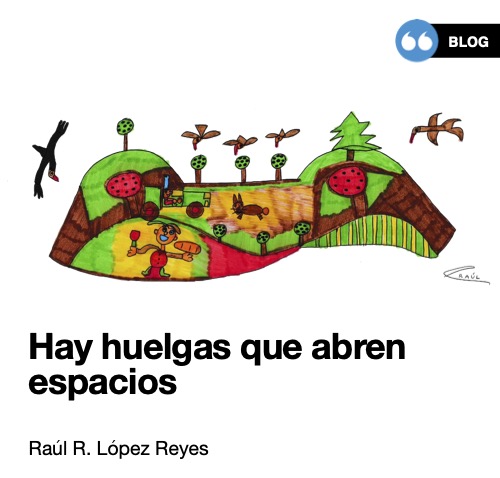
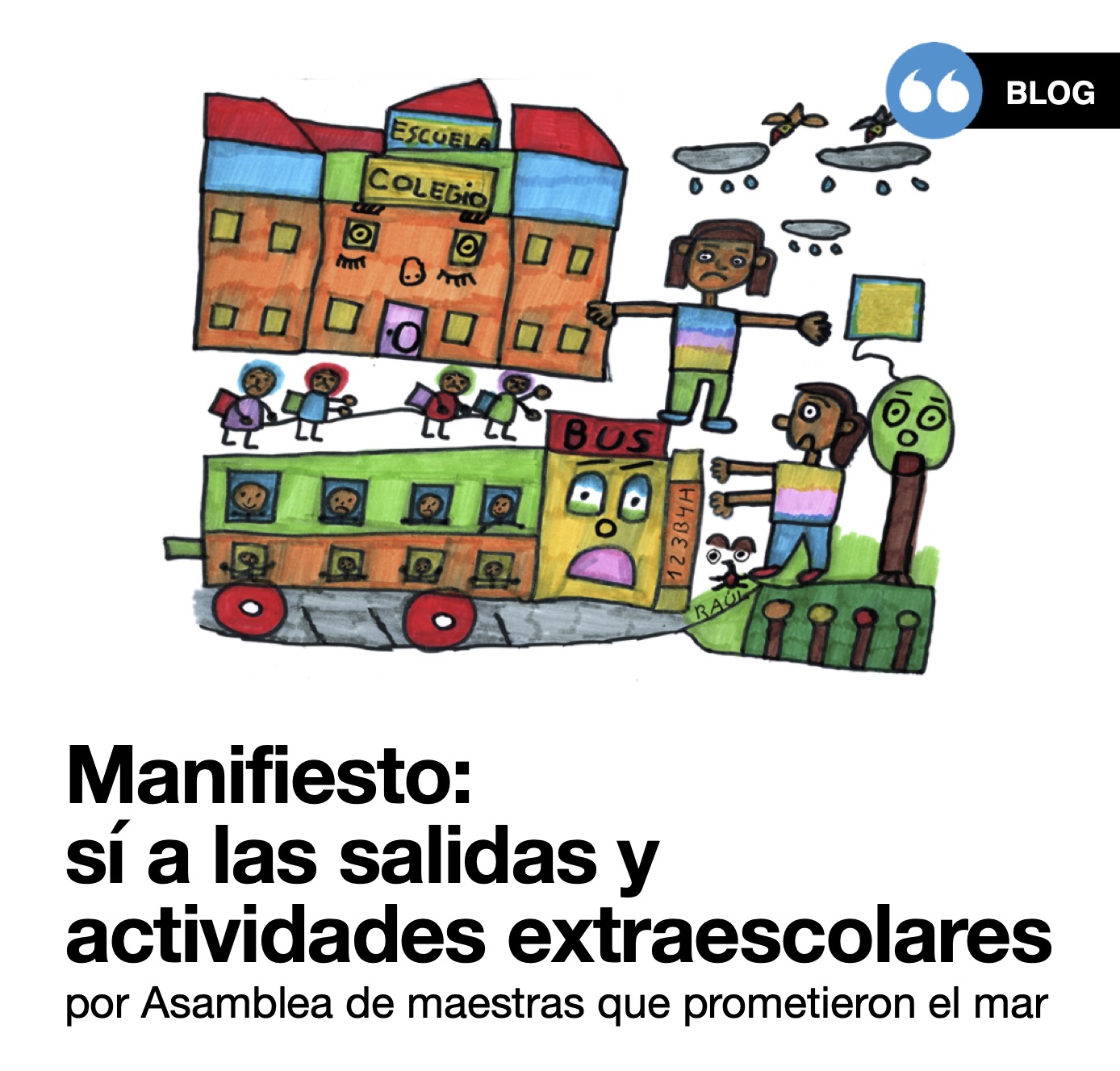
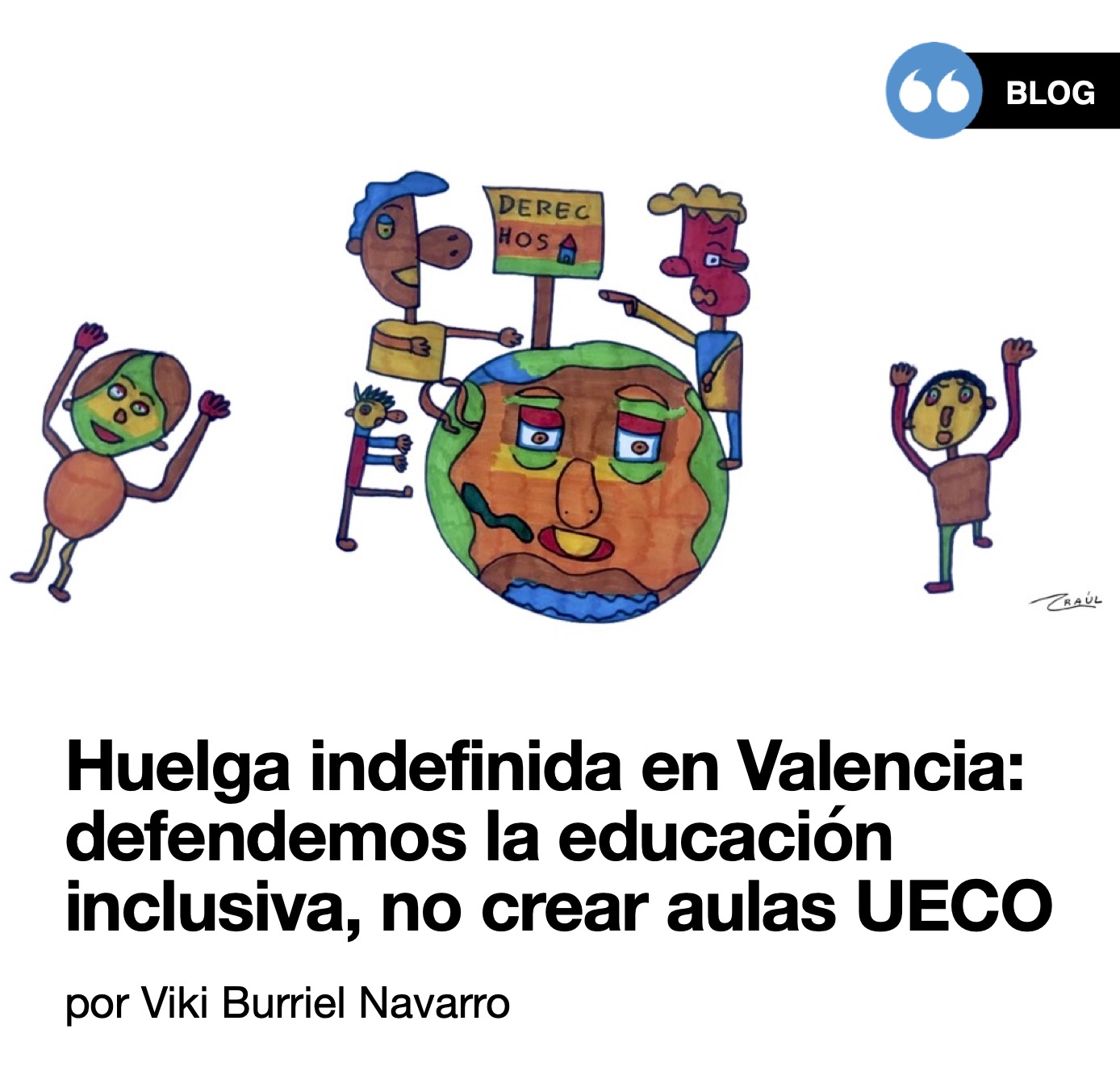
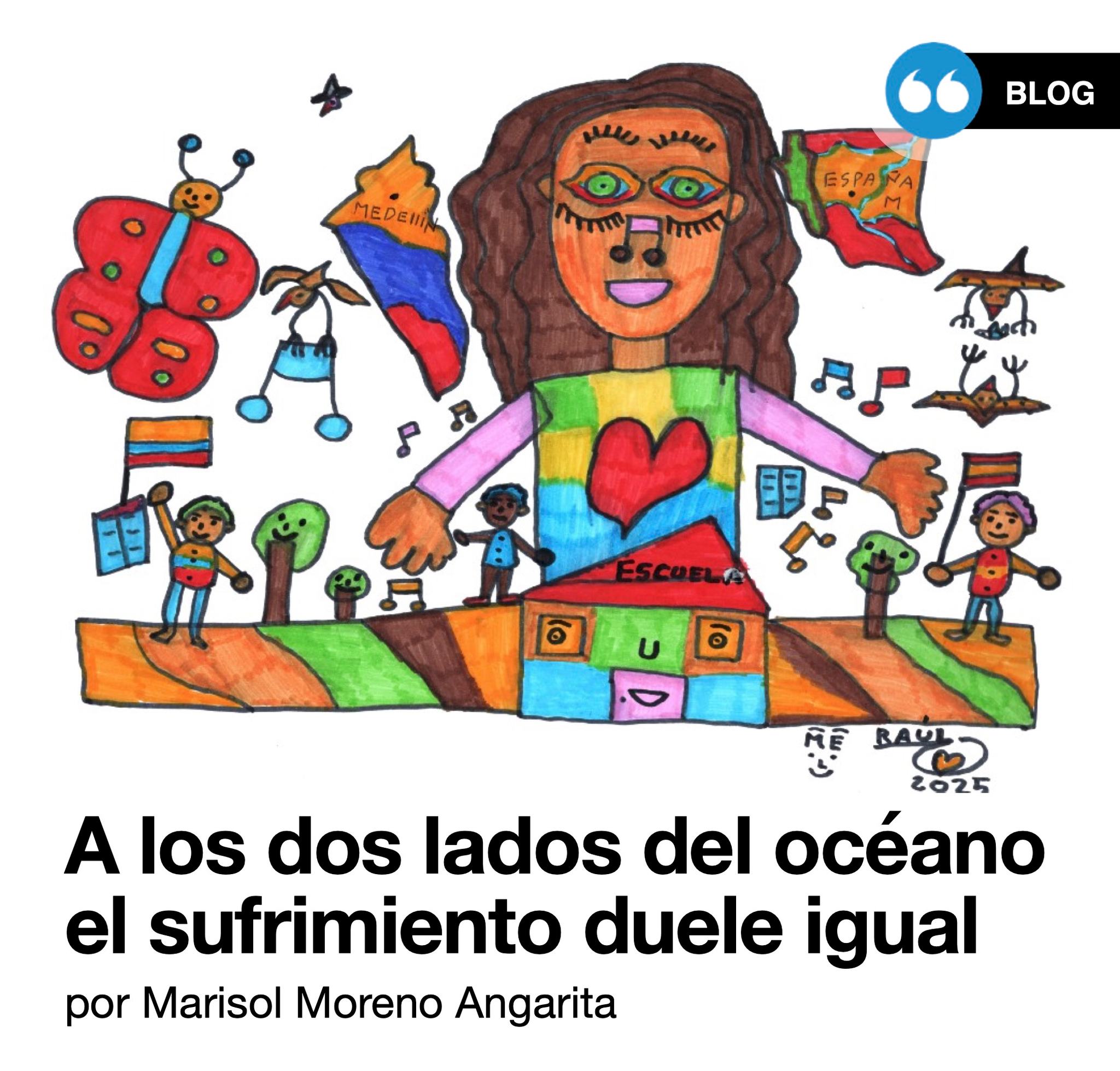
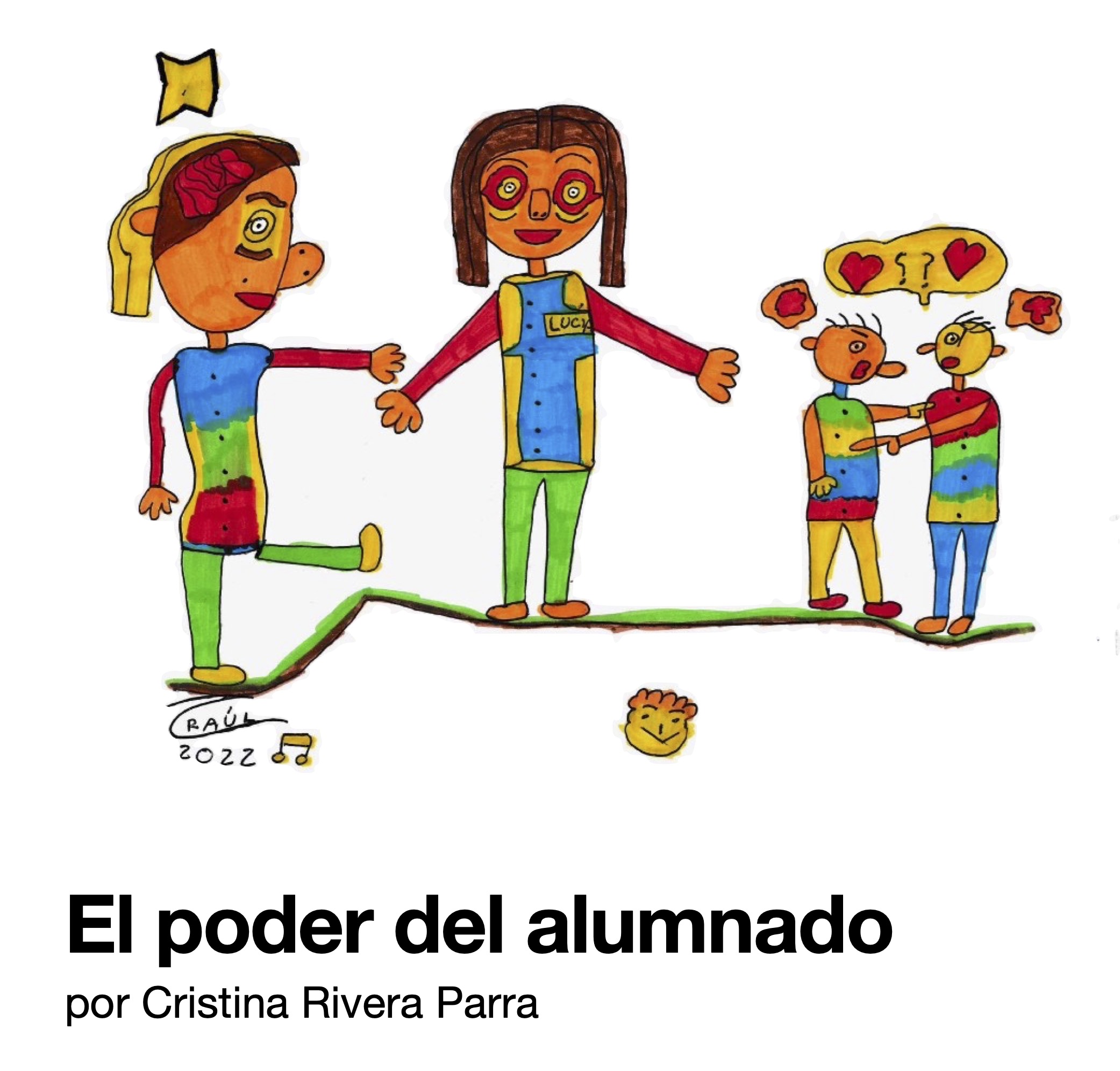
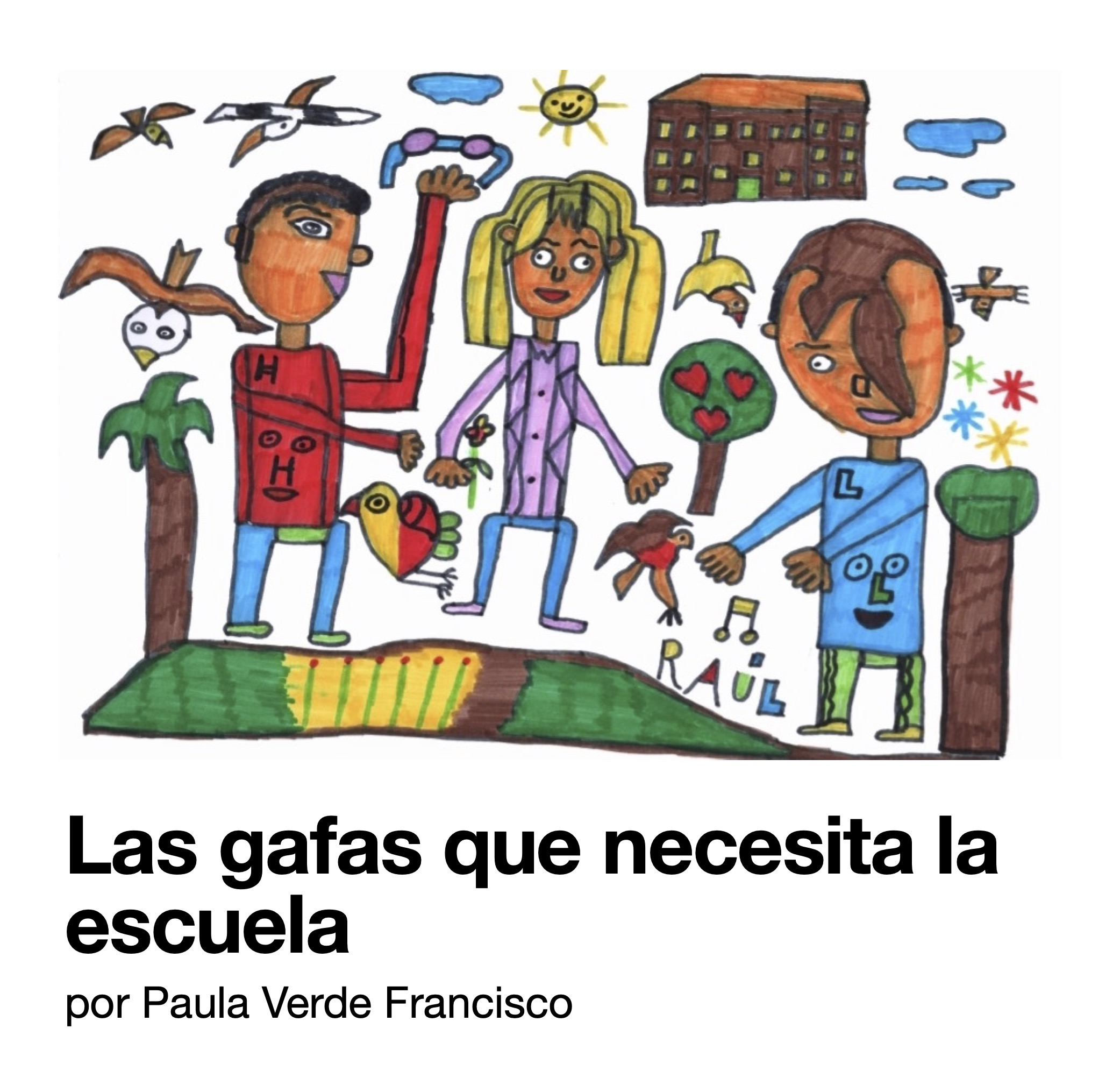
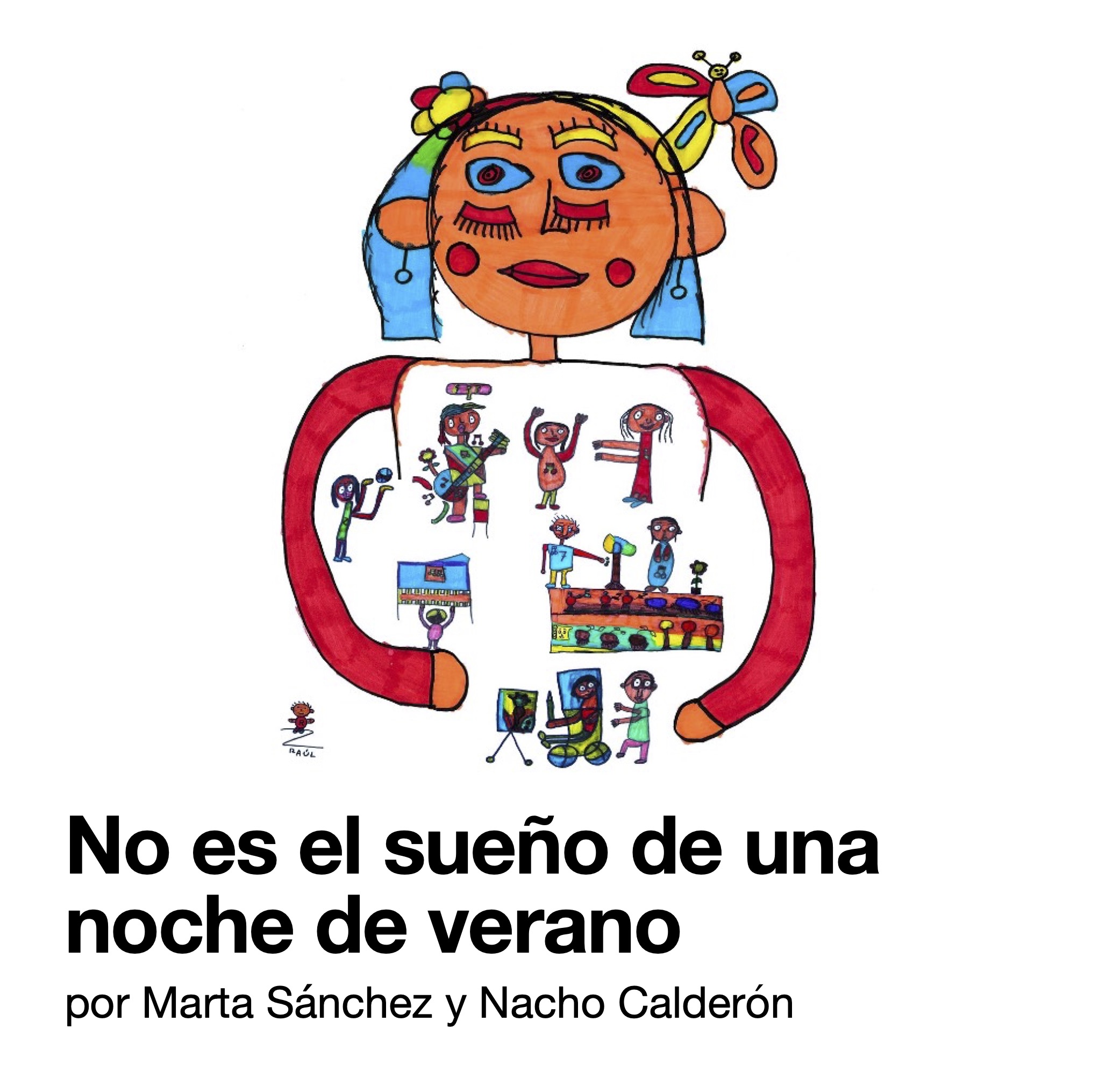
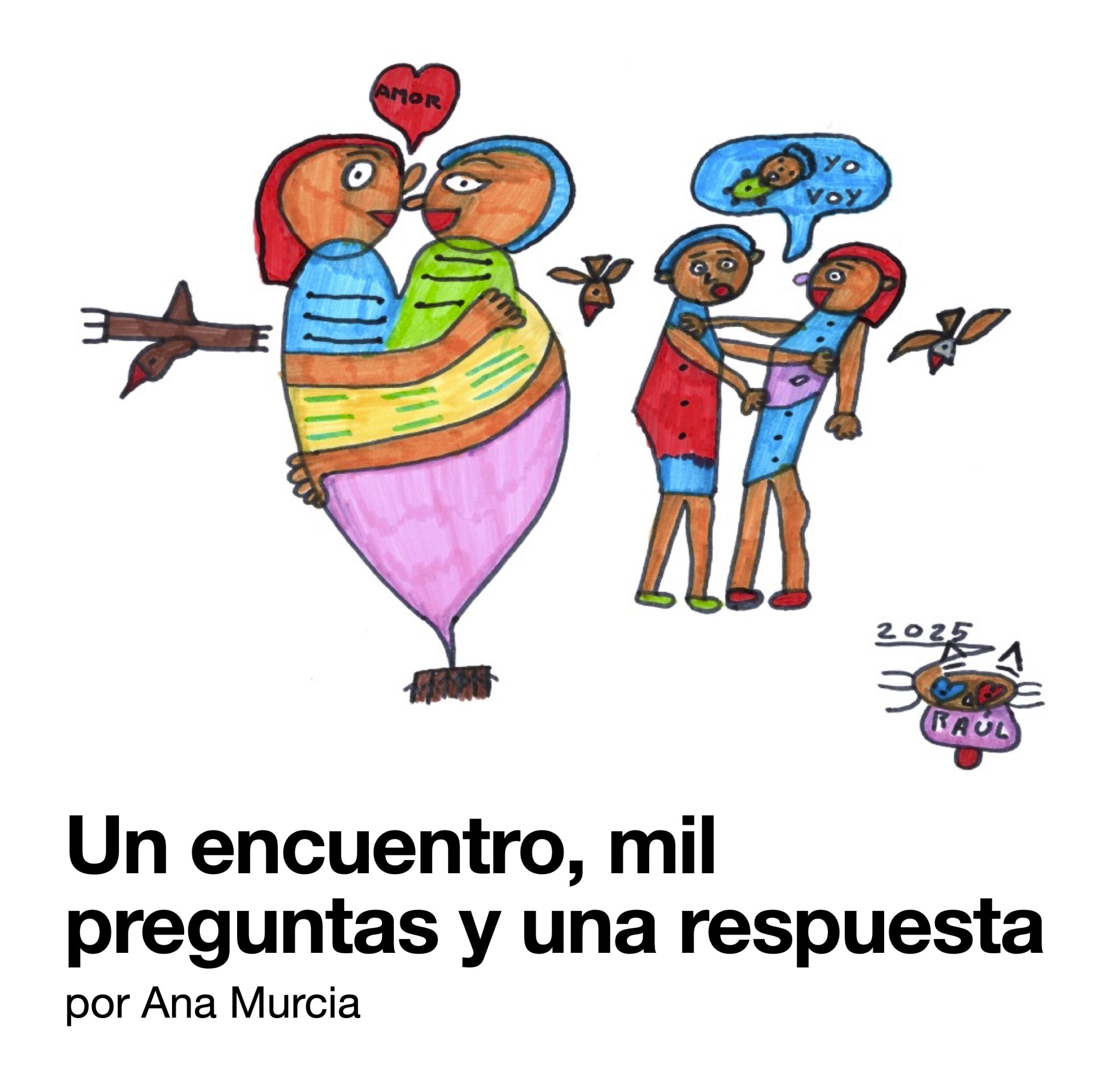
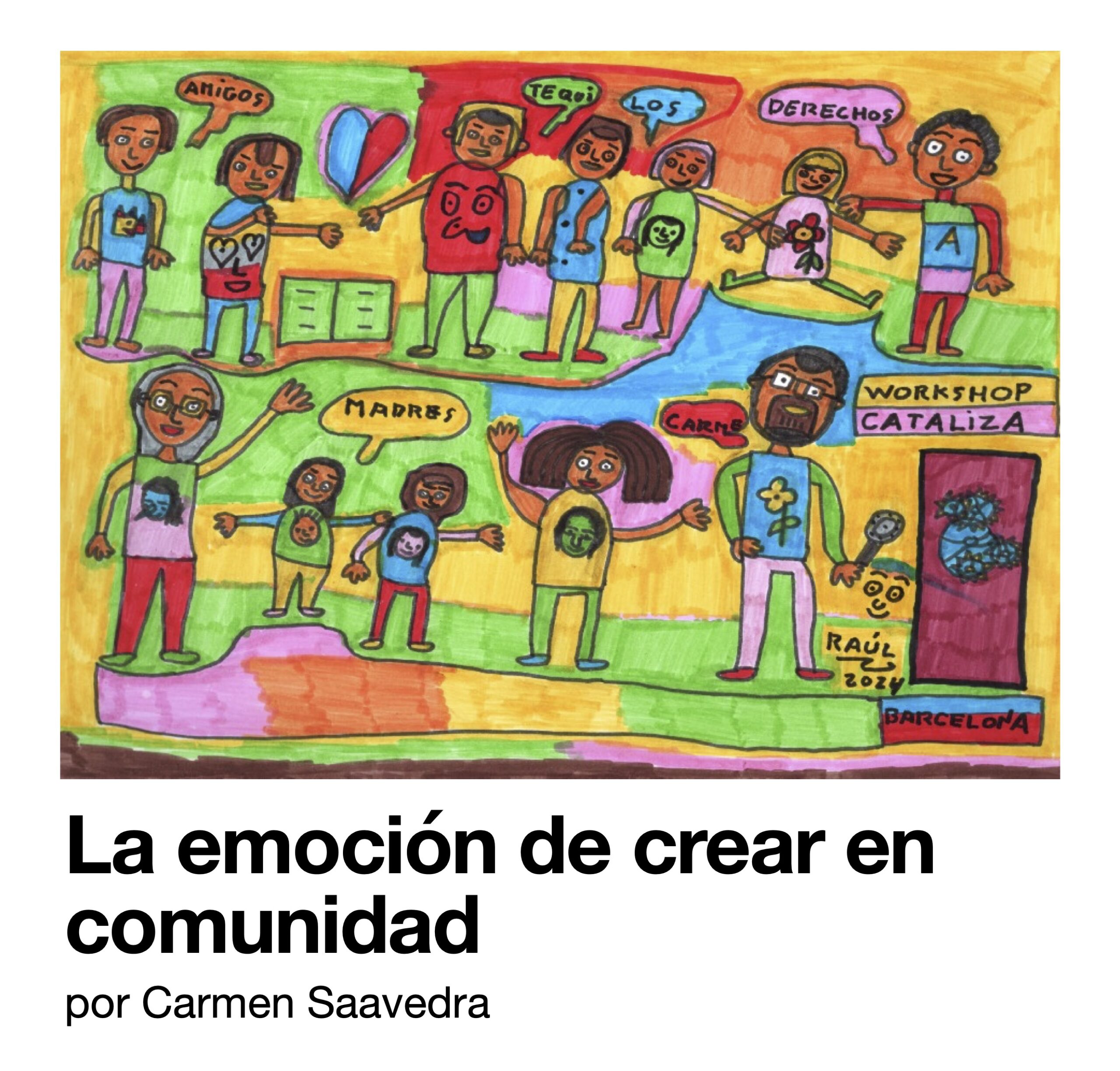
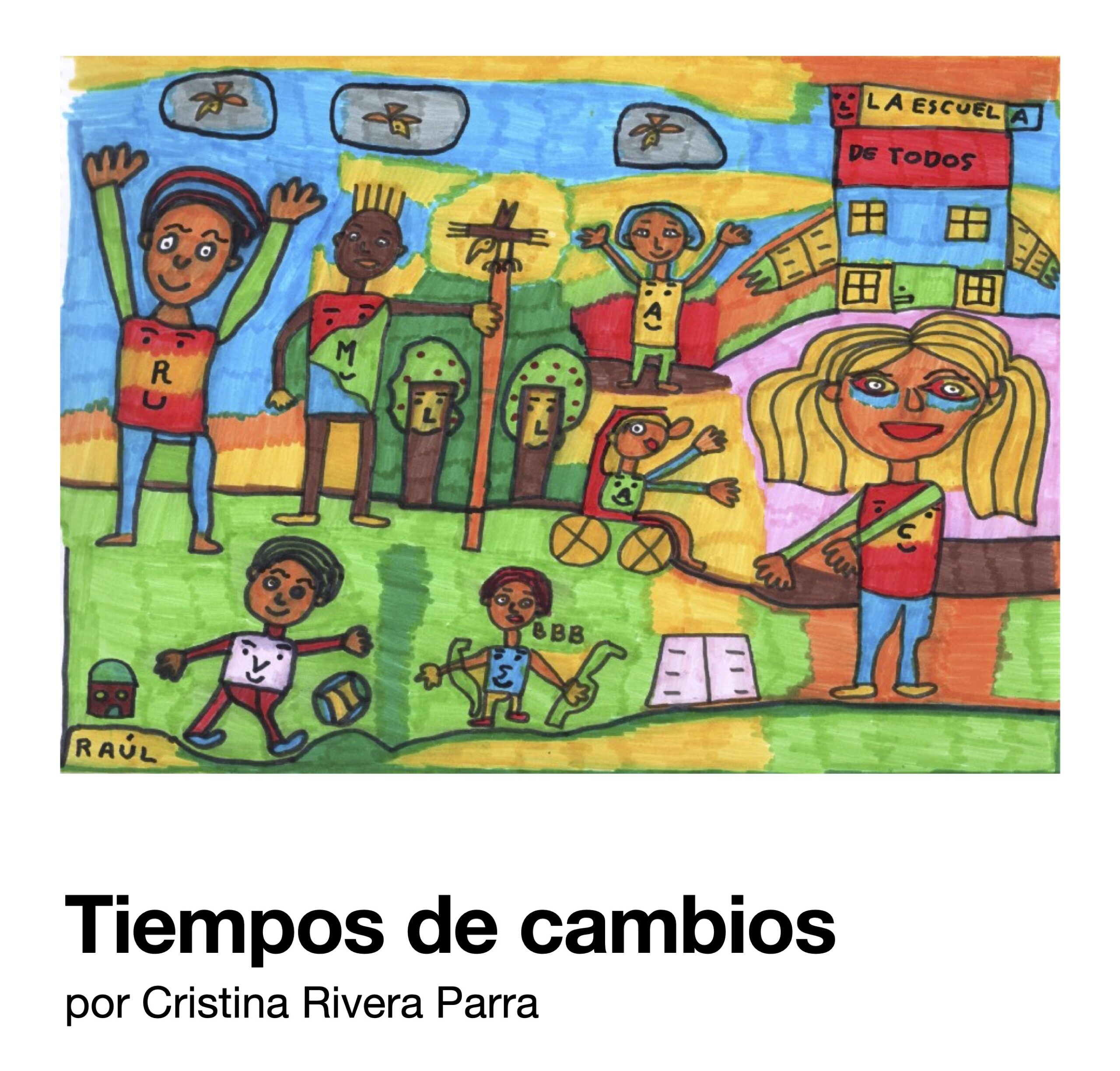
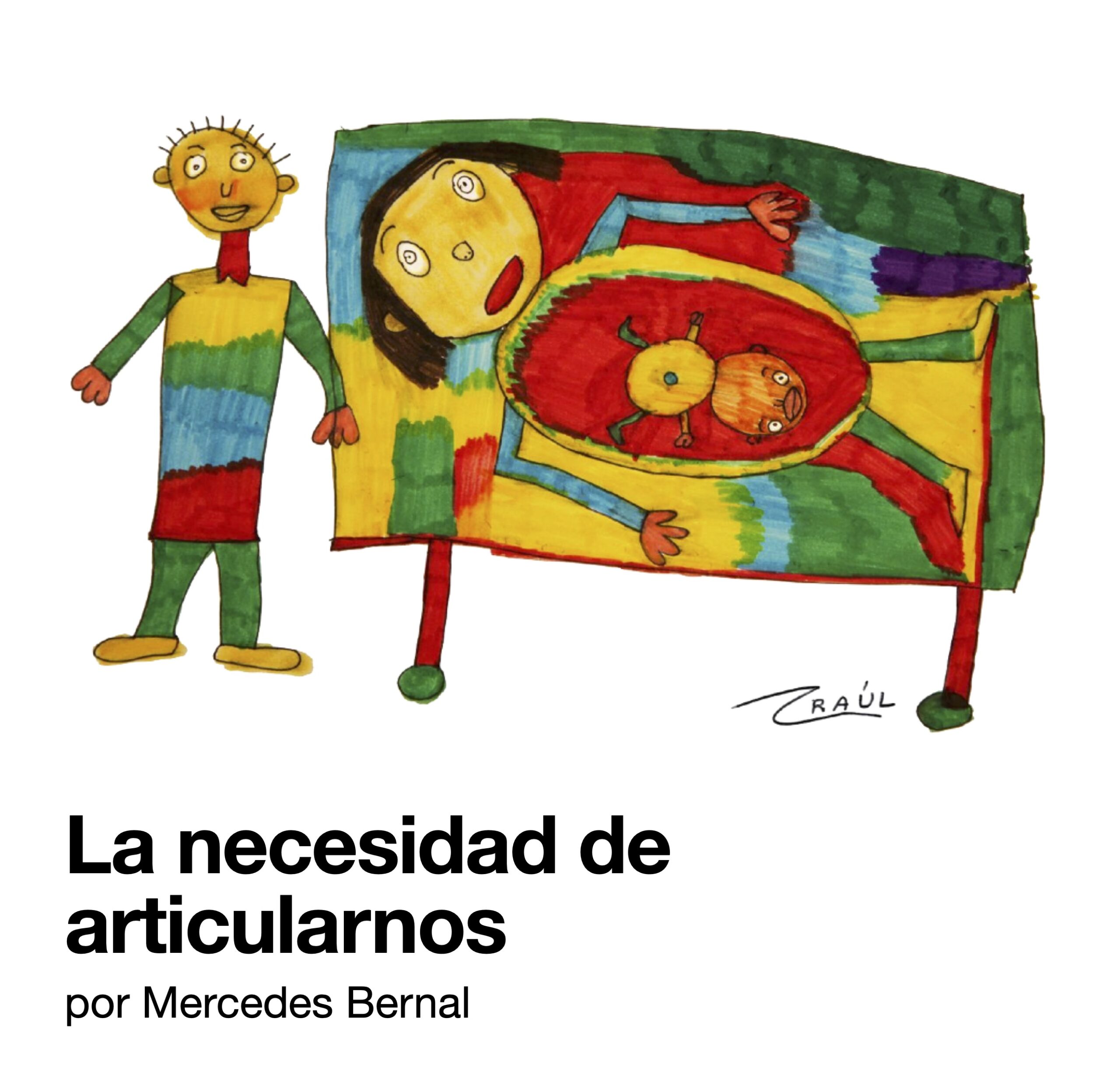
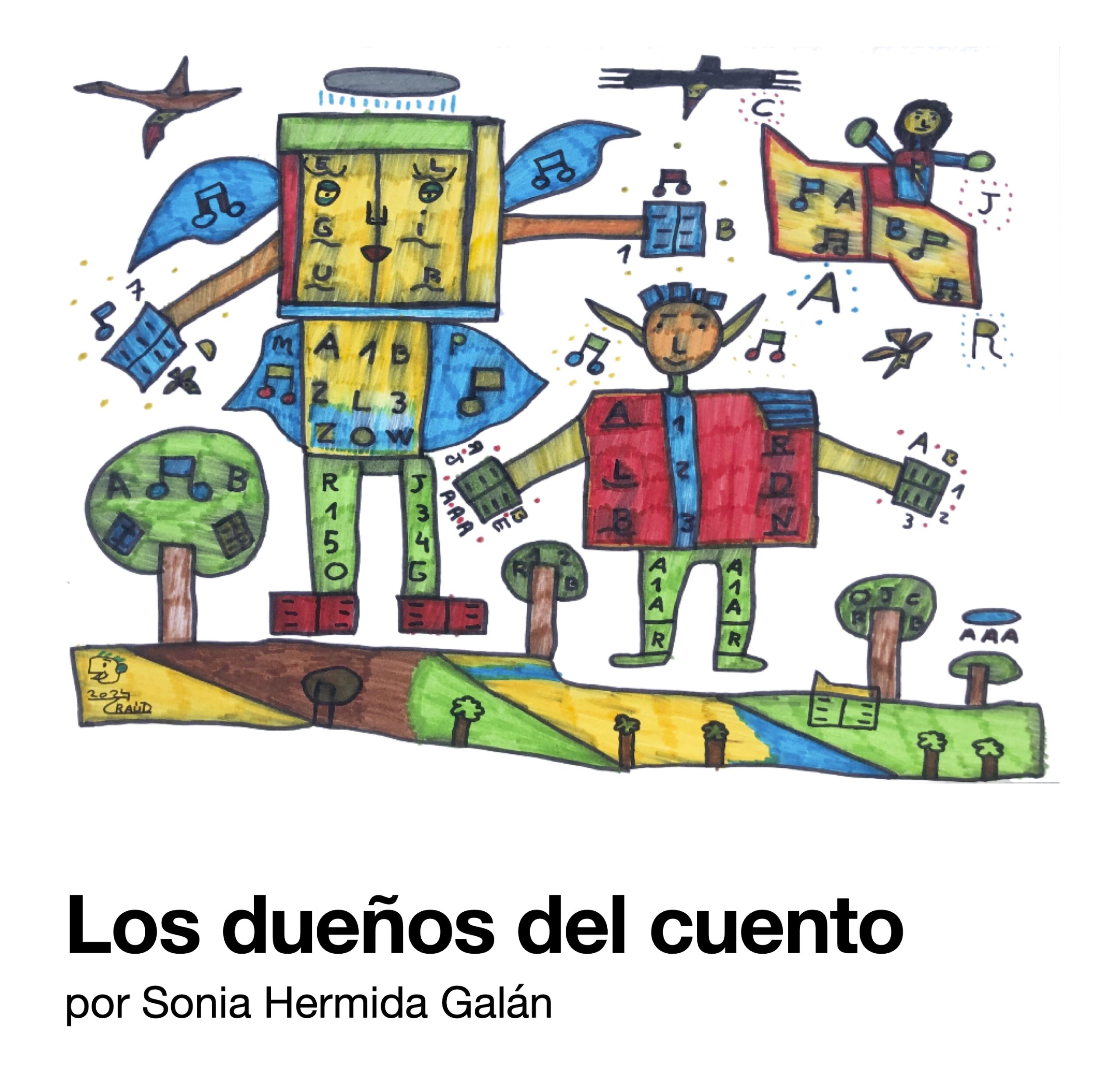
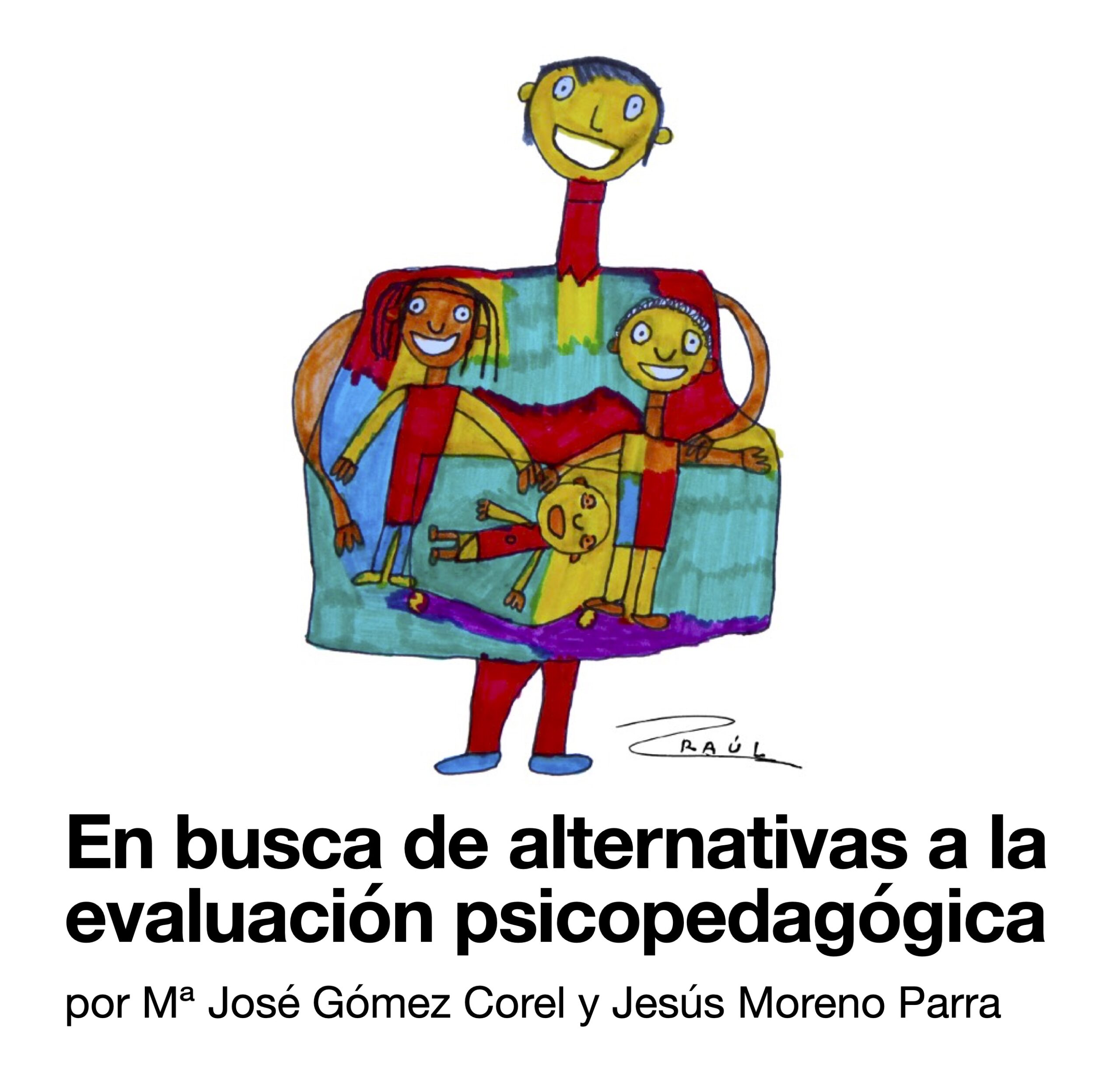

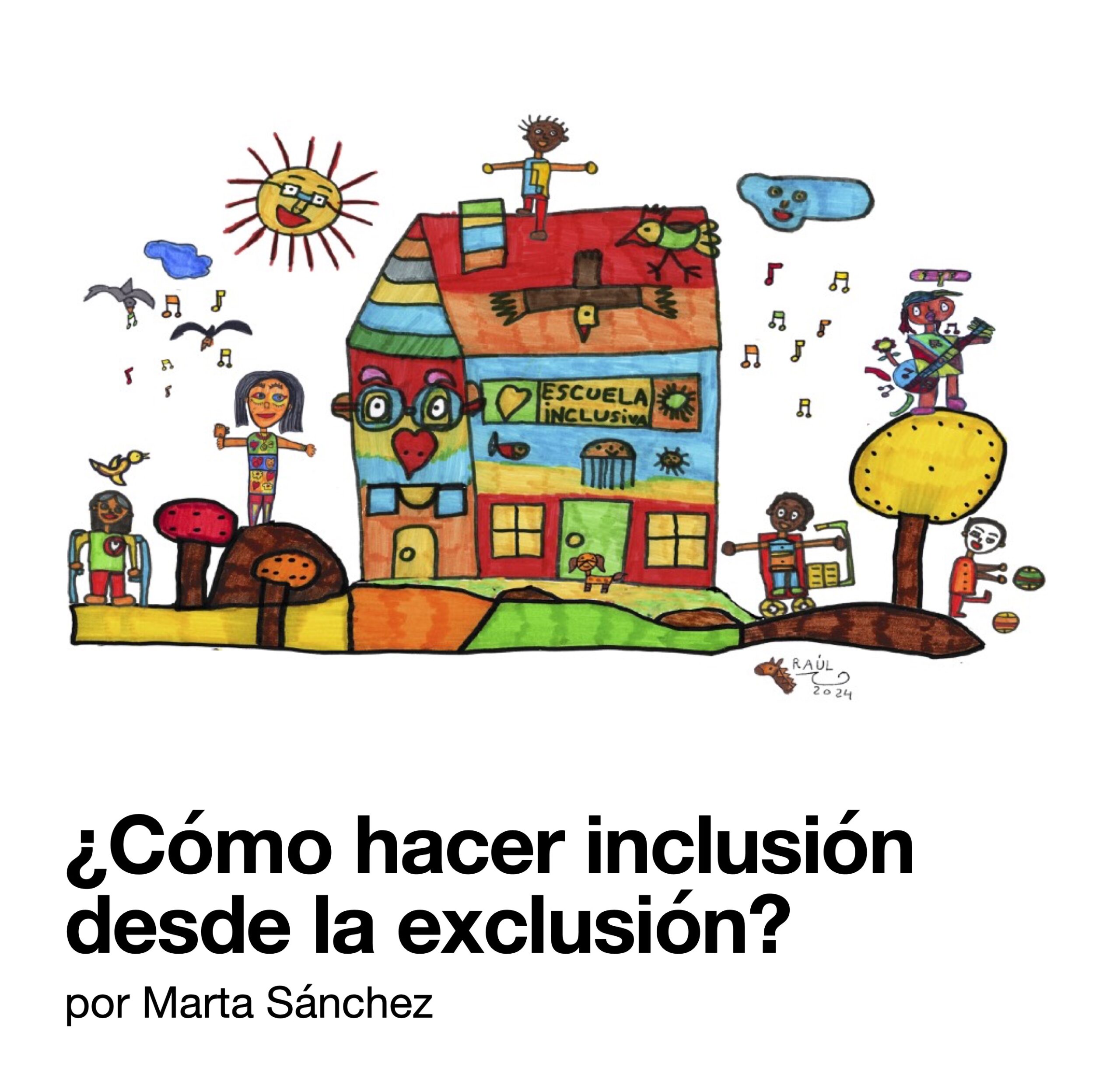
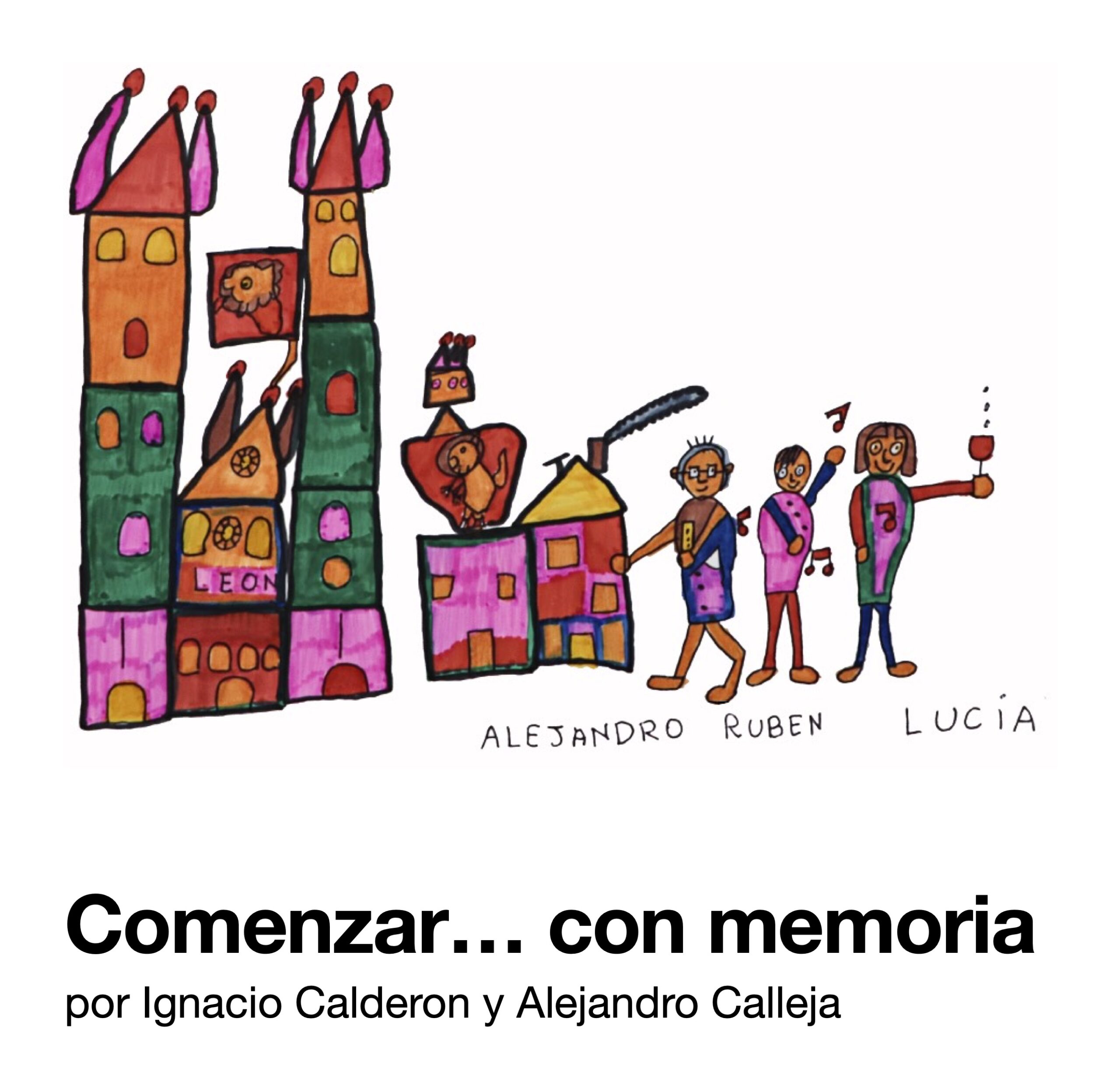
Featured publications on social media
A community in motion
Making history(ies)
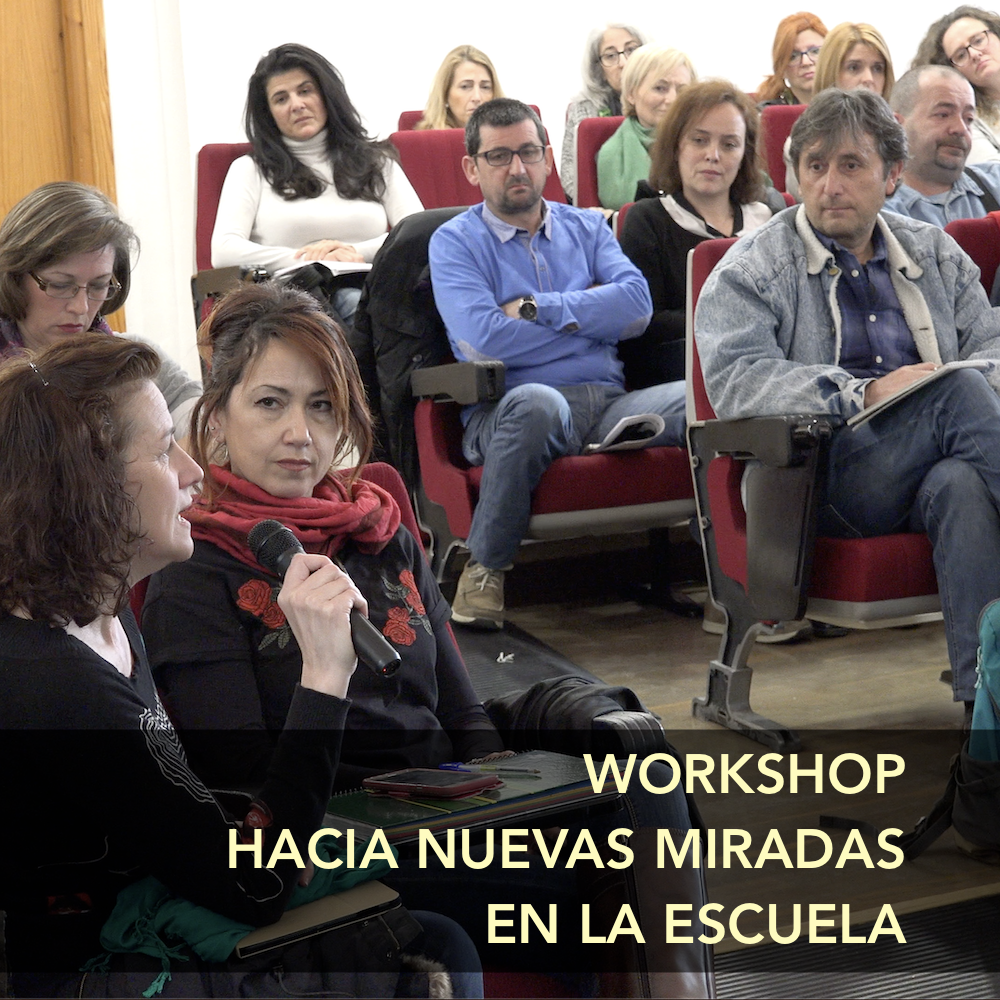
Participatory meetings
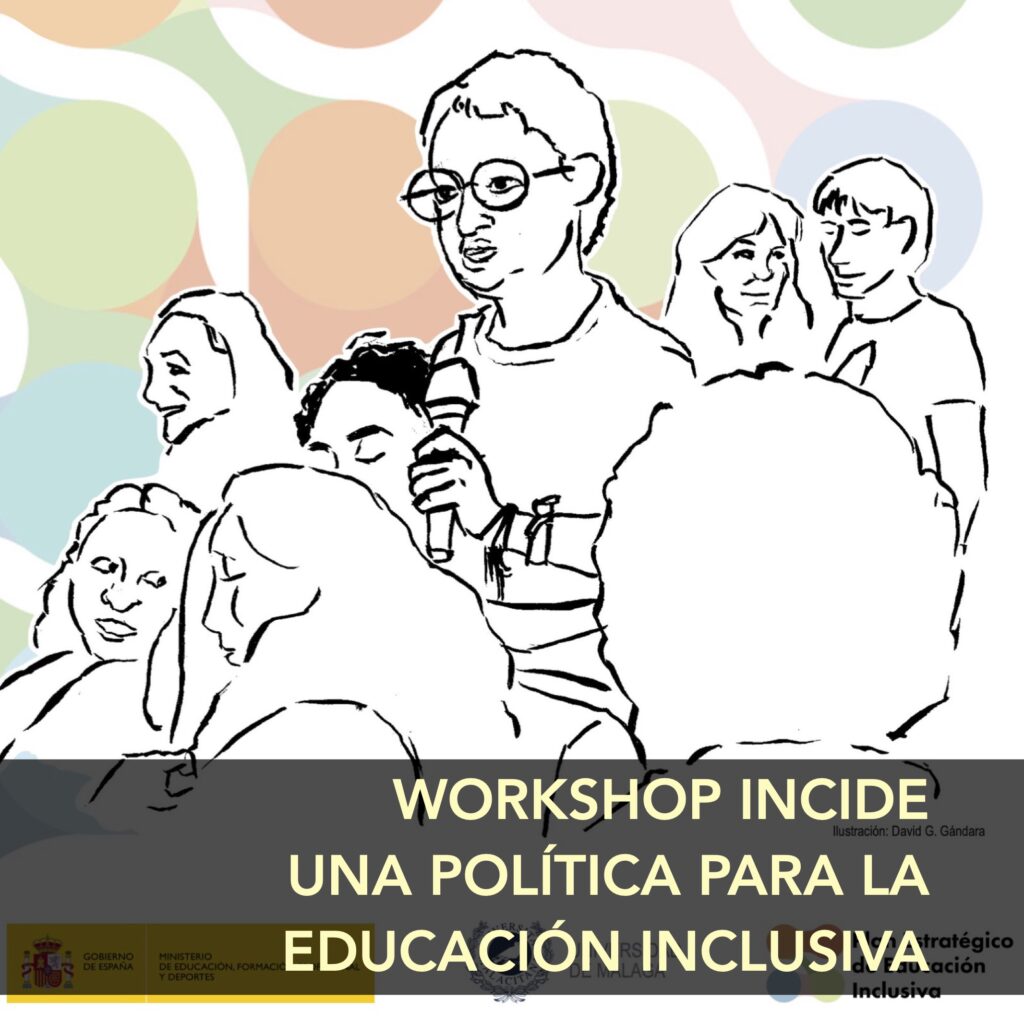
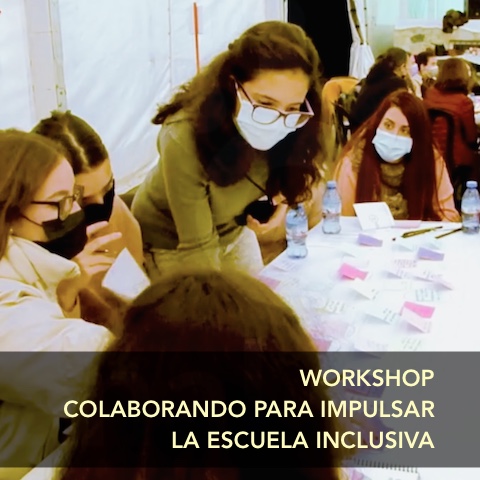
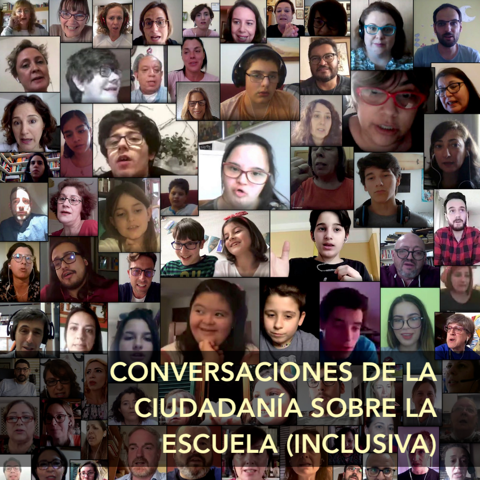
Collectives, schools, and working groups
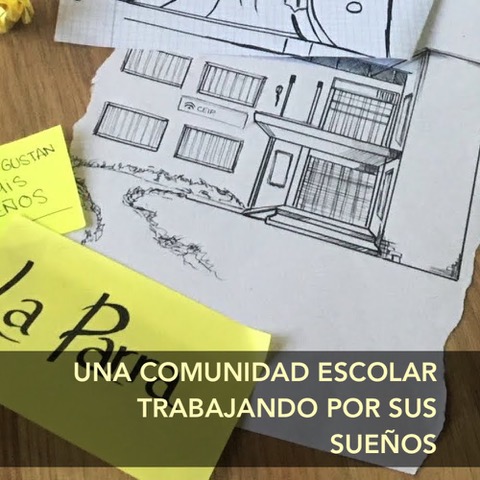
Campaigns and mobilizations

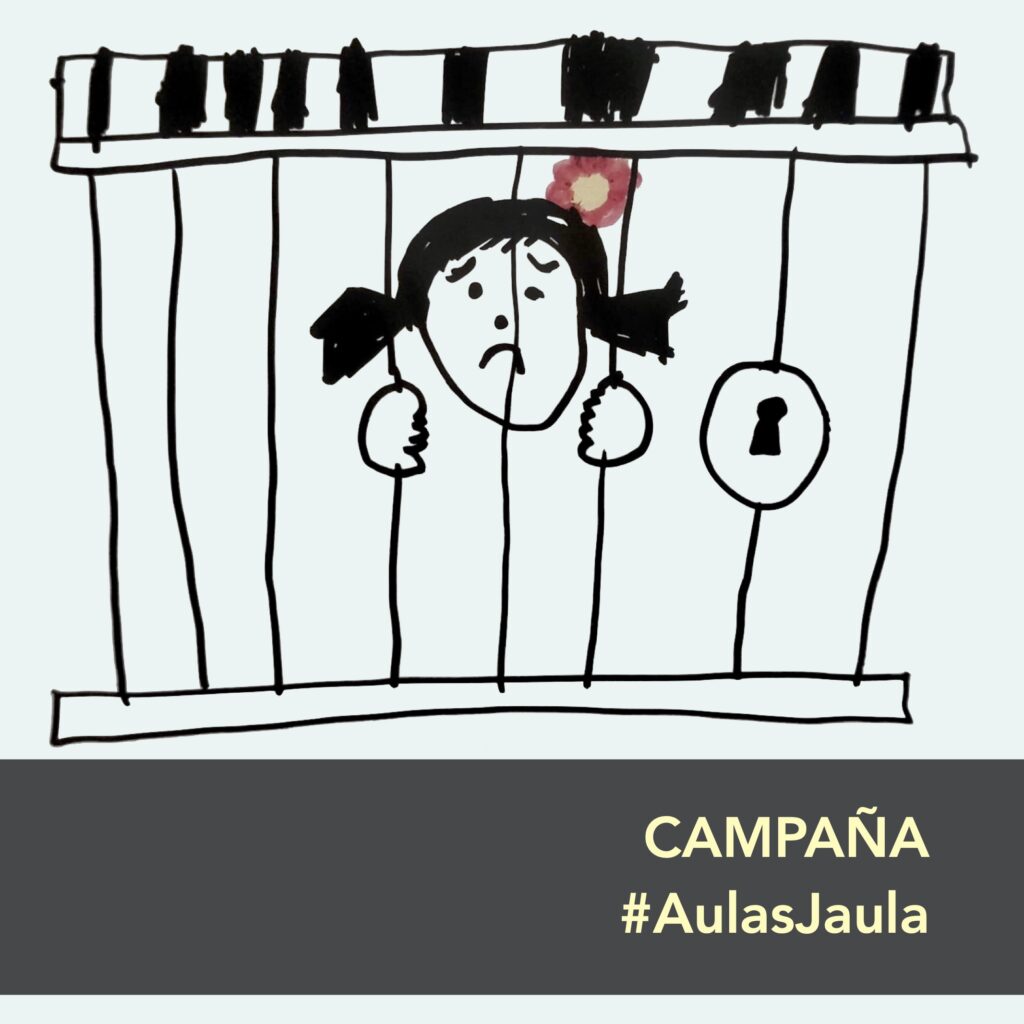


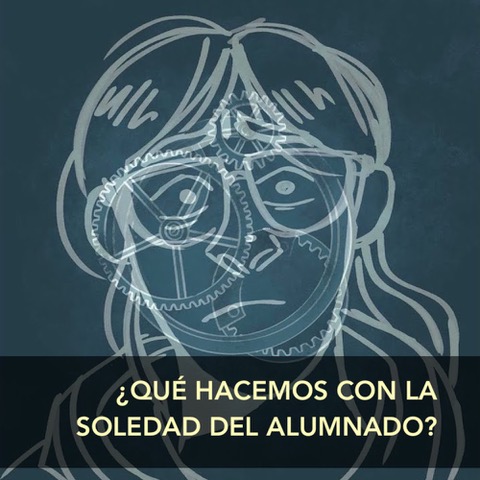

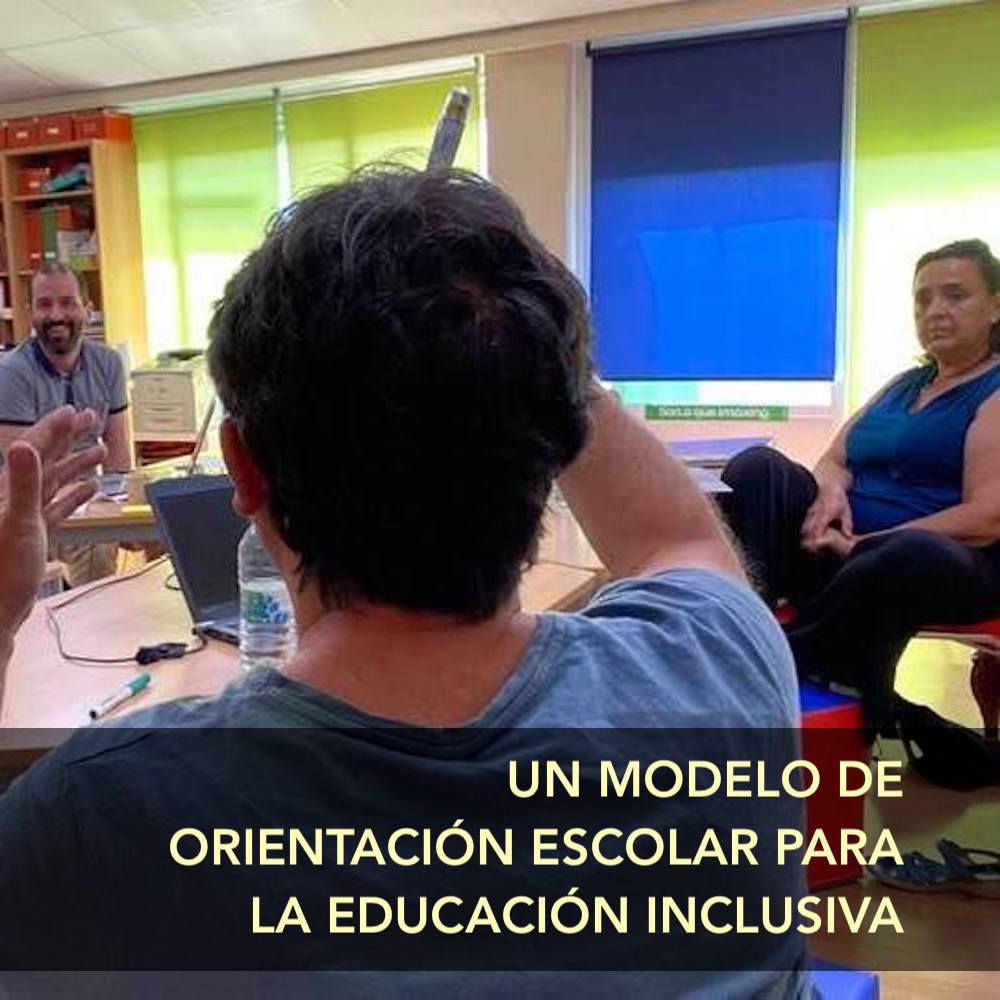
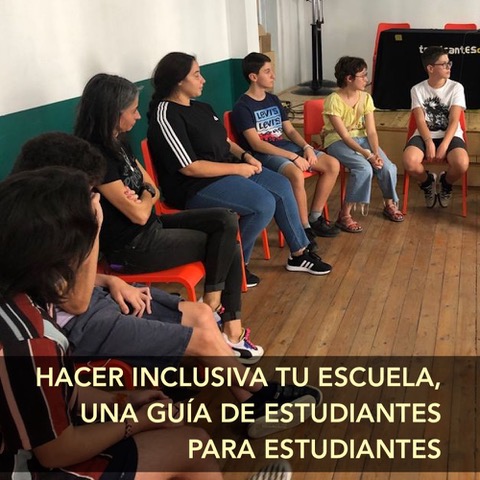
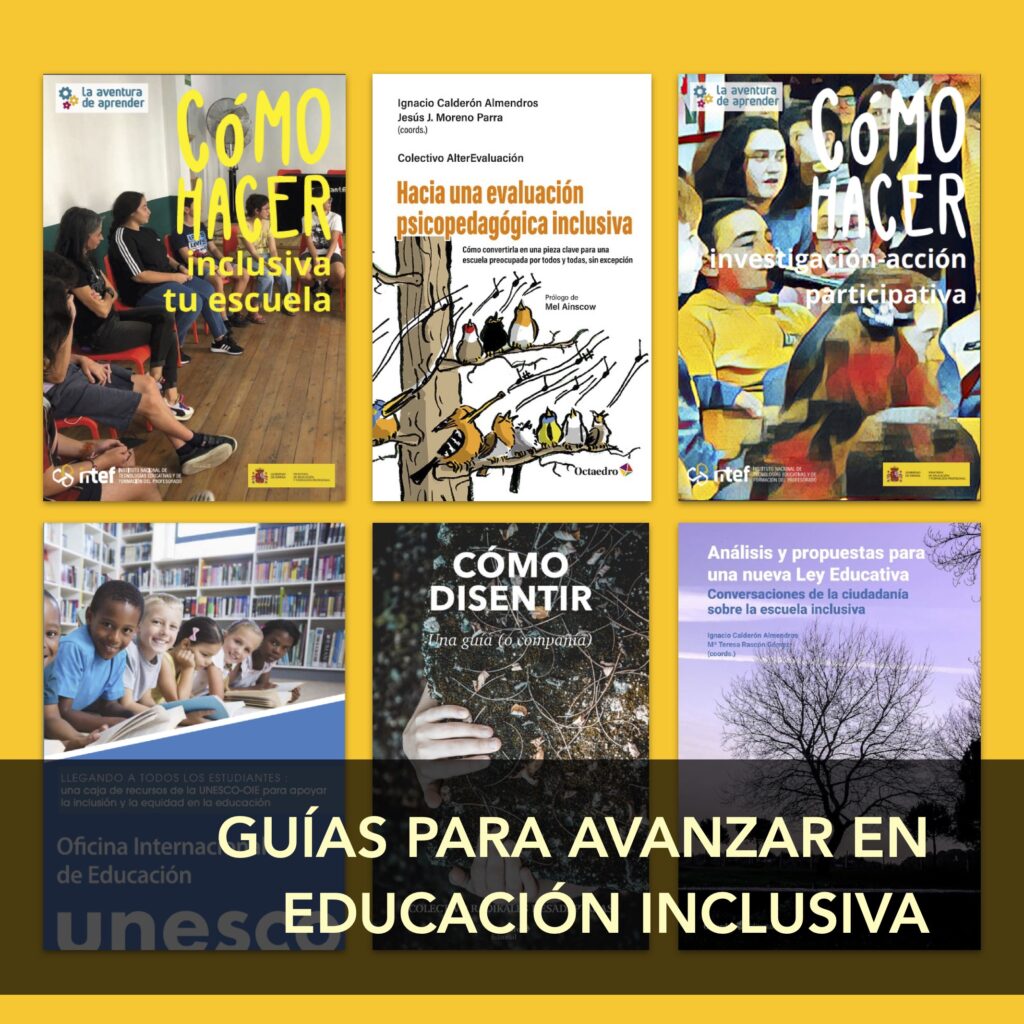
Guides and resources created
Academic research
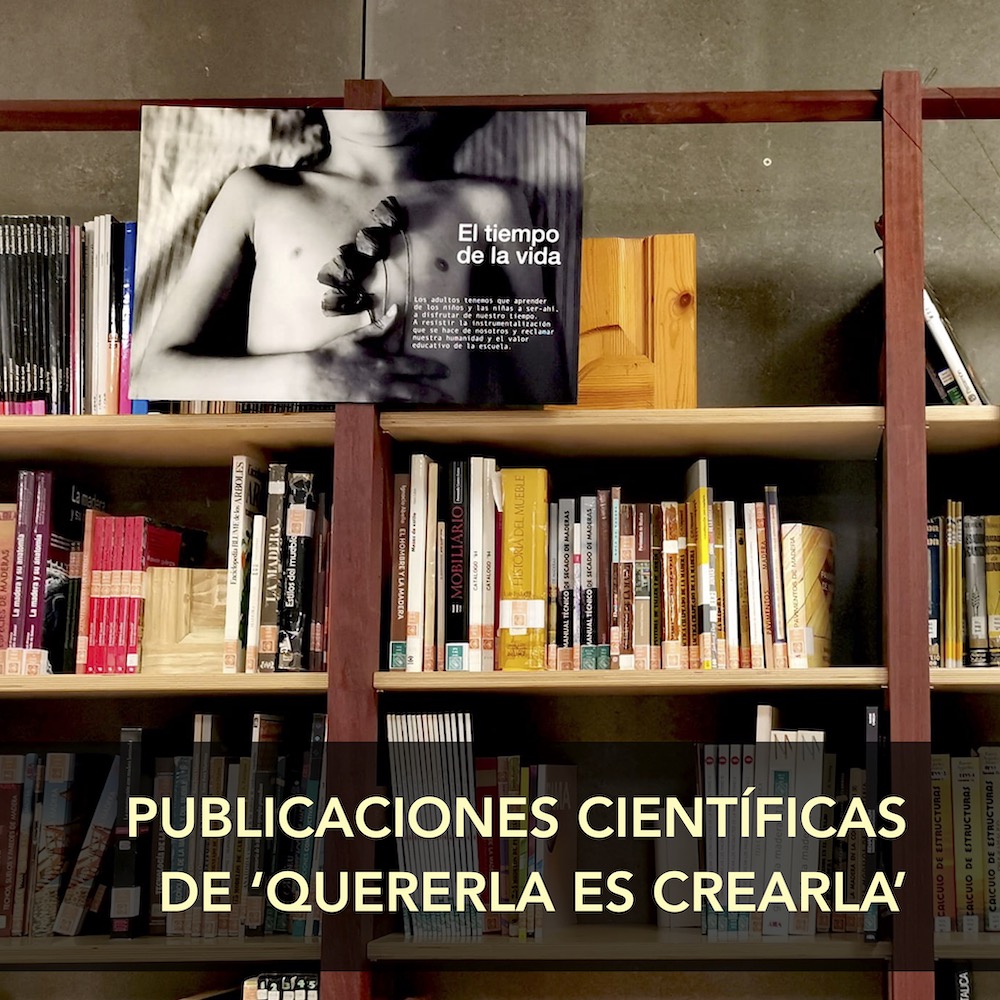
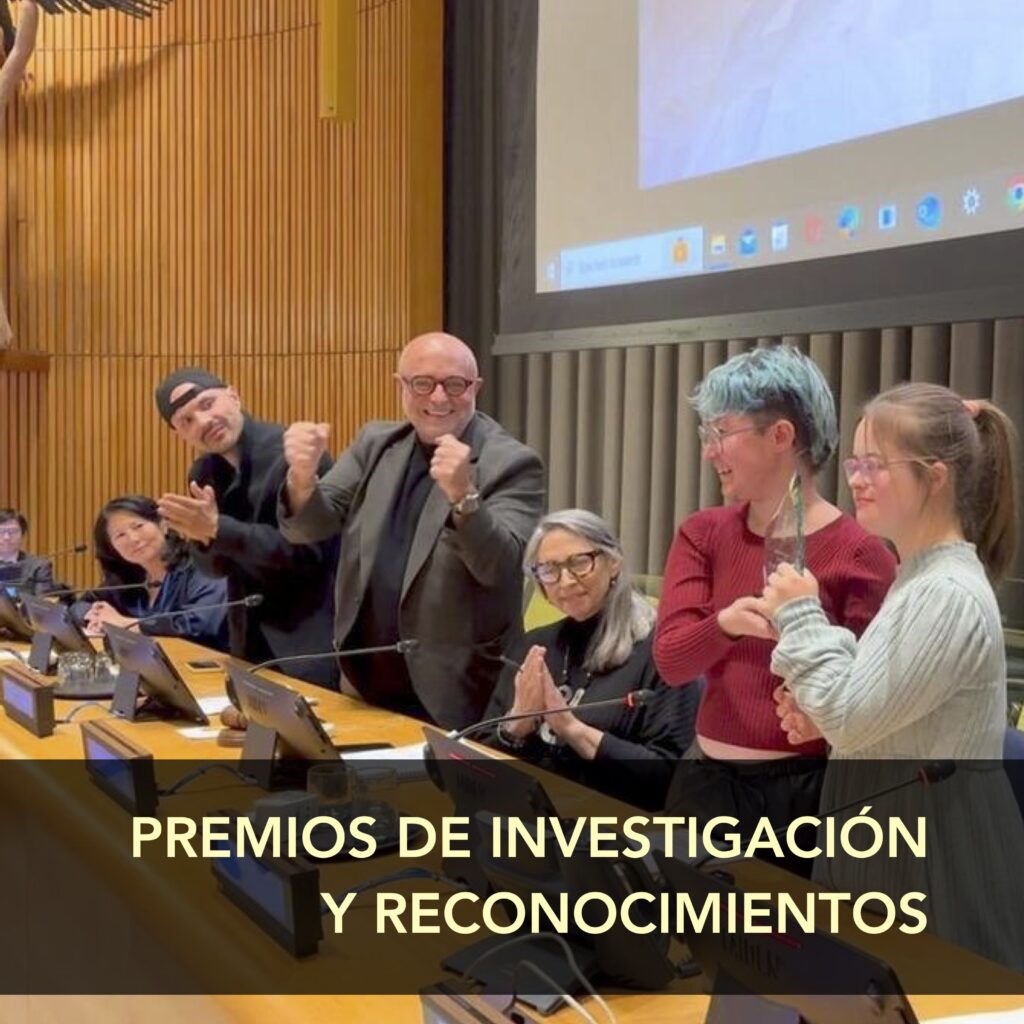
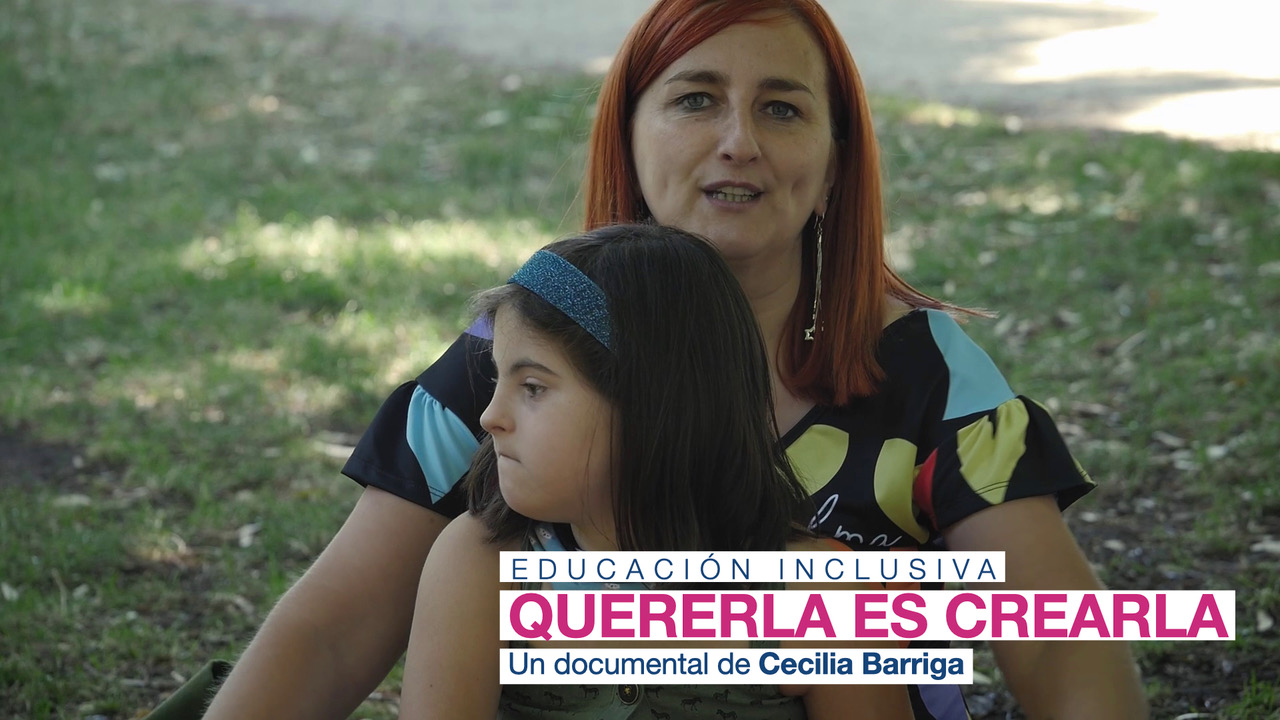
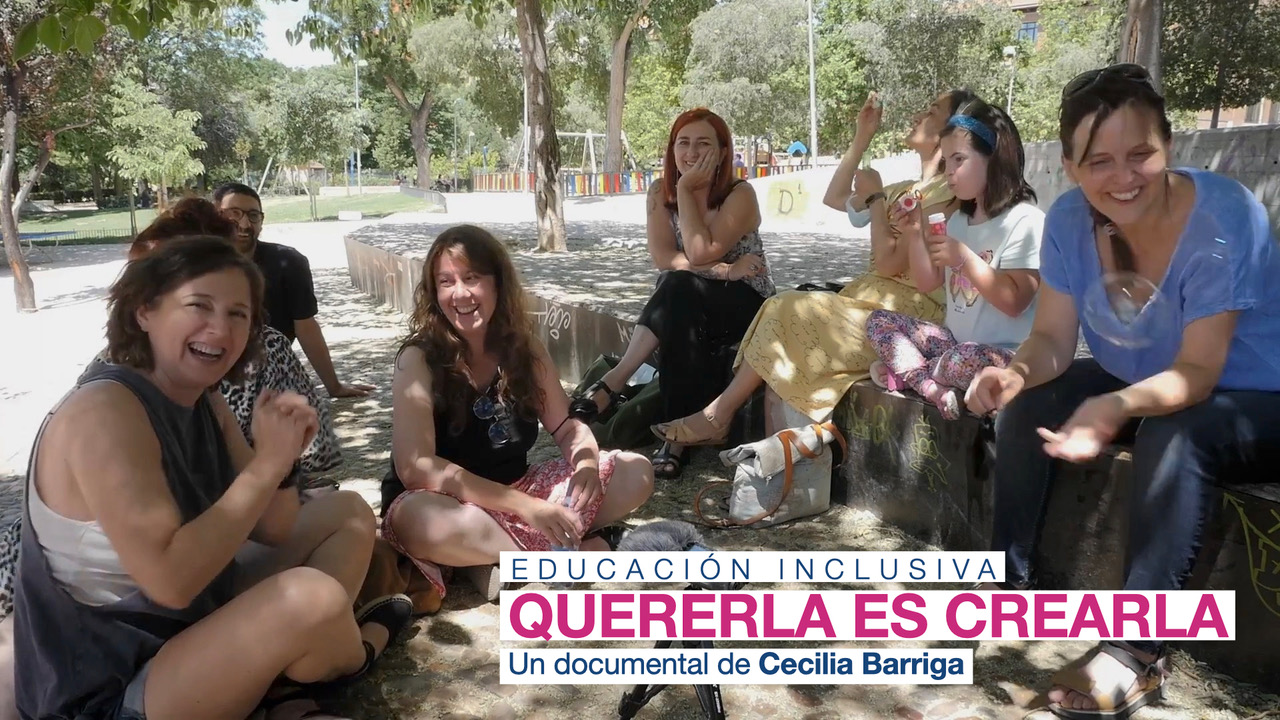
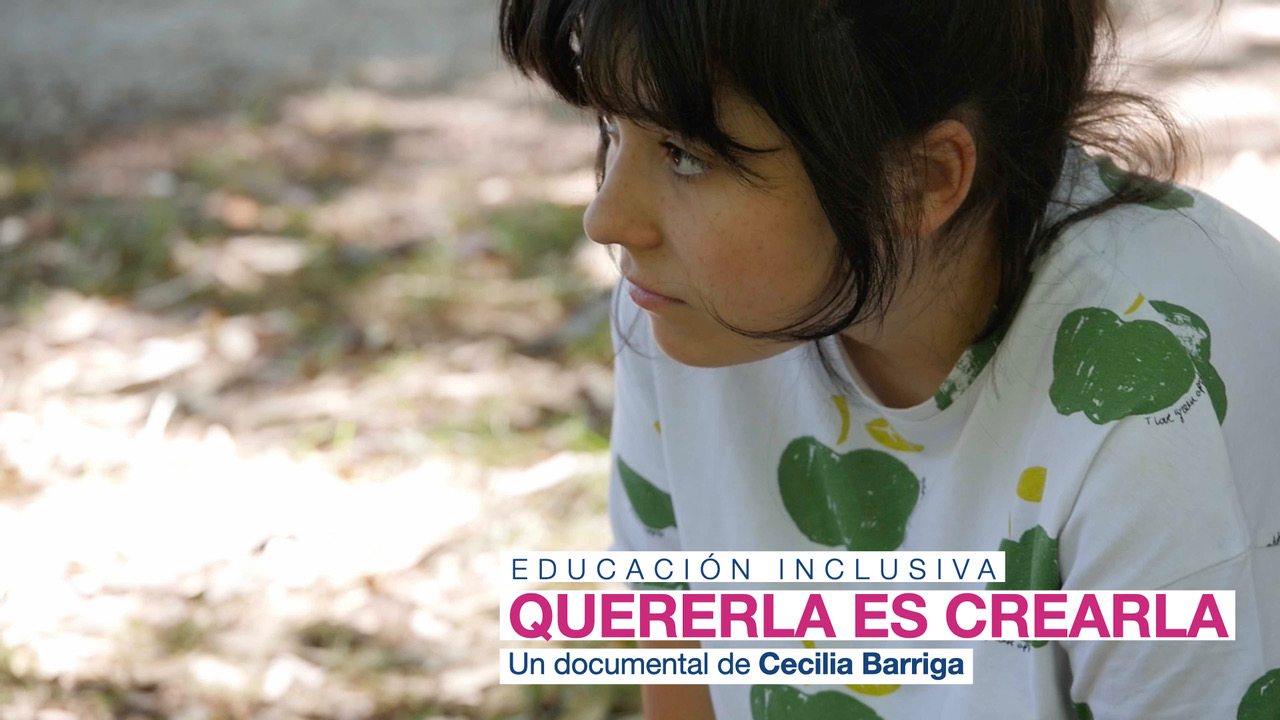
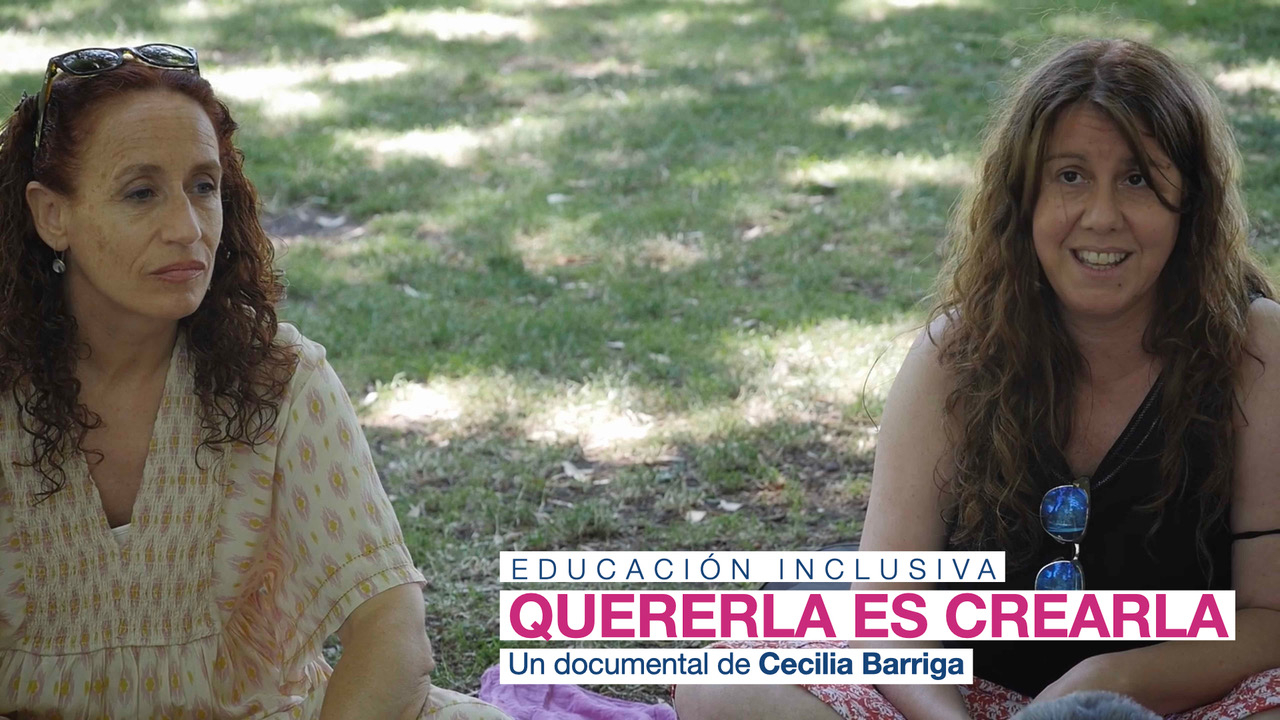
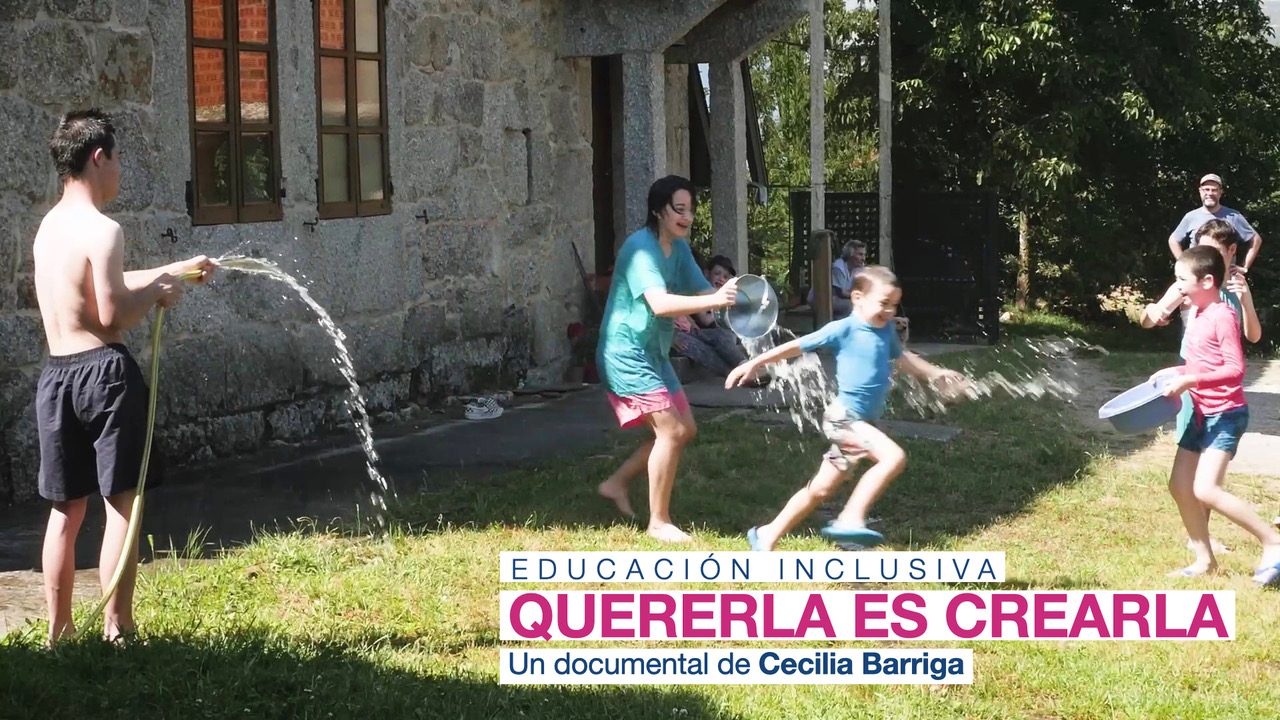
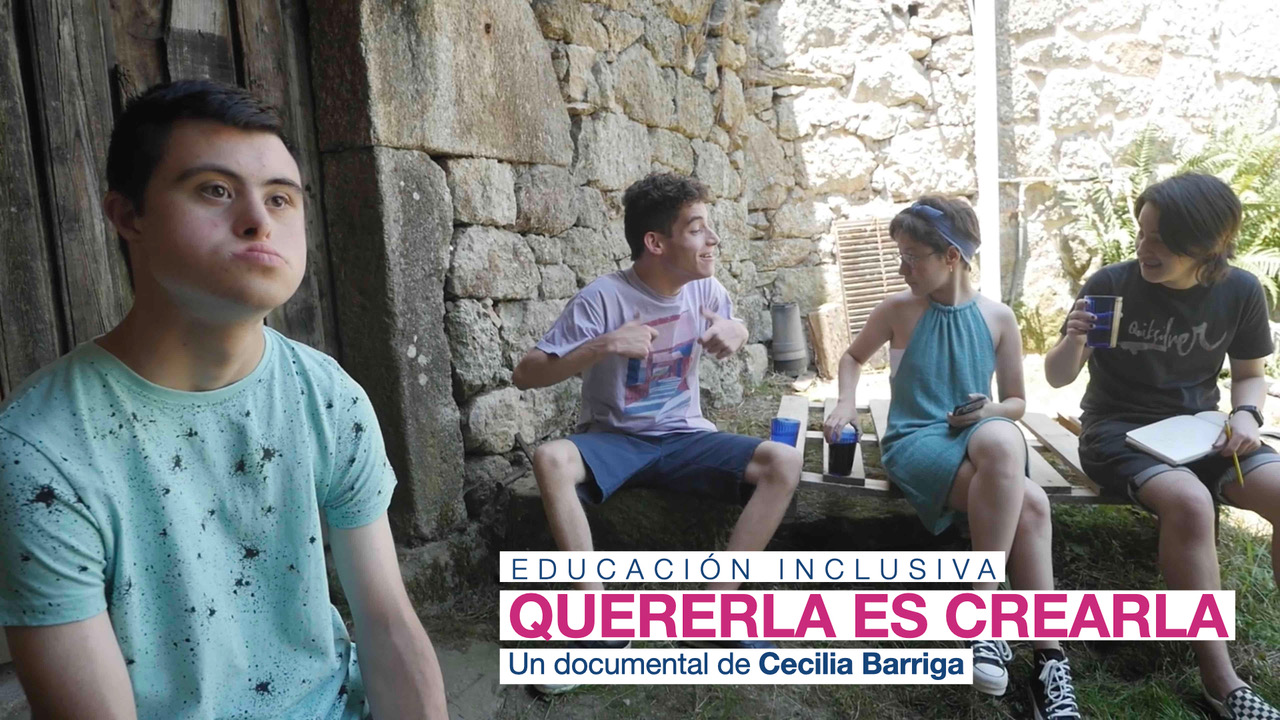
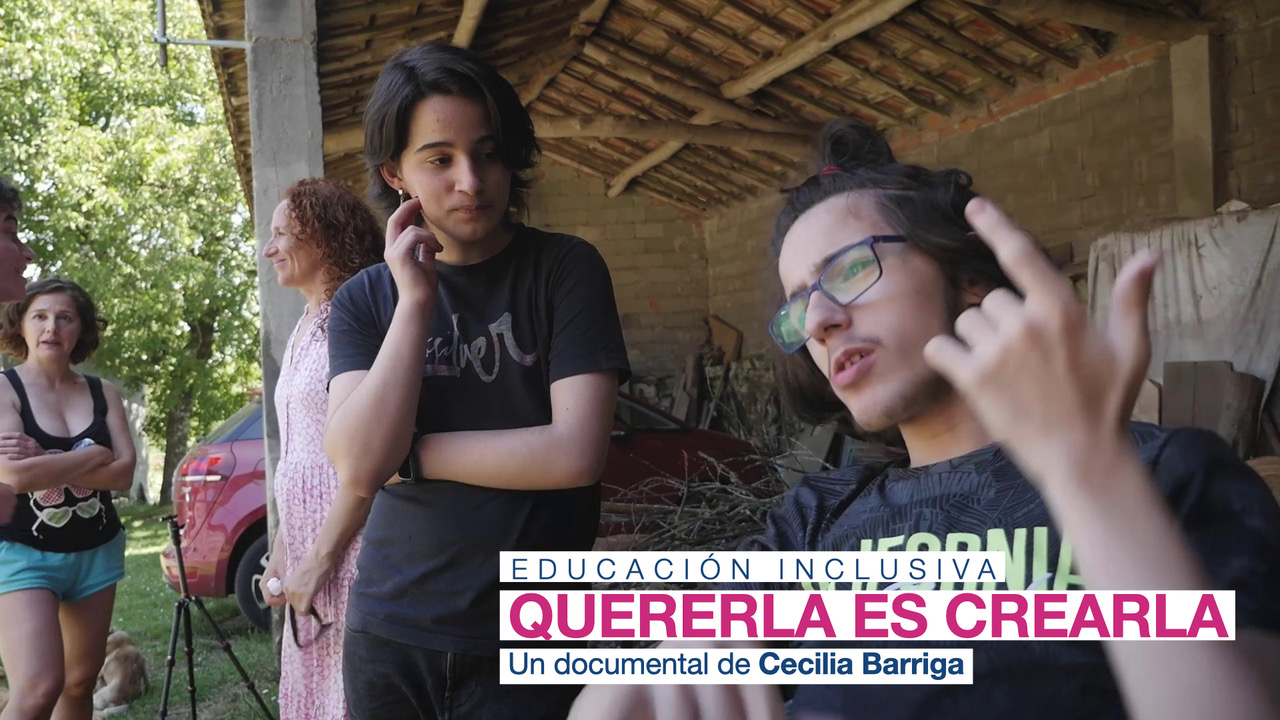
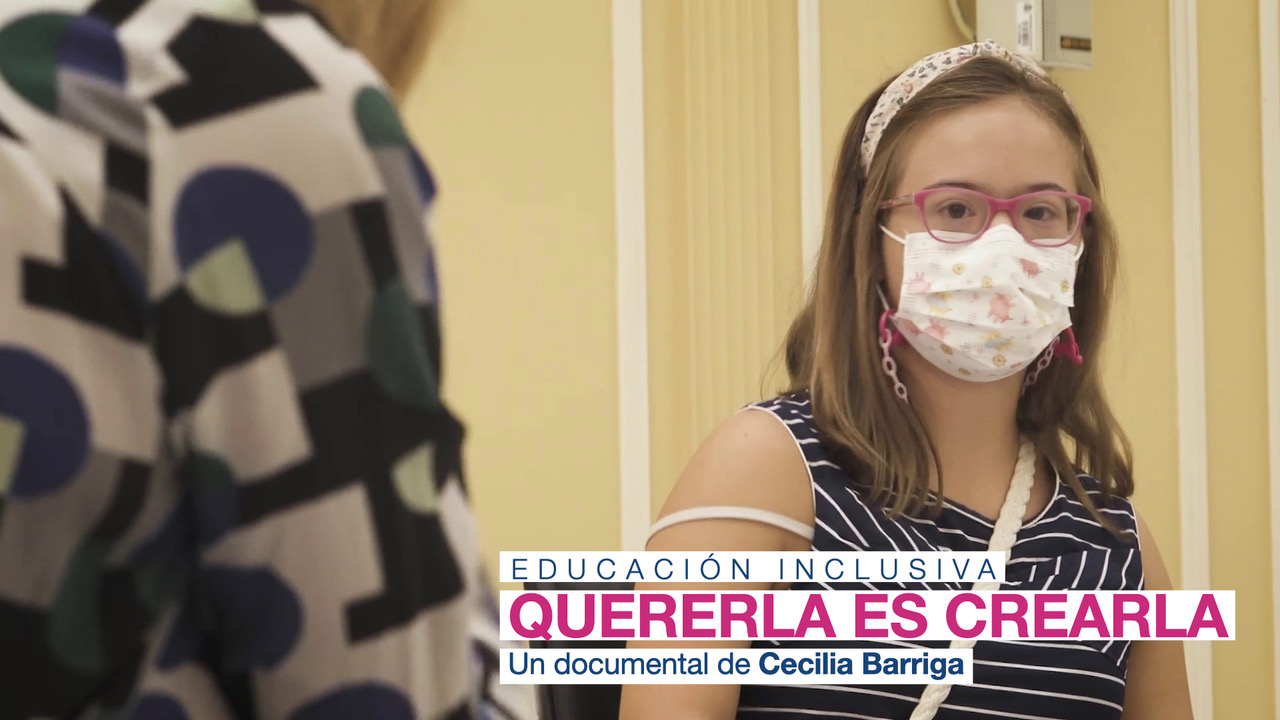
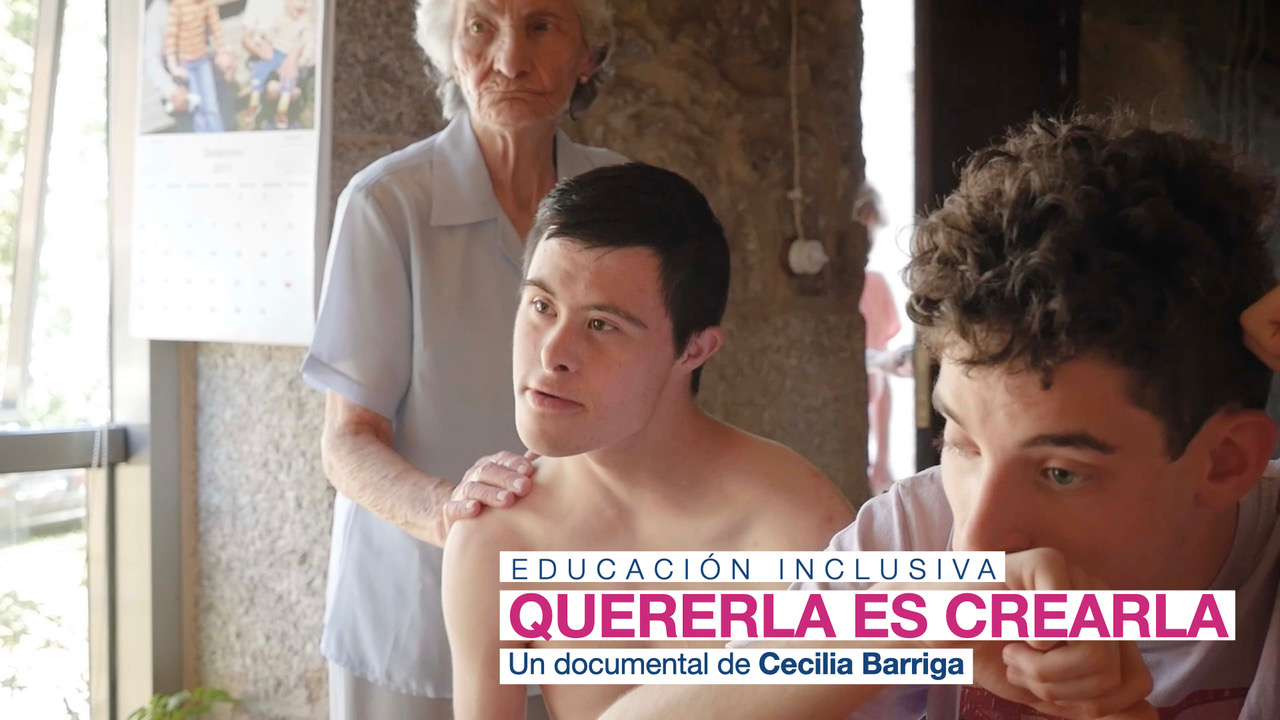
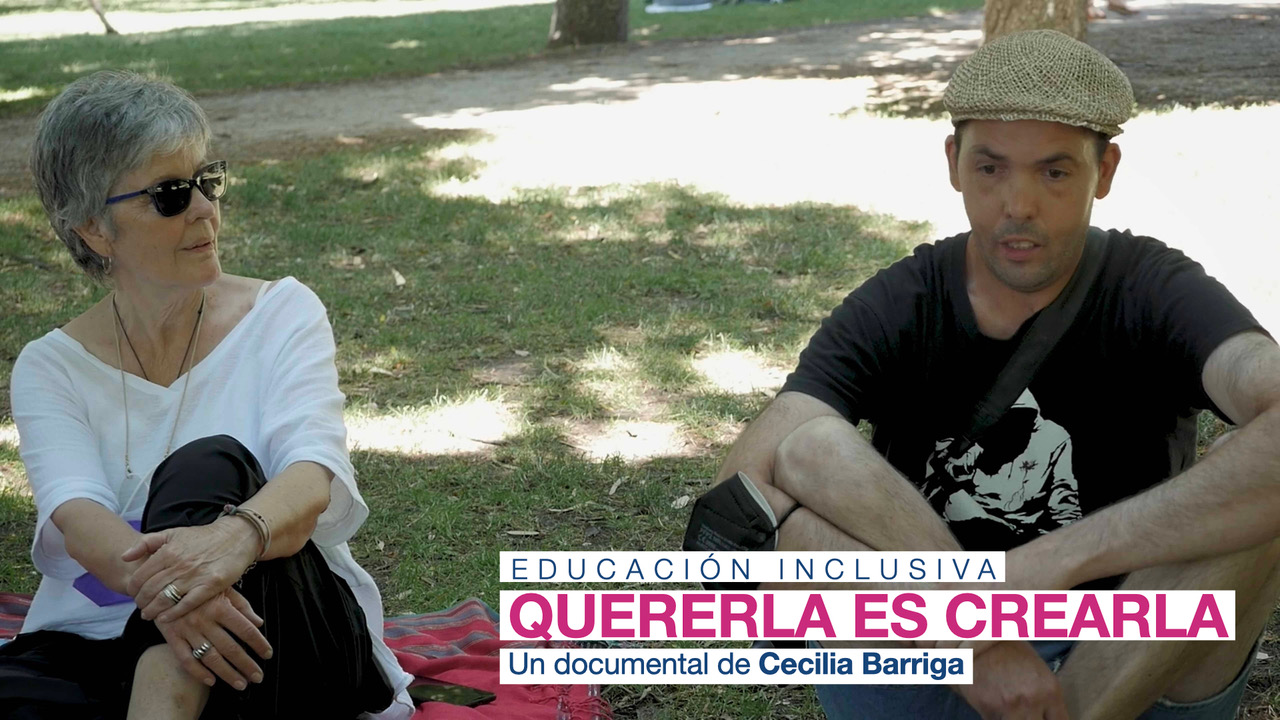
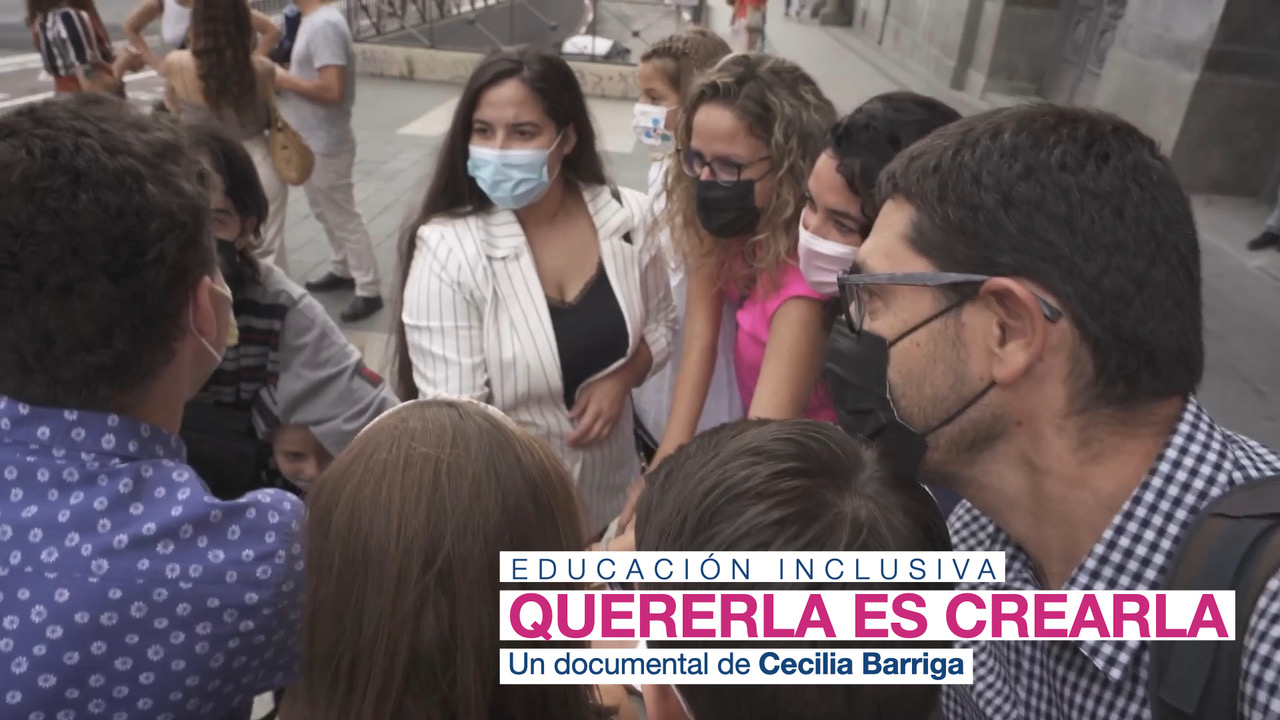
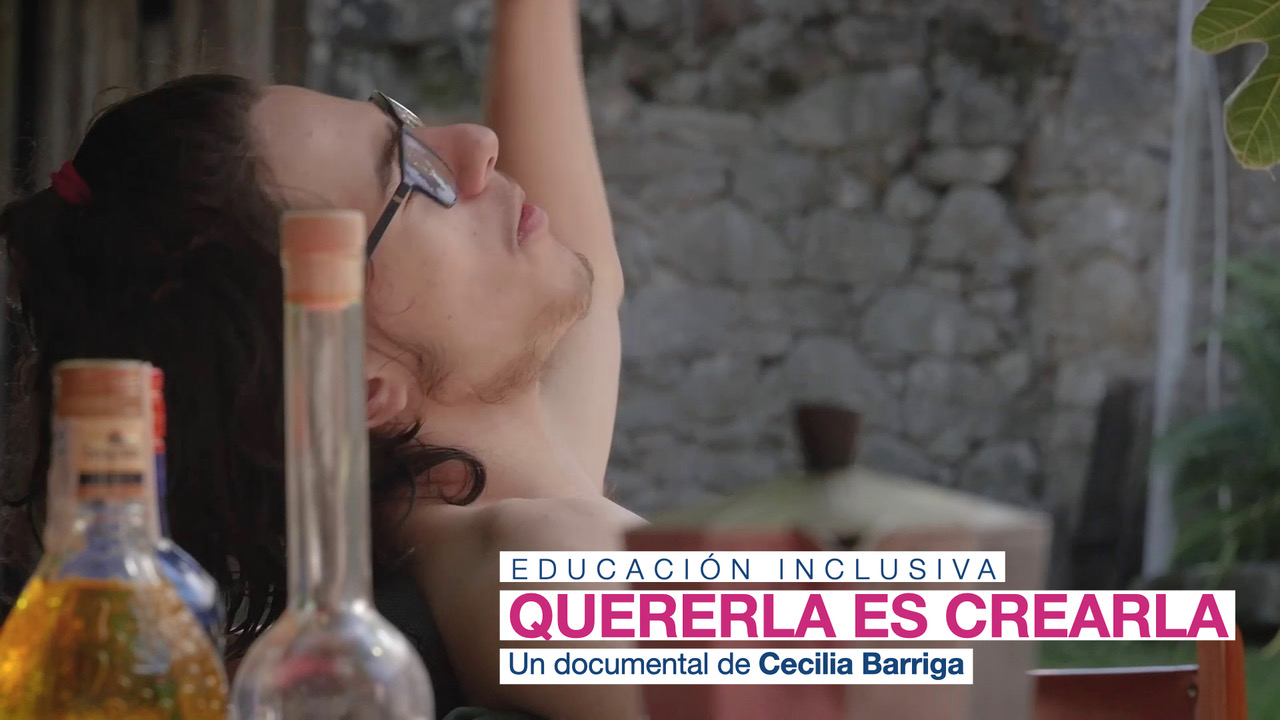
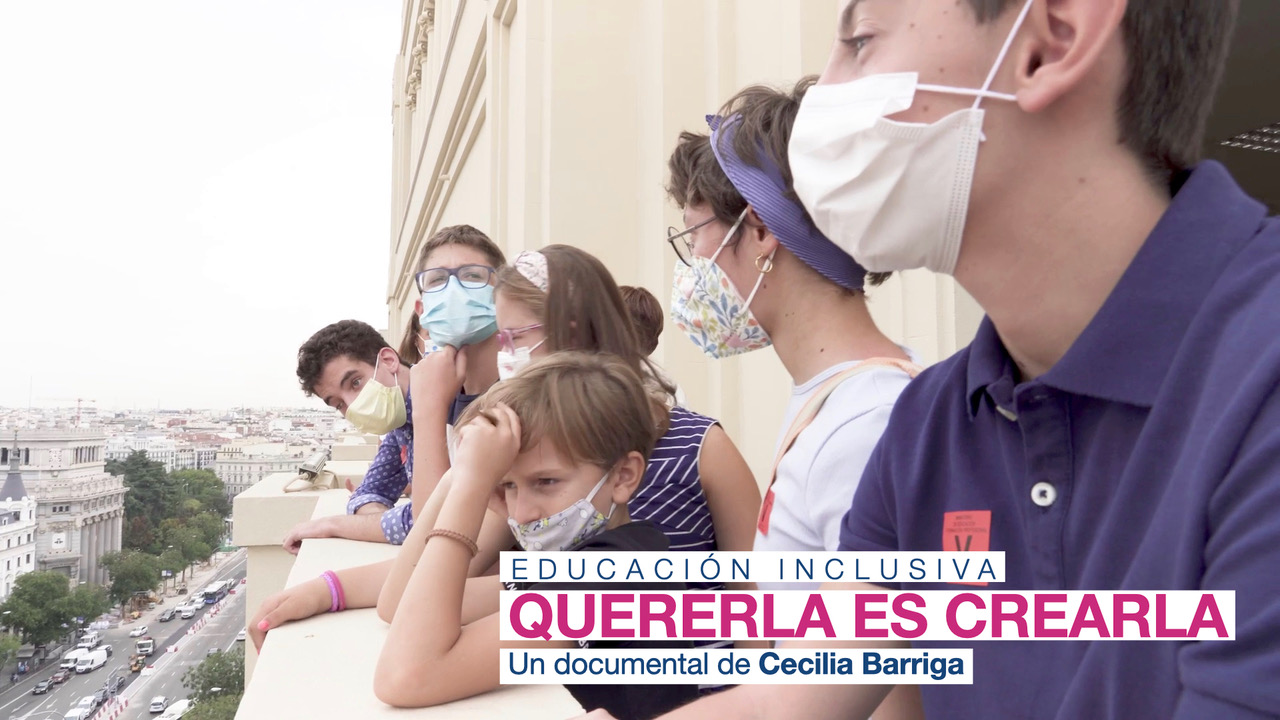
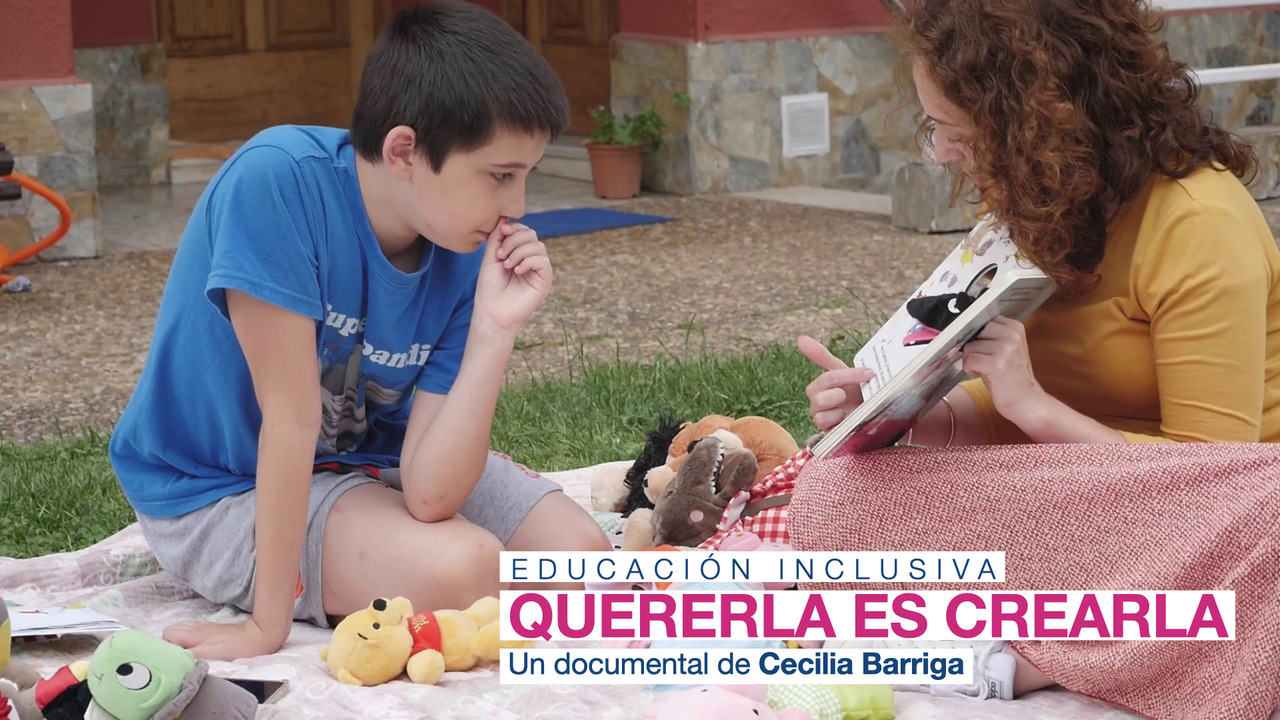
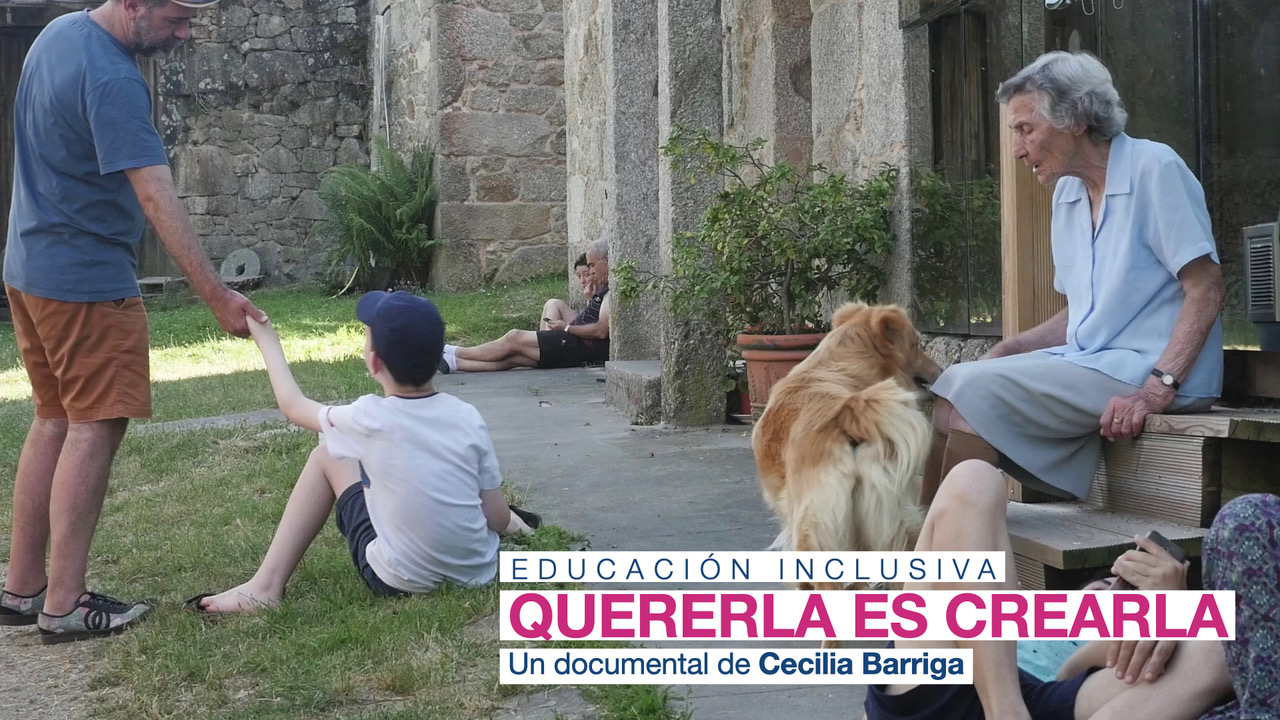
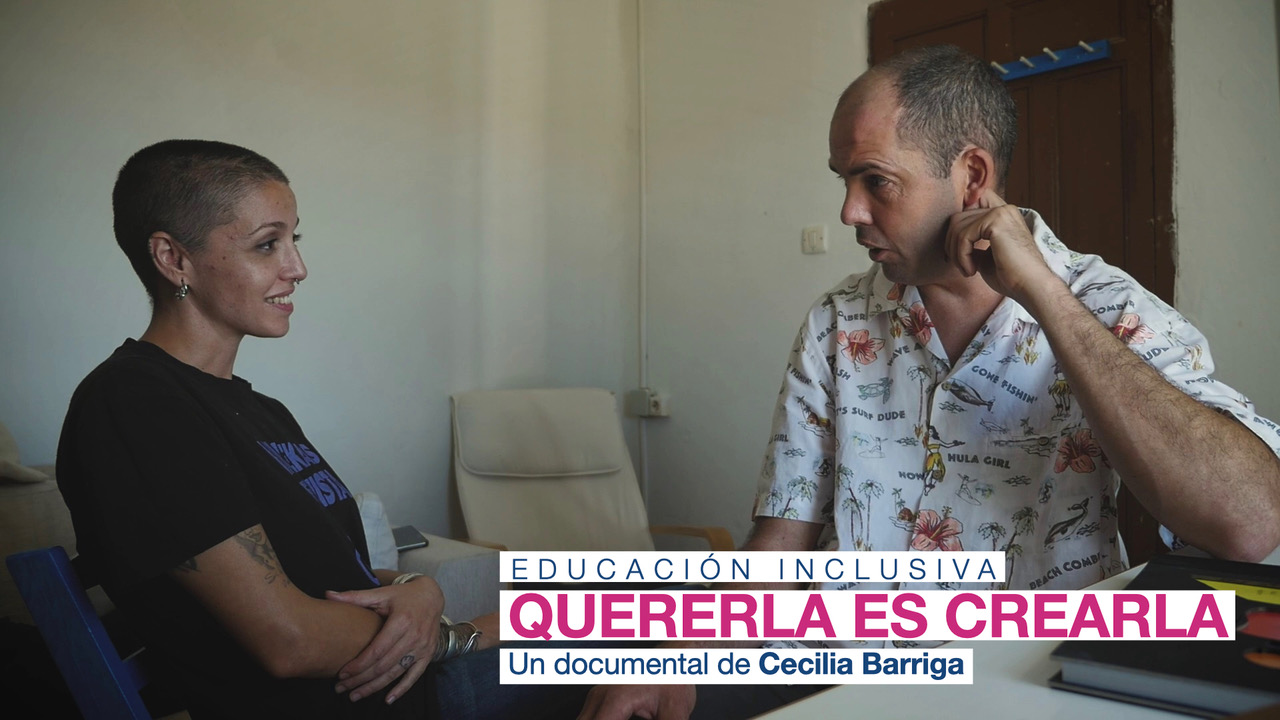
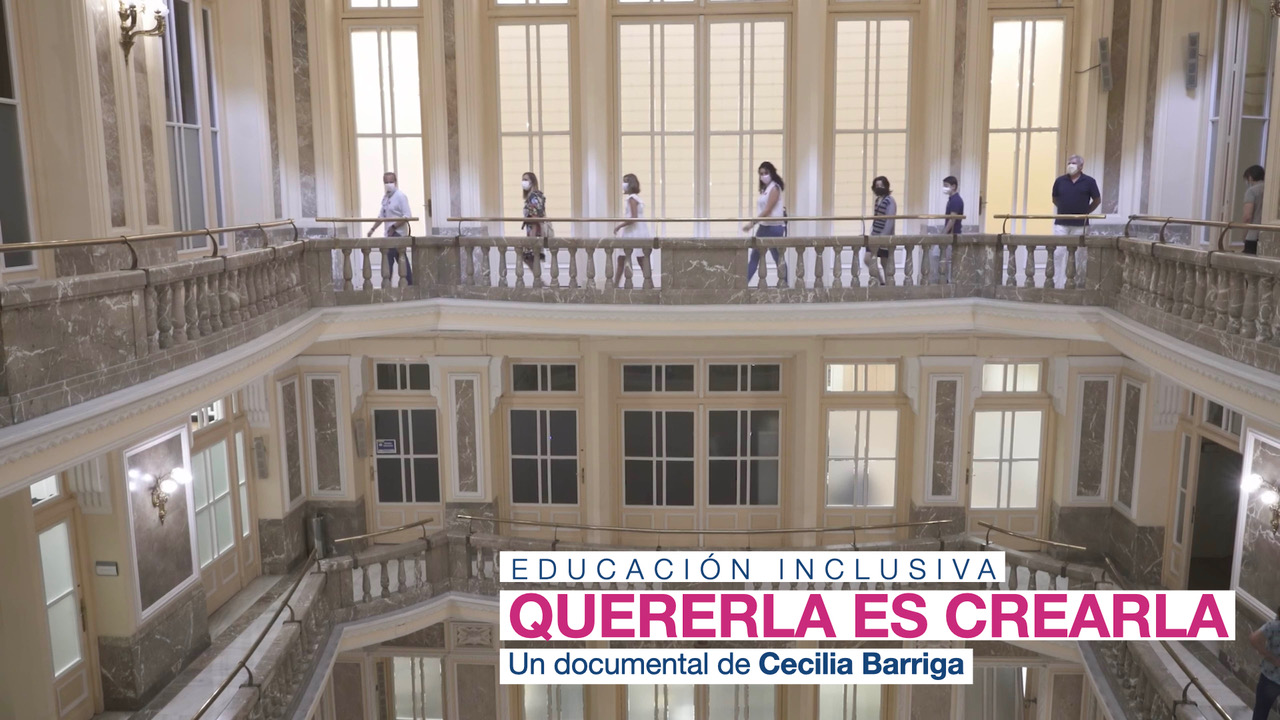
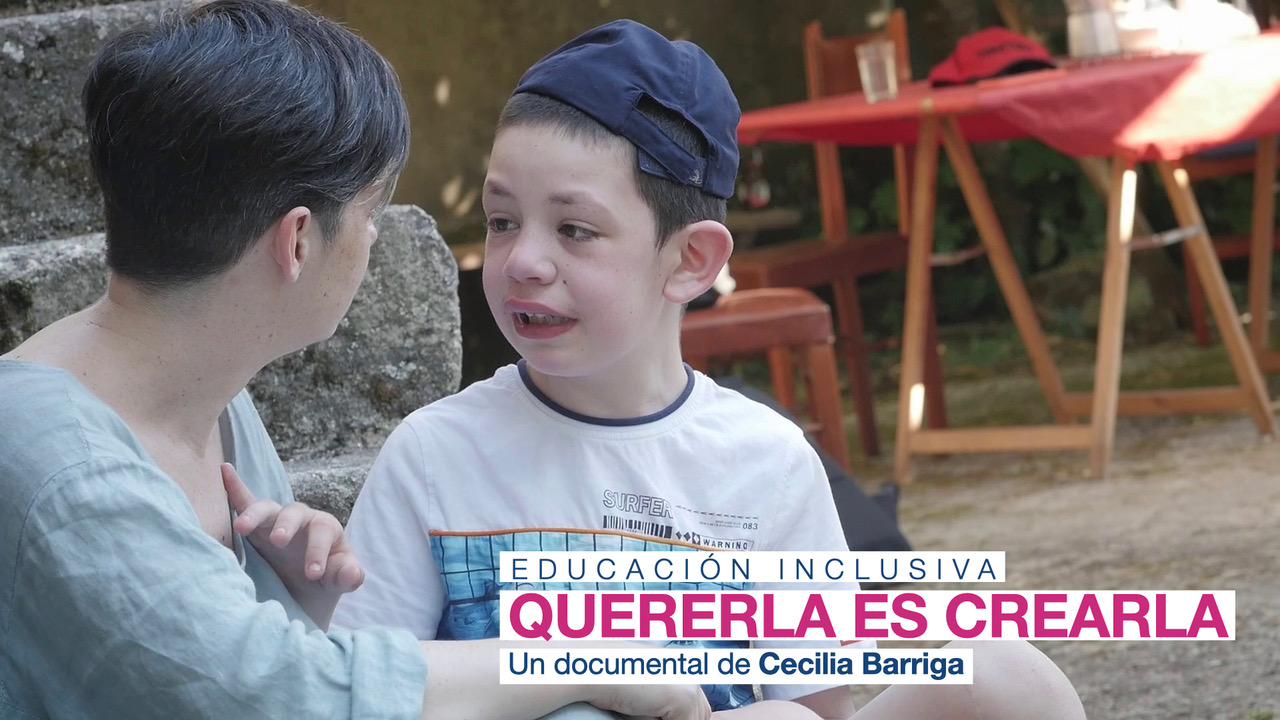
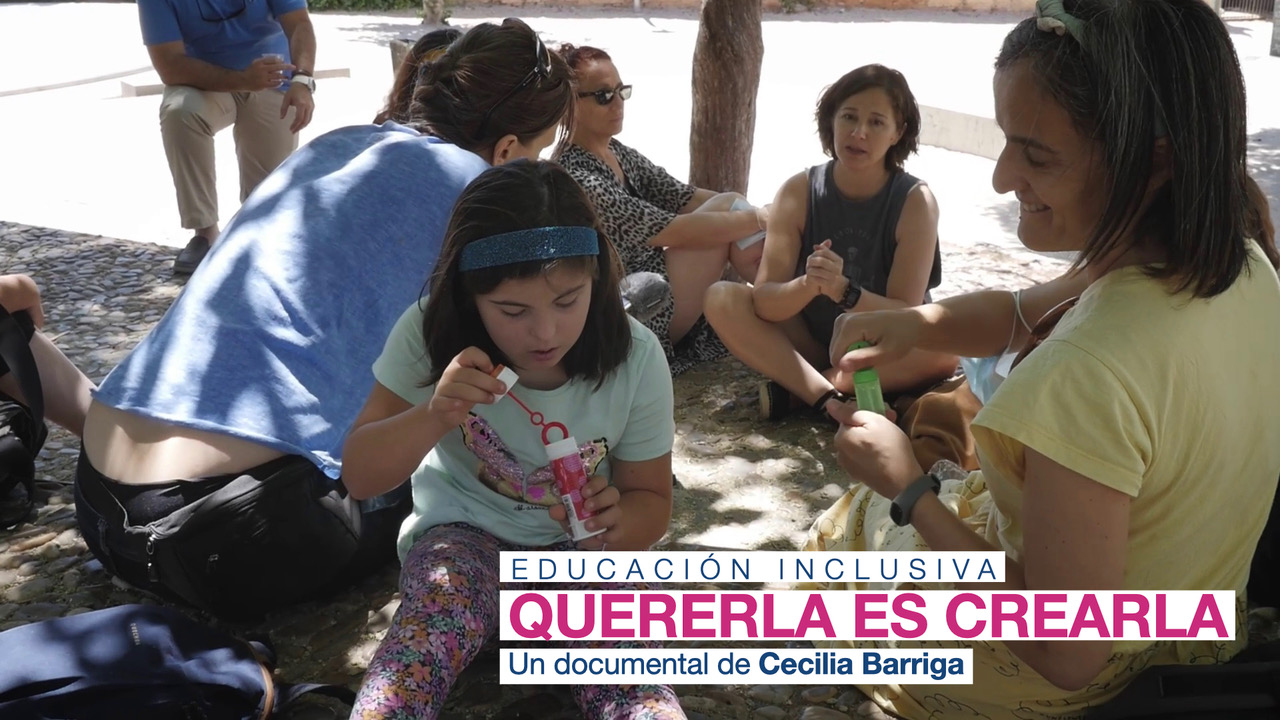
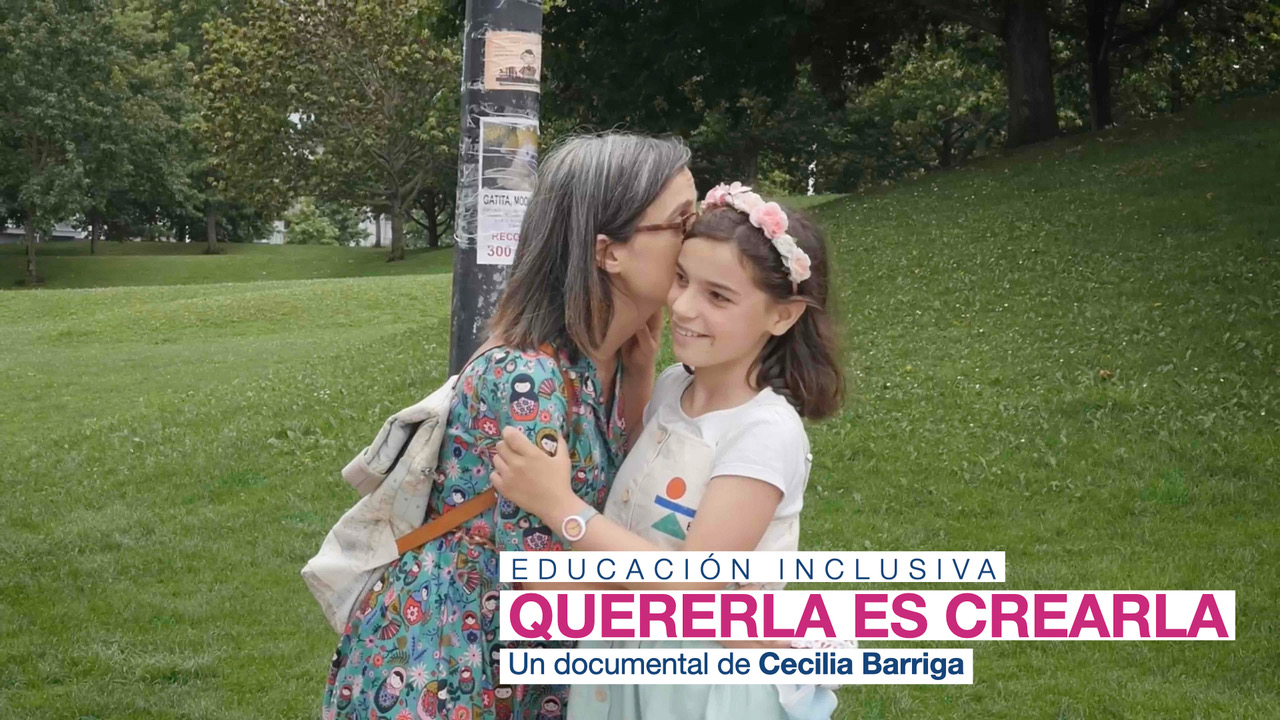
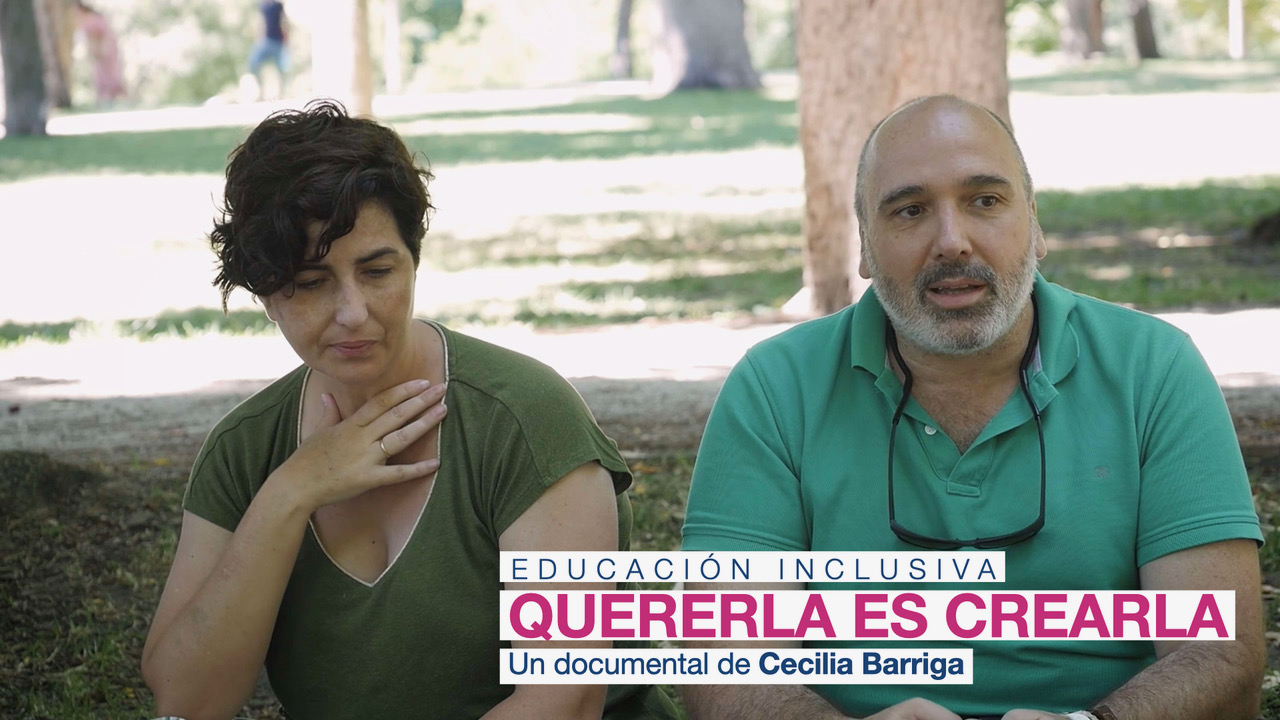
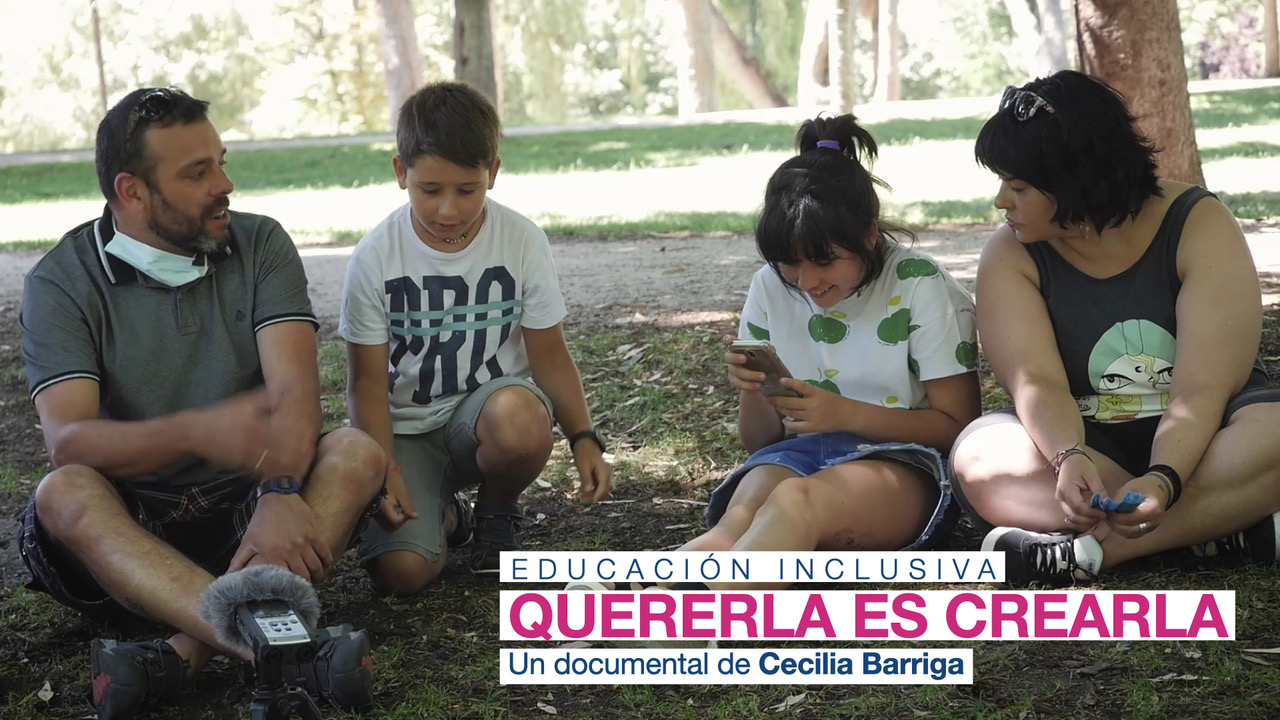
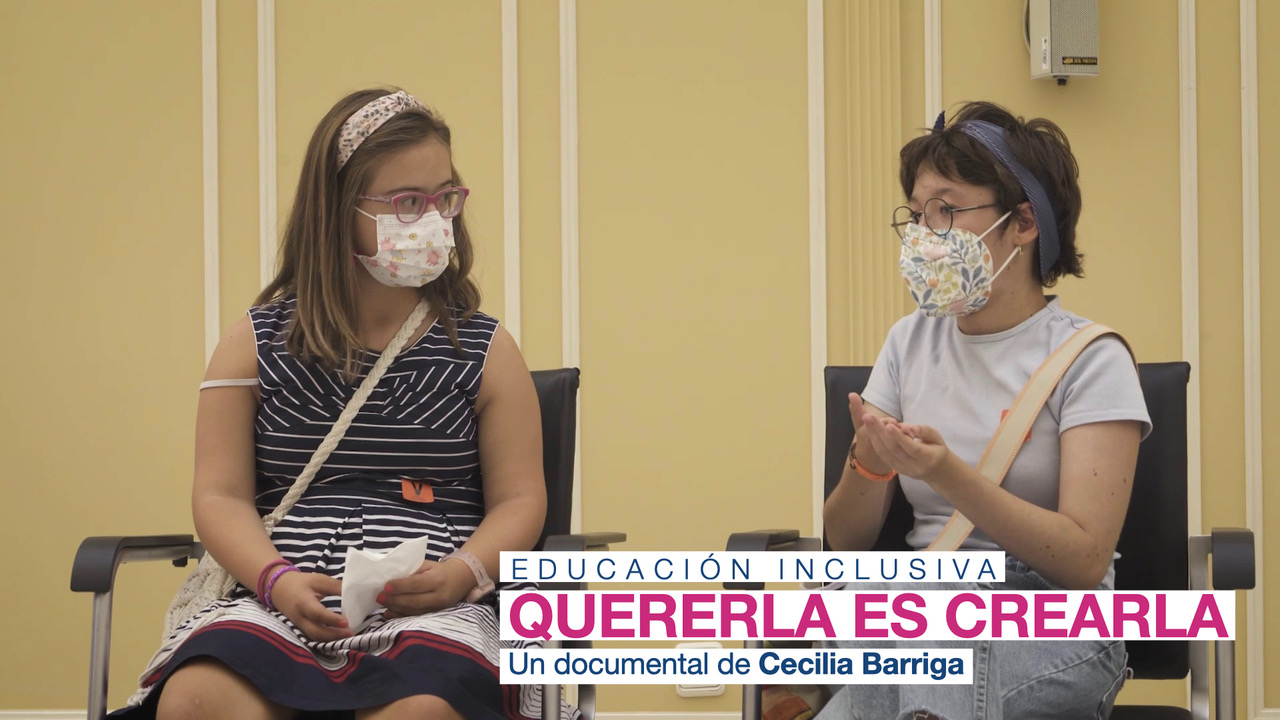
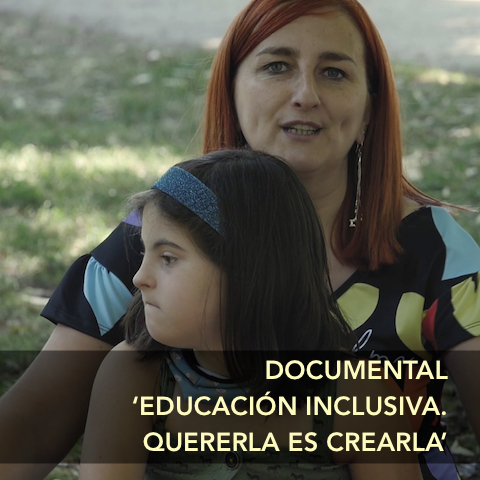
Inclusive education. Quererla es crearla
The open-access documentary
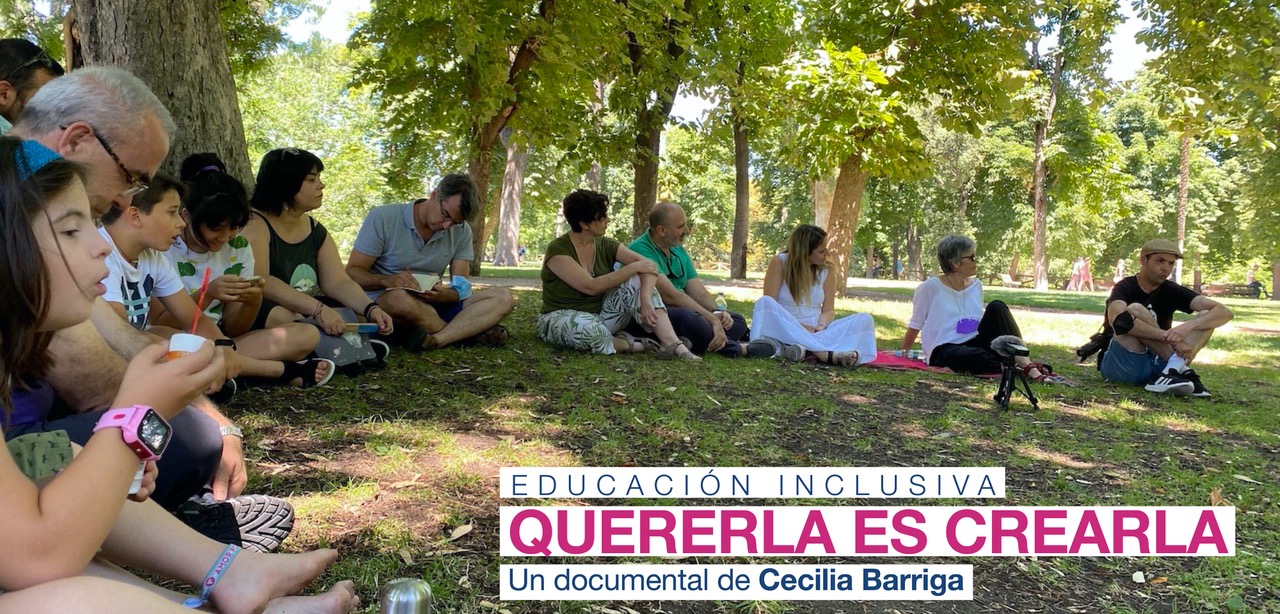
A film that addresses the deeply human meaning of inclusive education. It has now been released and is available in an accessible format with subtitles in different languages.
Reports, programs, campaigns
Audio description [AD]: Intro for the TESIS program, Canal Sur.
(Background music)
Audio description [AD]: A diverse group of people enters the University of Malaga campus, surrounded by green areas. They sit on a circular stone bench and begin to chat animatedly. Close-ups capture their excited expressions and the enthusiasm in their interactions.
Audio description [AD]: Teresa Racón speaks to the camera in a green area.
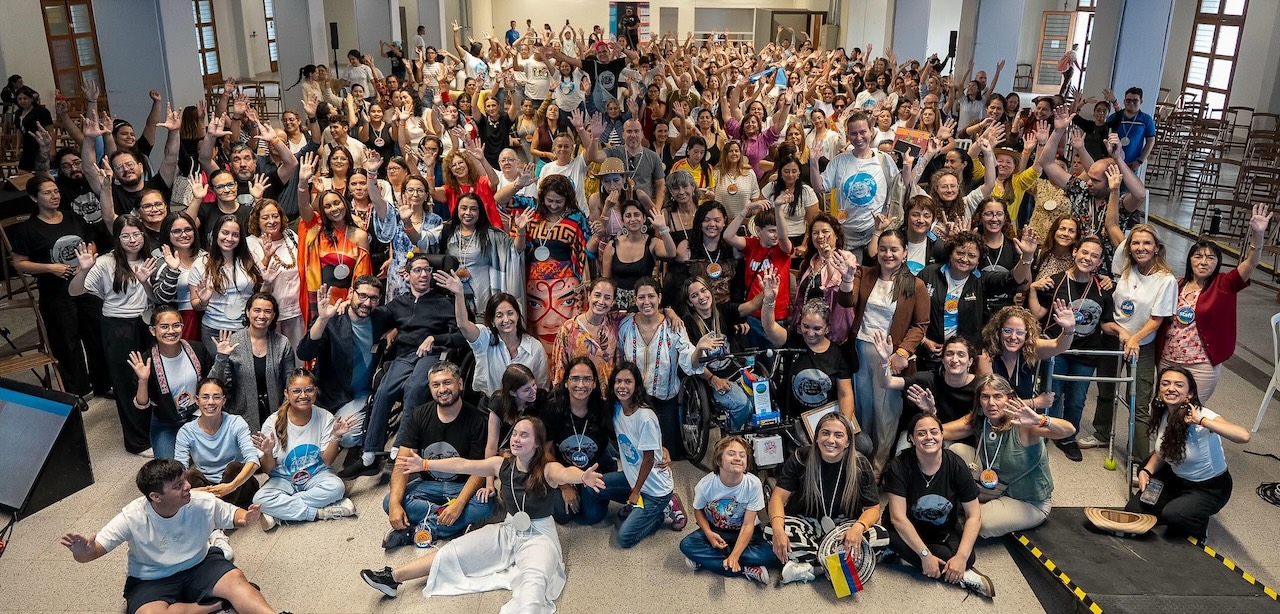
Teresa Racón:— Quererla es crearla is a movement that has its beginnings somewhat from a workshop which was held here, at the University of Malaga. In it, people from all over the Spanish landscape—teachers, students, education professionals, guidance counselors—gathered, and from there, we began to detect a series of needs that the school seemed to have. Transformations that were necessary to make it more inclusive.
Audio description [AD]: Several people enter the Faculty of Education Sciences building in Malaga.
Sign: Educating in equality.
[Music]
Audio description [AD]: The faculty lobby is shown, followed by Ignacio Calderón speaking to the camera in a green area.
Label: Ignacio Calderón, professor at the Faculty of Education Sciences of the UMA and member of 'Quererla es Crearla'.
Ignacio Calderón:— It emerges from several places. On one hand, from the social sphere, from the activism of many people who have been carrying out work for a long time, but also from the university, out of the desire to fundamentally transform how schools serve the entire population.
Audio description [AD]: A group of young people of various ages are talking in a natural setting. People are joining in.
Label: The 'Quererla es Crearla' project at the University of Malaga works towards an education system based on equity and inclusion.
Ignacio Calderón (v.o.):— So, in a way, there is a union between people's desires to transform those schools and the work being done at the university to support those people in developing discourses, building new practices, transforming policies, and so on.
Audio description [AD]: Diana Farzaneh speaks to the camera in a classroom at CEIP La Parra.
Label: Diana Farzaneh, Inclusive Pedagogy teacher at CEIP La Parra.
Diana Farzaneh:— Students who are in a situation of exclusion are the most vulnerable students, because they do not fit within that normative framework that we understand as 'normal', such as students who have a sexual orientation different from the majority, students who present cognitive peculiarities, physical peculiarities, peculiarities in the way they communicate...
For us, differences are not a problem, they are not a difficulty. We want girls and boys to be people who value differences as something wonderful and necessary, and not as a problem that a person feels in a different way than I do. That a person thinks, moves, or speaks differently than I do.
Audio description [AD]: The group of participants hugs and laughs as the camera focuses on each one of them.
Audio description [AD]: Carmen Moreno speaks to the camera in a green area.
Label: Carmen Moreno, member of 'Quererla es crearla'.
Carmen Moreno:—'Quererla es crearla' is a work that, above all, we believe is the foundation for an inclusive school. The main seed is for the entire educational community and all of society to understand and recognize the right to inclusive education. We must change our perspective and our culture.
Audio description [AD]: The group enters a classroom at CEIP La Parra and sits down. The documentary is projected Quererla es Crearla.
Label: The group works on advising and training schools so they can implement a more egalitarian model in the classrooms.
Audio description [AD]: Carmen Matés speaks to the camera in a classroom at CEIP La Parra.
Caption: Carmen Matés, principal of CEIP La Parra.
Carmen Matés:— We found ourselves in a position where, in order to work on inclusion, we needed to invite someone from outside who could help us. So, we called the University, spoke with Nacho Calderón, and he came to provide training to the teaching staff on how we could work in that inclusive school.
At first, we understand that the inclusive school seems almost magical, right? You do some training and it feels like you've got it. And you realize, from the moment you start, that it is the opposite. That it is a world where you have to keep working, day by day, and that when it comes to addressing any conflict, which is something natural in schools, the question is how we are going to address it, beyond learning. That is where we already have the need for how we can do it, right?
Audio description [AD]: Diana Farzaneh speaks to the camera in a classroom at CEIP La Parra.
Diana Farzaneh:— The structure we currently have in the education system does not allow us to build inclusion from the beginning, because the curriculum implies a difference. The curriculum, as it is currently organized, most teachers use textbooks, for example. Well, that already poses an enormous barrier for all girls and boys, not only for a more peculiar side, but also for the rest who are understanding that knowledge comes packaged in a book, that what that publisher marks is what must be known and the rest is not of interest. For example, that is contrary to cultural values, isn't it?
In our school there are girls and boys from different cultures and, nevertheless, the textbooks only speak of a very specific culture. Theirs are made invisible. If we understood that that is the curriculum, well, we would be making invisible and taking value away from their culture, the one they bring. From the knowledge that the girls and boys bring.
Audio description [AD]: Carmen Matés speaks to the camera in a classroom at CEIP La Parra.
Carmen Matés:— It is very difficult to provide mass education, isn't it? The same for everyone. Well, it is easy to provide, but it is not easy for it to reach all students because everyone learns in a different way, everyone has their own emotions, and everyone comes with a differently loaded backpack.
Therefore, responding to each and every student is where the demand on the teacher comes in. We need that training, that support, that constant reflection to which we teachers are sometimes not accustomed, in which we need to learn by listening to others.
Audio description [AD]: The documentary Quererla es crearla is screened in the classroom at CEIP La Parra. Opening scene: Collage. A boy smiles on top of a large fuchsia-colored cogwheel. In the foreground, an old typewriter with a note that reads "but we wanted love." On the left side, a document titled "Convention on the Rights of the Child (20.11.1989)."
Audio description [AD]: Next, images alluding to slavery and the anti-racist struggle follow. Among them, the faces of Martin Luther King, Nelson Mandela, Rosa Parks, a Black woman voting, and protesters appear.
Narrator (v.o.):— There was a time when the color of some human beings made them the property of others, a time when the law discriminated against and segregated them. But we wanted freedom.
[Music]
Audio description [AD]: Scenes of students participating in the filming of the documentary.
Caption 1. Involve the institution.
Label 2. It helps avoid prejudice and fosters dialogue between generations and groups.
Label 3: Students from the Faculty of Education Sciences have contributed to the project with a YouTube channel to offer educational content.
Label 4: Teresa Rascón, professor of Educational Sciences at the UMA and member of Quererla es Crearla.
Teresa Rascón (original voice):— The participation of the students here at the university in those tutorial videos has truly been very active from the beginning. Furthermore, it was work that I consider very enriching for them because they had a period in which they had to prepare the scripts. We, the tutors, reviewed them, and from there, they had to learn them, record them...
In other words, I believe that for them, at least the evaluation they made of that process was very positive. And the fact of seeing that this product, which is created here within the university, does not stay within those four walls, but rather goes out and is truly going to be useful, for training, for example...
Audio description [AD]: Teresa Rascón speaks to the camera in a green area.
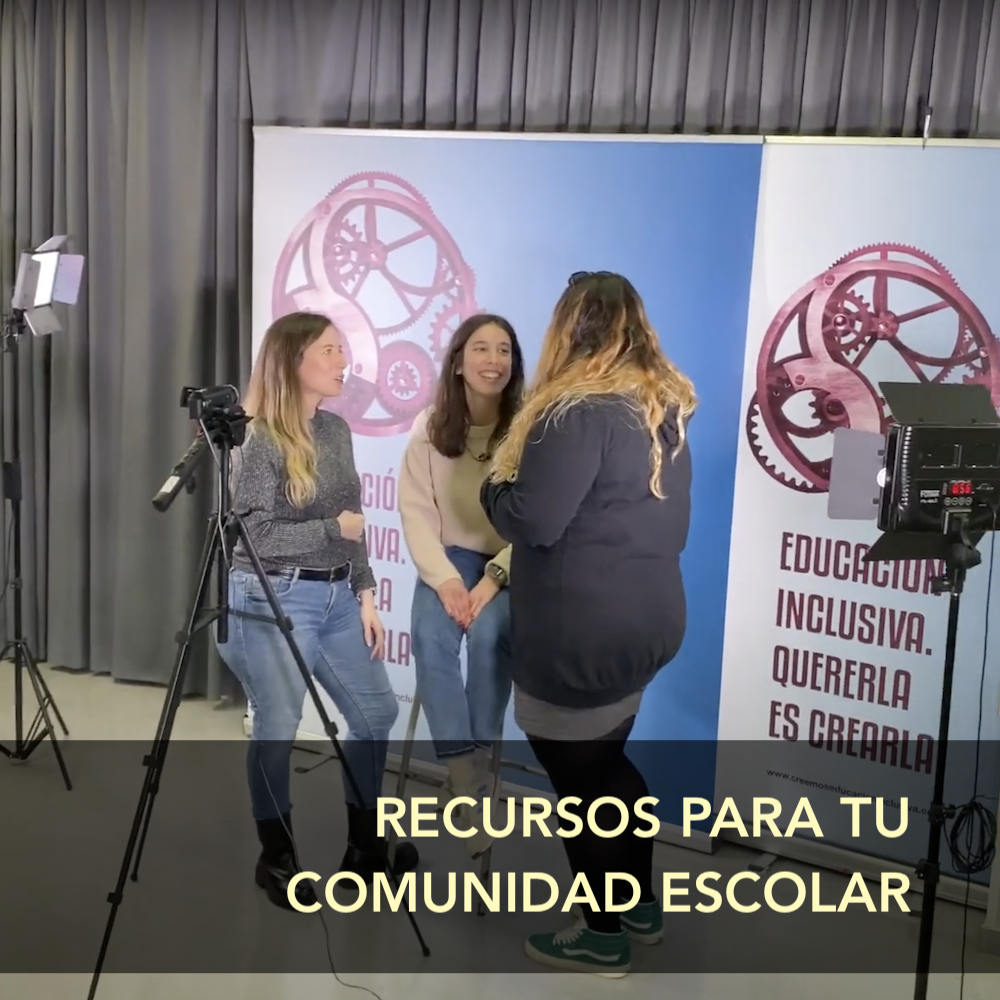
Teresa Rascón (v.o.):— For example, we are using it for teacher training courses. It is even available on the university's website. That is to say, any school that wants to can go to the website of www.creemoseducacioninclusiva.com and all the resources we have been creating are posted there.
Audio description [AD]: Teresa Rascón and Ignacio Calderón show materials and resources from Quererla es Crearla to the participating group in a classroom at CEIP La Parra.
Ignacio Calderón (v.o.):— A lot of creative narratives have sprouted from reality about how people can transform reality, the one that is causing them harm or that is very much in need of improvement. Well, that is where the guides that have been created emerge from.
Audio description [AD]: Ignacio Calderón speaks to the camera in a green area.
Ignacio Calderón:— Various guides have been developed: a guide for building public policies; a guide created by students for other students, so that they themselves can build their own schools. In other words, they do not have to wait for the teaching staff to do it, but rather they get to work on building those inclusive schools.
Audio description [AD]: Three young people browse through a magazine titled How to make schools inclusive, by La aventura de Aprender.
Ignacio Calderón:— There is a guide created by families on how to dissent in schools; a guide for guidance counselors to build guidance practices that are consistent with inclusion and human rights.
Audio description [AD]: Ignacio Calderón speaks to the camera in a green area.
Ignacio Calderón:— And, finally, there is another one so that schools themselves can build participatory action research processes, which is the other great methodology we have used.
Audio description [AD]: Official meeting between the Minister of Education, Pilar Alegría, and the Secretary of State for Education, Alejandro Tiana, and two young women, sitting in front of them. One of the young women is addressing them.
Young woman:—… they tried to expel him from school. And we have a friend, whose name is Rubén, who was indeed kicked out of school.
Audio description [AD]: In an outdoor space, two young people dance in the background and a third young person, in a wheelchair, remains near a table in the foreground. Next, a young person with a backpack walks through a square with restaurant tables.
Label: The documentary Quererla es crearla, directed by Cecilia Barriga and featuring the participation of the collective, was screened at the Reina Sofía Museum in Madrid.
Audio description [AD]: Ignacio Calderón speaks to the camera in a green area.
Ignacio Calderón:— The documentary 'Quererla es crearla' is a film directed by Cecilia Barriga, a Chilean filmmaker with an extensive career, and it emerges from a story: the story of Rubén Calleja and his family in the fight for his right to inclusive education, which had been violated and which, recently, was recognized by the UN as a violation by the Spanish State of a fundamental human right of a child.
Audio description [AD]: Antón Fontao, in a scene from the documentary, speaking to the camera alongside another person.
Ignacio Calderón:— Starting from there, from that story, the documentary acts as a mirror for the entire research process that was initiated, which has a biographical component in Rubén's story, but also in the stories of other families who share what has been happening to them in schools, what is not working...
Audio description [AD]: Raúl Aguirre in front of a young woman who communicates with gestures. Next, Indira with an adult and a young person who are paying attention to her and smiling. Behind Indira, in a natural setting, a young woman blows soap bubbles next to an adult who appears to be smiling.
Audio description [AD]: Three young people sitting on a stone bench. All three are looking at the camera. Malena Calderón, a participant in the documentary Quererla es Crearla, is sitting in the center. To her left, Alberto Sánchez, also a participant.
Malena Calderón:— Filming this documentary has been quite good, because we have made many friends in Spain, we have been able to speak with the Minister of Education to fix things in schools, or at least try to.
Audio description [AD]: Four young participants of the documentary talking animatedly. Among them are Rubén Calleja, Antón Fontao, and Malena Calderón. The setting is an outdoor space with stone walls. Next, two young people sitting on natural ground. One of them is painting or reading on a tablet. The other appears to be playing with the dirt.
Malena Calderón:— We have conveyed to him that everyone needs to be included in schools and that many children feel excluded because they are not in mainstream classrooms.
Alberto Sánchez:— It has been a great experience because it has contributed quite a lot to me, including knowing that, even if it seems like you are alone, you are not, because there are people going through the same thing as you. And, well, it has helped me both to support and to lean on the people who have participated in this.
Audio description [AD]: The group participating in the CEIP La Parra training session gathers in a circle in a natural setting or park. They are talking and exchanging ideas.
Alberto Sánchez:— With the documentary, what we want to ask for is that everyone must be included, without dividing them by knowledge, abilities, or anything else. That the minds and hearts of teachers and students, etc., be opened. Everyone, really.
Audio description [AD]: The group enters the school and walks through its natural spaces to head to the classroom. Behind them, a blue bus.
[Music]
Audio description [AD]: Carmen Moreno speaks to the camera.
Carmen Moreno:— All the work being developed in 'Quererla es crearla', such as the documentary or the various guides and tools that have been created, is a window open to society so that those who feel identified or want to start working in their schools for an inclusive school have materials available. They can transform those schools.
Audio description [AD]: Several people in the group stop and explore a natural environment with cacti.
Audio description [AD]: Teresa Rascón speaks to the camera in a green area.
Teresa Rascón (original version):— We continue to encounter certain resistance within the school institution that prevents certain actions from being shared, rather than remaining within the confines of a single classroom or a single teacher. So that a student's fate is not in the hands of one teacher, but is the responsibility of the entire school.
Audio description [AD]: Teresa Rascón speaks with one of the members of Quererla es crearla.
Audio description [AD]: Four members talk to each other in a natural setting with cacti.
Audio description [AD]: Malena Calderón talks with another member in a natural setting.
Audio description [AD]: Ignacio Calderón speaks with a young member in a natural setting.
Audio description [AD]: Diana Farzaneh speaks with a member in a natural setting.
Teresa Rascón (original version):— More social awareness is needed. We have worked with families who already had a history of activism, and we must raise awareness in other areas of society that do not have that background.
Audio description [AD]: Diana Farzaneh speaks to the camera in a classroom at CEIP La Parra.
Diana Farzaneh:— We need to build a community where people need each other, help each other, love each other… just as they are. And this cannot be done by just one group; we all have to be together: the teaching staff, the students, the associations, the city council must all be involved. It is something we all have to do, fundamentally believing that it is possible. Here, utopia… We need to recover utopias. We need to believe that it is possible in this catastrophic world, where it seems there is nothing left to do. The world is destroying itself, self-destructing, and we cannot do anything.
Audio description [AD]: Raúl Aguirre takes photos in a natural setting. He looks at the camera.
Audio description [AD]:A group of young people looks out from a balcony, observing the surroundings and the cars driving by. Among them is Antón Fontao.
Diana Farzaneh:— We need to regain the awareness that it is possible, because we are the ones who build the reality we have, and we can improve it. And Quererla es crearla.
[Music]
Audio description [AD]: The group of people who are part of Quererla es Crearla share laughter, complicity, and hugs in an open environment.
Credits:
Script by Juanjo Zayas.
Editing by José Antonio Galiano
Image by Macarena Texeira.
Audio description [AD]: Program intro The time has come, directed by Roberto López. Presentation of the ‘Students for Inclusion’ project.
(Music)
ROBERTO LÓPEZ - R.L.:— The time has come. Today is Thursday, the 23rd, and on Thursdays, we dedicate a space in this television segment to talk about university. And today, I am joined by three researchers, three friends who are going to tell us about a project that is very, very interesting.
To my right, Luz del Valle, who is a researcher in the Department of Theory and History of Education and M.I.D.E. Hello, Luz, how are you?
LUZ MOJTAR - L.M.:— Hello, I'm fine, and you?
R.L.:— Fine, thanks. What exactly is M.I.D.E.?
L.M.:— Research and Diagnostic Methods in Education.
R.L.:— My goodness, so many things. Thank you, Luz, for being with us. Also joining us, to my left, is María Teresa Rascón. She is a tenured professor in the Department of Theory and History of Education and also M.I.D.E.
TERESA RASCÓN - T.R.:— Good morning.
R.L.:— We already know about M.I.D.E. How are you?
T.R.:— Fine, and you?
R.L.:— Fine, thanks. How are classes going, is everything okay?
T.R.:— Everything is fine for now. We have good students, we cannot complain. There is a future and there is hope.
R.L.:— Yes, we already know, we know. We are also joined by Ignacio Calderón, who is a tenured professor in the Department of Theory and History of Education, and also M.I.D.E. Nacho, how are you doing?
NACHO CALDERÓN - N.C.:— Very well, we are repeating ourselves. All colleagues from the same department.
R.L.:— Of course, because in the end you are all working on the same project.
N.C.:— Yes, we all work on the same project. There are people from other departments and other faculties, but yes, we, those of us representing the project today, are all from the same department.
R.L.:— A very comprehensive project, Luz, because we are going to share that students, professionals, families, and researchers have come together to analyze an issue that matters a lot to us: inclusion in education, in schools.
L.M.:— Exactly.
R.L.:— That is, in essence, a bit of the objective of your work.
L.M.:— Yes, all together, all rowing in the same direction, so that education is inclusive, equal for everyone.
R.L.:— Let everyone understand: there is room for everyone in the classroom. Pay attention, because your project, and I believe you are one of the driving forces behind it, has won a global award for the "Estudiantes por la inclusión" project.
L.M.:— “Students for Inclusion” is part of a larger project that, from the university, is an “emerging narrative,” but which is ‘Quererla es crearla’. That group of people you were talking about at the beginning.
R.L.:— An initiative that has received the World Down Syndrome Award 2023, an award for your study, not for your work. How has it been received by the team?
L.M.:— Well, with great joy, we are super proud. I believe images of the students who have received the award are being shown. Just imagine, we are super proud of them, of the work they have done, and of us, as the professional team that accompanies them and makes this possible.
R.L.:— Nacho, tell me, what does this award-winning project consist of, please?
N.C.:— Well, the award-winning project is called “Estudiantes por la inclusión” and it is a very diverse group of students that we brought together a few years ago to create a guide that the Ministry had commissioned us to do. The guide is a student guide, built by those students, who worked over more than a year of periodic meetings in which they helped other students make their schools more inclusive. In other words, it is the students themselves who take the lead and decide to reach out, let's say, to make schools more inclusive rather than waiting for teachers or families to do it.
And from that beginning, which was creating a guide, these students have gone on to train teachers, give a lot of lectures, and participate in a documentary. In short.
R.L.:— The students themselves?
N.C.:— Students themselves training teachers. Yes, yes.
R.L.:— Students, furthermore, with diversity. In other words, very different people.
T.R.:— We all have a very, very diverse group. Students with disabilities, with different sexual identities, of different genders, with very different academic performance, race, ethnicity..., in short, it is a very, very diverse group, but they have fit in perfectly. That is to say, within the group, there is never any talk of those categories.
R.L.:— Yes, that's great. They are all students, together, chatting. Because I read that they talked about their experiences regarding the issue of inclusion, even sharing their life stories. That is where a kind of laboratory of ideas begins. They start talking, reaching conclusions, and they are the ones who are then re-educating others.
L.M.:— Yes, it is very curious, the group is made up of people who did not know each other. Beforehand, they did not know each other; some had very sporadic contact because there were two mothers who knew each other, but the group was made up of strangers and was very, very diverse, as my colleague says. But, upon sharing their experience and making it known to the others, they realized that they had many things in common, that they shared similar experiences. And a group has been created that are friends.
R.L.:— How old are these boys and girls?
L.M.:— The youngest was 14 years old, who is now 15. But from about 14 years old, in secondary school, up to 20.
R.L.:— And you bring this group together, and what is it that you do? I suppose you provide guidance, support, and also draw conclusions, right?
N.C.:— Well, the project, both with students and with other groups, such as families or professionals, provides theoretical and scientific support to the knowledge of those people which, to a large extent, is not yet highly valued in schools. And we know that it is precisely through the recognition of that knowledge, of the value of that knowledge, that schools can progress to become more inclusive, so that everyone can fit within them.
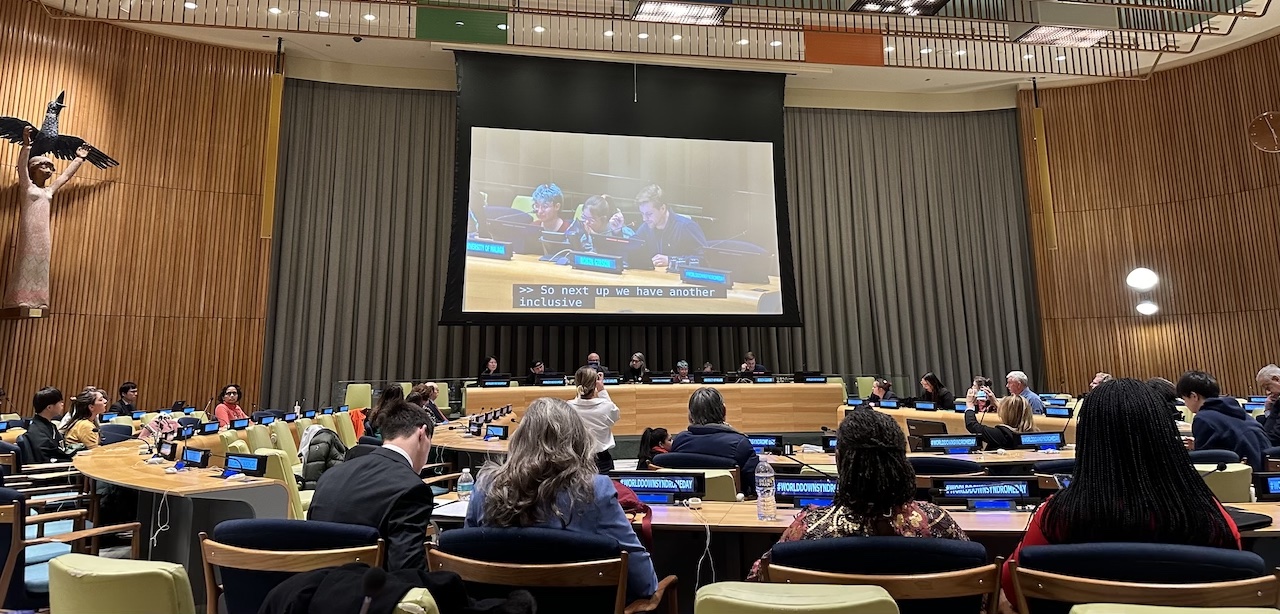
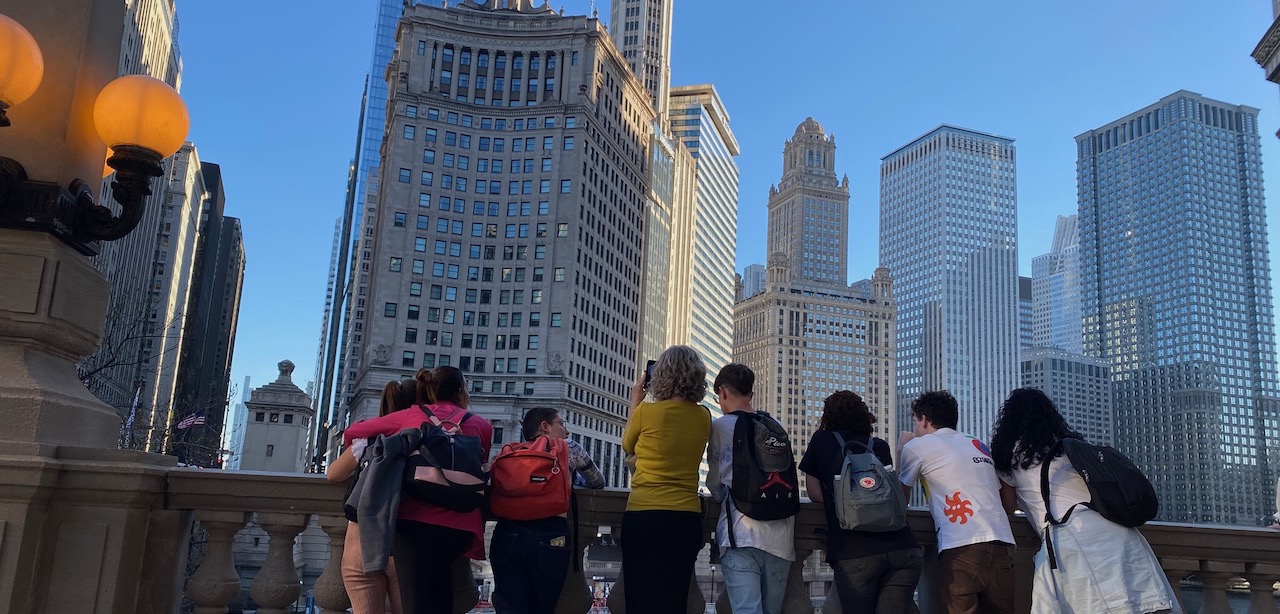
What we do is facilitate it happening and provide scientific support for that work, which they are doing and building: a citizen science, which children and families are doing, and which is neither naive nor useless. In fact, in the images you can see another previous international award they received from the largest scientific association in the world. They received it in Chicago at the beginning of the year.
R.L.:— How great. We are seeing images of the group of boys and girls that you have formed. Those 16 students with great internal diversity, who address their experiences and tell their life stories. Who reach conclusions and present all of this at conferences, workshops, in the media, and on social networks.
T.R.:— At the Ministry, they are also training teachers, providing teacher training courses.
R.L.:— Oh my goodness.
L.M.:— On Monday, in fact, they have one in Galicia
R.L.:— I would love to talk to them. I don't know if we could do that someday.
L.M.:— Whenever you like.
R.L.:— How interesting. You know, we have been talking to departments and researchers for years and years, and I am not sure if anything similar had been done. At least in the Andalusian context, right? I don't know.
L.M.:— We have no record of what you are saying regarding the Andalusian environment. It is true, however, that outside of Spain, we know of students. These images that were released were from a conference in Chicago where there were other student groups. They awarded 10 student groups from all over the world, but regarding groups nearby, we also have no record of any similar movement.
R.L.:— And that is why you have received, or they have received, the World Down Syndrome Award, but, of course, what must be made clear is that it is not only about Down syndrome, but that it addresses any issue that has to do with any one of us.
T.R.:— Exactly. On this occasion, that was the reason for the award, but, as Nacho rightly said, last year they won another one for inclusive education. That is to say, here in the group, as I was telling you, there is no room for those labels. At all times, it is a group of young activists who are fighting to transform education and turn it into an inclusive education.
R.L.:— That is what I am getting at, and I am opening the debate. Can education really be, and should it really be, inclusive? Please, enlighten me.
N.C.:— It can and must, because it is morally necessary and it has to be because it is legally mandatory. In reality, there is still an entire debate, unfortunately, that of Yes or No to inclusive education, but that debate should already be transcended because there is a wealth of international scientific evidence from the last few decades that says that inclusive education is not only morally better. It is a legal and moral mandate that we educators have and, furthermore, it is scientifically more effective than segregated education. So that debate should actually disappear.
It has to be inclusive. Now, the question will be how we do it. There is certainly a lot to talk about and debate there.
R.L.:— Ah, of course. I am a father of girls who have gone to school, and sometimes we have met other moms and dads who, at the school gate, make comments like 'we all know that this child shouldn't be in the class because they hold back the growth and education of the rest of the group.' And yet, you say, 'no, it is quite the opposite.'
T.R.:— We say it, and international scientific evidence says it. That is to say, all scientific studies are indicating that there is no evidence that having diverse children in the classroom affects academic performance or, logically, social development; rather, it is quite the opposite.
R.L.:— And how we do it.
N.C.:— That is the debate. I was thinking, while Teresa was speaking, that we know that inclusive societies do not happen unless we socialize together and learn together. That is to say, talking about inclusive societies without
schools being truly inclusive is not going to happen, it does not happen. Do we expect that to happen through the mediation of companies? What is the space where children can learn to recognize the value of another person without it being a value mediated by economic factors? There is no better space than school.
R.L.:— Besides, children, in that regard, it's like they have it perfectly clear. Right, Luz? What is in your class? Classmates. They don't wonder if one is of a certain color, if another has... No, they come with that as standard. It is us, later on, who get confused.
L.M.:— There is no doubt. Indira is the girl in pink who appears in the images. I have a young daughter. When they celebrated Down Syndrome Day, my daughter said in class that she didn't know anyone with Down syndrome, and she knows Indira perfectly well because she has slept at my house. So, where is the difference? Indira is just another girl. Indira is Indira. Where are the differences? The ones we others impose, because things have to be named, but in daily life, it works better, and it is proven.
R.L.:— I insist on the question, how do we do it? What conclusion do we draw? So that those of us here and those at home watching TV today, for this little while, ask themselves: what can I do to make schools more inclusive? And, therefore, our society.
N.C.:— We have examples of schools that are moving forward to become more inclusive. One cannot say "this school is inclusive" in the same way that we cannot say "this school is as fair as it could possibly be." We can always be fairer, we can always be more inclusive, but there are schools that are making progress, and those advances stem, fundamentally, from placing dialogue and participation at the forefront. That is to say, that everyone can speak and can understand what is happening in the school and can decide how to transform it.
Here, in Malaga, we have a school that has been moving forward. One from which we have also been learning, which has been advancing a great deal in its process of becoming more inclusive. And now we intend to launch a
network of schools as well, learning from that one, from a guide that has come out of that school. That school has been developing a process called
“Participatory Action Research.” In it, people analyze in order to transform things, and they do so through participation. This process has been documented in a guide that helps other schools develop their own processes to become more inclusive.
R.L.:— How wonderful, truly. On this program, we have time for the university, but we always dedicate some time each week to talk about Education. We talk about the children, the teachers, the educational community, and I find everything you are proposing very interesting.
To wrap up, what are the next steps for the project you have? This is just one part of what we have discussed. You will have to come back to talk about everything else.
T.R.:— As we were telling you, this project was completed, but we have been fortunate enough to have the Ministry renew it for us, so the idea now is to continue working and even give a more international focus to this work we are doing with families, professionals, and students.
We want to cross borders. In fact, we are establishing contacts with schools in Latin America, because the idea is for this to become—as UNESCO once established for the 2030 Agenda in fulfilling the goal of inclusive education—a way to continue working and, above all, involving schools that truly believe in this project.
You asked Nacho, how can we do it? We can do it by putting families, teachers, and students to work. By informing about the successful practices that are also taking place in other schools. With participation, with dialogue.
R.L.:— Inclusive schools, a better future, which is what it is all about in the end. Thank you very much for coming and for telling us about this project. I found it extremely interesting and I hope you at home found it interesting as well.
Ignacio Calderón, associate professor in the Department of Theory and History of
Education, thank you for being with us.
Thank you, Luz del Valle Mojtar, researcher at the Department of Theory and History of Education.
Thank you, María Teresa Rascón, tenured professor at the Department of Theory and History of Education.
In unison:— Thank you very much.
R.L.:— Thank you. Let's stay in touch; I would love to continue talking about this topic.
L.M.:— When you want to talk to the students, we will bring him to you.
R.L.:— That is done. Now, on the way out, we will talk. You speak with the production team, we will find a time. Thank you to everyone for the time at the university, our most intellectual section.
Audio description [AD]: Program intro 7 TV Rota, directed by Paco Campaña.
(Music)
PACO CAMPAÑA - P.C.:— ‘Quererla es crearla’ is part of an entity that has been set in motion to fight for a world of equals. If life is already very complicated for everyone, imagine when we talk, for example, about situations of disability, functional diversity, and the educational collective or environment. We are going to talk about all of that in the next few minutes. Surely, there will be families watching us now who are not directly affected, but we never know what situation we might find ourselves in. In any case, it must be an issue for us all to look at, because creating an equal world is a matter for everyone. We must all contribute our grain of sand.
Mercedes Bernal, representative of the ‘Quererla es Crearla’ platform, welcome back.
MERCEDES BERNAL - M.B.:— Thank you so much for the opportunity to raise a little awareness.
P.C.:— It is extremely important that we talk about life because it is complicated. Tomorrow we will talk about housing, just imagine. Life is very complicated, but there are situations that are even more complicated. If it is difficult for someone who has not faced a specific issue, imagine when we talk about situations where we start from a certain vulnerability due to physical, mental, or any other reasons. It is worth us all pitching in.
M.B.:— Exactly. The 'Quererla es crearla' platform is here to drive a social movement to respond to that great challenge that we as a society and as humanity face today: inclusive education. We are a movement made up of families, students, and professionals who share a common goal: that schools do not leave anyone out due to any characteristic of gender or ability. That everyone is allowed to access learning and, above all, to coexistence and real participation.
P.C.:— The name ‘Quererla es Crearla’, what is it?
M.B.:— The word is very significant because we must have the conviction that we need to transform it, and to transform it we need to want to. Hence, to want it is to create it. If we want it, we will create it.
P.C.:— If we want to, we can.
M.B.:— That's it.
P.C.:— In short, it is a recently created entity. Is it local or does it have a regional scope?
M.B.:— It is national, but people are joining from Latin America and other parts of the world. It is a global movement. It is made up of a great many people.
P.C.:— In Rota, it continues to take its first steps.
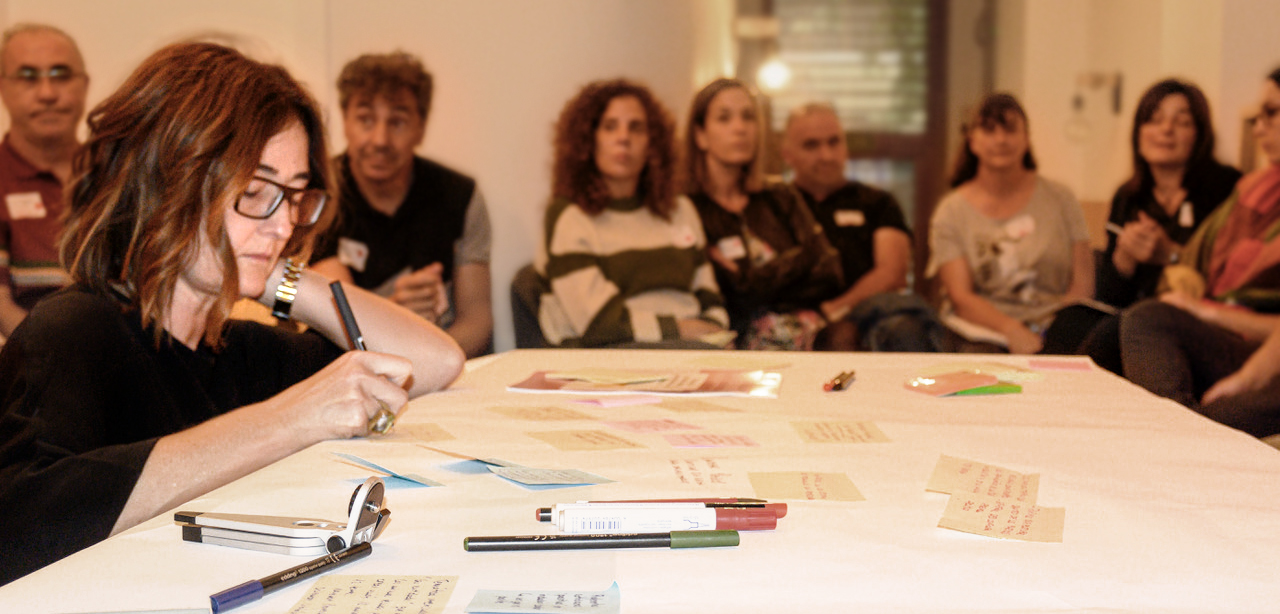
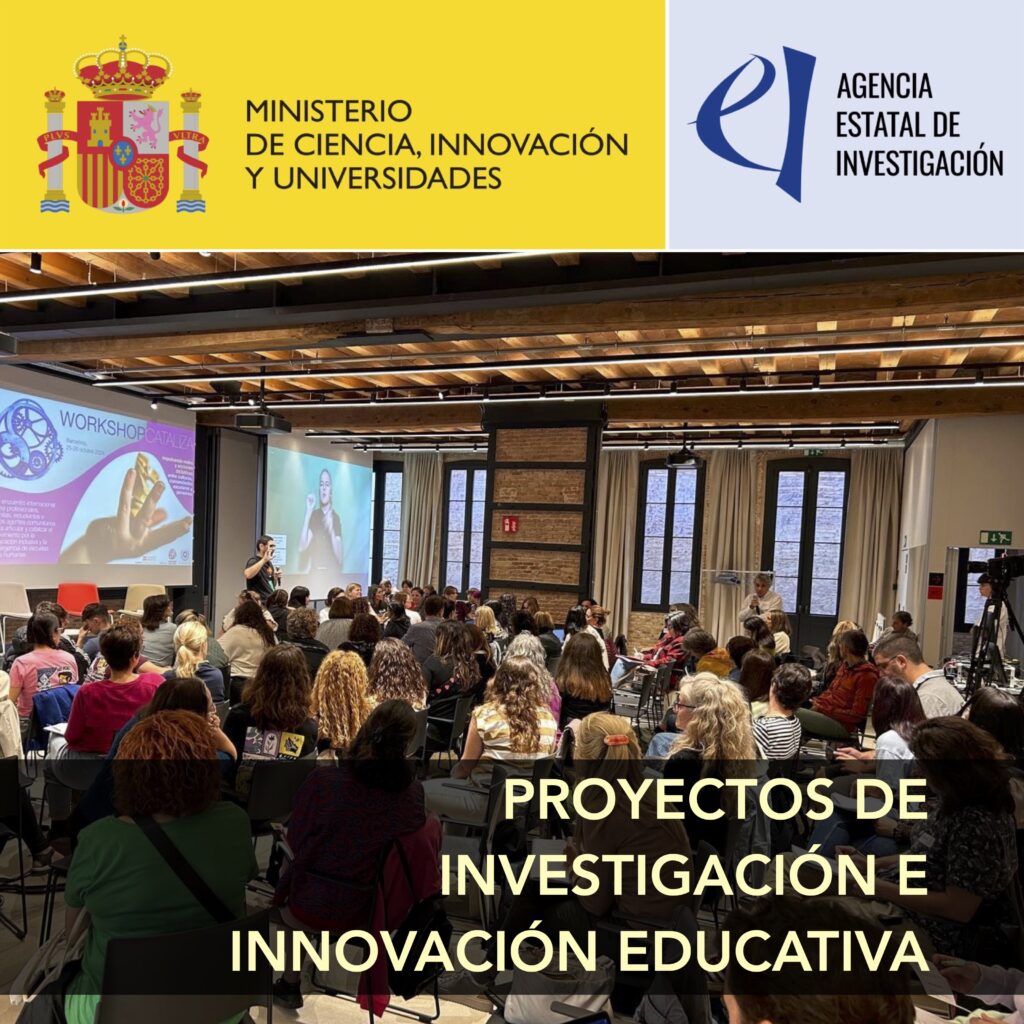
M.B.:— Yes. In Rota, we had the opportunity to make a documentary, the documentary screening. Let me tell you a little bit about the beginning. The platform originated from a meeting that took place in Malaga in 2018, during a workshop. This workshop was based on a research project conducted by the University of Malaga. Families, students, and professionals from all over Spain gathered there. The goal was to analyze the current situation of schools and make a diagnosis. From there, a mechanism was set in motion, and support networks were created. In 2020, online meetings continued to be held because we were in the middle of the pandemic. In 2022, another workshop was held in Madrid. We met again there, and working groups were created. There is a group of guidance counselors, creators of a very interesting and necessary guide, who present another alternative for the work of guidance in schools.
It is the primary starting point for segregation. There are others from families on how to dissent and seek support from the rest of society. And there is another guide, which I believe is the most relevant, that students have created for other students. It is curious because, normally, when we think about the teaching-learning process, it is not always stated what a school where children are the protagonists should be like. Decisions are always made on their behalf, and above all, on behalf of those children in more vulnerable situations, who have historically always been silenced. Now, for the first time, they are finding their voice, because they are attending conferences, they are present at congresses, forums, and wherever education is discussed. Obviously, we must count on the protagonists, who are the students themselves, and who better than them to bear witness to their experiences, to how they have lived through the situation at school, and to the harm that the school has caused them. They have the tools for us to learn what it is that we need to change. That is why they are the protagonists of the documentary that was presented here, in Rota. We did not have a screening, but the premiere was in Madrid in 2022.
It premiered there alongside the Minister of Education, Pilar Alegría. The documentary stems from the story of Rubén Calleja, a child with Down syndrome who was expelled from mainstream school. It recounts the titanic struggle of Alejandro and his entire family to fight and prove in court that their son's right to inclusive education was being violated. It also tells the stories of other students and their families. The documentary is very interesting. Here, in Rota, it was organized by the city council. The important thing about this documentary is that it is not just a viewing of testimonies, which is good because it makes us question situations and preconceptions that we do not realize we support, thereby segregating.
But it also helps us to reflect together on what we can do to transform the current reality of schools.
P.C.:— What are the barriers that a child with a disability faces? What are the problems, and what can we do to make that inclusion more real? You mentioned that this has reached the courts. The law must have limits within which it operates. What are the main problems encountered?
M.B.:— It is interesting that we talk a little about that legal framework, as you say, because the problem is that the law is not being made effective. If we talk about inclusive education, we must take into account that it is a fundamental right enshrined in the 1989 Convention on the Rights of the Child. Often, it seems that we talk about inclusion as if it were a trend; it is used for everything. It is true that the use of the word 'inclusion' has been somewhat distorted; its content has been emptied.
That is why it is interesting to see that this has been a global and worldwide concern for many years. One of the most relevant frameworks for action was the Salamanca Statement; I am talking about 1994. It already spoke of inclusion. Hundreds of countries and international organizations stood up to examine what schools really need. What change is needed so that it is for everyone, without any exception? Other international bodies focused on specific groups. In this case, for example, we have the United Nations Convention on the Rights of Persons with Disabilities. It mandates that all countries comply with this inclusive education. It obliges them to provide all the necessary adjustments and supports to make it effective. Spain ratified it in 2008. This is very important because, in terms of human rights, the Constitution itself states that everything ratified in Spain directly becomes part of our legal system. Therefore, we are talking about the fact that inclusion is not something optional or subject to debate or opinion. It is mandatory.
P.C.:— Mercedes, you mentioned earlier, for example, Down syndrome. Does a little boy or girl with Down syndrome have to go to a special school or a mainstream school with children who do not have Down syndrome? What does that legal framework say?
M.B.:— The legal framework clearly states that everyone, without exception, must be together. The State must provide all the resources and conditions to make that possible. We must start from a very important idea: we are all equal in rights, but also in dignity and in allowing each person to be who they are. This is one of the things that is not being developed in schools, where there is discrimination and segregation based on different characteristics, as you say. Evidently, this is because a medical model exists in schools, when they should be spaces for learning and coexistence. We have a vision that focuses on the child, a therapeutic approach with the goal of fixing them. It is thought that learning difficulties will be alleviated by labeling the child with special educational needs.
P.C.:— In fact, there are special schools sponsored by the Administration and the Regional Government of Andalusia with their full blessing. I know some of them. Is that by choice or by obligation?
M.B.:— There has been a lot of debate and deception surrounding that idea. It has been thought that families must be able to choose. Of course, if you make me choose a school where there are no resources and where, in reality, they are not going to provide my child with what they need to access learning, I will obviously take the option that ensures they will be cared for. But the child's rights are not being respected. A family's free choice cannot be above the child's right to be present, participate, and grow alongside everyone else. It cannot be above their right to coexistence.
P.C.:— I have no doubt. Put yourself in the following situation: there is a little boy with Down syndrome who goes to a class where the teacher has to be prepared in a way that, I understand, is a bit special to be able to attend to the child with special needs. Later I will also ask you about his classmates, who I am sure, as children, will take it more naturally, if that is even possible. There will be more responsibility on the teacher regarding their work of learning and personal enrichment. After all, we are talking about educating. But I put myself in the teacher's shoes, who has to educate 23 children without Down syndrome and this boy who, as you rightly say, deserves an inclusive space. For the teacher, it won't be easy, will it?
M.B.:— Of course, it is not easy. It is not just a matter of 'come on, let's provide resources and that's it.' Inclusion is not automatic; it is not enough to simply implement measures or resources. We also need a transformation—of our perspective, of our prejudices, and of what we have always understood by relating to persons with disabilities. Of course, training is necessary, but so is the will and that sense of humanity, as I said before, to respect their dignity. It is not about trying to make everyone fit into the same path, because that does not provide equal opportunities for all children.
P.C.:— Where are we now? We have gone from those 'sickly' children being hidden in their homes to a very different scenario, you know that better than I do. Have we achieved a world that is much closer and belongs to everyone, where we do not look at a child in a strange way? Are we gradually becoming more human in this blessed society? At what point do you consider, as someone who experiences it on the ground, that we find ourselves?
M.B.:— As I say, the laws are the problem. It is what we always encounter. Regarding those social barriers, as you were saying, there is a lack of training. Unfortunately, we continue to see headlines in the news about the 'typical' mother who needs resources and has to go begging every year. We must keep in mind, as the researcher and pedagogue Francesco Tonucci says, that when we think about an inclusive school, it seems we are thinking of a generous school, in the sense that it will depend on good will and the favors granted to a child. And nothing could be further from the truth. As we have made clear, relying on a legal context, we are talking about rights. And the child's right is to be there. But it is not as you say: «progress has been made, because the law exists and the children are participating». Right now, what is happening is integration, which is not the same as inclusion. They must not be confused.
What we need is not for the child to simply be present or participate in some collective activities. It is about the child truly feeling involved and engaged, being part of what happens in the classroom, in the day-to-day, and being taken into account. And for this, the only way is to reinforce the child's own identity. That the person, the resources, and how we do things are valued. It is something we have to consider ourselves, as I said before. The medical model focuses on the child, considering that they need to be repaired. All specific programs and resources are applied to the child in an individual way, when things fail because, evidently, we insist on adapting the child. We insist that they must enter through the same path that everyone else enters. And that is when it 'fails'.
There are limitations. In reality, we are not focusing on the environment, the context, the barriers, the methodological strategy, or the resources. We often talk about a "lack of resources," but perhaps we are using resources poorly and they are not efficient. We cannot always hide behind the excuse that there is no inclusion due to a lack of resources, because, as I said before, inclusion is a global transformative process. It is not based solely on resources, but on many things we can act upon. We can generate that transformation.
P.C.:— To have active participation.
M.B.:— That's it.
P.C.:— And in Rota, how are we doing? Because in Rota there are four or six schools, and there must be a number of children who have that need because they are in a special situation. How are we doing in Rota? Are we responding or not?
P.C.:— I believe that throughout Spain there are schools where there is suffering. The moment a child suffers in a classroom, we are already doing it wrong. It is something that I think should concern us because, we insist again, there are not many involved professionals who want change and transformation. But, often, they also find themselves tied by the Administration itself, which sends contradictory messages. On one hand, inclusion as a principle, when it is actually not a principle, but a right that must be fulfilled. Above all, we need more support and awareness that, as you said at the beginning, this is not about the struggle of a specific group; it is something that must concern us as a society. The situation of disability can come to your door at any moment or not, but we have to fight to ensure that certain needs are covered.
We need to change society's perspective. Not to perceive people in a way that equates differences with inferiority. Something that unfortunately happens. Thinking this way, the responses provided will always be segregating and discriminatory. That is not what we intend. We are fighting for the inclusive school. If we manage to make that space inclusive, we will ensure that, in all areas, society has a space for the inclusion and real participation of everyone. Without there being groups of people forced to do things separately that we can all do together. We can all enrich ourselves together.
Anyway. There is a lot of work to do. Above all, regarding awareness, because we have inherited the social barrier of an ableist culture. Just as we all fight together to eradicate sexism, women and men hand in hand, because women have been discriminated against for so many years, the same happens with ableism. The inclusion process takes many years. You asked: "How is Rota going?" Well, very slowly, the lives of many children are left by the wayside. Many families have to find themselves in court and wasting a lot of time, as happened to Alejandro Calleja. It is true that, in the end, the UN and the Spanish Justice system have proven him right, but there is economic, emotional, and, above all, as Alejandro says, time-related exhaustion. "All the time my son has lost, who will give it back to him?" That is the harsh reality.
P.C.:— How many people in Rota are part of ‘Quererla es crearla’? How many volunteers are there already?
M.B.:— Right now, I am the only active member, although there are people who, evidently, share that philosophy and provide support. We are working on it.
P.C.:— Making it visible and doing what is possible. That is the intention and, as we were saying before, not just because it might affect us one day. For example, we shouldn't talk about cancer only because it affects us or has affected our family, but because as a concept of society, we should be like that.
Mercedes, thank you so much. Good luck. You have a window here to explain yourselves whenever you deem it appropriate.
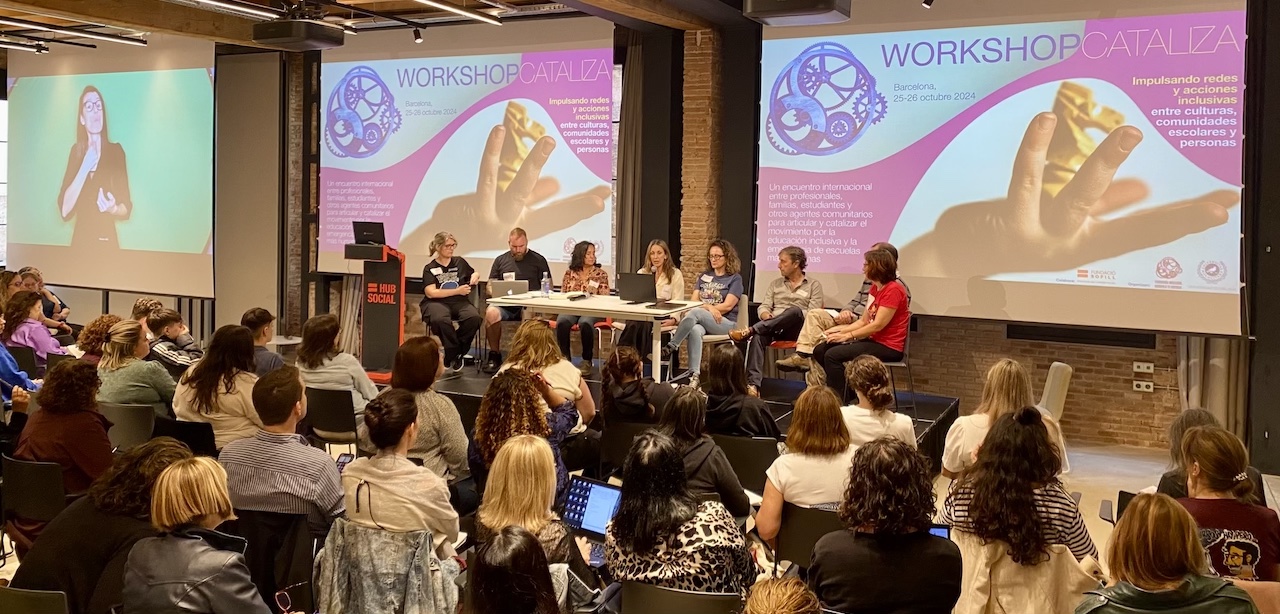
M.B.:— One more thing. Next week we have a two-day workshop in Barcelona. It will be very intense. It won't just be a conference where specialists give guidelines, talk about education or inclusion. It will be a collaborative effort where teams will be created to work and take what is generated back to our regions and places to start raising awareness and making things visible. Let's get our act together; we must act and provoke change.
P.C.:— Perfect, if you like, let's have a video call next week. We'll put it in our calendars and you can tell us all about it. Thank you so much and good luck.
M.B.:— Thank you so much.