An international meeting of committed citizens to build a common roadmap
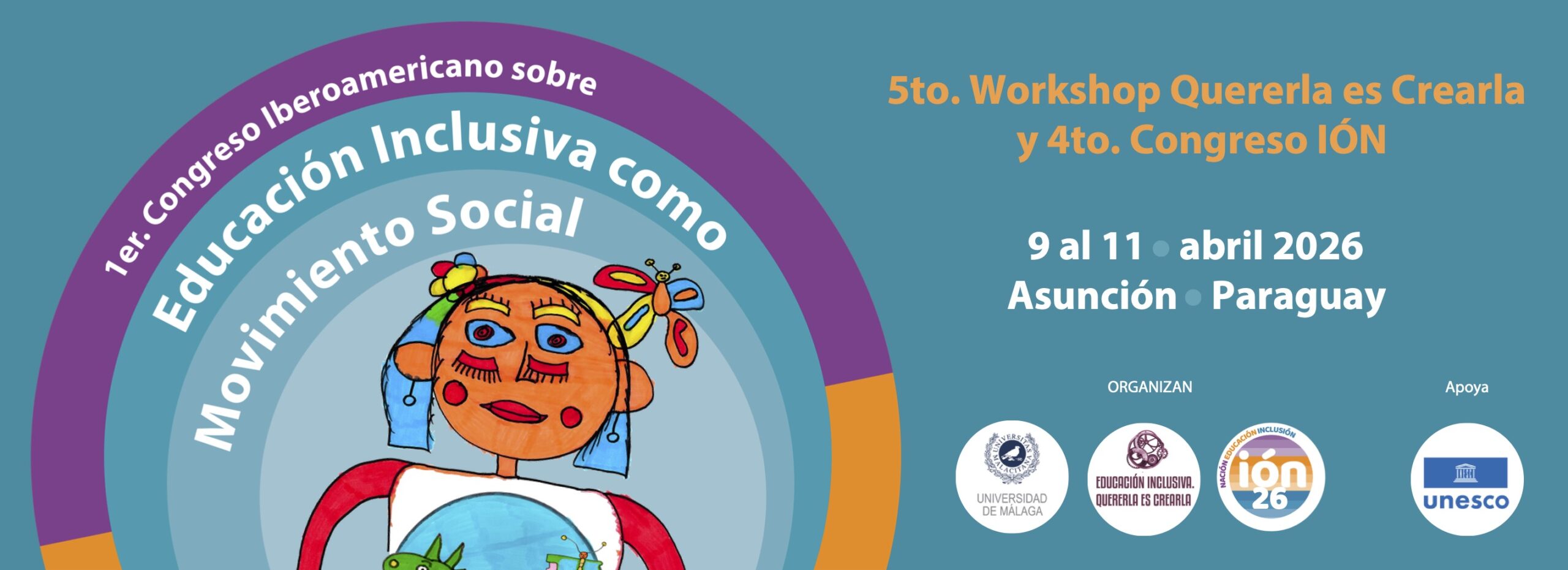
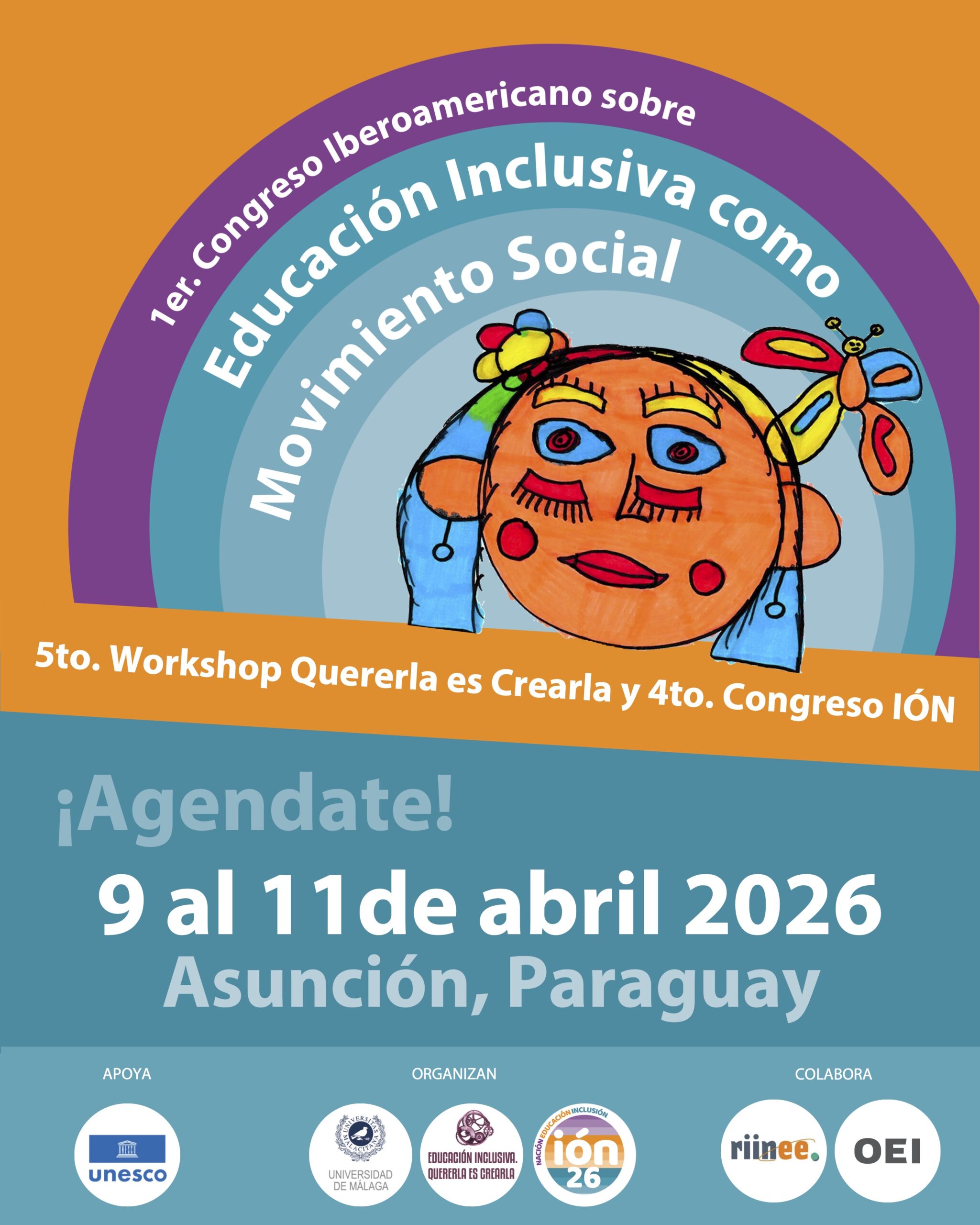
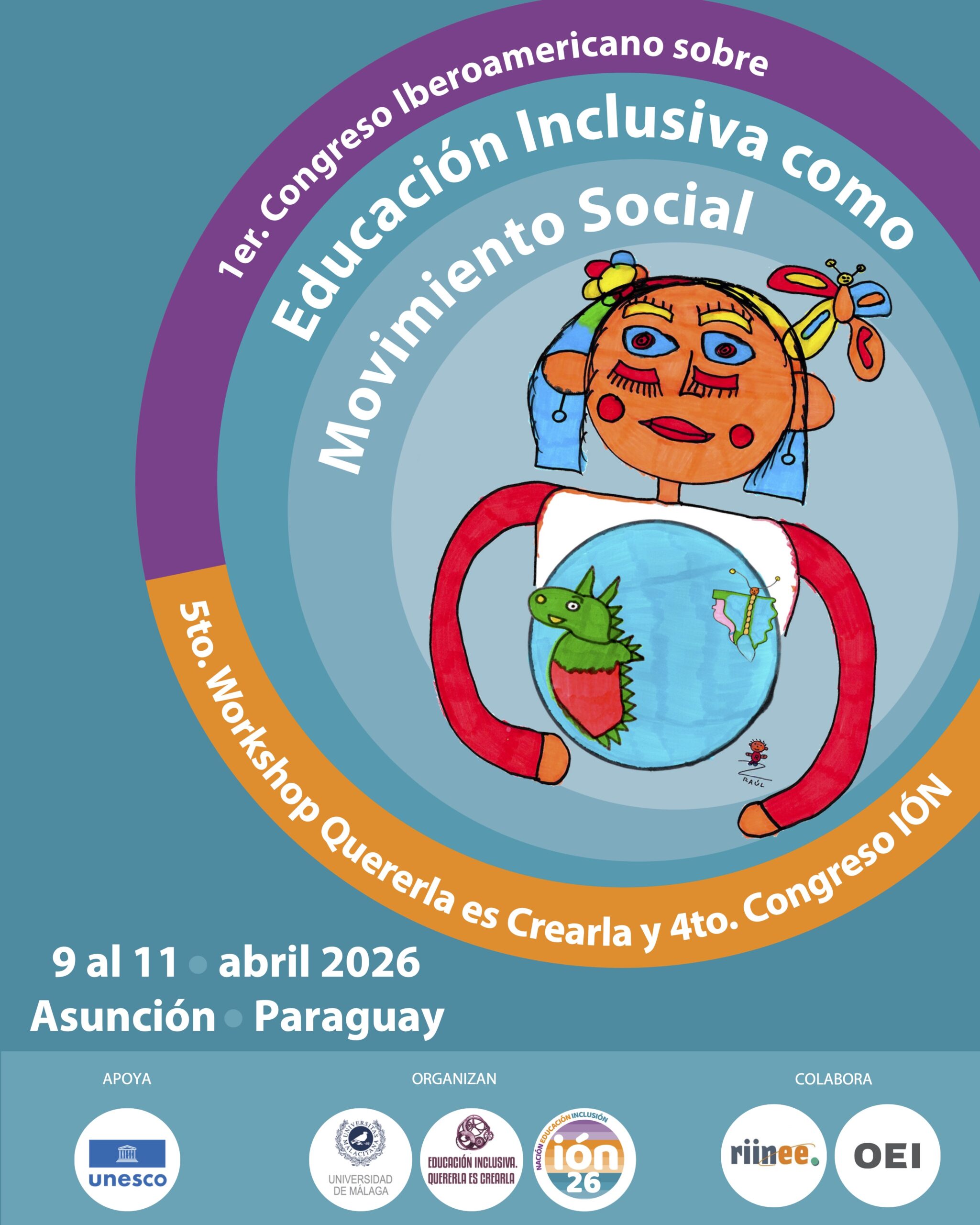
1st Ibero-American Congress, 5th ‘Quererla es Crearla’ Workshop and 4th IÓN Congress
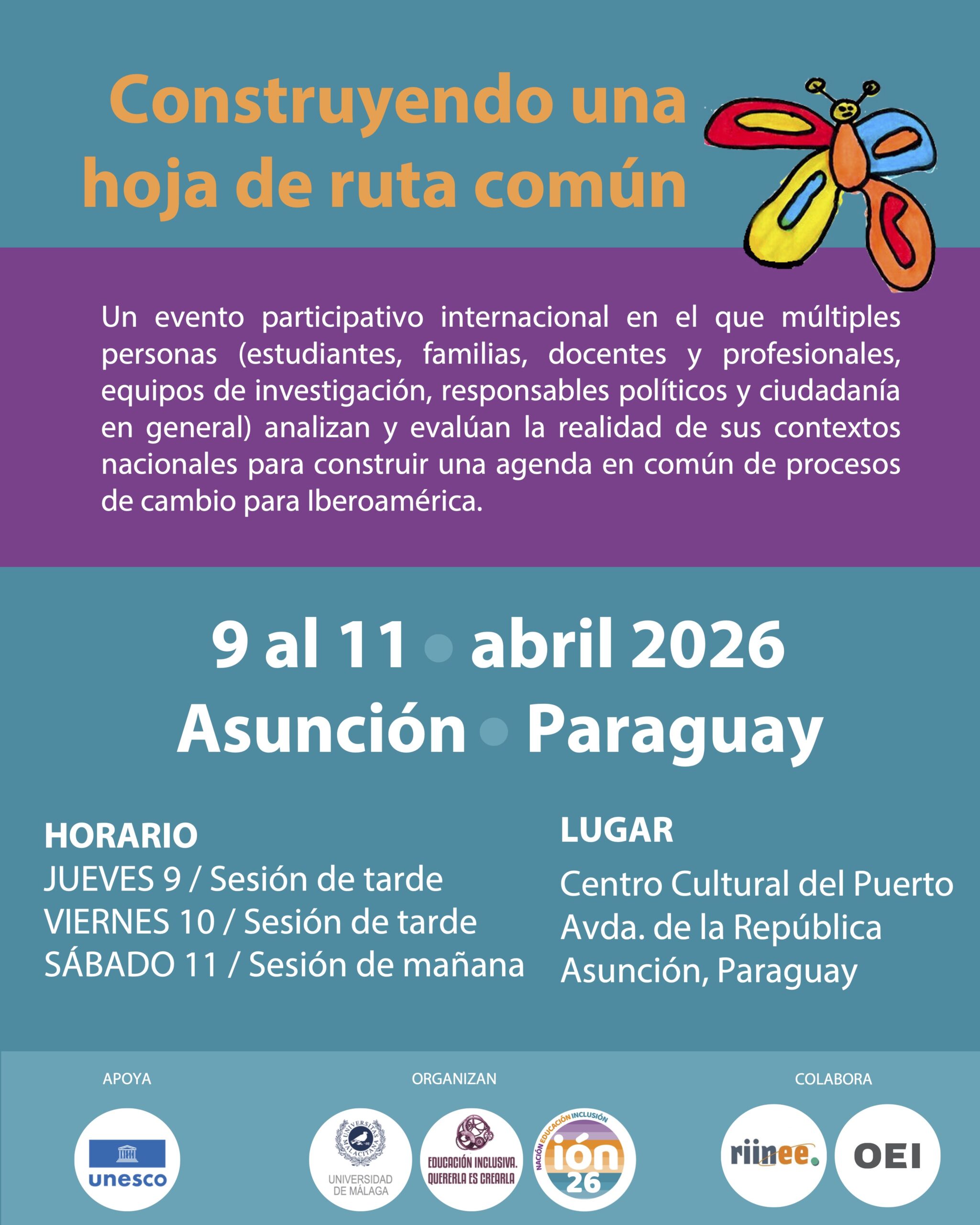
- 📍 Location:Cultural Center of the Port (Asunción, Paraguay)
- 📅 Date:April 9, 10, and 11, 2026
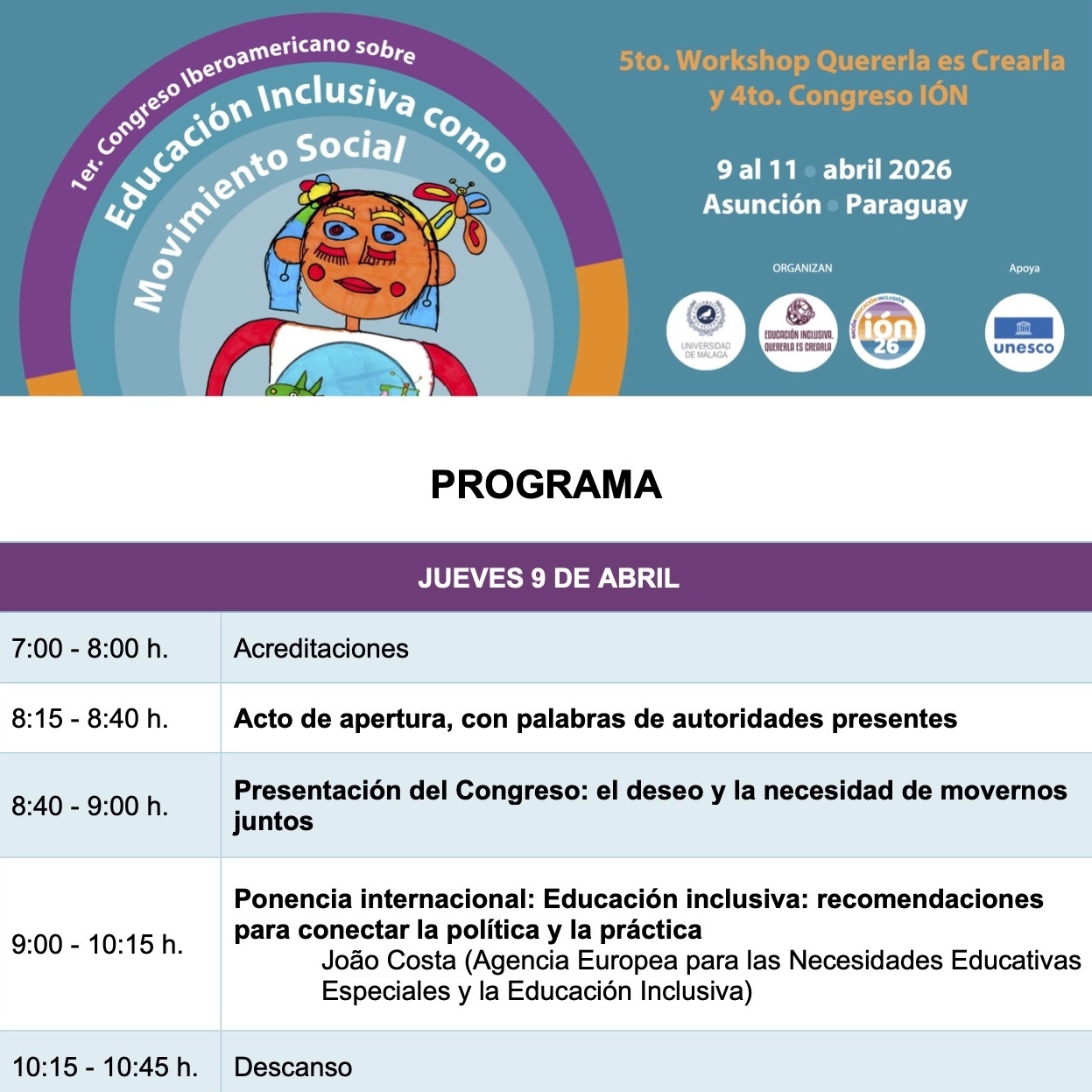
- 📋 Program, available inPDF
- ✅ REGISTRATION, by filling out this form.
- 📝 Submission of works, until February 22nd here.
- 🖼️ Download the flyer, available at PDF and online.
- ℹ️ More information: https://decidimoseducacioninclusiva.uma.es/conferences/congreso-iberoamericano
Asunción Declaration for Inclusive Education as a Social Movement
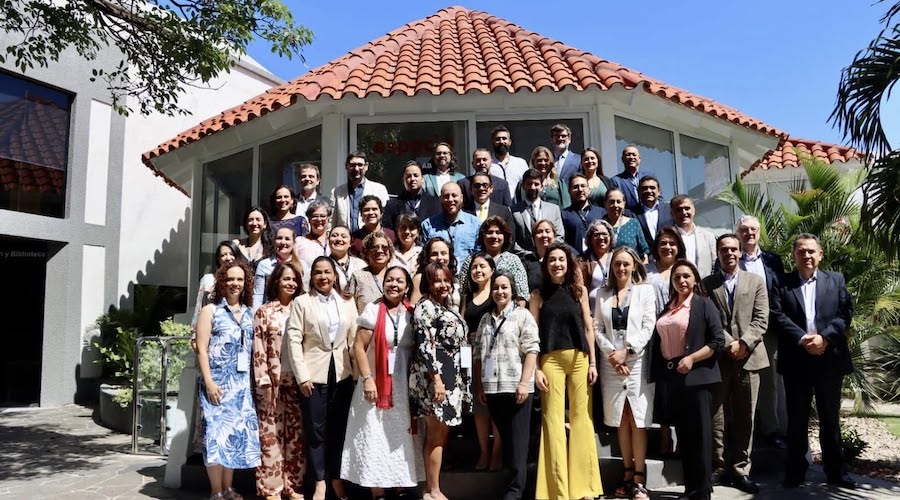
On April 9, 10, and 11, 2026, more than 600 people gathered in Asunción (Paraguay), convened thanks to the prior work carried out by the Delegations from 9 Ibero-American countries – Argentina, Brazil, Chile, Colombia, Cuba, Spain, Paraguay, Peru, and Uruguay. This work involved the development of participatory national diagnoses on the state of inclusive education, through 14 workshops where citizens’ experiences and horizontal dialogue were brought to the forefront.
The event, 1st Ibero-American Congress on Inclusive Education as a Social Movement, was convened and organized by the IÓN Movement of Paraguay, the Quererla es Crearla Movement, and the University of Málaga, with the support of UNESCO. This meeting also included the participation of other social movements from the region and the input from 39 research papers conducted in 10 countries, including Ecuador and Mexico. With the participation of students, professionals, families, politicians, and academics, the event constituted an extraordinary space for the collective construction of passionate knowledge and the union of wills around education without exclusions. This declaration and commitments emerge from that work.
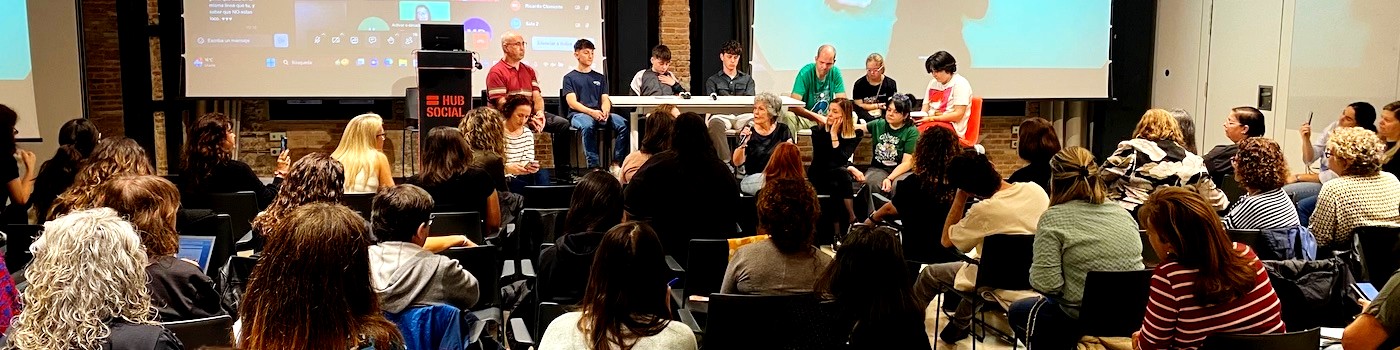
A summary of the congress in images
Congress Context
For 7 years, we have been working on the promotion of inclusive education with the movement Quererla es crearla, which aims for the participation and commitment of citizens with inclusive education. It seeks to raise awareness that making schools inclusive is a shared responsibility of teachers, families, students, and citizens in general. The movement connects citizen participation with international scientific evidence about inclusive education, which is very important at a time of global disinformation like the present.
This movement was born in Spain in 2018, through two research projects funded by the Ministry of Science, led by the University of Malaga. The projects are having a strong scientific impact and social, with international awards from research societies like the American Educational Research Association and international organizations like Down Syndrome International.
Previous Participatory Meetings
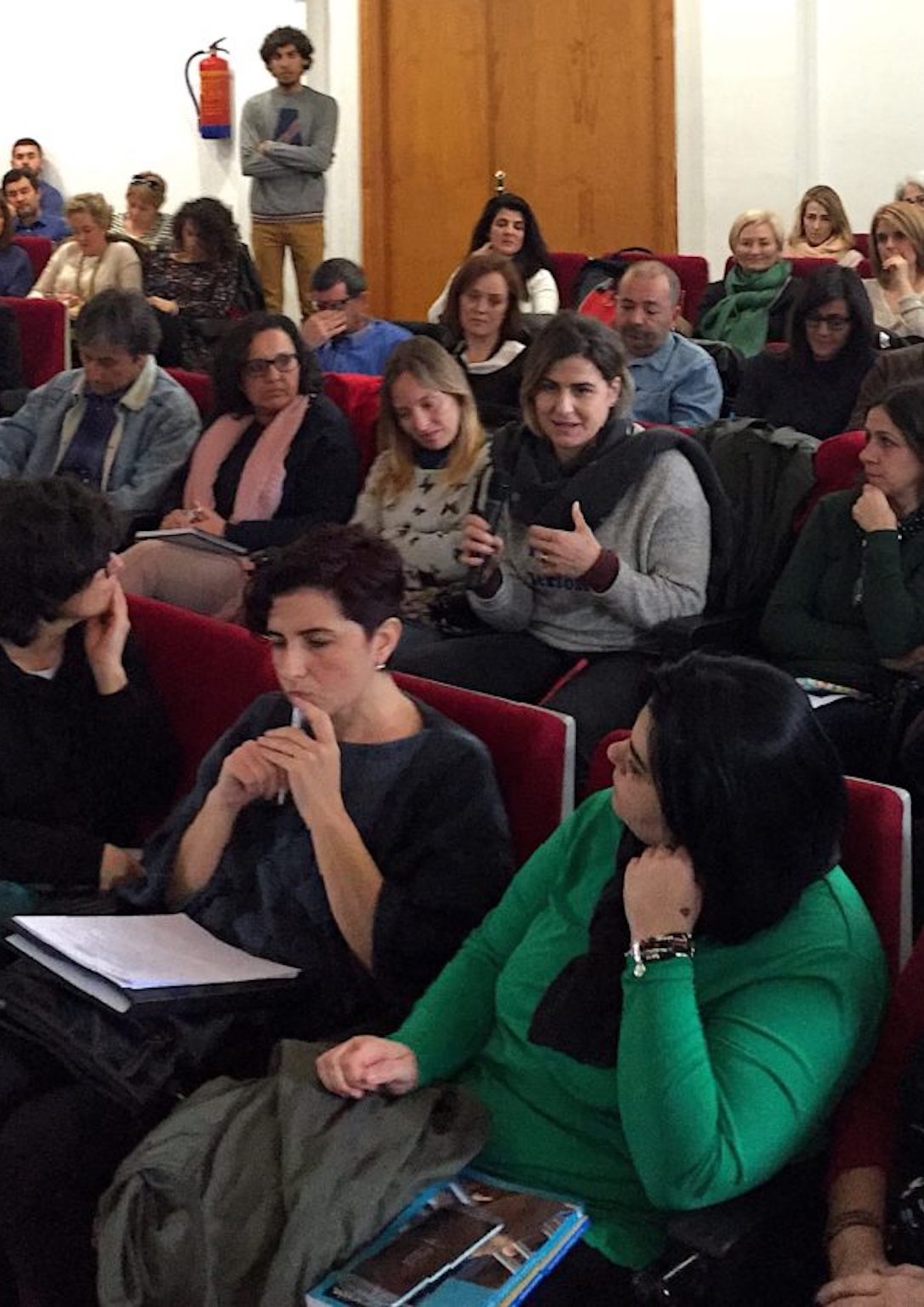
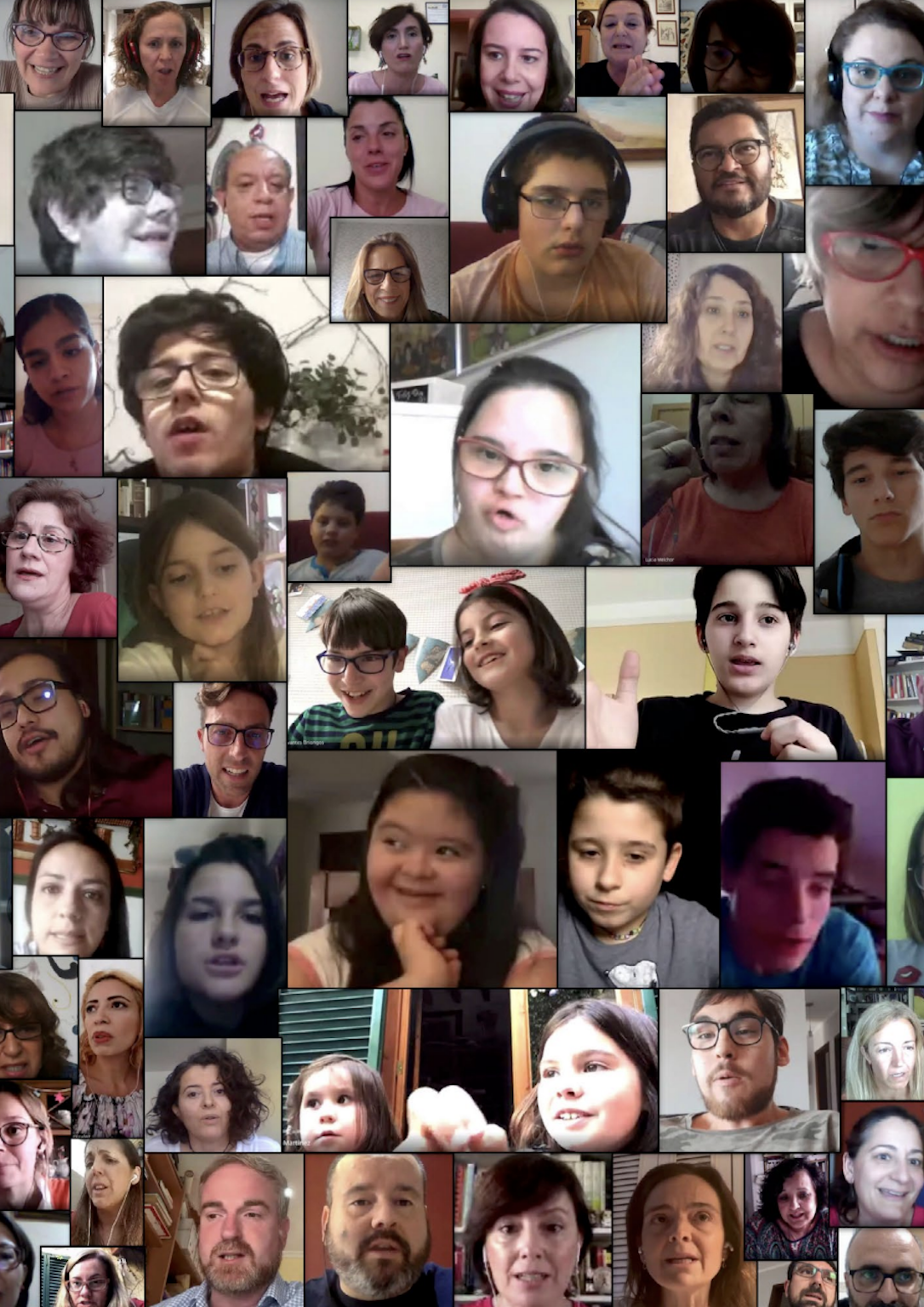
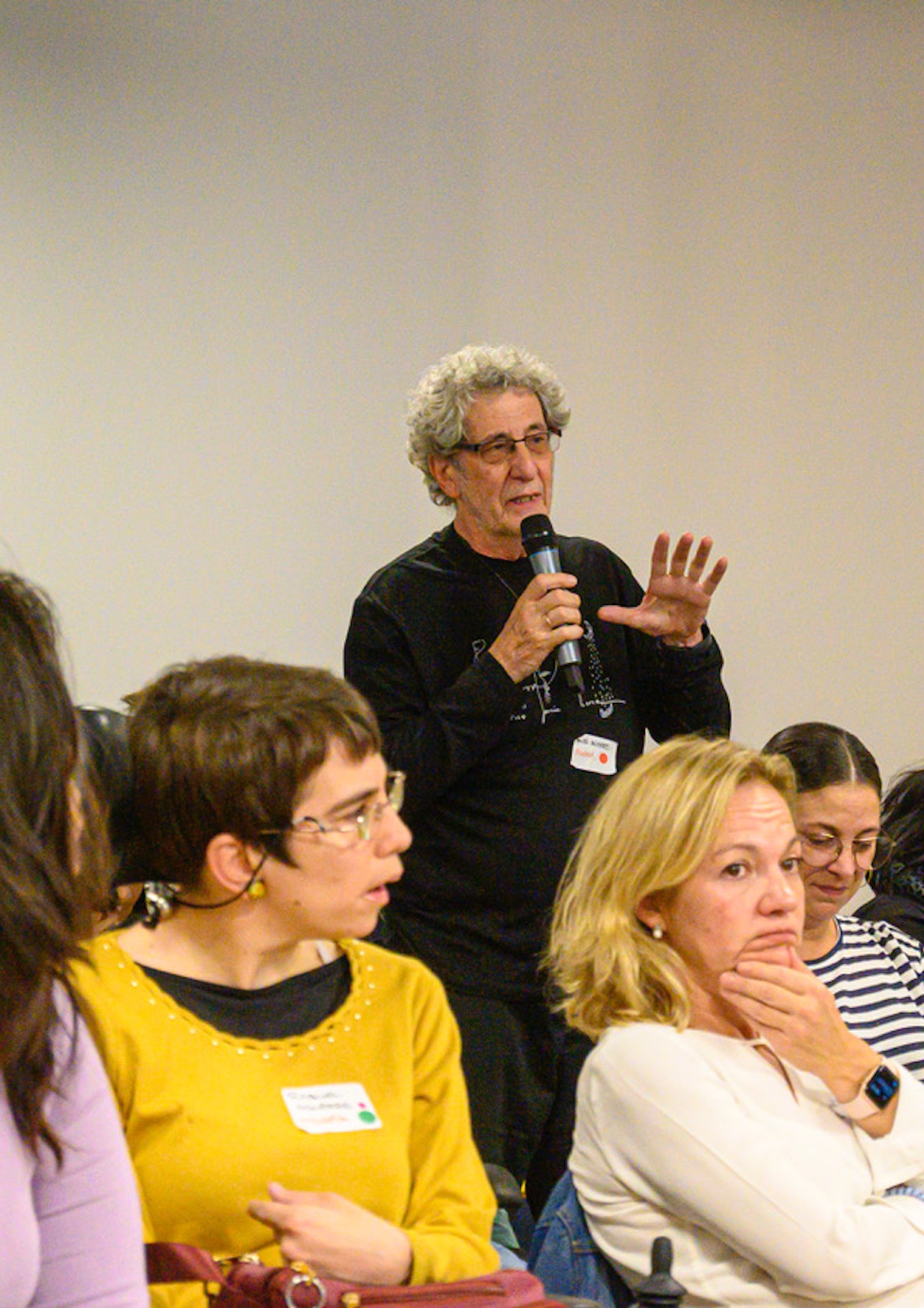
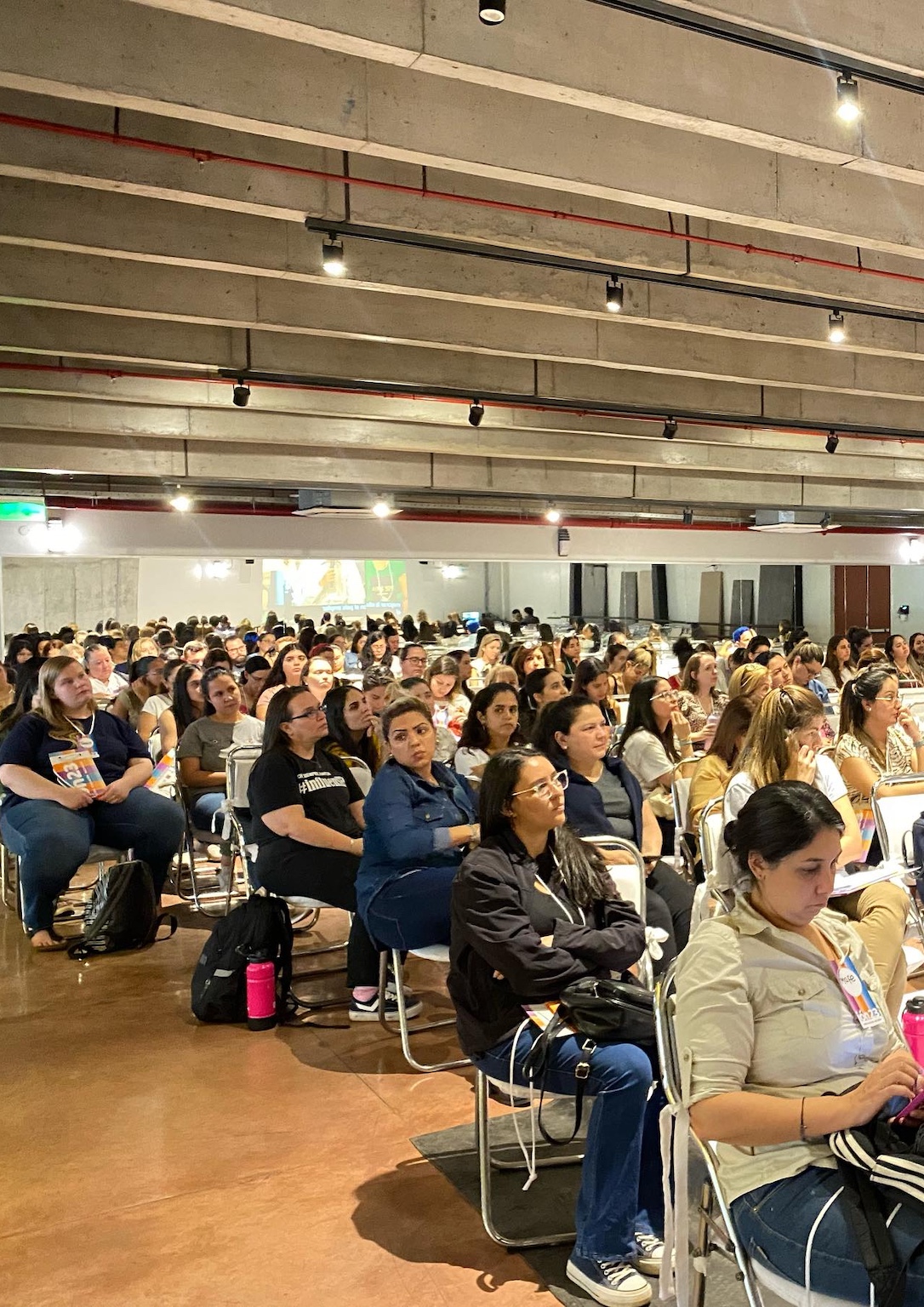
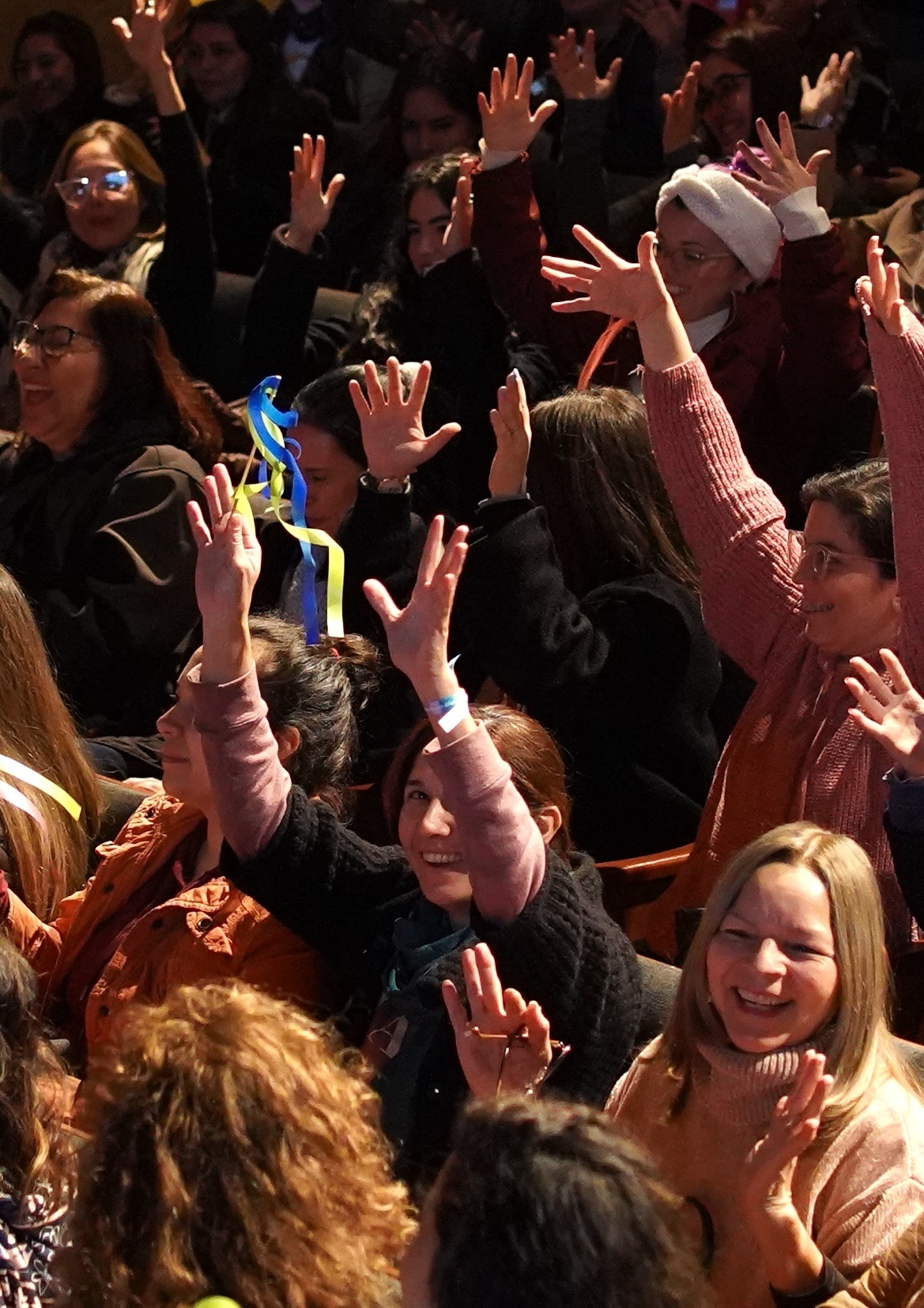
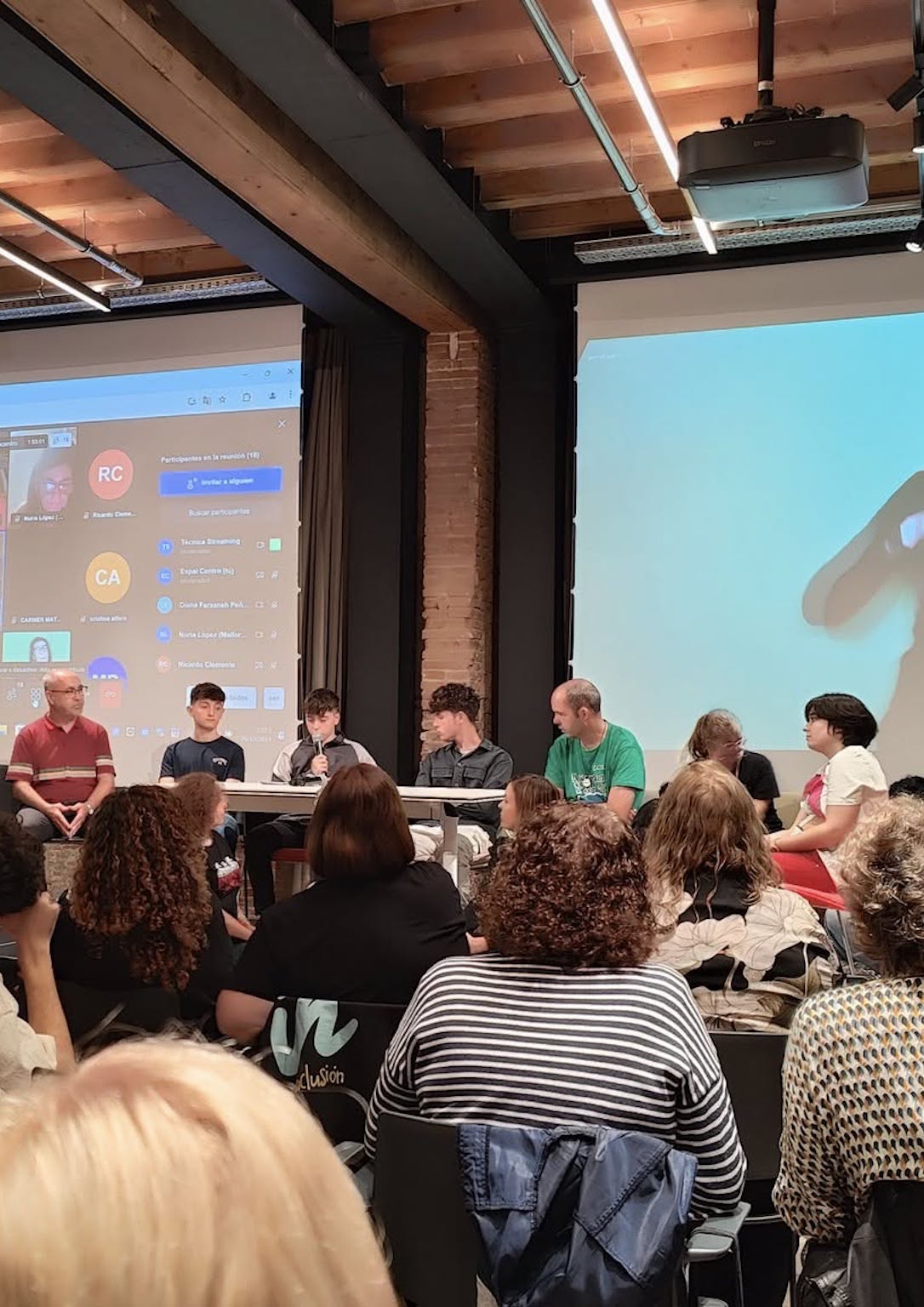
The entire process undertaken has been developed through citizen research processes that begin with national participatory evaluations involving a significant number of people through Workshops, events where workshops and assemblies follow and are systematized, leading to action proposals for subsequent years. Thus, cycles of Participatory Action Research are initiated in which citizens assume their leading role in the transformation of education systems. The key to all of this is to start from people’s conceptions and experiences, and to facilitate their critical analysis focused on action.
The movement also has a history in Latin America since 2017 with the Program for the Promotion of Inclusive Education in the Americas of the OAS. In countries like Paraguay, for example, there has been intense development (called IÓN) since that time. Now, the movement is gaining momentum in the region: it was presented in Bolivia last year, at the Encuentro de los Ministerios de Educación Iberoamericanos (Ibero-American Intergovernmental Network for Cooperation in Education for Persons with Special Educational Needs, RIINEE), coordinated by Spain together with UNESCO and AECID.
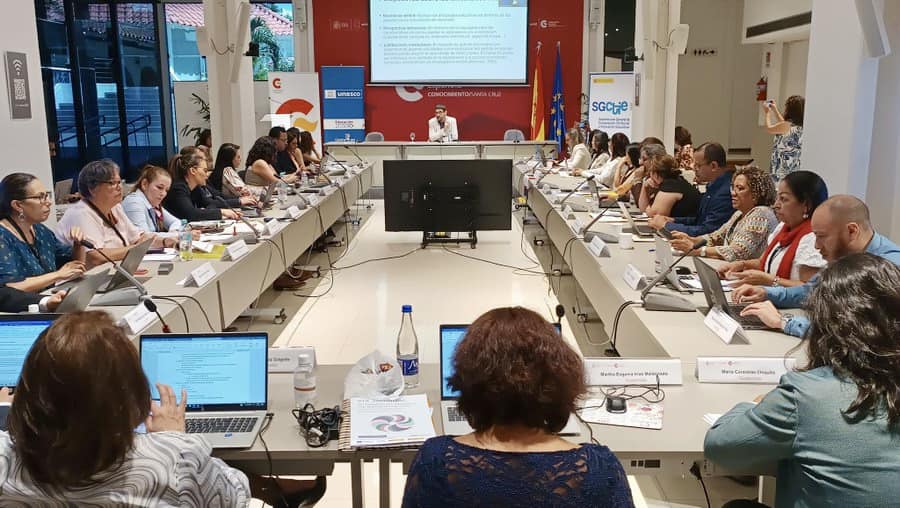
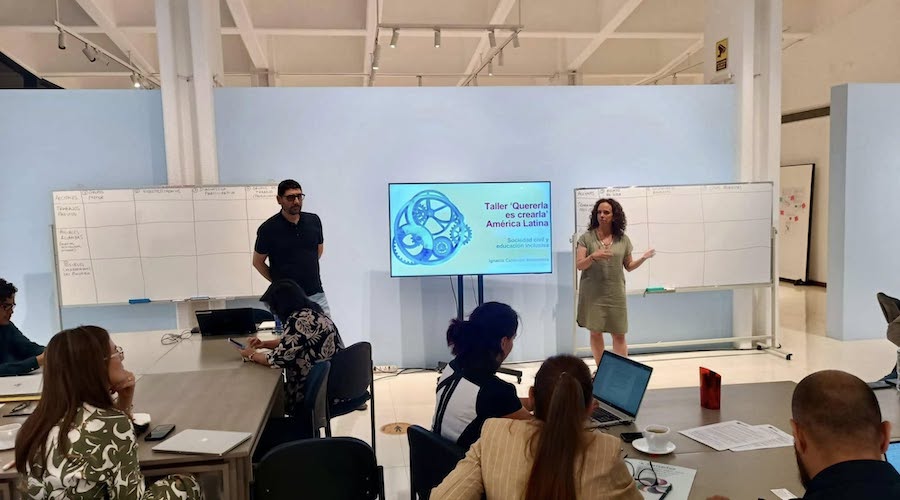
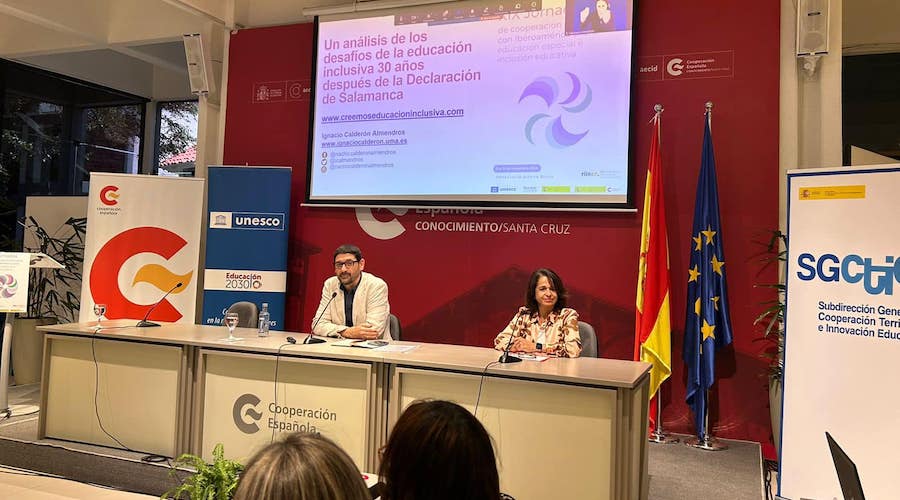
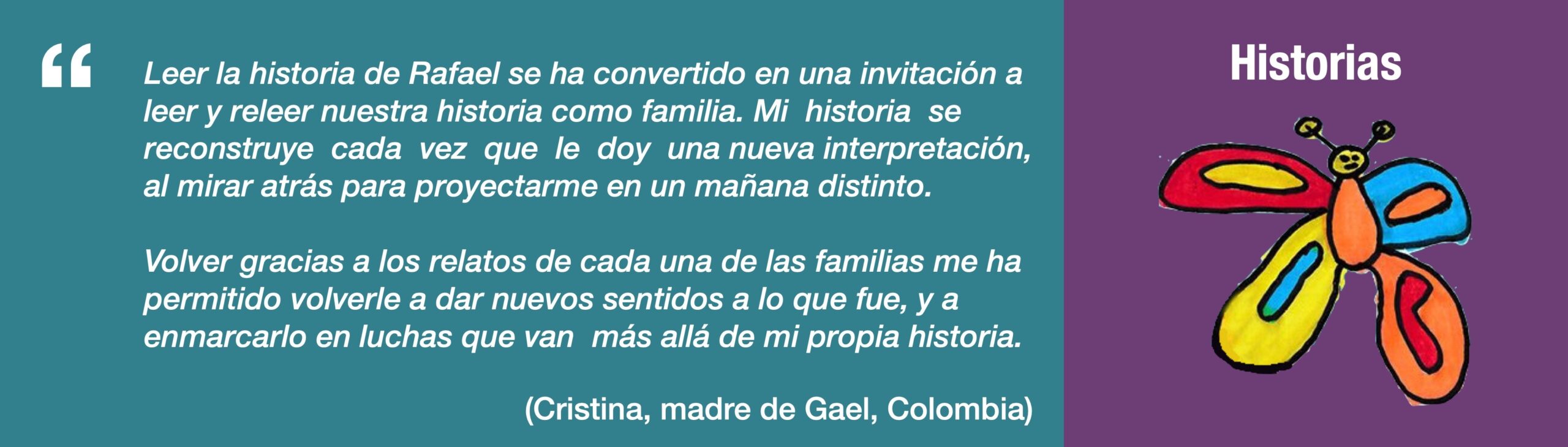
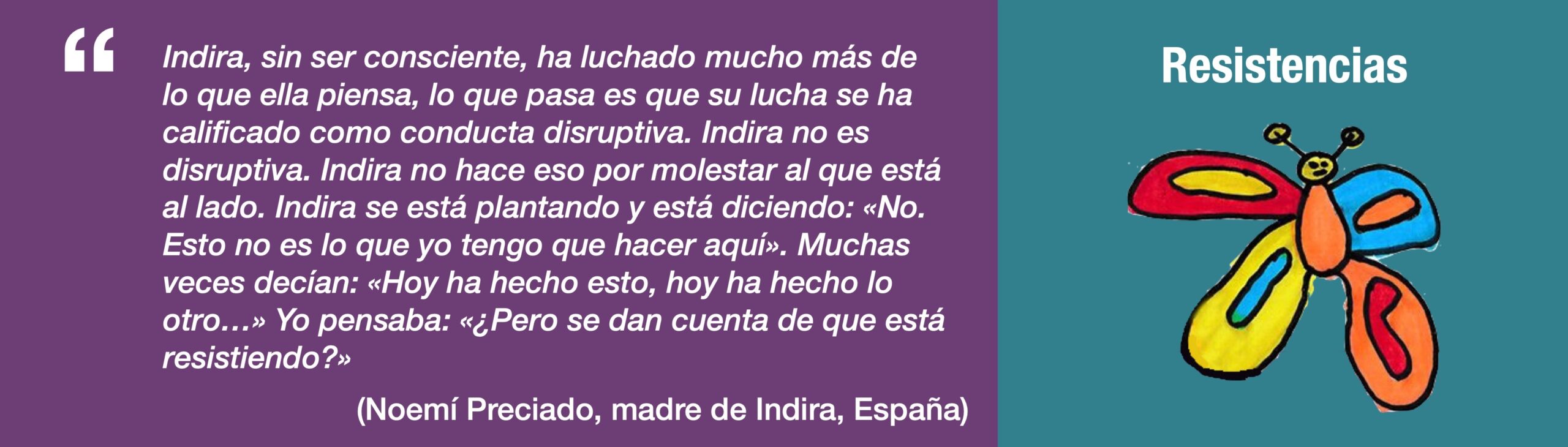
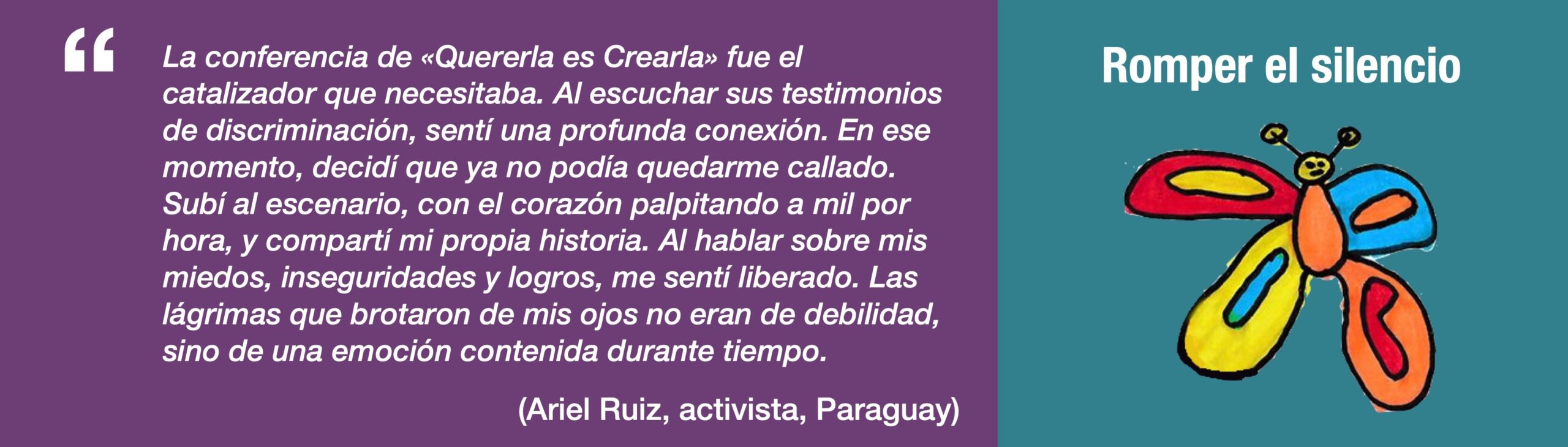
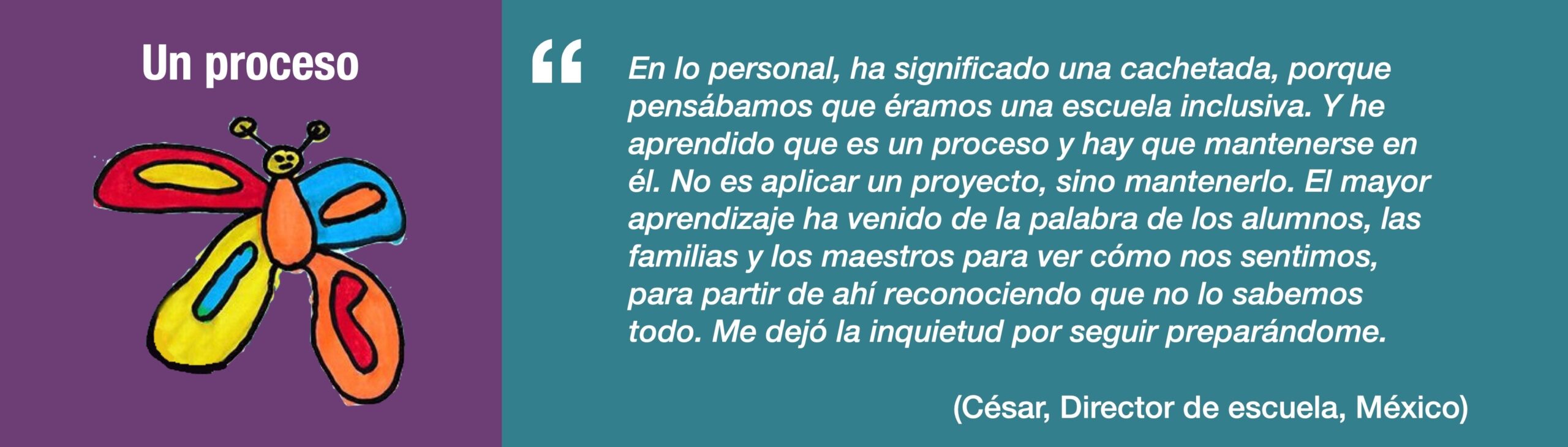
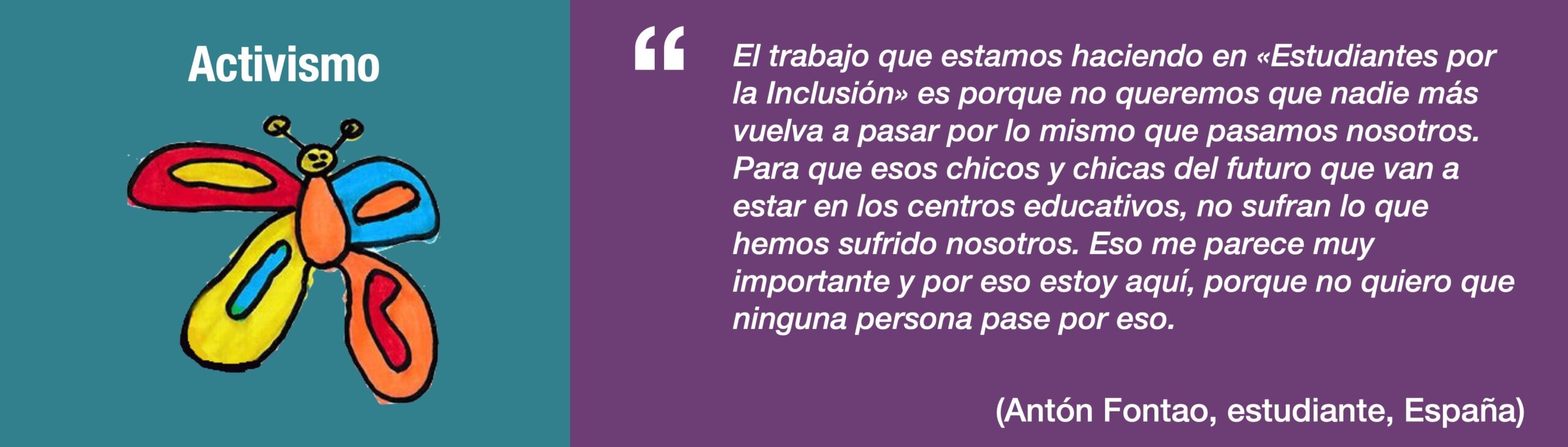
A Congress for participatory work and social outreach
On April 9-11, 2026, in Asunción (Paraguay), we will hold the 1st Ibero-American Congress on Inclusive Education as a Social Movement. It aims to be a participatory gathering that will work with key citizens – including students, families, professionals, researchers, and policymakers – throughout the region. The meeting will serve as a catalyst for sharing the work already underway in different countries. Several countries will develop at least one workshop where citizens will conduct a participatory assessment of the state of inclusive education in their nation, with the goal of projecting actions to advance the agenda. Examples include this summary video of the meeting organized by the steering group in Paraguay or the detailed information from the last workshop in Spain.
The national participatory meetings aim to develop a social assessment of what is happening regarding inclusive education in each country. It is not so much about analyzing statistical data, but rather about qualitative and collective reflection on experiences and emotions, on conflicts and desires, and on possible transformations. In other words, it is about filtering the analysis through experience, as a way to question the entire system that sustains it. Therefore, people’s testimonies become forms of knowledge and resistance, especially when they are shared collectively. Each participatory meeting brings this to the forefront of the analysis. As can be observed, it is the people who take center stage, and the methodology allows their knowledge to bear fruit: we intend for the 2026 Congress in Asunción to be highly influential, and to generate a roadmap for common action in Ibero-America.
Different Steering Groups in various countries have taken on the challenge of developing a national participatory diagnosis of the state of inclusive education, and they are: Paraguay, Colombia, Argentina, Cuba, Uruguay, Peru, Chile, Brazil, and Spain. All of them will have held the diagnostic day before February 2026, with the idea of sharing their results at the Congress in Paraguay. The research team from the University of Malaga is responsible for developing the necessary methodological training for the national days, which will consist of a day of assemblies and workshops for a diverse group of people. These participatory diagnoses will initiate the first cycle of a Participatory Action Research in each country, which aims to take shape at the meeting in Paraguay.
Extensive information can be found about “Quererla es crearla” on the website www.creemoseducacioninclusiva.com. It shows the depth, rigor, and democratic value of the work carried out. All of this is particularly valuable today. At a time when diversity and inclusion are targets of the most reactionary movements through disinformation, provoking hatred instead of encounter, inclusive education, backed by international science, is the most forceful response, full of hope. In schools, we learn to value ourselves and to live together. A project like this offers a clear response to humanity’s democratic desires.
Purpose of the meeting
Generate an international meeting between families, students, professionals, university researchers, and policymakers that starts from the diagnosis of the school reality in relation to inclusion, built in different Ibero-American countries.
Based on these qualitative assessments, an egalitarian dialogue is intended to emerge, from which a roadmap will emerge for continued work in a participatory, organized, and systematic manner over the next 2 years.
This is not a typical conference.It is a meeting aimed at facilitating and accelerating the transformation process of our education systems to make them more inclusive, both in Spain and in Latin America.
Asunción (Paraguay), April 9, 10, and 11, 2026
Objectives
- To develop a joint discussion of the participatory diagnostics carried out in the different countries of the network, in order to identify barriers and facilitators, share experiences, and develop a common roadmap.
- To facilitate and accelerate the process of transformation of educational policies, cultures, and practices in schools in Spain and Latin America, orienting them towards inclusion and equity through participatory methodologies.
- To know and understand the educational conceptions, experiences, and professional practices involved in the processes of school inclusion in the different countries of the network.
- To learn from the knowledge of students, families, and professionals, encouraging all members of the educational community to share their school experiences and proposals for improvement, in a context that brings together the local and the global.
- To establish a space for the development of an International Network of schools for Inclusion and Equity.
The important preparatory work in each country
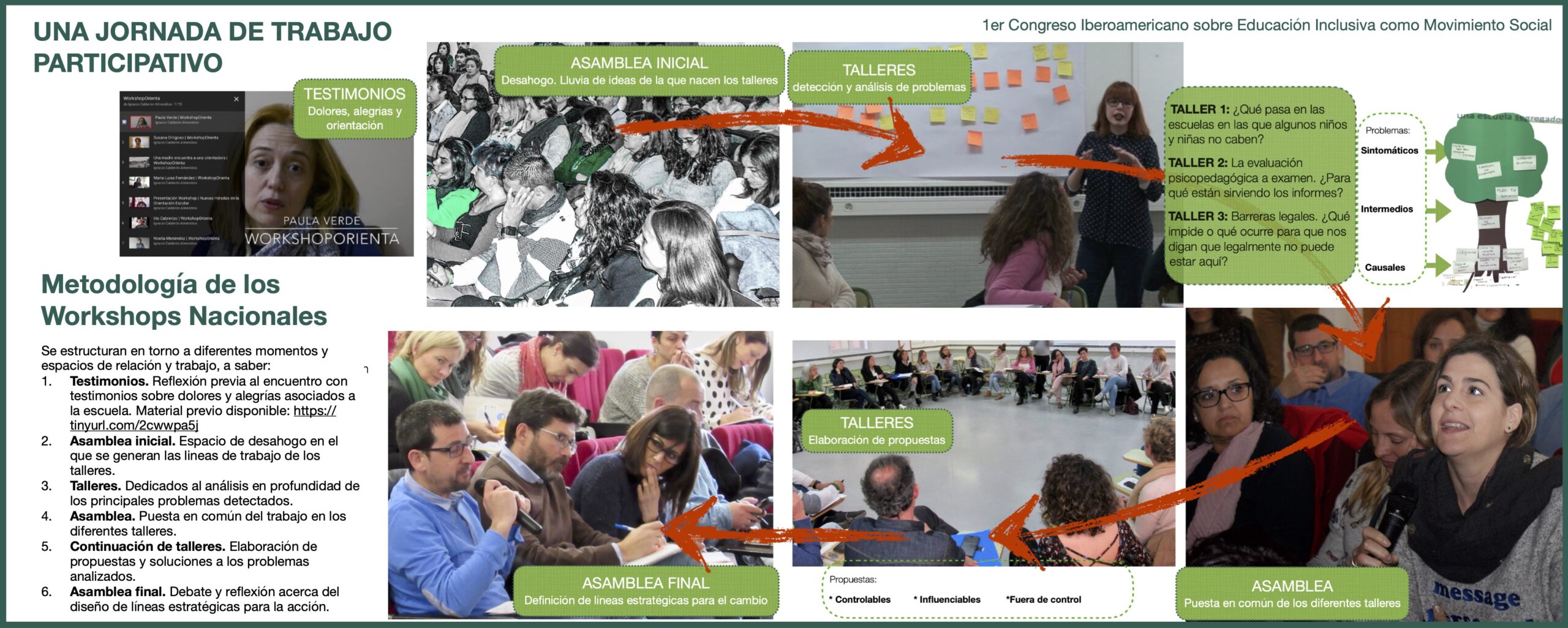
The Congress is preceded by highly relevant work driven by Motor Groups from different countries in the network. In all these countries, a National Workshop will be held before February 2026, in which a participatory evaluation of the situation of their respective education systems in relation to inclusion and equity will be developed. The initial methodology of the process, which may be modified depending on each context, is structuredaround different moments and spaces for connection and work,illustrated in the following infographic.
Methodology of the National Workshops
- Testimonials.Pre-meeting reflection with testimonials about pains and joys associated with school. The Motor Groups from Paraguay, Colombia, Argentina, Uruguay, Peru, Chile, Brazil, Venezuela, Mexico, and Spain have already carried out a compilation of testimonials, which is available at:https://tinyurl.com/2cwwpa5j
- Initial Assembly.Debriefing space where the lines of work for the workshops are generated.
- Workshops.Dedicated to the in-depth analysis of the main problems detected.
- Assembly.Sharing of work from the different workshops.
- Continuation of workshops.Development of proposals and solutions to the problems analyzed.
- Final Assembly.Debate and reflection on the design of strategic lines for action.
Related news
- Declaration of Asunción for Inclusive Education as a Social Movement (University of Malaga, 15/04/2026). http://hdl.handle.net/10630/46502
- 1st Ibero-American Congress on Inclusive Education as a Social Movement (UNESCO, 09/04/2026). https://www.unesco.org/es/articles/1er-congreso-iberoamericano-sobre-educacion-inclusiva-como-movimiento-social
- Paraguay will host the 1st Ibero-American Congress on Inclusive Education as a Social Movement (El Nacional, 14/03/2026). https://elnacional.com.py/nacionales/paraguay-sera-sede-1er-congreso-iberoamericano-sobre-educacion-inclusiva-como-movimiento-social-n102480
- ION: our country will host the first Ibero-American Congress on Inclusive Education (La Nación, 09/03/2026). https://www.lanacion.com.py/pais/2026/03/09/ion-nuestro-pais-sera-sede-del-primer-congreso-iberoamericano-sobre-educacion-inclusiva/
- Inclusive Education: Asunción will host the 1st Ibero-American Congress (ABC, 28/03/2026). https://www.abc.com.py/nacionales/2026/03/28/educacion-inclusiva-asuncion-sera-sede-del-1er-congreso-iberoamericano/
- Collaborative workshop to strengthen inclusive schools in the Patagonia Region: “Action is Creating It!” (UNPA, 03/03/2026). https://www.uaco.unpa.edu.ar/taller-colaborativo-para-fortalecer-la-escuela-inclusiva-en-la-region-patagonia-quererla-es-accion
- Asunción hosted the first Ibero-American Congress on Inclusive Education as a Social Movement (UNESCO, 19/06/2026). https://www.unesco.org/es/articles/asuncion-fue-sede-del-primer-congreso-iberoamericano-sobre-educacion-inclusiva-como-movimiento
- The 1st Ibero-American Congress on Inclusive Education as a Social Movement was held in Paraguay (University of Malaga, 04/21/2026).https://www.uma.es/departamento-de-teoria-e-historia-de-la-educacion/noticias/celebrado-en-paraguay-el-1er-congreso-iberoamericano-sobre-educacion-inclusiva-como-movimiento-social/
- Paraguay advances towards inclusive education with new evidence to strengthen public policies (United Nations, 04/14/2026).https://paraguay.un.org/es/313663-paraguay-avanza-hacia-una-educaci%C3%B3n-inclusiva-con-nuevas-evidencias-para-fortalecer
- Paraguay opens regional space to rethink inclusive education as a social commitment (La Nación, 04/09/2026).https://www.lanacion.com.py/pais/2026/04/09/paraguay-abre-espacio-regional-para-repensar-educacion-inclusiva-como-compromiso-social/
- We participated in the 1st Ibero-American Congress on Inclusive Education as a Social Movement (RREI, 04/20/2026).https://rededucacioninclusiva.org/estrategias-de-incidencia/participamos-del-1er-congreso-iberoamericano-sobre-educacion-inclusiva-como-movimiento-social/
- Asunción hosted the first Ibero-American Congress on Inclusive Education as a Social Movement (Ecuador Universitario, 06/21/2026).https://ecuadoruniversitario.com/arte-y-cultura/asuncion-fue-sede-del-primer-congreso-iberoamericano-sobre-educacion-inclusiva-como-movimiento-social/
- As members of the RREI, we participated in the 1st Ibero-American Congress on Inclusive Education as a Social Movement (ACIJ, 04/14/2026).https://acij.org.ar/como-integrantes-de-la-rrei-participamos-del-1er-congreso-iberoamericano-sobre-educacion-inclusiva-como-movimiento-social/
- UNESCO provides evidence to improve the availability, comparability, and use of data on students with disabilities (UNESCO, 04/22/2026).https://www.unesco.org/es/articles/la-unesco-aporta-evidencia-para-mejorar-la-disponibilidad-comparabilidad-y-uso-de-datos-sobre-los
- Getting down to the nitty-gritty: proposals for inclusive education as a social movement (El Diario de la Educación, 05/12/2026).https://eldiariodelaeducacion.com/quererla-es-crearla/2026/05/12/educacion-inclusiva-movimiento-social-congreso-iberoamericano-asuncion/
- Weaving networks to transform education (La Nación, 06/11/2026).https://www.lanacion.com.py/columnistas/2026/06/11/tejiendo-redes-para-transformar-la-educacion/
- Student of Pedagogy in Special Education participates in international congress in Paraguay (University of Chile, 04/20/2026).https://facso.uchile.cl/noticias/239157/estudiante-de-ed-especial-participa-en-congreso-en-paraguay
- MEC and UNICEF present recommendations to strengthen inclusive education in Paraguay (UNICEF, 04/10/2026).https://www.unicef.org/paraguay/comunicados-prensa/mec-y-unicef-presentan-recomendaciones-para-fortalecer-la-educaci%C3%B3n-inclusiva-en
- In April, Asunción will host the 1st Ibero-American Congress on Inclusive Education (Rosario 3, 02/24/2026).https://www.rosario3.com/educacion/en-abril-asuncion-sera-sede-del-1-congreso-iberoamericano-de-educacion-inclusiva-20260224-0057.html
- Invitation to the Ibero-American Congress on Inclusive Education (Diario Norte, 02/24/2026).https://www.diarionorte.com/324049-inivitan-al-congreso-iberoamericano-de-educacion-inclusiva
Related scientific productions
Some scientific publications
- CALDERÓN-ALMENDROS, I.; RASCÓN-GÓMEZ, M.T.; MOJTAR-MENDIETA, L.V. & MORENO-PARRA, J. (2025). New cartographies of inclusive education through narrative and action research. International Journal of Action Research, 21(2), 118–137.
- AINSCOW, M.; CALDERÓN-ALMENDROS, I.; DUK, C. & VIOLA, M. (2024). Inclusive education: maps, borders, and paths to success. Teoría de la Educación. Revista Interuniversitaria, 37(2), 57–76.
- AINSCOW, M.; CALDERÓN-ALMENDROS, I.; DUK, C. & VIOLA, M. (2024). Using professional development to promote inclusive education in Latin America: possibilities and challenges. Professional Development in Education, 51(1), 149-166.
- ALONSO, M.; RASCÓN, M.T.; CALDERÓN, I. & COMMUNITY OF THE CEIP ‘LA PARRA’ (2024).How to do Participatory Action Research.Ministry of Education and Vocational Training.Available atPDF andonline.
- CALDERÓN-ALMENDROS, I. (2023). Researching with communities to promote inclusive education. Lead the Change Series, 140, 2-4.
- CALDERÓN ALMENDROS, I. (2023). Uniting stories of exclusion and struggles for the right to education to build collective hope. enTERA2.0 , 10, 57–63.
- CALDERÓN-ALMENDROS, I. & ECHEITA-SARRIONANDIA, G. (2022). Inclusive Education as a Human Right. The Oxford Research Encyclopedia of Education.
- CALDERÓN-ALMENDROS, I. & RASCÓN-GÓMEZ, M.T. (2022). Weaving struggles for the right to education: Collective and personal narratives for inclusion from the social model of disability.Pedagogía Social. Revista Interuniversitaria, 41, 43-54. Access the publication, available inPDFandonline.
- HERRERA FERNÁNDEZ, M.M., MATÉS LLAMAS, C., FARZANEH PEÑA, D. & BARRADO FERNÁNDEZ, S. (2021). Walking towards inclusion through participatory action research in an educational community. Revista Latinoamericana de Educación Inclusiva, 15(2), 135-153.
- CALDERÓN-ALMENDROS, I.; AINSCOW, M.; BERSANELLI, S. & MOLINA, P. (2020). Educational inclusion and equity in Latin America: an analysis of the challenges. Prospects: Comparative Journal of Curriculum, Learning, and Assessment, 49(3), 169-186.
- CALDERÓN ALMENDROS, I.; RASCÓN GÓMEZ, M.T. & ALONSO BRIALES, M. (2020). Researching to build inclusive education. In Vila, E. and Grana, I. (Coords.), Educational Research and Social Change. Octaedro, Barcelona.
- CALDERÓN-ALMENDROS, I. (2019). Differences and Inequality in Schools: The Languages of Oppressed People as Hope. Ars Vivendi Journal, 11, 2-11.
- CABELLO, F., RASCÓN, M. T. AND ALVARADO, A. (2019). Multimedia Perspectives on Resilience and Education: Edu-communication Innovation for the Resilience of Children at Social Risk. Ibero-American Journal of Higher Education, 10(28), 157-169.
- ECHEITA, G.; DUK, C.; CALDERÓN, I. and SKLIAR, C. (2018). Conversations about inclusive education from two ocean shores. In Héctor Monarca (Coord.), Quality of Education in Ibero-America: Discourses, Policies, and Practices (pp. 200-222). Dykinson, Madrid.
Conference presentations at scientific congresses
- CALDERÓN ALMENDROS, I. (2025). Citizen research to promote social movements for inclusive education.Paper presented at the British Educational Research Association (BERA) Conference 2025. Brighton, United Kingdom.
- CALDERÓN-ALMENDROS, I. & AINSCOW, M. (2024). Narratives of communities on the challenges of inclusive education and equity in Latin America. Paper presented at the British Educational Research Association (BERA) Conference 2024 and World Educational Research Association (WERA) Focal Meeting. Manchester, United Kingdom.
- MARTÍNEZ-DE-ILARDUYA, I. & CALDERÓN-CANO, M. (2024). Don’t judge a book by its cover. Paper presented at the World Down Syndrome Day 2024 (DSI), United Nations, New York, USA.
- RASCÓN-GÓMEZ, M.T., CABELLO-FERNANDEZ, F. & CALDERÓN-ALMENDROS, I. (2023). How to make the participatory social documentary a tool for educational inclusion? Paper presented at the American Educational Research Association Annual Meeting 2023 (AERA ), Chicago, USA.
- MOJTAR-MENDIETA, L., CALDERÓN-ALMENDROS, I. & RASCÓN-GÓMEZ, M.T. (2023). Students as subjects. Resistance and collective resilience to challenge barriers to inclusion. Paper presented at the American Educational Research Association Annual Meeting 2023 (AERA), Chicago, USA.
- RASCÓN-GÓMEZ, M.T., CABELLO-FERNANDEZ, F. & CALDERÓN-ALMENDROS, I. (2023). How to make the participatory social documentary a tool for educational inclusion? Paper presented at the American Educational Research Association Annual Meeting 2023 (AERA), Chicago, USA.
- CALDERÓN-ALMENDROS, I. & AINSCOW, M. (2023). Researching With Communities To Promote Inclusive Education In Latin America. Paper presented at the American Educational Research Association Annual Meeting 2023 (AERA), Chicago, USA.
- CALDERÓN-ALMENDROS, I. (2022). Involving communities in the promotion of inclusive school cultures . Paper presented at the 1st International Conference on Education and Training – Thinking education in transition times, Lisbon, Portugal.
- CALDERÓN-ALMENDROS, I. (2021). Inclusive education and equity in Latin America. Paper presented at the 2021 Comparative and International Education Society (CIES) Conference: Social Responsibility within Changing Contexts, Seattle, USA.
- AINSCOW, M. & CALDERÓN, I. (2019). Promoting inclusion and equity in Latin America: making sense of the challenges. 2019 AERA Annual Meeting. Toronto, Canada.
Doctoral Theses
- ARCH, K.G. (2025).Building a project for the future amidst conditions, relationships, and meanings: deconstruction of social and educational trajectories of young adults with disabilities. A biographical-narrative study.Doctoral Thesis from the National University of Comahue. Supervised by: Ignacio Calderón Almendros and Beatriz Margarita Celada.