A lo largo de varios años de trabajo participativo con colectivos de todos los sectores de la comunidad escolar, Quererla es crearla ha desarrollado una serie de materiales en forma de guías que constituyen una herramienta excepcional para desarrollar una educación inclusiva. Partiendo de la idea de que todos y todas somos imprescindibles para este cometido, las guías suponen un puzzle que puede iniciarse desde cualquier sector. Todas ellas son coherentes entre sí, y complementarias tanto en las concepciones educativas que las sostienen como en las metodologías que promueven.

Las herramientas desarrolladas, además, están siendo desgranadas en una serie de videotutoriales, con la idea de acompañar a las comunidades escolares que así lo deseen, en sus propios procesos de investigación y de acción en sus escuelas. Un buen número de escuelas de 10 países entre España y América Latina ya se ha puesto en marcha, conformando una Red Internacional de Escuelas por la Inclusión y la Equidad.

Practical guides on inclusion and equity

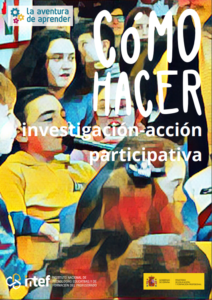
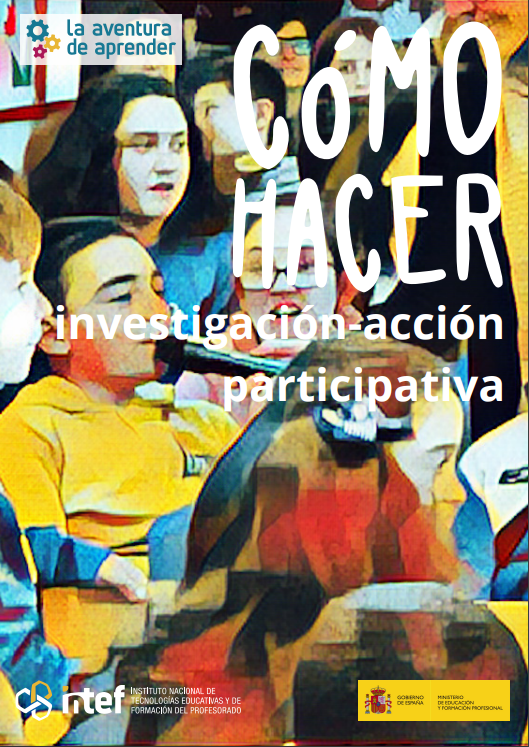
Guide "How to do participatory action research".
Communities
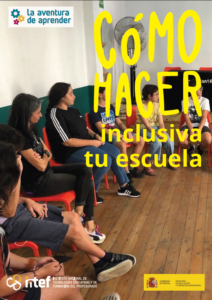
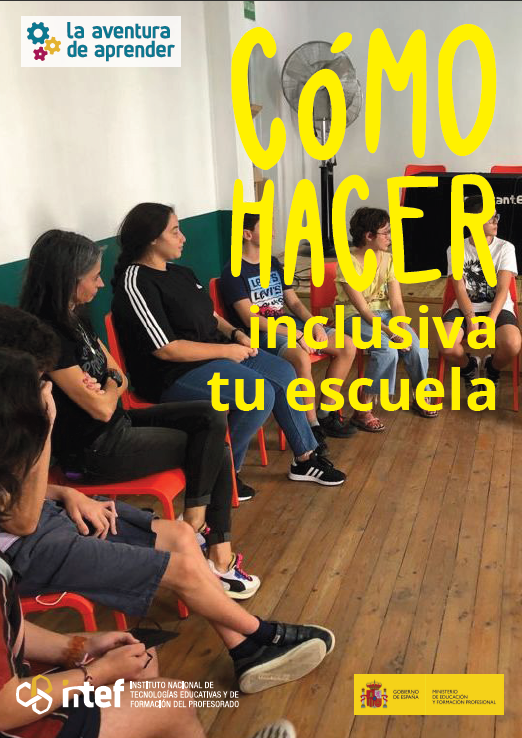
Guide "How to Make Your School Inclusive".
Students
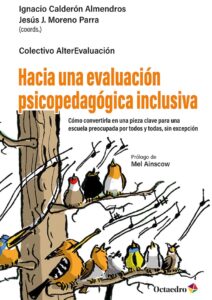
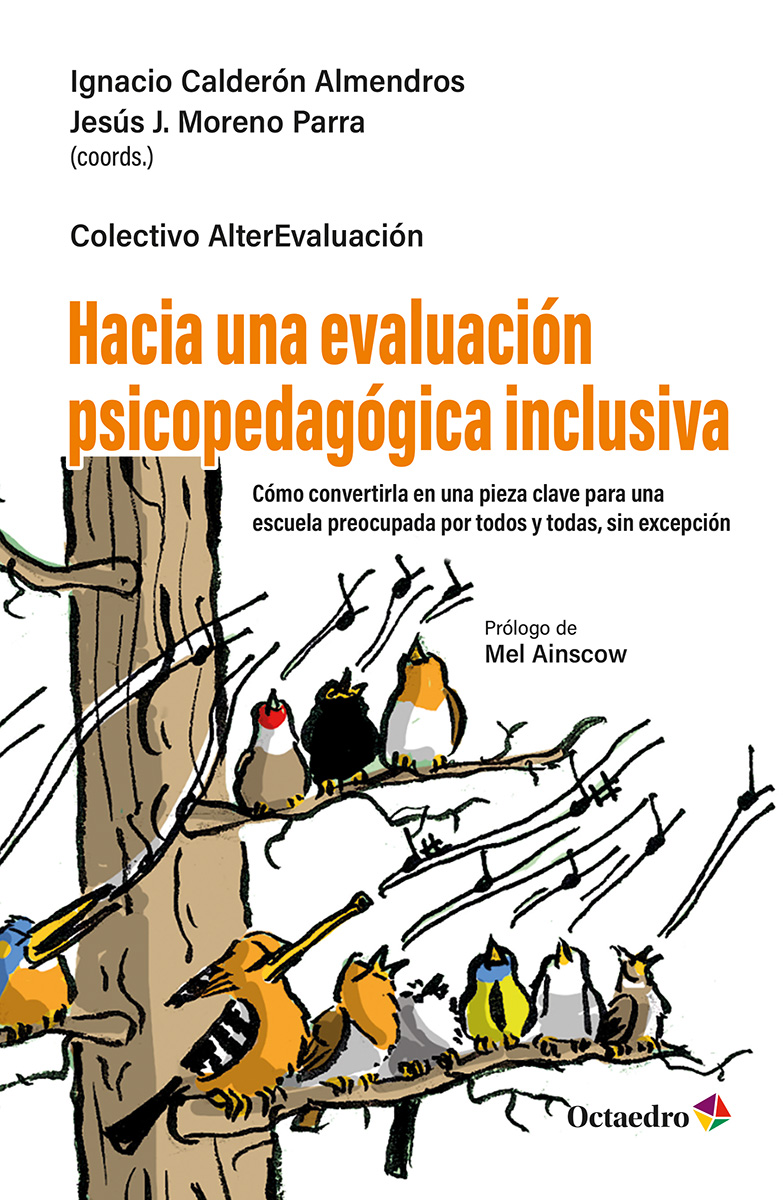
Cover of the Guide "Towards an inclusive psychopedagogical assessment". The illustration is a drawing, by David G. Gándara, of a group of birds singing on the branches of a tree.
Guidance counselors
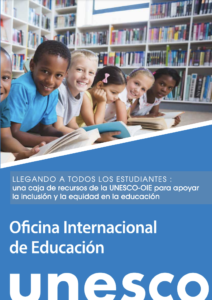
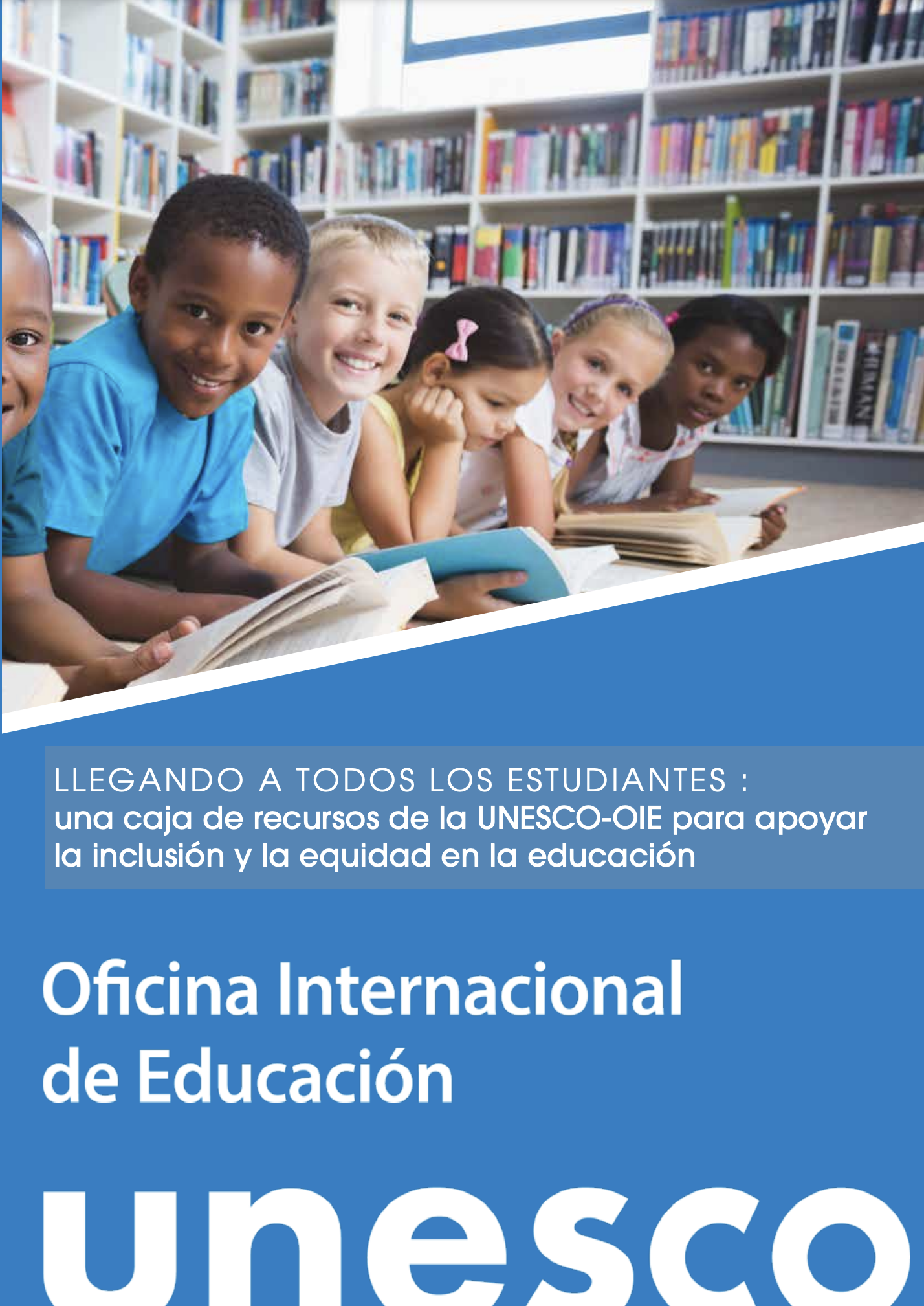
Guide "Reaching all students", UNESCO.
Teachers
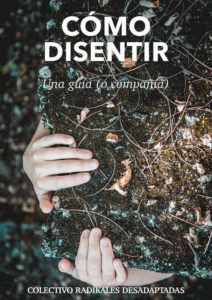
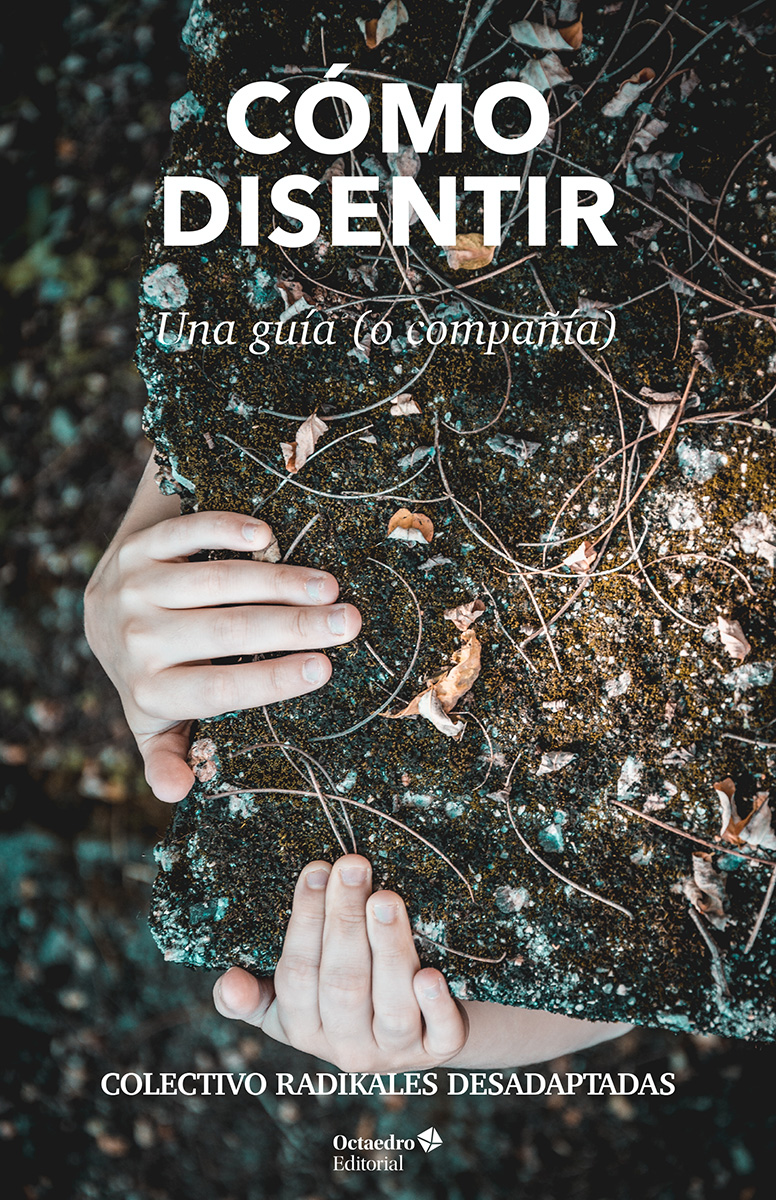
Cover of the guide 'How to Dissent. A Guide (or Companionship)'. Close-up of small hands holding onto a rock covered in vegetation.
Families
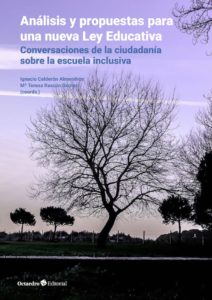
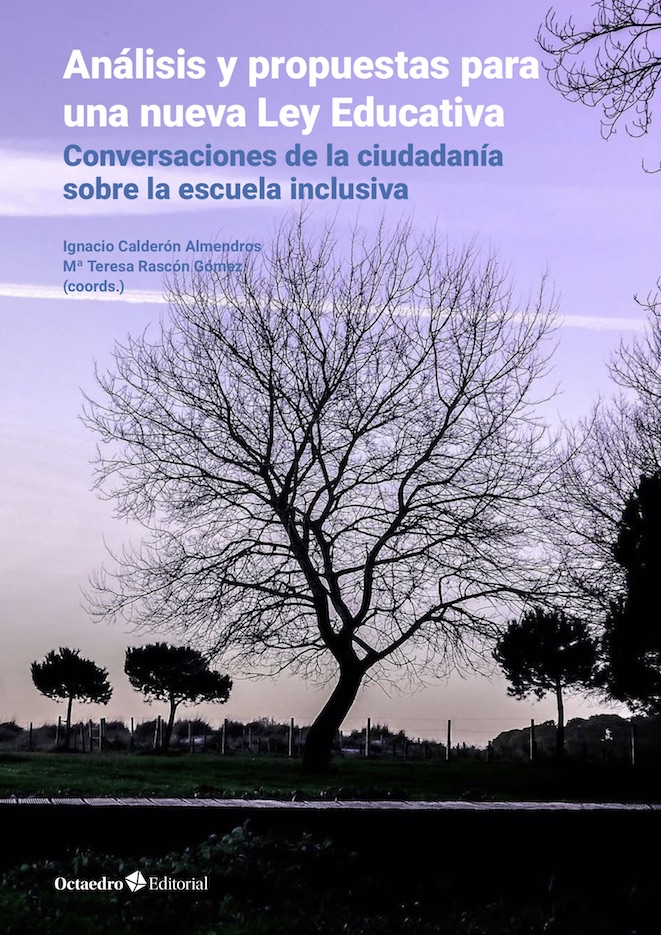
Cover of the guide 'Analysis and Proposals for a New Education Law: Citizens' Conversations about Inclusive School', by Ignacio Calderón Almendros and Mª Teresa Rascón Gómez. In the background, a photograph of a natural landscape at sunset. Photography by Paula Verde.
Policies

Guide for Schools

This guide is a resource that has been developed with the aim of helping schools to initiate and develop a Participatory Action Research process to make them more welcoming and inclusive. It is an open and versatile tool created to be implemented in any educational community. You just need to introduce the necessary changes to adapt it to your school reality… and voilà! You are ready to start!

We need the entire educational community to start researching, and for different formulas to be tried that lead to the desired outcome! We have created this guide to help you in the process of carrying out a Participatory Action Research process in your school, trying to generate knowledge and transform your reality with the active participation of everyone involved.

Guide for Students

A guide designed by students and for students, so they can develop their own research processes in their schools. A practical text that shows step by step how to embark on the path to improve your school, based on the voice of the students. The rest of the community can encourage the use of this guide, whose main value is that it is the students themselves who should lead the process.

Guide for Guidance Teams and Advisors

This Guide is the result of extensive work by the Alterevaluación Collective. It is the most complex guide that ‘Quererla es Crearla’ has built to date, as it uses professional language that links international scientific evidence with a series of proposals built in the language of practice. As Professor Mel Ainscow, one of the world’s most prolific and prestigious researchers in the field of inclusive education, explains in the prologue, the inclusive turn requires “moving away from explanations of educational failure that focus on the individual characteristics of children and their families, towards an analysis of the barriers to participation and learning that students experience within education systems. Here, the notion of ‘barriers’ draws our attention to the ways in which a lack of resources or experience, inappropriate curricula or teaching methods, and negative attitudes can limit students’ educational progress.”

This guide aims to serve as a tool, but also as support, an argument, collective backing, and a “foundation” in the adventure of venturing into the unknown. You are no longer alone in your desire to transform your guidance practice. Let’s go together.

Guide for teachers

This is a resource box to support inclusion and equity from the UNESCO International Bureau of Education. The material focuses on three strategic questions:

  • How can schools grow to respond positively to student diversity?
  • How can teaching practices in the classroom be developed to ensure that lessons are inclusive?
  • How can schools involve families, partner schools, and the wider community in their efforts to be inclusive and equitable?

The resource box has been designed to foster forms of collaborative learning within a school or group of schools; in teacher training courses; and in continuing professional development workshops for teachers.

Guide for families

All human, social, economic, and cultural rights have always been won through dissent. Not being aware of this means accepting the permanence of the inequalities that crush us, and which are often understood as natural and inevitable.

This guide is an invitation to dissent. To question the current order of things, which places some people in a subordinate and defenseless position. It is necessary for these voices to be heard in school and in other spaces where life unfolds, because they hold the key to humanizing and recreating them. This text aims to accompany you in the process of disagreeing with injustices, thereby creating a community that builds new paths, imaginaries, and destinies.

Guide for inclusive educational policies

This text offers some proposals to pave the way for commitment to inclusion and equity in schools, which emerges from a series of conversations among students, families, teachers, researchers, management teams, and political representatives held during the COVID-19 pandemic lockdown. This document can contribute to the debate in the different autonomous communities for the construction of fairer education systems in line with Human Rights. Only a society that has learned to live with differences and value them will be able to take responsibility for a society that cares for the well-being of all its members. Inclusive education is the seed of inclusive societies, and now is the time to take the initiative in each of the territories of the State. Use the text to take action.