
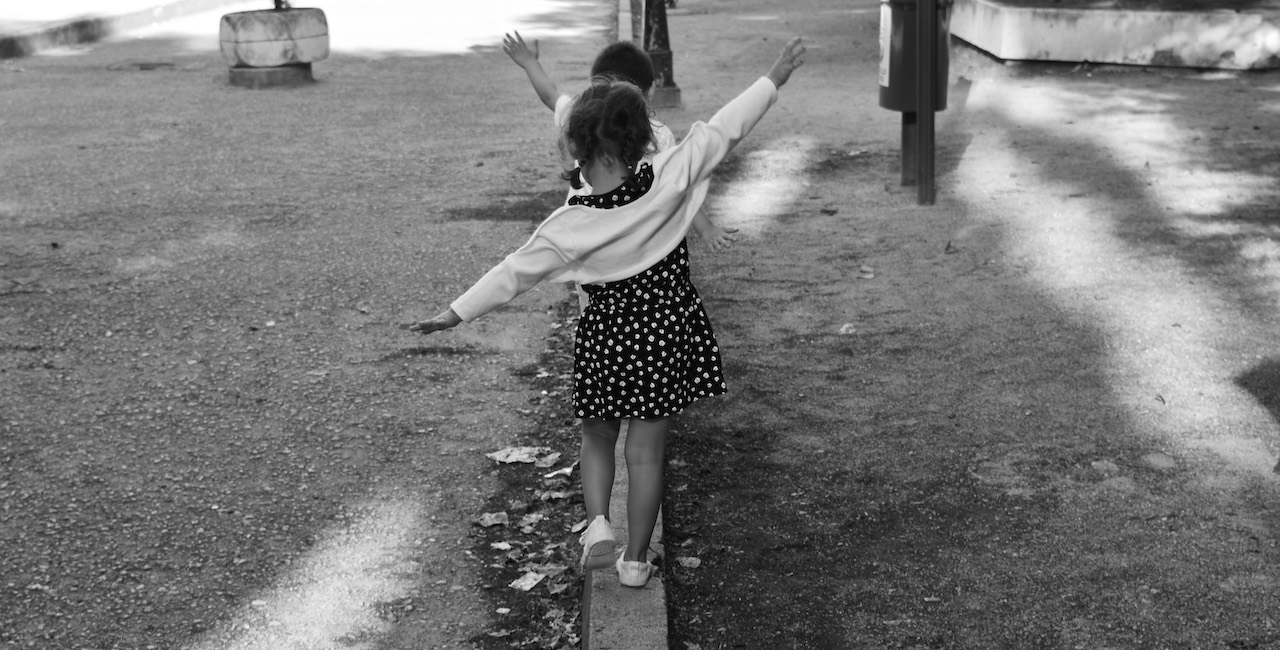
Towards the recovery of lost humanity
Even today, many children and young people experience their schooling (and their lives) under severe constraints that prevent them from developing freely in an educational environment that guarantees equity. Therefore, it is necessary for people to unite with each other and with other groups to build new future possibilities. Ways out of a situation of evident social and educational harassment, which allow for the construction of new life projects. But community life; we cannot make the mistake again of focusing on the individual. What we aim to show is precisely the two-way path between the personal and the structural (culture, policies, legislation, etc.), which permeates relationships.
And this new project must be based on alternative and counter-hegemonic ways of narrating and understanding life (personal and collective, school and social), which will reawaken the humanity that bureaucratic and socializing processes are mutilating. These resistances, structured collectively, which withstand the blows of stigma and the ideology of domination, end up distilling resilient experiences: people who manage to overcome adverse conditions in their experience without mortgaging their questioned humanity, thanks to a profound search for the meaning of life (Frankl, 2010).
Communal movements of resistance allow individuals to overcome the bruises of psychological wounds, rising from the world of the dead (Cyrulnik, 2002) by reclaiming their stolen humanity. And if we are narratives, as Bruner (1991) posits, we can create and recreate the stories of our personal and collective lives, redesigning our wounded identities. Therefore, the recovery of life stories allows us to break free from the boundaries of normality, because they question the unquestioned, creating new vital and social maps driven by the desire for change. This is necessary work for unconditional support in the fight against inequality (for whatever reason), to show the legitimacy and value of common voices, in the human (not therapeutic) accompaniment of teachers to their students, and in making public the stories that question and move boundaries. Because they question them as they can subvert power, and they are resilient because they necessarily harbor reconciliation within them.
References:
- Bruner, J. (1991). Acts of Meaning. Beyond the Cognitive Revolution. Alianza Editorial.
- Cyrulnik, B. (2002). Ugly Ducklings. Resilience: An unhappy childhood does not determine life. Gedisa.
- Frankl, V. (1991). Man’s Search for Meaning.Herder.
A book full of stories
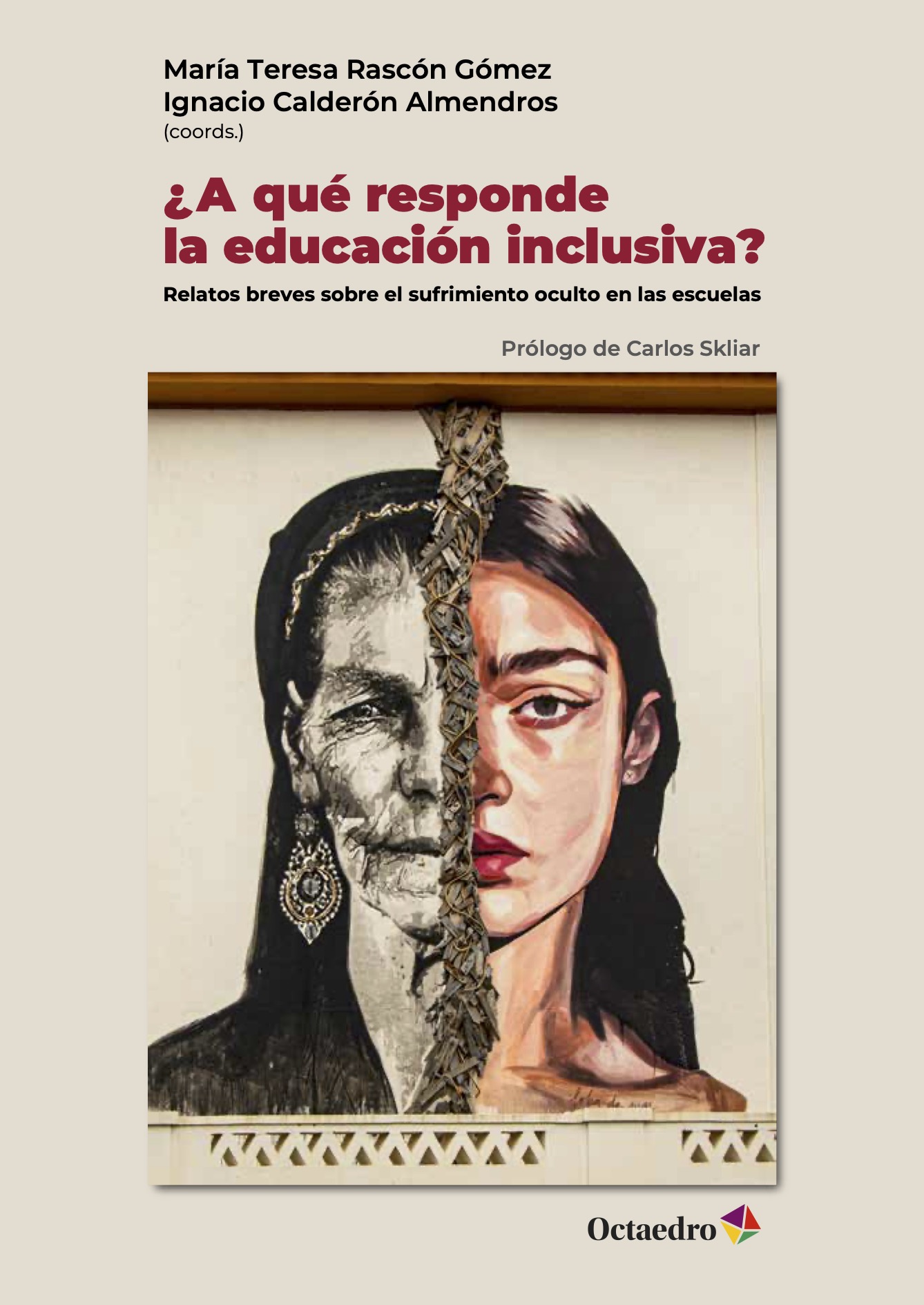
La publicación de este libro responde a una preocupación por el sufrimiento que se produce en las escuelas y entre las familias a causa de los procesos de estigmatización y discriminación que padece el alumnado nombrado por la discapacidad. Esta preocupación no es baladí ni fruto de una ocurrencia de quienes escriben estas palabras. El sufrimiento constituye el germen que moviliza el proyecto de ensanchar el valor de las escuelas para toda la ciudadanía sin excepción.
El libro comienza recopilando once relatos cortos que reivindican that part of reality that can only be known through thedeep gaze of people affected by disability, whoconstruct their knowledge systems immersed in a contexttainted and clouded by social representations and by a schoolsystem that denies differences and delegitimizes them. The second partof the work consists of an analysis that accompanies the brief narrativescollected here and others that have been selected from the informationgathered in the research “Emerging Narratives for the Constrution of inclusive schools” developed at the University of Malaga.
Although this book focuses on the darkest aspects of the school institutionand the denunciation of the painful situations it causes for someindividuals, the narratives of these short stories, as well as thosethat we have developed in the research project thatsupports this book, constitute the seed of the most beautiful effectthat could be imagined: the emergence of the social movement foreducation that promotes an inclusive society called “Quererla es crearla.
Estas páginas muestran la necesidad de poner en el epicentro del discurso de la inclusión la voz del alumnado, el profesorado comprometido y las familias; de reconocerlos como activistas con capacidad para mostrar, desde sus experiencias narradas, la necesidad de desafiar el proceso de etiquetado, y de protagonizar investigaciones comprometidas con el cambio educativo y social que habilitan nuevas cartografías vital and drive a social movement for the right to education.
- Access theGuide, available in theOctaedro Editorial.
In-depth life stories
Life stories offer us a privileged opportunity to understand people’s social experience because they reveal their ways of understanding what they live, the experiences they have, their conditions, the groups they belong to, their frustrations and desires, etc. They show us an important part of the environment in which they live, in this case, fundamentally the school.
These texts vindicate that part of reality which can only be known through the deep gaze of the subjects, who construct their knowledge systems immersed in a specific context.
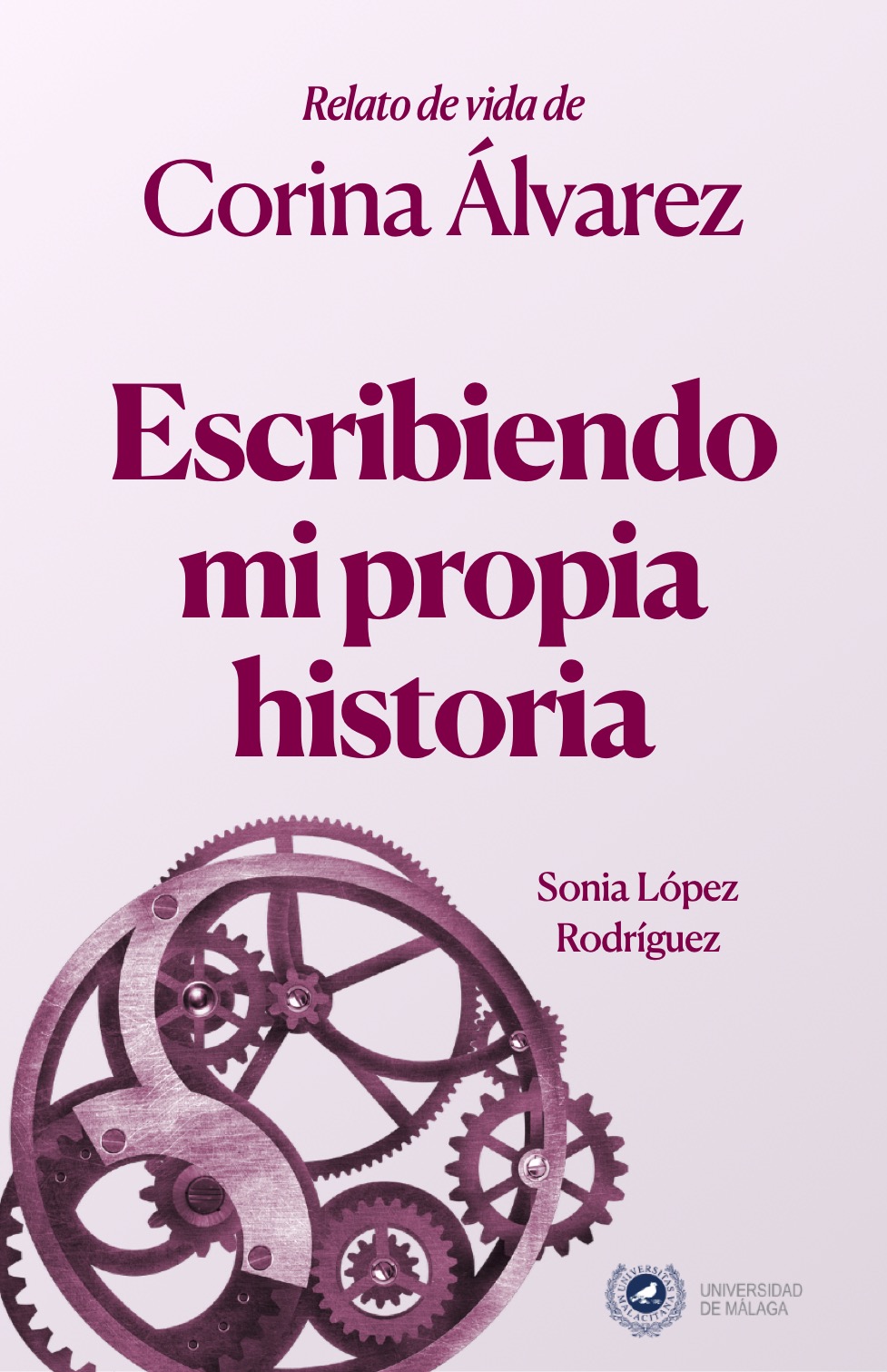
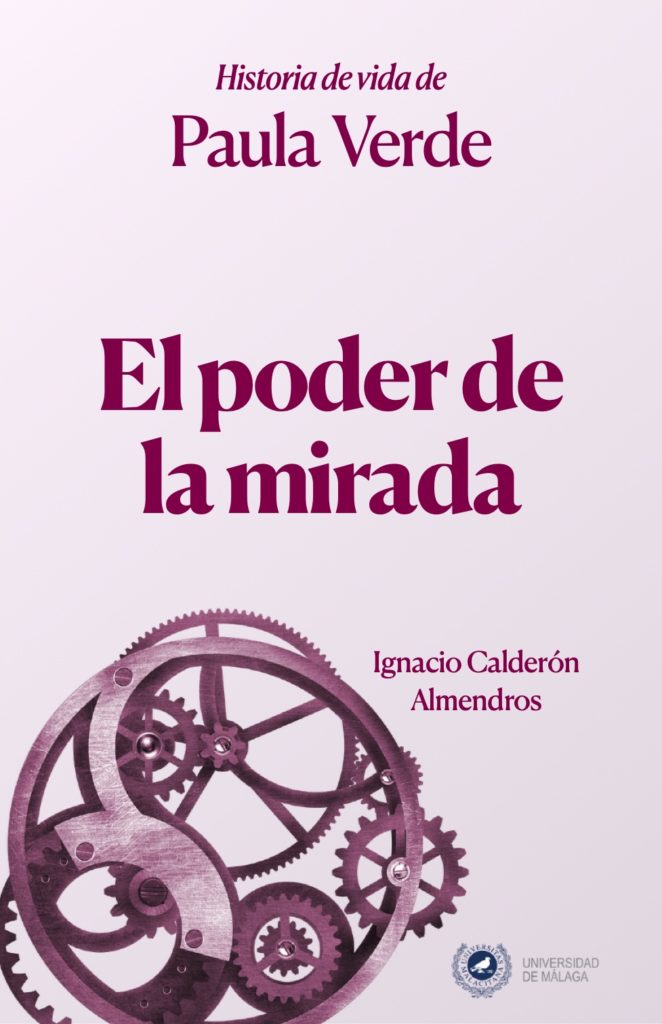
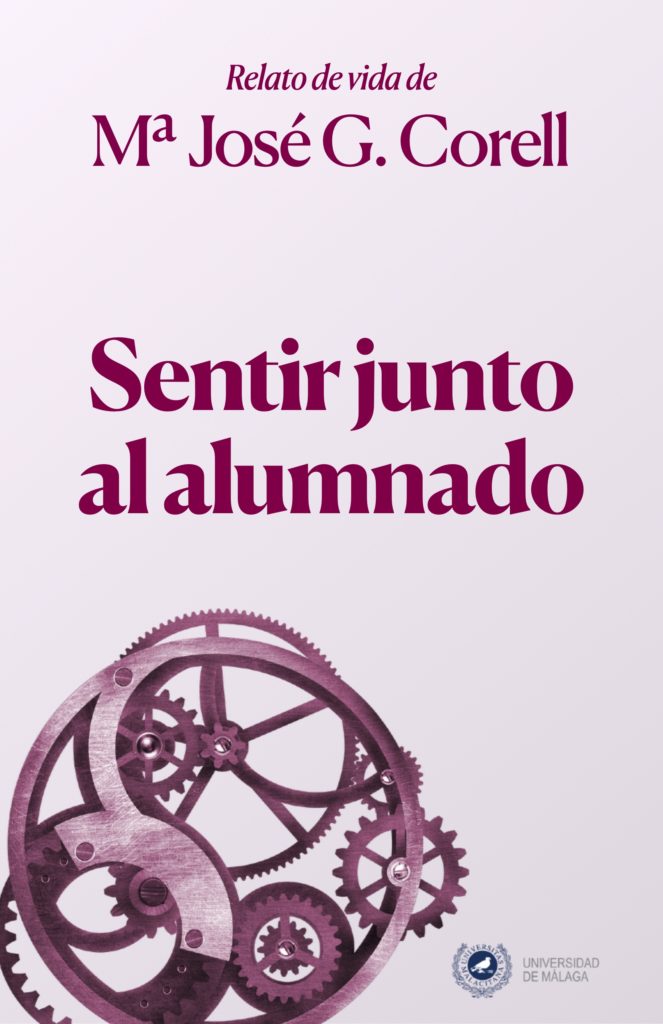
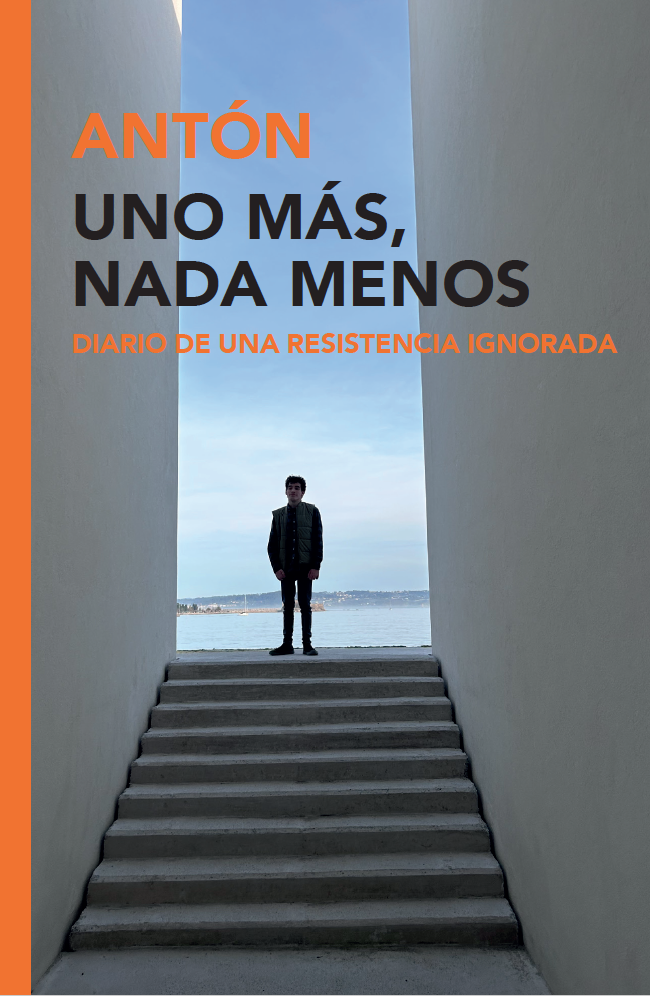
Brief stories about a school to be revealed
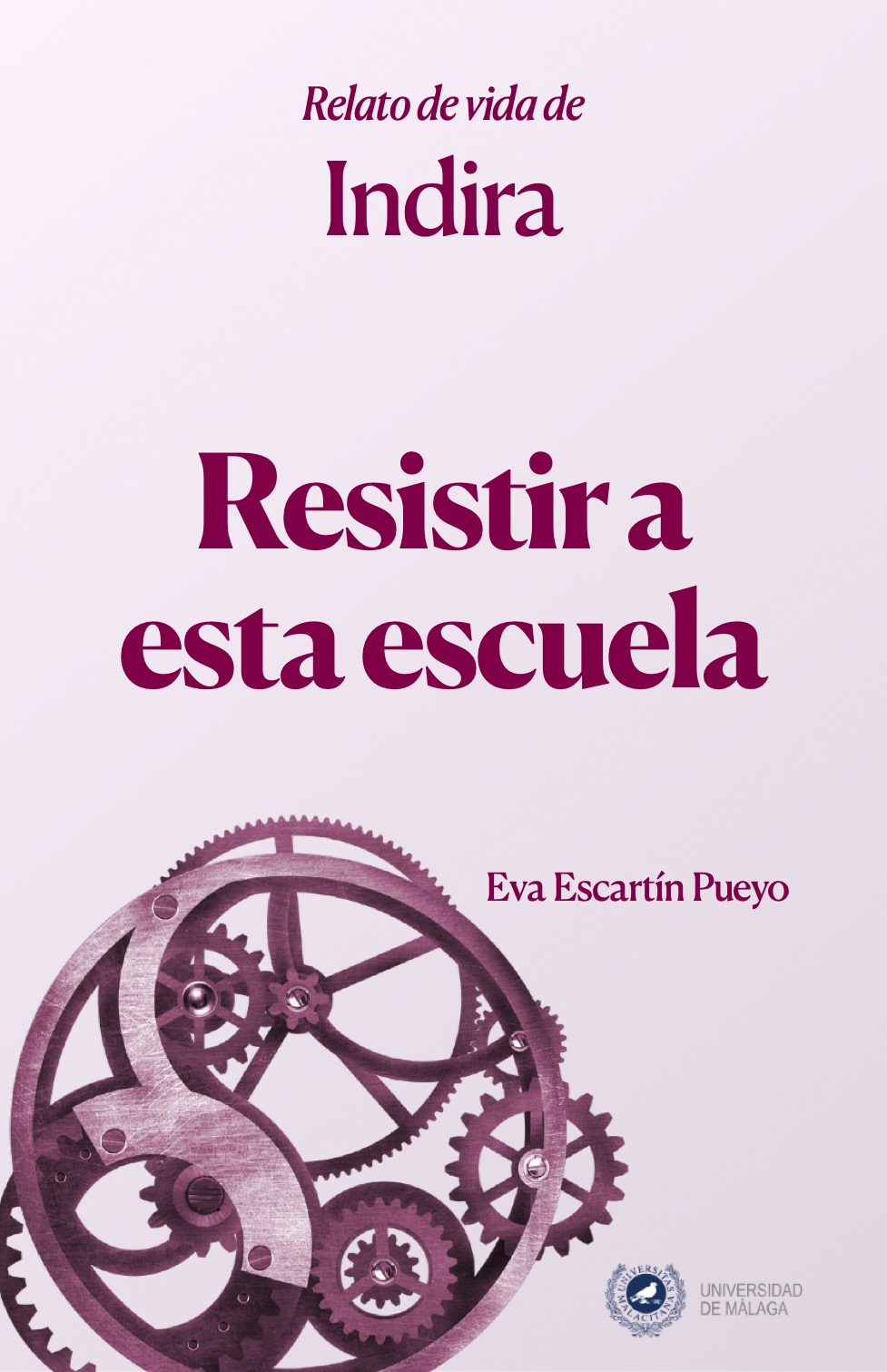
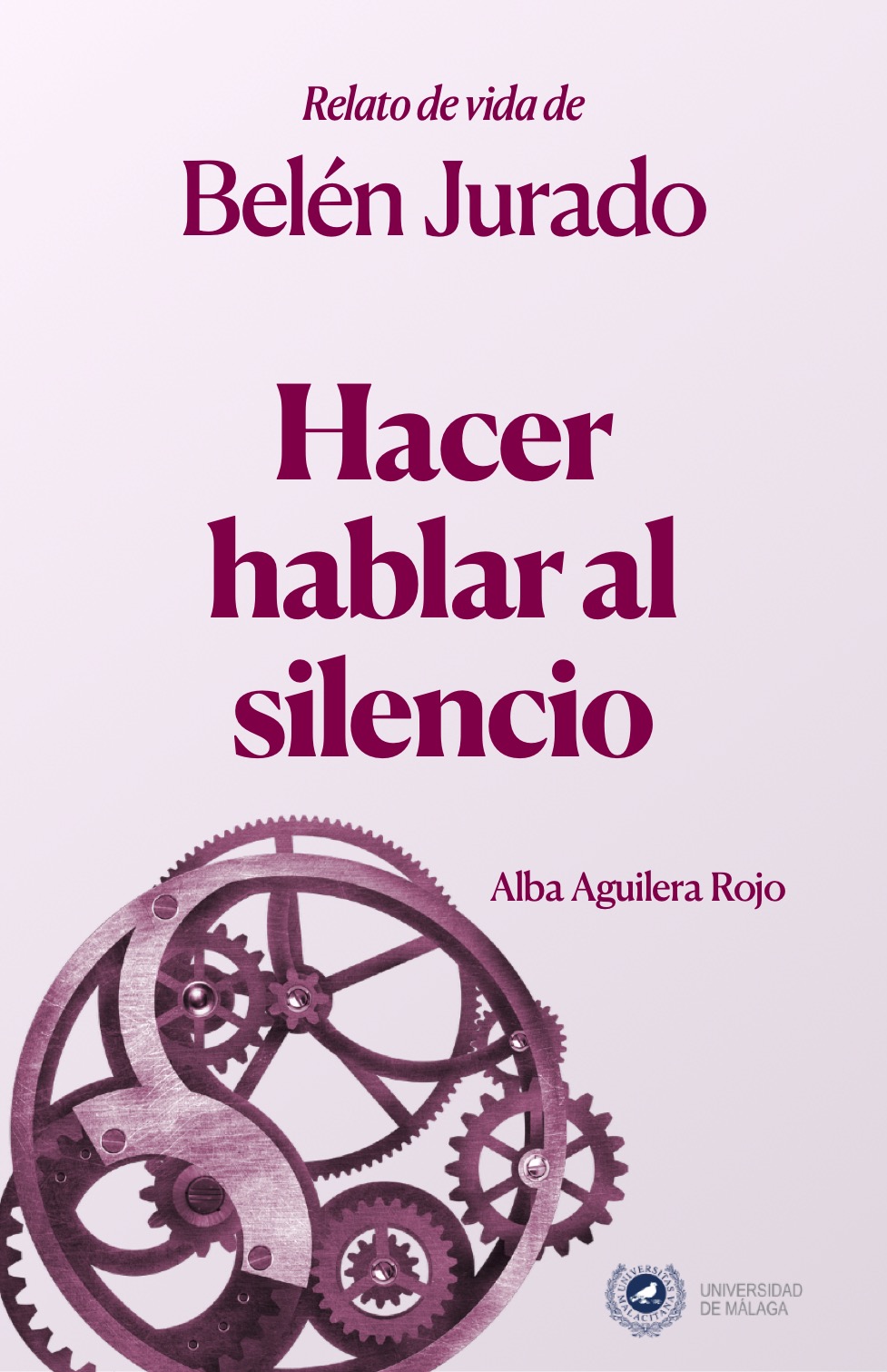
Life stories offer us a privileged opportunity to understand people’s social experience because they reveal their ways of understanding what they live, the experiences they have, their conditions, the groups they belong to, their frustrations and desires, etc. They show us an important part of the environment in which one lives, in this case, fundamentally the school. These texts vindicate that part of reality that can only be known through the deep gaze of the subjects, who construct their knowledge systems immersed in a given context.

Stories in audiovisual format
Among the stories constructed, there is a series of accounts that are available in audiovisual format. This makes them ideal as tools to provoke reflection in training processes. We encourage you to watch, debate, share, disseminate…
Documentary "Quererla es Crearla"
This film reflects on inclusive education through various interwoven stories in defense of the right to inclusive education. It begins with the case of Rubén Calleja, who was expelled from his primary school and forced to attend a special education center, something his family refused to accept.
His legal battle is the common thread for other deep and complex struggles shared by a group of students and their families. The unfinished stories from the documentary have been recorded and will be published in this space.
I am Quim and this is my life
Quim Llisorgas was only three months old when doctors told his parents that their son would be a vegetable: he would have no mobility and would not be able to speak. 18 years later, Quim speaks, plays football, studies, and a few days ago he started a theater course to fulfill one of his dreams: to be an actor.” (La Vanguardia, 12/4/2013)
Quim’s story confronts the constant judgments and prejudices that undermine the lives of people labeled with disability. One of them is that, despite having completed all four years of ESO (Compulsory Secondary Education), he did not obtain a Secondary School diploma. This reality is as common as it is unjust, and Quim’s story helps us question its logic and legitimacy. You can read his storyHEREand watch this short subtitled video inSpanishorCatalan.
14 years later (in February 2026), the High Court of Justice of Catalonia (TSJC) orders the Department of Education and the Escola Pia de Mataró to issue him the degree of graduate in Compulsory Secondary Education (ESO) retroactively from 2011-2012. “The court declares that the educational center and the Administration acted in a materially illegal manner by hiding, not preserving, or not providing Llisorgas’s individualized support plan, who interprets Hèctor in the TV3 series ‘Com si fos ahir’.” (El Periódico, 02/17/2026)
Audio Description [AD]: Close-up of Quim against a white background.
Quim:— Hello, my name is Quim and I am 18 years old. I live in Vilassar de Mar and this is my story. Since I was very young, I have attended schools that were not special schools. I started in nursery school when I was less than a year old. That... I don't remember very well, but I remember that I was treated well. I was treated well.
And then, I went from nursery school to Escola del Mar. I don't remember the beginning either, but in the end, I remember it was a good school and a place where I felt comfortable.
After Escola del Mar, I went from Escola del Mar to Santa Anna, where, despite some problems I had at Santa Anna, I had a good period. Well, from the first year to the 4th, I had a good period. And then, in the fourth year, I had a lot of problems continuing.
When I finished 4th year of ESO, they didn't give me the diploma. I wanted to study theater, but I have no other options. We went to the Territorial Services and the EAP, and they became very stubborn about giving us the diploma.
No one in all these years has wanted to give me a hand. Currently, I am in an adapted PQPI, at Miquel Biada, in Mataró. With this, they won't give me the diploma either, and we are back at the beginning.
I want to be an actor, a professional actor to appear in important series or movies and stuff. And also... Well, I want to be an actor... an actor. And that's it.
(Music)
Audio description [AD]:Close-up of Quim.
Quim:—My name is Quim and this is my life.
Audio description [AD]: Quim speaks and laughs with someone off-camera.
Quim:— He was too shy, right? On camera?
Voice 1 (off-camera):— But that's normal, isn't it? The first few times always...
Quim:— Yes.
Shot 1 (off-screen):—Don't worry. I'd be shy too, especially if I had to explain my life.
Audio Description [AD]:Close-up of Quim after talking with the off-screen person. He seems to be thinking about something or waiting (subjective assessment).
Voice 1 (off-screen):—Well, that's it. We've got it!
Voice 2 (off-screen):—Are you done already?
View 1 (off-screen):—Yes.
Audio description [AD]:Quim gets up and leaves. Fade to black.
Audio description [AD]:Close-up of Quim against a white background.
Quim:—Hi, my name is Quim and I'm 18 years old. I live in Vilassar de Mar and this is my story. Since I was little, I've attended schools that weren't special schools. I started in nursery school when I was less than a year old. I... I don't remember it very well, but I remember they treated me well. They treated me well.
And then, I moved on from the nursery at Escola del Mar. I don't remember the beginning, but in the end, I remember it was a good school and a place where I felt comfortable.
After Escola del Mar, I went from Escola del Mar to Santa Anna, which, apart from some problems I had at Santa Anna, I had a good period there. Well, from the first year to the 4th, I had a good period. And then, in fourth year, I had a lot of problems continuing.
When I finished 4th year of ESO, they didn't give me the diploma. I wanted to study theater, but I didn't have other options. We went to the Territorial Services and the EAP, and they were very stubborn about giving us the diploma.
Nobody in all these years has wanted to lend me a hand. Currently, I am in an adapted PQPI, at Miquel Biada, in Mataró. With this, they won't give me the diploma either, and we are back to square one.
I want to be an actor, a professional actor to appear in important series or movies and such. And also... Well, I want to be an actor... an actor. And that's it.
(Music)
Audio description [AD]:Extreme close-up of Quim.
Quim:— My name is Quim and this is my life.
Audio description [AD]: Quim speaks and laughs with someone off-camera.
Quim:— I was too shy, right? On camera?
Voice 1 (off-camera):— But that's normal, isn't it? The first few times always…
Quim:— Yes.
Voice 1 (off-screen):— Don't worry. I would also be shy, especially if I had to explain my life.
Audio description [AD]: Close-up of Quim after talking with the person off-screen. He seems to be thinking about something or waiting (subjective appreciation).
Voice 1 (off-screen):— Well, that's it. We've got it!
Voice 2 (off-screen):— Are you ready?
Voice 1 (off-screen):— Yes.
Audio description [AD]: Quim gets up and leaves. Fade to black.
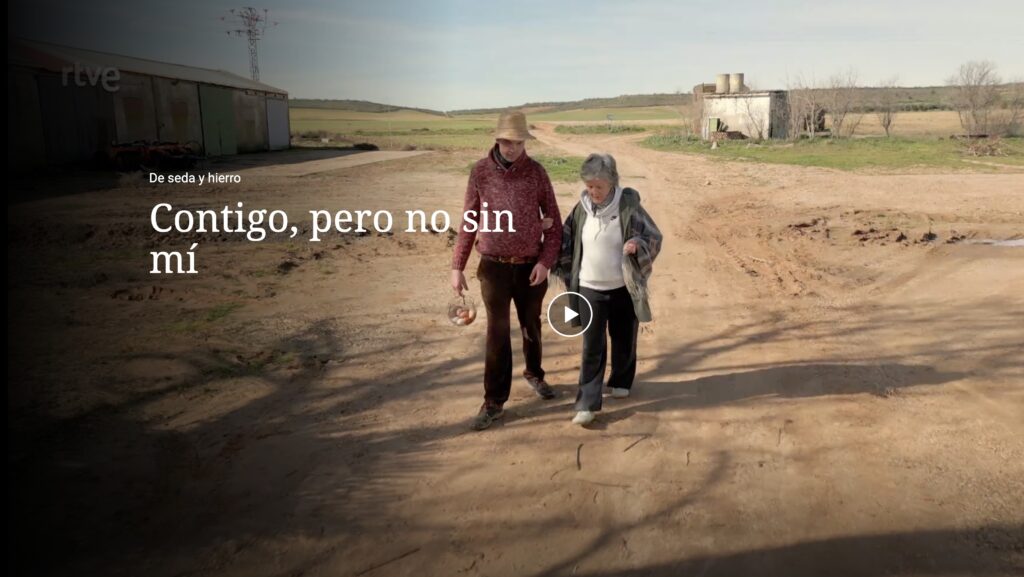
With you, but not without me
Report directed by Laia Oliver, and broadcast on 10/12/2024 in the program “De seda y hierro” on La 2 of RTVE, which addresses “the daily life of persons with disabilities in images and sensations”. One of the two stories in the report is that of Raúl Aguirre, a member of Quererla es Crearla, who previously shared his story with his mother, Concha Casasnovas. Raúl’s story illustrates the human desire for freedom, and the need to understand our interdependent nature.
(Music)
Audio description [AD]. Program intro Of Silk and Iron , by RTVE.
Shot of Raúl Aguirre walking through a natural environment. He approaches a chicken coop, collects eggs, and carefully places them in a metal basket.
Raúl Aguirre - R.A.:— I fight for different rights, so that they listen to us, so that they can give us a voice, so that they respect us. For a dignified life.
(He addresses the chickens) Come on…
Audio description [AD]:—From inside a room, Myriam Arnáiz speaks on a balcony with her dog, Carrie. Myriam uses a grabber tool to serve him food and then watches him.
M.A.:—(Speaking to Carrie) Who's going to feed you? Mommy, right? Come here. Come here, Karim.
M.A. (v.o.):—If you had asked me two years ago if I had achieved my dream, I would have answered no. But today, currently, I would say yes. It has taken me a lot of work, a lot of effort, and I am very proud of all the little steps I have taken.
(Music)
Audio description [AD]:—Raúl feeds the chickens. His mother, Concha Casasnovas, enters the coop.
Concha Casasnovas (C.C.):—(Addressing the chickens) Girls, let's go inside.
(Addressing her son) Hi, Raúl, how are you?
R.A.:—Good morning, Mom.
C.C.:—How are you, son? You're here, you came quite early today, didn't you?
R.A.:—Yes, because I had to count how many eggs there were.
C.C.:—Very good, and what else? Do you have anything this afternoon too?
R.A.:—Yes. I'm going to (Raúl signs the word 'work') work.
C.C.:—Ah, okay.
Audio description [AD]: Raúl and Concha continue speaking inaudibly.
R.A. (v.o.):— I live in the countryside, in my house.
Audio description [AD]: Close-up of Raúl.
R.A.:— I have been doing an independent living project for four years.
Audio description [AD]: Concha Casasnovas and José Luis Aguirre, Raúl's parents, in their home.
C.C.:— Raúl is our second son. Starting at three and a half years old, he developed an epileptic condition with seizures that incredibly disrupted our entire family.
We went from neurologist to neurologist, and finally, they sent us to Marseille to Dr. Gastó's clinic, where they determined that his illness was Lennox-Gastaut syndrome.
The diagnosis was a tremendous blow, and at the same time, it was absolutely liberating to know what was happening.
(Sound of chickens)
Audio description [AD]: Raúl and his mother together, feeding and caring for the chickens
C.C. (o.s.):—He came here during the pandemic because we brought him with us.
Audio description [AD]:Close-up of Concha.
C.C.:—He was living in a supported living facility at the time and saw an empty house and started saying he wanted to live there, and we didn't believe him.
Audio description [AD]:Close-up of a village house with a white facade and tiled roof. Next to the entrance door, a sign that reads "La casa mía", next to an illustration, by Raúl.
Next, Raúl and Concha come out of the chicken coop and walk hand in hand.
Close-up of José Luis.
José Luis Aguirre (JO.A):—The feeling it awoke in me, at least for me, was that the tremendous protection he had had for 18 or 20 years was starting to unravel and he would have to face problems in his own way.
Audio description [AD]:Raúl and Concha walk hand in hand.
C.C.:—Well, sweetie, I'm going home now. Are you going to yours?
R.A.—I'm going, yes, Mom.
C.C.:—Okay.
Audio description [AD]:Raúl and Concha say goodbye. Concha picks up the basket of eggs and goes to her house.
C.C.:—I take care of Ismael's eggs, right?
R.A.—Okay, yes.
C.C.:—Come on.
R.A.—Bye, Mom.
C.C.:— Chao, hasta luego, hijo.
R.A.— Adiós.
(Música)
Audiodescripción [AD]: Raúl camina tras despedirse de su madre. Concha se gira para verle antes de entrar en casa.
A continuación, primer plano de Concha y José Luis.
C.C.:— Personal assistance has been essential in the steps taken and that will continue to be taken.
Audio description [AD]:As the song 'My Way' plays, the camera follows Raúl walking until he reaches his house, where he enters. The song continues as Myriam Arnáiz, seated in a wheelchair, looks at herself in the mirror and applies intense red lipstick. After applying her makeup, Myriam smiles at herself in the mirror (subjective assessment).
🎵
'To live, always to live, I will face it serenely.' 'I have always been like this, I will tell you sincerely.' 'To live intensely and I never found borders,' 'and all of it was my way.'
🎵
Myriam Arnáiz - (M.A.):—I am from Seville, although I currently live in Madrid, in a rented apartment, but I have just bought an apartment. I am very eager to start my independent life project there and, above all, with my little dog, Carrie.
Audio description [AD]:—Myriam pets and kisses her dog, Carrie. Then, she opens one of her closets and, using a reacher grabber, picks up some shoes from the lower drawers.
M.A.:—I call myself “the Madonna of disability” because I believe I’m doing a good job of making independent living visible, making the rights of persons with disabilities visible.
Audio description [AD]:Close-up of Myriam.
M.A.:—I have a physical disability, diastrophic dysplasia, which is a musculoskeletal disability that, well, mainly affects the muscles and bones of the upper and lower limbs. (Music)Audio description [AD]:Myriam is in a kitchen with just enough space for her wheelchair to turn. She adjusts her chair's height to align with the countertop and, with a little difficulty due to the limited space, picks up a mug and makes herself a coffee.
M.A. (v.o.):—A personal assistant is human support that is provided to persons with disabilities to perform tasks that we cannot do ourselves or that are really difficult for us to carry out.
Audio description [AD]:Close-up of Myriam.
M.A.:— Currently, I do not have personal assistance, because unfortunately, regrettably, we are in a situation now where accessing this service through the law is a miracle.
Right now, I have home help, which is one hour a day, and, at the moment, with home help, I cannot enjoy that... well, enjoy... I cannot have that ease of developing my daily life outside my usual environment, which is my home.
(Music)
Audio description [AD]:In the distance, surrounded by nature, Raúl and Sacha Novalbos walk through the countryside.
Sacha Novalbos - (S.N.):—How was your weekend, Raulete, we haven't seen each other?
R.A.:— Good, Sacha.
Audio description [AD]:Close-up of Sacha.
S.N.:— I'm Sacha, and I'm Raúl's personal assistant.
Audio description [AD]:Raúl and Sacha chat while walking in the countryside.
R.A.:—Well, cleaning up poop…
S.N.:—…from the chickens?
R.A.:—Yes.
Audio description [AD]: Close-up of Sacha.
S.N.:—I've been working with Raúl for six and a half, almost seven years. Where he needs the most support is in daily living activities, but then we also work on a lot of other areas. Social, family life; when he has a conflict or wants to prepare a dinner for them, he also counts on me.
Audio description [AD]:Raúl and Sacha chat in Raúl's kitchen. On a nearby wall, there's a whiteboard full of schedules, notes, and reminders.
S.N.:—Are you going to need any support today?
R.A.:—Yes, Sacha.
S.N.:—Tell me.
R.A.:—You have to help me prepare a Spanish omelette.
S.N.:—Of course! Shall we write it down?
R.A.:—Okay, yes. S.N.:— Do you have the ingredients? R.A.:— Yes, Sacha.
S.N.:—Well, let's get to it.
Audio description [AD]:Close-up of Sacha.
S.N.:—Raúl and I spend twenty hours together a week, four hours a day, from Monday to Thursday. He is my boss and in the end, he does a bit of what he demands. Or where he has more shortcomings is where he asks for support.
Audio description [AD]:Overview of a cattle feeder or similar.
S.N. (v.o.):—He asks me, above all, for tools, to be able to do activities more individually and more autonomously. Cooking plans, learning recipes, sign language…
Audio description [AD]:Raúl and Sacha walk through the empty feeder.
S.N.:—Are there many nests this year?
R.A.:— Yes.
S.N.:— Yes? And the nest that is placed there, the bird that always sits there?
Audio description [AD]: Close-up of Sacha.
S.N.:— I really like working with Raúl because, in the end, it's a very simple way of working. Because we've been together for so many years, we have so much trust, and we know each other so well, it makes the work, the vast majority of the time, very simple.
Audio description [AD]: Raúl and Sacha walk through the dining hall.
S.N.:—What was his name?
Audio description [AD]:Raúl responds to Sacha by signing. Sacha nods.
S.N.:—I don't remember. And the name was?
Audio description [AD]:Raúl spells the name in the dactylological alphabet.
S.N.:—Huh? Cernica… Kestrel, that's right, I didn't remember.
Audio description [AD]:Raúl applauds, raising his hands.
S.N.:—Bravo!
Audio description [AD]:Close-up of Sacha.
S.N.:—We both get very happy when he achieves goals, when he cooks, when we learn sign language and see that we can now have a conversation. That's when I feel that connection with Raúl.
Audio description [AD]:Raúl and Sacha walk through the feeding area.
S.N.:—Very cool. Let's go outside to see if there are more nests.
(Sound ofSad Nana, by Natalia Lacunza)
🎵
Carnations in your hair, the tattoo on your skin.
🎵
Audio description [AD]:Close-up of Sacha.
S.N.:—It's a poorly paid job. We don't have an accredited personal assistant title, we don't have specific training as personal assistants. And I also think it's very important that we professionals are taken care of a little and given tools or resources to also work on our emotional and psychological side.
Audio description [AD]: Raúl and Sacha chat sitting at a wooden table.
R.A.:— I… give Sacha… a ten.
Audio description [AD]: Sacha nods with a smile and strokes his hand.
(Music)
Audio description [AD]: Myriam crosses a park along a wooden path. The rear view of her chair is shown, which has a sticker with the inscription 'Don't cry, Juanita'. Next, Myriam enters PREDIF offices and greets her colleagues.
M.A.:— Good morning.
Voices in unison: —Good morning!
Audio description [AD]: Myriam greets a colleague, who stands up to kiss her.
Colleague 1:— How are you, my girl? How was the weekend?
M.A.:— Okay, okay.
Audio description [AD]:As Myriam walks around the room, Gema Campos, head of PREDIF's Economic Area, approaches her and greets her.
Gema Campos - (G.C.):—How are you? How are you, Carrie?
M.A.:—Very well, much better now.
G.C.:—Shall I get you the computer, the tablet?
M.A.:—Yes, please, the laptop, the tablet, and the charger, please.
G.C.:—Did you bring food?
M.A.:—Yes.
G.C.:—Does it need to be lowered?
M.A.:—Yes.
Audio description [AD]:Close-up of Myriam.
M.A.:—Currently, I work for an NGO that advocates for the rights of persons with disabilities. Specifically, my work involves promoting and raising awareness about the right to independent living and the role of personal assistance. It is a right.
Audio description [AD]:Myriam is focused, working on her office computer.
M.A.:—It is a right that belongs to us, persons with disabilities, recognized in the UN Convention on the Rights of Persons with Disabilities.
And, furthermore, it is specifically stated in Article 19, which says that persons with disabilities have the right to live independently and to be included in the community on an equal footing with other citizens.
Audio description [AD]:Myriam works and talks with her colleagues. Afterwards, they eat together during their work break.
(Music)
M.A.:—What did you bring?
Colleague 3:—Rice with mushrooms.
M.A.:—Oh, how delicious!
Colleague 3:—It really is.
M.A.:— ¿Te lo has hecho tú?
Compañera 3:— Sí, me lo he enseñado mi mamá.
Audiodescripción [AD]: Una compañera le pasa un plato de comida a Myriam en la mesa.
G.C.:— Pues tú tienes pisto.
M.A.:— Thank you.
G.C.:—It looks very good, doesn't it?
M.A.:—Yes, well, it's the usual. I would really like to see a bit of what it entails, to be able to do that, but I don't know... the truth is, I order delivery. Because I don't have time, I'm stressed. I don't have time to shower, to get ready, to cook, all in one hour. It's frustrating, but oh well.
Audio description [AD]:Close-up of Sacha's hands as she rummages through papers inside a small metal box.
S.N.:—Let's see, Raúl, you still need to pay for these little envelopes.
Audio description [AD]:Raúl and Sacha chat sitting on a bed. Sacha has the metal box in his hands.
S.N.:—The electricity bill and the food, we have to go grocery shopping. Do you have money there?
R.A.:— Yes.
Audio description [AD]:Close-up of Raúl's hands, collecting the envelopes Sacha is giving him.
S.N.:—How much is for the electricity?
R.A.:— Twenty.
S.N.:—Let's see if you have money for everything.
Audio description [AD]:Close-up of José Luis Aguirre.
JO.A.:—Sacha works from a place of equality, so to speak. Because the way she treats Raúl is with total acceptance of Raúl as a person, just as he is, not as you want to make him. It has taught me a lot, because from that place, things are achieved.
Audio description [AD]:Close-up of José Luis and Concha.
JO.A.:—Also, with affection, respect, and taking your time, right?
Audio description [AD]: Primer plano de las manos de Raúl sobre un cuaderno, donde están dibujadas las diversas combinaciones de monedas que suman un euro.
S.N.:— Y para la comida de…
R.A.:— Seis euros.
Audiodescripción [AD]: Primer plano de la caja metálica en la que Raúl guarda los recibos y el dinero.
S.N.:— This one, if you want, you can take it to do the shopping, right? And we'll leave this one here for you to pay the electricity bill.
R. A.:—Okay.
Audio description [AD]:Close-up of Concha.
C.C.:—Sometimes the overprotection that we parents tend to have, it causes him a lot of rejection. And in fact, he names it in a very beautiful way. He says that he likes support, but he doesn't like help.
Audio description [AD]:Raúl and Sacha in the kitchen. Raúl is preparing to make a Spanish omelet.
S.N.:—Well, what ingredients do you need for the omelet?
R.A.:—Potatoes.
S.N.:—Yes.
R.A.:—The eggs. The pan.
S.N.:—And a little bit of…
R.A.:—Salt.
(Music)
Audio description [AD]: Close-up shot of Raúl peeling potatoes. Next, Myrian attending to a person in her office at 'Impulsa Igualdad'.
M.A.:— Buenos días, David, ¿qué tal? ¿Cómo estás?
David:— Hola, buenos días, muy bien. Aquí estamos.
M.A.:— Cuéntame, ¿en qué puedo ayudarte?
David:— Bueno, pues acabo de llegar a Madrid porque quiero seguir estudiando. Voy a hacer un máster y la verdad, voy a necesitar bastante apoyo.
M.A.:— Tell me, what kind of support does David need?
David:—Well, you see, at home, I need help getting dressed, with personal hygiene, and especially with domestic chores like ironing, cooking… It’s very helpful for me to have support when doing banking or grocery shopping.
M.A.:—I think, from what you’re telling me, the figure that best fits what you’re saying is personal assistance. Let me explain.
Through Impulsa Igualdad, you can hire personal assistance, either through the dependency law, or you can do it privately.
David:—If I decide to hire the assistance myself, can I choose the person who will be in charge of it and so on?
M.A.:—That's right, David, the strong point of the personal assistant role is that you choose everything, meaning you choose the personal assistant, you choose the hours, the activities, even the gender of the personal assistant.
David:—Well, count me in!
M.A.:—Great.
David:—Perfect.
Audio description [AD]:— Close-up of Raúl breaking and beating an egg in a bowl. Next, a close-up of Sacha.
S.N.:—Raúl is a very artistic person, very committed to his rights and the rights of others. He is very affectionate, very respectful, has a lot of empathy, and is a sweetheart.
Audio description [AD]:Raúl and Sacha in the kitchen. Raúl turns on the stove.
S.N.:—What number are you going to set it to?
R.A.:—At six.
S.N.:— Okay. Well, look at it carefully there. Perfect. If you need support, call me, okay?
R.A.:— Okay, Sacha.
Audio Description [AD]: Close-up of José Luis.
JO.A.:— Raúl awakens a very different energy from what people are usually accustomed to seeing. As he says, he makes everyone he interacts with laugh from the heart. It's a phrase he's used since he was little, even when he was quite ill.
C.C.:—His made-up phrase was: 'I love you.' And when you asked him what happiness was to him, he'd say: 'It's when your heart laughs.' I had forgotten that, yes, very beautiful.
Audio description [AD]:Concha and José Luis get emotional remembering these words (subjective appreciation).
Audio description [AD]:Raúl and Sacha in the kitchen. Raúl sings while stirring the omelet in the pan.
M.A.:—Come on, very good. Now slowly, so you don't burn yourself, you know.
Audio description [AD]: Raúl pours the potato omelet from the pan onto a plate.
M.A.:—There it is! Shall we see it? Big omelet, Raúl. Congratulations! Great.
Audio description [AD]: Raúl and Sachan high-five.
R.A.:—Thank you, Sacha.
Audio description: Myriam plays with Carrie, her dog. Family photos follow.
(Music)
M.A. (v.o.):—I am 36 years old. I am the youngest of three siblings. The oldest is Juanma. He also has a disability, the same one I have. And then my brother Frank, who is the middle one. He does not have a disability. And well, I am very close to them. The truth is, I am very lucky to have two brothers. We have always supported each other, we have respected each other.
Audio description:Close-up of Myriam.
M.A.:—My mother passed away recently, just a few months ago. María del Carmen, Maica, to her friends. She never doubted everything I could achieve.
Audio description [AD]:Myriam gets out of bed and sits in her wheelchair, which is placed next to her. Carrie, her dog, is by her side.
M.A.:—It was easy to fall into overprotection. And my mother always gave me wings, she trusted in everything, and with the panic that must have given her as a mother. 'This girl is going to Madrid alone.' She never put an obstacle in my way, because she was a born fighter. And that united us a lot.
(Sound of 'Me dijeron de pequeño' by Manuel Carrasco)
Audio description [AD]:Close-up of Myriam.
M.A.:—I'm talking about Carrie and... I get emotional. Carrie has given me life.
Audio description [AD]:Carrie runs towards Myriam, who is getting ready to take her for a walk.
M.A.:—She has given me the companionship and affection that I so desperately needed when I decided to get Carrie. Many people, because of my disability, told me: "You're crazy."
Audio description [AD]:Carrie gets into the elevator.
M.A.: (Addressing Carrie) You're so good!
It's going to be a challenge, and a beautiful challenge, because for me, taking care of Carrie and Carrie accompanying me is one of the most beautiful things I'm experiencing right now.
(Addressing Carrie) Shall we go outside? Come on, let's go.
(Manuel Carrasco's 'Me dijeron de pequeño' plays)
Audio description [AD]: Close-up of Raúl painting. On a wooden table, there are pencils, markers, and notebooks.
R.A. (V.O.):— I love painting because… it brings me richness and, at the same time, it's something with which I can express my different emotions and how I feel. I usually paint portraits when they ask me, as I might get paid two 20s or a fifty.
Audio description [AD]:José Luis photographs his son, Raúl, while he shows his works to someone close. Concha watches beside him.
Colleague:—I love this one by Lucía, it's super beautiful, with all the little animals.
Audio description [AD]:José Luis and Concha watch and photograph Raúl.
C.C.:—The truth is that it's beautiful.
JO.A.:—Look for one with a horse.
Audio description [AD]:Close-up of José Luis and Concha.
JO.A. (v.o.):—He wants to ride a horse, he has a series of hobbies that need to be covered, and, in addition, we work on him earning some money because everything costs money and the value of money.
C.C.:—May he be a little autonomous.
Audio description [AD]: Close-up of Raúl and his companion during the photo shoot. Raúl rolls up his sweater sleeve and shows a drawn figure and text on his shoulder. The background of the scene is a fabric in brown tones. His companion looks at the drawing, surprised (subjective appreciation).
JO.A.:—Let's see? Take that, man! Let's see?
C.C.:—And the legend, what's the legend? There, there, there.
Companion:—What does it say? Rights, equality, and freedom.
JO.A.:— Rights, equality, and freedom? That's quite something, go on. Very good.
(Electronic music)
Audio description [AD]:Urban landscape of buildings in Madrid. Next, Myrian is at MDA, a physiotherapy center. She is lying on a mat while Manu, her physiotherapist, hands her a small ball to do some exercises.
Manu:You take it with your hands. Up, up with the ball. Let go, take it, and down. If you don't squeeze, the ball will go.
Audio description [AD]: Myrian changes her posture and sits up to switch exercises. Manu shows her a resistance band, which she puts on her leg.
Manu:— This exercise is the exact opposite, antagonistic to the one we did before. It's a pulling exercise, so that in your day-to-day life you have the ability to pull things towards you.
The grip with your hands, as you know.
Audio description [AD]: Close-up of Myriam.
M.A.:— Manu is my physio, he's my trainer, because, well, I think he's also part of my independent living project: moving around, working on my body, and above all, working on my posture. Because, like it or not, I'm always sitting in a chair. That little bit of release, of exercise, does me good, both for my posture and for releasing that adrenaline and stress that we often experience day-to-day in a big city and that work can cause.
Audio description [AD]:Myrian joins in to perform a new exercise.
Manu:—Release and up, more, more, more, more. That's it, since you have quite severe scoliosis, we're giving it a bit of mobility. Come on, I inhale and release. Come on, let's go up, okay?
Let's do it. Come on, up, up, with the other one. Strong, you strong. That's it, very good. Okay, you're done. You're done, okay?
You alone.
Audio description [AD]:Myriam, standing and holding onto Manu, laughs and shakes her head.
Manu:You're on your own, you're on your own. Yes, come on. Hold on, hold on.
M.A.:But give me a second!
Audio description [AD]:Myriam stands up, without holding onto Manu.
Manu:If you are already doing well like this, come on, if you are perfect. Come on, hold on for me, five little seconds. I see you are trembling. Come on, slowly and down, okay?
Audio description [AD]:With Manu's help, Myriam flexes her legs to sit back on the floor.
Manu:—The leg. That's it. Perfect. Okay, great, right?
Audio description [AD]:Myriam smiles, claps, and high-fives Manu.
Manu:—Okay, so we've finished class now.
Audio description [AD]:Concha takes something cooked out of the oven. Next, a close-up of Concha.
C.C.:—Raúl recently received the "Inclusive Heart" award, which is an award given by a wonderful person who created it three or four years ago.
Audio description [AD]: Raúl and his family share a meal together. During the meal, Raúl shows the "Inclusive Heart" award to the camera.
C.C.:—He is a person with ALS. And since meeting Raúl, he found a special spark in Raúl that he considers essential for himself and for society.
Audio description [AD]: Raúl and his family share a meal, together.
JO.A.:— Well, I have some photos from those days here. Shall I show them to you?
R.A.:— Yes. Wow! What great photos!
Audio description [AD]: Close-up of a tablet showing photos from the award ceremony. Raúl is dressed as a lion.
Family member:—It's just that when they gave it to them, they were dressed as lions. Why did you decide to choose the lions from Congress?
C.C.:—Because it is in Congress where the laws must be changed.
Audio description [AD]: Close-up of a tablet showing a photograph of groups, in front of Congress, next to Dabiz Riaño. Almost all the people are dressed as lions.
C.C.:—Let's toast to the award.
Voices in unison:—First. By Raúl. For Raúl!
C.C.:—Happy birthday, Raúl! You rock!
(Music)
Audio description [AD]:Myrian leaves her house's entrance with Carrie.
M.A.:—Come on, Carrie! Yay!
Audio description [AD]: Close-up of Myrian
M.A.:— I've always noticed that to win people over, to win society over, I've had to try twice or three times as hard.
Audio description [AD]: Myrian walks Carrie through the park.
M.A.: I've always had to, I've felt that I've had to work very hard on my emotional management, my personality, my way of being.
Audio description [AD]: Close-up of Myrian.
M.A.:— That's why, many times, I also try to compensate with fashion and dressing, because I believe there's more to see in me than just my height.
When I talk about my disability, I always talk about my double disability, because, of course, it's my wheelchair and then my physical appearance. Maybe I'm walking with a friend who uses a wheelchair, and all eyes are always on me.
That impact that this condition still generates in society for people.
Audio description [AD]: Myrian meets Rubén, a friend, in the park.
Rubén:—Hi, Miriam. How are you?
M.A.:—Well, hello there!
Rubén:—Hi, Carrie!
M.A.:—What's up, handsome? What are you doing?
Rubén:— I brought my little guitar, to sing a bit.
M.A.:— I love it!
Rubén:— Come on, let's go.
M.A.:— Carrie, shall we? Let's sing, Carrie, come on.
Audio description [AD]: Myrian and Rubén, at home. Rubén plays the guitar and Myrian sings.
M.A.:—(Singing) Now is the time and not tomorrow, let the show begin again now that… I’m losing it…!
Rubén:—Come on, start, okay?
M.A.:—There, there. Rubén, don't laugh!
Audio description [AD]: Raúl and an equestrian guide take a white horse out of the stable at the Club de Hípica Doma Vaquera Aleada. Then, as Raúl ties a knot, the guide shows him how to do it.
Guide:—Close by here, Raúl, remember. We pull on that and it's done. Very good. Come on, let's brush him a little.
Audio description [AD]:Raúl brushes the horse.
R.A.:—(Speaking to the horse) I trust you, huh? Come on. Let's go. Let's go.
Audio description [AD]: Raúl unties the horse and walks it at sunset. Next, Rubén and Myriam play the guitar and sing 'Hay que vivir el momento' by Manuel Carrasco.
M.A.:—(singing) Now is the time and not tomorrow. Let the show begin again. Now that I no longer lose my calm in the face of so many fools of occasion.
Audio description [AD]:Close-up of Myriam.
M.A.:—I got this desire to conquer the world from my mother, and it's the greatest pride I think my mother can have in me now. To say, 'Mom, I'm still going, I'm still getting everything done.'
Audio description [AD]:José Luis and Concha watch Raúl, who is riding a horse.
R.A.:—Thank you, parents, for the love.
Audio Description [AD]:Close-up of Myriam singing 'Hay que vivir el momento' by Manuel Carrasco.
M.A.:—(Singing) Look, you have to live in the moment. Look, you have to live in the moment. Tonight the clock hands will dance. Now I just want, now I just want. Look, you have to live in the moment. Look, look, you have to live in the moment. I feel like a hurricane inside my heart. Now I just want,
now I just want. You have to live in the moment.
Audio Description [AD]:Final credits. Laia Oliver, direction; María Galiacho, assistant director; Julia Fernández, script; Beatriz Chicharro, production; Carlos Serrano, executive production; Lorena Barrio, production; Amanda Padillo, production assistant. Diego Cerezo, editing; Carlos F. Arroyo, color grading; Marta Garabatos, post-production; Diego Arévalo, sound post-production.
Muy Films Team: Julio Cuspinera, sound technician; Jaime A. Rivero, director of photography; María José Mascarell, web and social media; Alejandro de la Llave, production manager; Irene Die, production assistant; Fernando Manjavacas, second camera operator.
Acknowledgments: David Fernández, Ana Gallardo, Rubén Mena, David Gómez, Patricia Pérez, Gema Campos, Jaime Aguirre, Diego Aguirre, Kaótica Libros, CEMIR Plena Inclusión, Impulsa Igualdad, Club de Hípica Doma Vaquera Aleada, MDA Fisioterapia.
Subtitling by Accesibilidad TVE.
Scientific productions based on biographical narratives
Some scientific publications
- VILA MERINO, E., RASCÓN-GÓMEZ, M.T. & CALDERÓN-ALMENDROS, I. (2024). Disability, stigma, and suffering in schools. Emerging narratives for the right to inclusive education.Educación XX1, 27(1), 353-371. Access the publication, available inPDFandonline.
- CALDERÓN-ALMENDROS, I. & ECHEITA-SARRIONANDIA, G. (2022).Inclusive Education as a Human Right. The Oxford Research Encyclopedia of Education .
- CALDERÓN-ALMENDROS, I. & RASCÓN-GÓMEZ, M.T. (2022). Weaving struggles for the right to education: Collective and personal narratives for inclusion from the social model of disability.Pedagogía Social. Revista Interuniversitaria, 41, 43-54. Access the publication, available inPDFandonline.
- SOLDEVILA-PÉREZ, J.; CALDERÓN-ALMENDROS, I. & ECHEITA, G. (2022). My (school) life is expendable: radicalizing the discourse against the miseries of the school system . In J. Collet, M. Naranjo & J. Soldevila (Ed), Global struggles for inclusive education: lessons from Spain (pp.17-32). Springer, Switzerland.
- CALDERÓN ALMENDROS, I. & RASCÓN GÓMEZ, M.T. (2021). Rhetorics, possibilities, and torn childhoods. On inclusive education in the LOMLOE . Cuadernos de Pedagogía , 526 , 74-80.
- CALDERÓN ALMENDROS, I.; RASCÓN GÓMEZ, M.T. & ALONSO BRIALES, M. (2020). Researching to build inclusive education. In Vila, E. and Grana, I. (Coords.), Educational research and social change. Octaedro, Barcelona.
- CALDERÓN ALMENDROS, I.; MORENO PARRA, J. & MOJTAR MENDIETA, L. (2023). School inequality and discrimination based on ability during confinement. Family experiences in participatory research processes. Revista Complutense de Educación, 34(4), 945-954. CALLEJA LUCAS, A. (2023). The reality of the right to inclusive education. enTERA2.0, 10 , 158-164.
- JURADO, B. (2023). Defeat that monster . enTERA2.0 , 10, 175-183.
- CALDERÓN ALMENDROS, I. (2023). Weaving stories of exclusion and struggles for the right to education to build collective hope . enTERA2.0 , 10, 57–63.
Conference presentations at scientific congresses
- CALDERÓN-ALMENDROS, I. & AINSCOW, M. (2025). Inclusive education: maps, borders, and pathways to success.Theory of Education. Interuniversity Journal, 37(2), 57–76. https://doi.org/10.14201/teri.32438
- RASCÓN-GÓMEZ, M.T. & MOJTAR-MENDIETA, L. (2021).Inclusive or exclusive education? A challenge for the Spanish School system.Paper presented at World Educational Research Association 2021 Focal Meeting, Santiago de Compostela, Spain.
- CALDERÓN-ALMENDROS, I. (2022).Involving communities in the promotion of inclusive school cultures . 1st International Conference on Education and Training – Thinking education in transition times, Lisbon, Portugal.
- CALDERÓN-ALMENDROS, I.; RASCÓN-GÓMEZ, M.T. & MOJTAR-MENDIETA, L. (2022).Intersectionality, emerging narratives, and inclusive education in Spain. Paper presented at theAmerican Educational Research Association Annual Meeting 2022 (AERA). San Diego, USA.
- RASCÓN-GÓMEZ, M.T.; CABELLO FERNÁNDEZ-DELGADO, F. & CALDERÓN-ALMENDROS, I. (2022).Emerging and transformative narratives on inclusive education through documentary cinema. Paper presented at theAmerican Educational Research Association Research Meeting 2022 (AERA), San Diego.
- CALDERÓN-ALMENDROS, I.; RASCÓN-GÓMEZ, M.T. & MOJTAR-MENDIETA, L. (2022).New Discourses for a Necessary Transformation: Intersectionality, emerging narratives, and inclusive education in Spain.Paper presented at theAmerican Educational Research Association Research Meeting 2022 (AERA), San Diego.
- CALDERÓN-ALMENDROS, I. (2022). Involving communities in the promotion of inclusive school cultures.1st International Conference on Education and Training – Thinking education in transition times, Lisbon.
- CALDERÓN-ALMENDROS, I., RASCÓN-GÓMEZ, M.T. & MOJTAR-MENDIETA, L. (2024).Emerging narratives, activism, and the struggle for the right to inclusive education in Spain.Paper presented at theBritish Educational Research Association (BERA) Conference 2024 and World Educational Research Association (WERA) Focal Meeting
Doctoral Theses
- ARCH, K.G. (2025). Building a future project among conditions, relationships, and meanings: deconstruction of social and educational trajectories of young adults with disabilities. A biographical-narrative study.Directed by: Ignacio Calderón Almendros and Beatriz Margarita Celada. National University of Comahue (Argentina).
Master's Final Projects
- BARRECHE PELÁEZ, E. (2024). Challenging normality. Diabetes in the classroom: Rocío’s educational experience. Final Project for the Master’s Degree in Social Change and Educational Professions at the University of Málaga. Directed by: Ignacio Calderón Almendros.
- LÓPEZ RODRÍGUEZ, S. (2022). Education, resistance, and intersectionality: life story of a Venezuelan woman with Down Syndrome. Final Project for the Master’s Degree in Inclusive Education, Democracy, and Cooperative Learning at the Central University of Catalonia. Directed by: Ignacio Calderón Almendros.
- ESCARTÍN PUEYO, E. (2022). Life story of Inar: the struggle to be seen in a school that excludes. An intersectional analysis to move towards inclusive education.. Final Master’s Project in Social Change and Educational Professions from the University of Málaga. Directed by: Ignacio Calderón Almendros.
- AGUILERA ROJO, A. (2022). Belén’s Biography: learning to be through activism for her daughter’s right to education. Final Master’s Project in Social Change and Educational Professions from the University of Málaga. Directed by: Ignacio Calderón Almendros.
- MOJTAR MENDIETA, L. (2020). The construction of a life between borders. Analysis for inclusive education from an intersectional perspective.. Final Master’s Project in Social Change and Educational Professions from the University of Málaga. Directed by: Ignacio Calderón Almendros.