Catalyze Workshop: Latin America Call
Call Terms
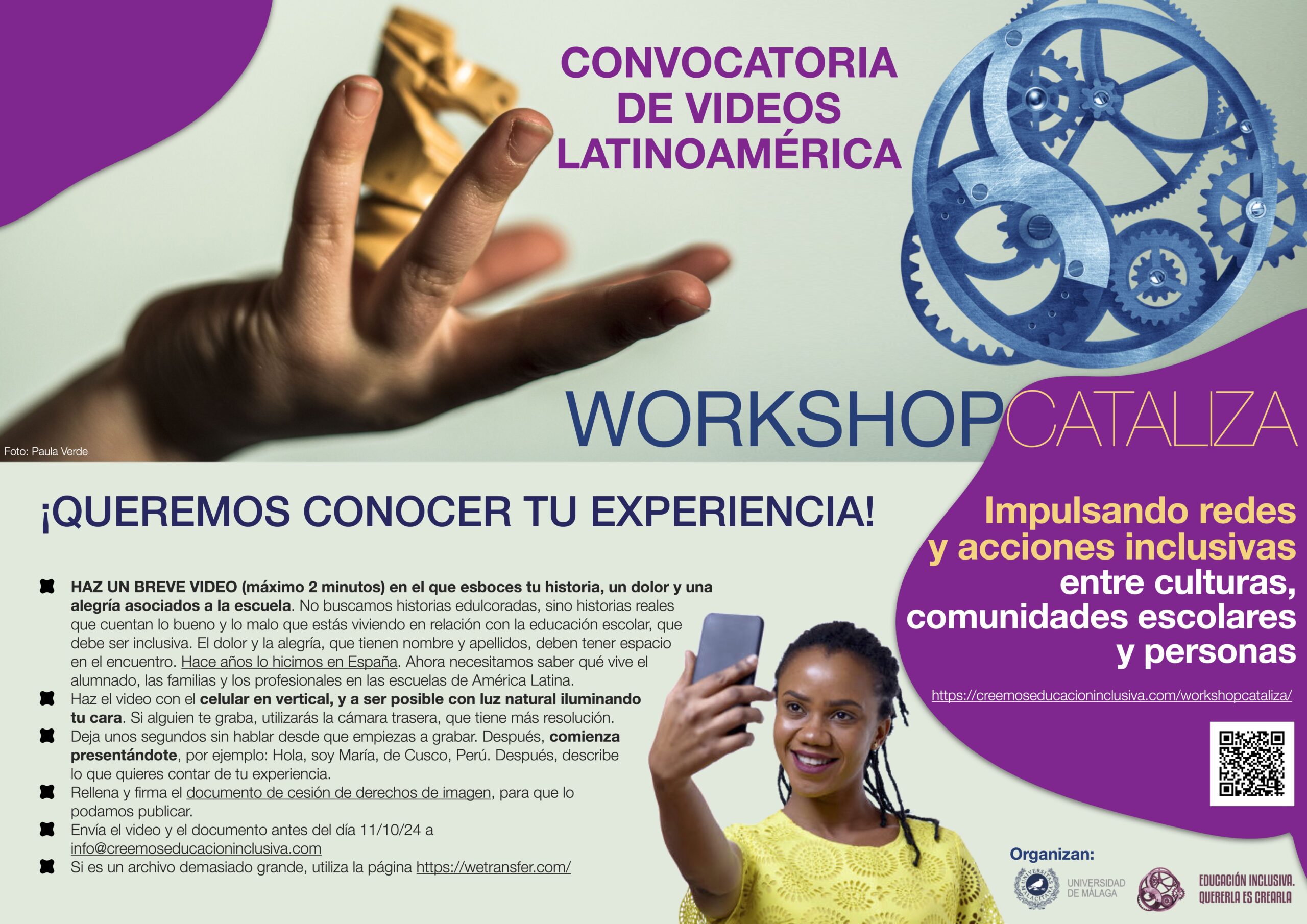
- As soon as possible, make a short video (maximum 2 minutes) in which you outline your story, a pain and a joy associated with school.
We are not looking for sugar-coated stories, but real stories that tell about the good and the bad you are experiencing in relation to school education, which must be inclusive. The pain and joy, which have names and surnames, must have a space in the meeting. Years ago we did it in Spain. Now, we need to know what students, families, and professionals are experiencing in schools in Latin America. - Make the video with your phone in vertical, and if possible with natural light illuminating your face. Perhaps someone can record you, using the rear camera, which has higher resolution.
- Leave a few seconds of silence after you start recording.Then, start by introducing yourself,for example: “Hello, I’m Maria, from Cusco, Peru.” Then, describe what you want to share about your experience.
- Fill out and sign the image rights release form,so we can publish it (available in DOC and online).
- Send the video and the document before 10/11/24 to info@creemoseducacioninclusiva.com
- If it is too large a file, use the https://wetransfer.com/
- Download the call for applications instructions, available in PDF and online
Short videos of experiences
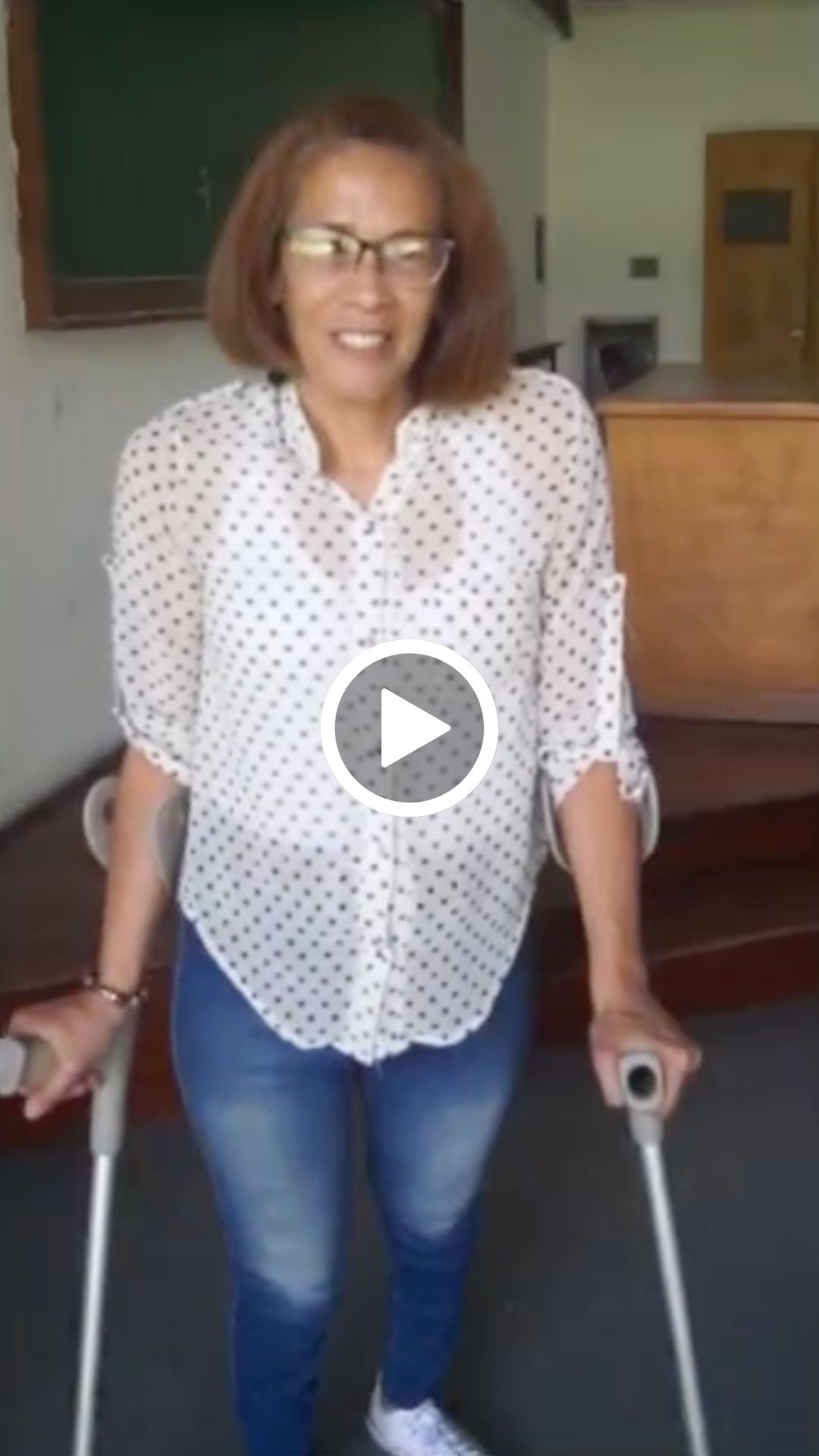
AUDIO DESCRIPTION [AD]:Call for testimonies from Latin America. Several people speak directly to the camera to record their testimonies.
TESTIMONY 1 - XIOMARA(VENEZUELA)—Hello, good morning. My name is Xiomara Justo. I am a student at the School of Library Science. The challenge for me has been quite arduous, to say the least, because I did not have an inclusive education in my childhood. I did not have an education of opportunities because it was largely denied to me. I went through many stages and, in fact, I didn't attend preschool. I didn't learn to cut. A psycho-pedagogue taught me to read, and in one week, I learned to read many books. She told my mom that she didn't know what book to ask for anymore because I had learned to read.
But my experience in primary and secondary school was quite difficult because I was not accepted due to my disability. I was always denied that opportunity. In fact, my mom tried to enroll me in my siblings' school, which was a regular school, and as soon as the principal saw me, she told me that I couldn't attend because of my condition, because the children could knock me over. At that time, I couldn't walk without the support of others. I think it's a dark reality that in Venezuela, they don't talk about and don't instill in students, like me, who have the opportunity and want to study, that our rights should not be denied.
After that, many years passed, and I had to study in a school for adult education. So, I completed my primary education, my sixth grade. Then, I enrolled in high school. I got accepted through OPSU, thanks to a family that supported me, who are not my biological family, to continue my studies. And, currently, I am studying my eighth semester of Library Science. I am a member of two associations: the Commission for Support of Students with Disabilities, CAEDEBA, which is the support commission for students with disabilities at the School of Library and Archival Science, where I have participated in various activities and always seeking the empowerment of students with disabilities so they have the opportunities that I did not have at the time. And, currently, I am the secretary of ASOEDIS, the Association of Students with Disabilities of the Faculty of Humanities and Education at the Central University of Venezuela.
I also want to develop projects where students with disabilities have opportunities. The opportunities that I did not have at the time, when I wanted to study. And, well, I have had positive experiences, many positive moments, because I have managed to do many things that, as a person with a disability, I thought could not be done with support.
And I've also had my negative moments, when the teacher tells you that you can't record the class because, if they say something rude, no. I don't care if rude things are said, what I care about is taking notes from the classes, from the recordings, so I can do my corresponding work later. And there are teachers who tell you: "No, because you need special treatment." I don't need special treatment. What I need is for teachers to continue implementing the necessary academic adjustments so that we can move forward.
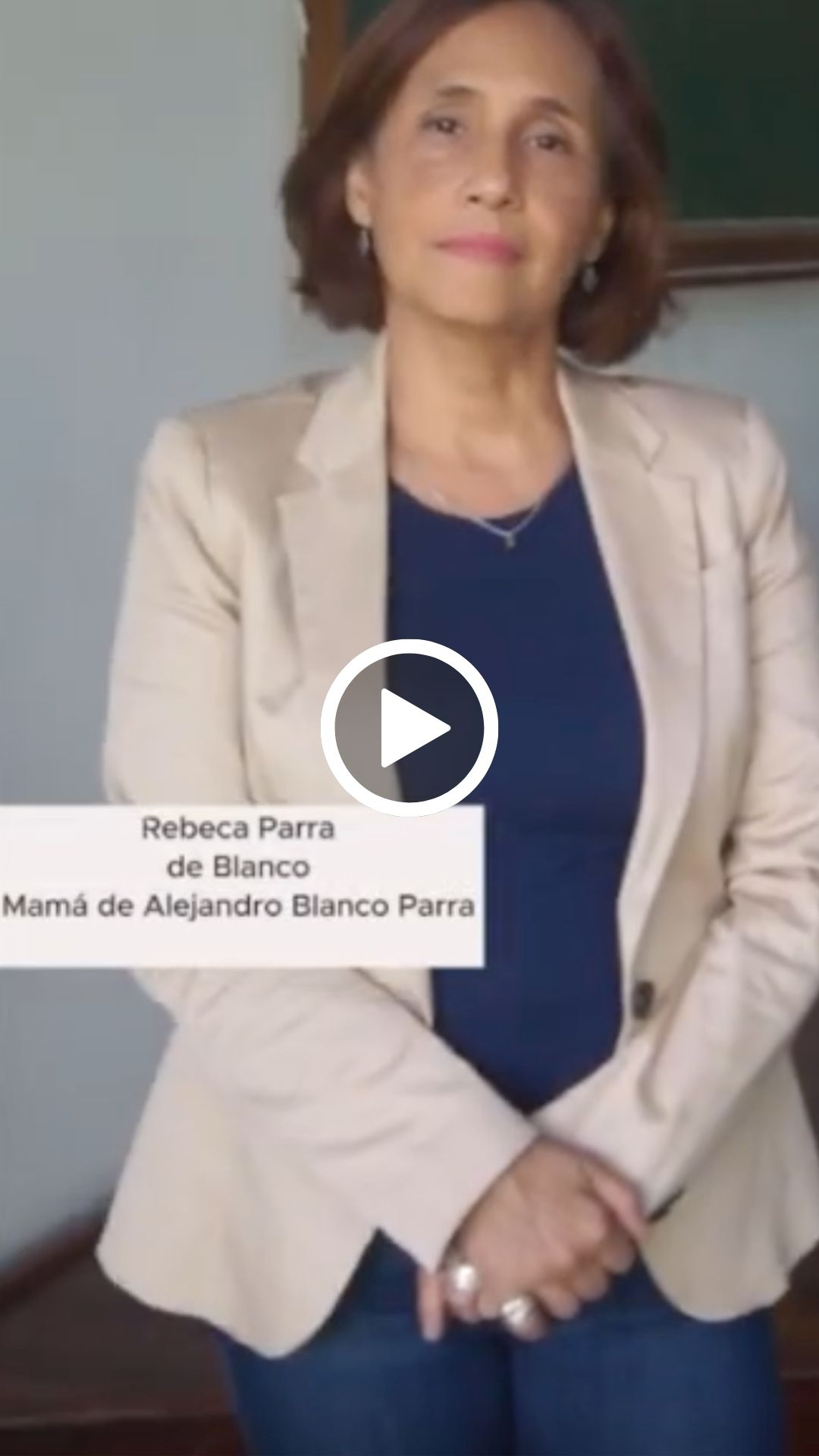
AUDIO DESCRIPTION [AD]:Call for testimonies from Latin America. Several people speak directly to the camera to record their testimonies.
TESTIMONY 2 - REBECA(VENEZUELA):—Hello, I am Rebeca Parra, Alejandro Blanco Parra's mother. Alejandro was born with spina bifida, he had a motor disability and passed away 10 months ago. And well, my experience, our family's experience with Alejandro, in relation to his studies, has its positive and negative aspects. Positive aspects: the first one, when he studied from preschool to third grade of primary school, we found a principal with a lot of sensitivity and teachers who had a lot of sensitivity and love for teaching. And they accepted Alejandro with his motor disability, knowing he used a shunt; he also had hydrocephalus. And they supported him, they accepted him just as he was. At that time, Alejandro used to crawl and they let him study at the school, being on the ground. And it worked out great. We also had the good fortune that Alejandro, through the Spina Bifida Association of Venezuela and a person who worked with them from the integration team, I believe number three from the Ministry of Education, supported Alejandro's academic journey during those years, from preschool to third grade of high school.
During that time, Alejandro underwent some surgeries that allowed him to walk with a walker and some braces, and then he started using his wheelchair, which accompanied him until the end of his life. After that, we had to transfer Alejandro to another school that we thought had all the architectural adaptations to receive persons with disabilities. That school had ramps, a pool, everything. But in that school, Alejandro was where he didn't feel integrated. He felt he was part of the school, but not integrated, because they always kept him separate with the children who used wheelchairs or had some disability.
They never managed to integrate him; they always saw him with a distinguishing feature. 'You can't go swimming with these children,' 'you can't go out on the public street with those children,' 'something might happen to you'… and they always kept him apart. Until we decided to transfer him to another school where his siblings also studied, which was a school that had no architectural adaptations, but had a lot of willingness from the teachers, the students, and his classmates for him to feel good. They just moved the classroom to the ground floor, so he could get there with his wheelchair and they helped him participate in all activities. And he graduated there and interacted. It was excellent, truly. The experience at that school was very good.
Finally, he came here to the Central University of Venezuela, which he loved, through OPSU. And at the University, in the Faculty of Humanities, he found a group of professors. I remember the first day he arrived. They supported him throughout his time at the university and he became part of the team, of that group of students, along with professors who were fighting for the rights of persons with disabilities here. There were many challenges. I remember his first major problem was never resolved: installing adapted bathrooms in the School of Philosophy. He was studying Philosophy. He never achieved it; there was no willingness. They made many excuses, for example, that it was a cultural heritage of humanity. He faced many obstacles there; he didn't achieve it. He achieved other things, like installing speed bumps on the ramps and other things for the students, like being a voice for these students here, within the university.
What else can I tell you? Alejandro lived to be 27 years old, and here I am, also speaking up for persons with disabilities so that their lives can be better each day.
AUDIO DESCRIPTION [AD]:Call for testimonies from Latin America. Several people speak directly to the camera to record their testimonies.
TESTIMONY 3 - SARA(COLOMBIA):—Hello, I am Sara Benavides, a graduate in Education. Currently, I work as a Preschool Education teacher at the Moncada Educational Institution in the municipality of Chía, Colombia. From my role as a classroom teacher and manager of inclusive education processes, I have witnessed that as a classroom teacher, there are some positive aspects and others negative, or that need improvement, within the framework of management.
One of the aspects for improvement is that, definitively, the impact of institutional bureaucracy and time constraints on pedagogical practice is undeniable, preventing our role as teachers from being performed at our maximum potential to dedicate it to the specific demands of pedagogical practice. A second element is that, in our role as classroom teachers, we are influenced by and at the mercy of educational and institutional policies, which are not always aligned with inclusive policies and practices and which, at times, generate certain types of resistance.
Positive aspects, from carrying out the management process as a classroom teacher, there are several; I will highlight four at this moment. One is the possibility of participating in school governance bodies, such as academic councils and committees, which allow us to support decision-making, but also allow us to propose inclusive practices within the institution.
A second element, which is perhaps the most important from my experience, is the possibility of making inclusive practices available to students, but above all, systematizing these experiences to understand the process. Another element is that we can understand the barriers that arise from within the educational community and not from an external perspective. And, finally, the bonds of collegiality woven with colleagues and other actors in the educational community allow for the transformation of cultures towards much more inclusive cultures.
Thank you very much.
AUDIO DESCRIPTION [AD]:Call for testimonies from Latin America. Several people speak directly to the camera to record their testimonies.
TESTIMONY 4 - PAULA(CHILE):—Hello, how are you? My name is Paula Flores. They asked me to talk a little about my experience with inclusion. Just to give you some context, I am Peruvian, I have been living in Chile for three years, and I have had four different inclusion experiences with my son, but today I will talk about Chile. And, in truth, about the overall experience.
It is very important that the school is committed as a school and institution to the issue of inclusion. But even more so, and key to success, is that the teachers are committed. And, unfortunately, not all teachers have the same level of commitment or knowledge to work with students in inclusion. It is very important to know the child, to understand which strategies work and which do not, by listening in order to make curricular adaptations in the academic area.
With the school's adaptations and external support, things, academically speaking, always go well. However, sometimes we forget that, ultimately, these children have a condition, and at one point, there may be progress and then a setback. We always have to be reviewing and listening to what they need. Knowing, what doesn't work? The biggest challenge, especially when they reach this age of adolescence, is the issue of social inclusion.
The school can make efforts, but it is always very complex, and if, in addition, you do not have very committed parents of peers working on it, social inclusion becomes a really big challenge, which sometimes makes the children not have such a good time. The school can make an effort, but the effort made by the family to, somehow, find peer support groups, so that full and total social inclusion can happen for the children, is very important.
I believe that working as a team makes a lot of sense. If the school, family, and support team do not work together, inclusion will not work in any way.
AUDIO DESCRIPTION [AD]:Call for testimonies from Latin America. Several people speak directly to the camera to record their testimonies.
TESTIMONY 5 - MÓNICA(URUGUAY):—Hello, my name is Mónica González. I am Uruguayan and a Professor of Biological Sciences, with a diploma in Learning Disabilities and High Capacities, and also a Bachelor's degree in Pedagogy. I am the mother of two teenagers, 12 and 15 years old. My eldest daughter was born in March 2009. She has actually always been schooled, and we have had a sort of "little care" in that schooling. Currently, she is a student in her first year of diversified baccalaureate at UTU. She travels alone autonomously to a town that is 25 km from our city. She attends all subjects without reduced hours, without an escort, and she is achieving satisfactory results.
In addition to her cognitive growth, she also has good social performance and cultural enrichment, which we as a family have been working on with different professionals to promote situations where she is continuously included. As a person, in the first instance, and then, from the situation of disability, which she often has to face and which we as a family have to be attentive to in order to identify the source of that barrier, so that an attempt is made, from that institution, place, or space, to overcome that barrier so that everyone has equal rights in access.
The first instance of schooling, which was in primary school, my daughter was received at a private school. We always say that it welcomed her, because it was a school that was prepared for her to attend the same classroom, working on the same content. Spaces for dialogue were generated among the student, teachers, professionals, and family, where the focus was on her strengths, interests, and performance in her abilities. And then, gradually confronting the different difficulties. They achieved great strengthening of her self-esteem, which was the main and fundamental driving force for progress in the different areas of her life.
Then, it was back to square one in secondary school, because there were too many excuses from the moment her enrollment was requested at the center. The teachers excused themselves under "lack of professionalization" or "there was no space or tools to face the situation." And, faced with this, the institution's proposal was that she attend only some subjects and with reduced hours, which we refused, we fought, and indeed, she completed basic cycle attending all subjects and passing them successfully.
We, proud of all her achievements, also as a family, the networks we have built in our environment and in our space, so that she can develop, first as a dignified person, to exercise her rights, as a citizen, just like all of us.
AUDIO DESCRIPTION [AD]:Call for testimonies from Latin America. Several people speak directly to the camera to record their testimonies.
TESTIMONY 6 - MARÍA CRISTINA(COLOMBIA):—Hello, I'm Cristina Tavera. I'm speaking to you from Bogotá, Colombia. I'm Gael's mom, a nine-year-old boy. And well, a defender of inclusive education, I've always been committed to it. All our lives we've been in inclusion settings, at daycare, in four school experiences. And for me, the balance has always been much more positive than negative. Honestly, for me, the negative aspect has been access, meaning all the effort it takes to access and enroll in an institution. However, in the history we've had with my son, there have been more open doors than closed ones.
Once we're through the door, everything from then on has been a gain and a very powerful space. Starting with the willingness of teachers who, sometimes, may not have all the apparent experience, but they do have the willingness and the desire, and incredibly powerful social processes have been generated. We're starting to find ways where the boys and girls are also becoming sensitized and understanding the diverse ways of being and existing. We've seen Gael fully connected with the other kids, understanding that there are other ways and that you have to give it time.
I think sometimes we're too hard on inclusive education because we want to see instant results. I want my son to get in and for everything to be working immediately. And that's not how it is. It's built through dialogue with the teacher, by how you start to influence the school, how you start to access and get to know the other parents, how you also start to lead processes, to lead spaces, to showcase potential. Over these years, I've seen how teachers have been transforming educational practices that, moreover, have benefited the other children.
The only negative experience, sadly, I had in a rural school. I thought we could access a rural school. There I encountered barriers, but above all, the attitudinal barrier of a teacher who, for no reason and by no strategy, wanted to modify her classroom practice. And everything my son experienced during eight months was negative; it ended in an accident and him hiding from the teacher. But I see it as a gain, because we tried it, and I believe we have to keep trying even in those difficult scenarios.
So, yes to inclusive education.
AUDIO DESCRIPTION [AD]:Call for testimonies from Latin America. Several people speak directly to the camera to record their testimonies.
TESTIMONY 7 - MAGDA SUSANA(COLOMBIA):—Hello, I am Magda Susana Román. I am from Medellín, Colombia. As the mother of an 18-year-old adolescent, who is now a second-semester History student, I can say that the inclusive education process with my daughter was not a bed of roses. But it was also a path of learning, full of great challenges. I can also say that the teachers stepped out of their comfort zone and allowed themselves to see other ways of teaching. To see those different dynamics for my daughter's learning alongside her peers without disabilities. She learned a lot from her peers and from that space.
I know that, as a family, we have fears and anxieties, but let us allow them to belong and to be present. The inclusive education process is not entirely finished. On the contrary, every day we are challenging ourselves to improve it and learn from it. And let us remember that our children are individual beings; they must and have the right to be with other children in mainstream classrooms. Let us allow them to belong to this world too, because they are also part of it and have a right to it.
AUDIO DESCRIPTION [AD]:Call for testimonies from Latin America. Several people speak directly to the camera to record their testimonies.
TESTIMONY 8 - MAGDA(URUGUAY):—Hello! My name is Magdalena Cosco and I am 24 years old. I am from Uruguay. I am studying for a degree in Contemporary Dance at the Faculty of Arts. During my time in primary and secondary school, I went through a quite sad and difficult period. There, my friends didn't write to me much, they didn't pay attention to me. In high school, I made new friends and I was happy. And then, well, I wanted to go out more, but in the end, it didn't happen because they didn't pay attention to me.
Now, at the university, I am very happy. I am very happy nowadays. I simply made new friends and I know someone. More people and I love how we work, how they evaluate at the university. I am writing a thesis with my classmates. It is so, so, so inclusive. And I am in a quite nice and very happy stage.
AUDIO DESCRIPTION [AD]:Call for testimonies from Latin America. Several people speak directly to the camera to record their testimonies.
TESTIMONY 9 - ALEXA and LÍA(COLOMBIA):—Hello, my name is Lía. I'm in tenth grade in Bogotá and I love my school.
(Alexa kisses her daughter.)
Good afternoon, I'm Alexa, Lía's mom. She went through seven different educational institutions, three preschools, four schools, mainly. The first schools, due to a lack of knowledge on how to implement curriculum flexibility. Their solution was to make her repeat a grade. Today, we found this alternative, which is Colegio Calasanz, which she deeply loves. She has been welcomed there. And, perhaps, we faced a barrier when she was finishing ninth grade. At that time, the school proposed that Lía graduate without finishing 11th grade. It was shocking to me. However, we worked with the working group of the Ministry of Education, and Lía shared with us that she didn't want to leave the school, that she wanted to graduate from the school, and, at this moment, that's what we're going to do. She is currently in tenth grade to graduate from her school.
We have faced social barriers. Let's say she hasn't experienced bullying at school, but, for example, her classmates don't invite Lía to parties or include her. We know it's a process of developing social skills, but we believe that the environment also needs to work a little harder on accepting neurodiversity.
Just recently we had the confirmations. We had to attend school like all the parents (70 children) and I was able to see Lía interact. I saw that the children hardly spoke to her, only the teachers did. Right now, we are pushing the barriers for higher education. She graduates in eleventh grade and I started looking at more technical options. Shorter ones so she can start working. However, there is no online option for this and she doesn't yet travel by public transport, so she would have to study a five-year degree. We are considering how this issue can be resolved, as she is a girl who is already 20 years old and, after a short technical degree, could start working.
This is Lía's process. Thank you very much.
AUDIO DESCRIPTION [AD]:Call for testimonies from Latin America. Several people speak directly to the camera to record their testimonies.
TESTIMONY 10 - LETICIA(ARGENTINA):—Hello, I am Leticia, from the province of Buenos Aires, Argentina. I am the mother of Regina, Juan Pedro, and Aurora. I want to share Regina's experience during her time in school. I remember with great pain the day they told us she had to go to special school. Regina had already been held back twice in kindergarten, and they had already suggested that she go to special school. We opposed it during kindergarten, but when she started school, Regina began having epileptic seizures caused by the stress the school was causing her.
I remember with great pain that she lost her group of friends, both in kindergarten, due to being held back, and when they told us she had to go to special school. But I remember with great joy a friend of Regina's who, worried because she had to go to special school, asked me why at that moment. One day she came home with a booklet she had put together, with numbers and letters, and told us that she wanted Regina to go back to school with her, that she would help her with anything she couldn't do or didn't know.
I also remember with joy that I shared many experiences and activities with my children at the special school. And my middle son, Juan Pedro, told me he would like to go to special school because they didn't teach cooking or crafts at his school. He liked how they put on plays and all the activities that took place at the special school, but not at his school.
AUDIO DESCRIPTION [AD]:Call for testimonies from Latin America. Several people speak directly to the camera to record their testimonies.
TESTIMONY 11 - LAURA(COLOMBIA):—Hello, I am Laura Bolívar, from Colombia. I am the mother of two girls, one 16 and the other 11 years old. The younger one is named Valentina. I share with you that I always thought she would go to school like her older sister. At 19 months she still didn't walk, and I remember that, shortly after starting kindergarten, they told me that one day, while playing in the park with her friends, motivated to run, she walked for the first time. I especially remember that, because today everything Valentina experiences daily is a driving force and makes her happy, it motivates her every day. School, its challenges, its learning, teachers, activities, and presentations. It has given her a sense of belonging. She recognizes and values herself. She has a voice, she is cheerful, and she has the idea of continuing to study.
Valentina is currently in sixth grade. She attends the same school as my older daughter, which is bilingual. When she was little, they told me that would be a problem, but for now, here we are. I tell you that, along the way, just as we have had access and people who saw her worth and believed she could be part of the school, we have also encountered barriers from people who, due to their own assumptions, do not believe in persons with disabilities, do not believe in their capabilities, or that they can be there.
For us, as a family, this path has been and will be a struggle, with good and bad moments in which to fight. Of course, it has demanded more effort and time from us to be present, to provide daily support, but it has also made us better human beings than before we had Valentina in our lives. We have learned a great deal and are convinced that it is worthwhile. That, just like us, those around her will become better human beings.
AUDIO DESCRIPTION [AD]:Call for testimonies from Latin America. Several people speak directly to the camera to record their testimonies.
TESTIMONY 12 - JHON ALEXANDER(COLOMBIA):—Good afternoon, dear friends. I introduce myself. I am John Alexander Alvarado, I am 28 years old and I am a fifth-semester student of Territorial Public Administration at ESAP. Currently, I am working with the Secretariat of Education of Fusagasugá, Colombia.
During my inclusive education process in school, the teachers themselves put up many barriers for us. So, what did they do? A program for adults with disabilities was formed at the Industrial Technical Institute, where nine high school graduates with disabilities emerged five years ago, on November 30, 2019. We encountered quite a few educational barriers, given that our learning is different, but we came out of that process. And I thank the school that lent me a hand in that great process.
I graduated high school at 23 years old, and two years ago, I entered ESAP, at 26 years old. I am now 28 years old and in my fifth semester of Public Administration. Where we have learned about the public sector and how a State is organized. So, thank you very much for opening the doors of this great Secretariat to me to learn what we have studied in these two years. And I thank the secretary and the mayor of the municipality for opening the doors for me for labor inclusion with the State.
Thank you very much.
AUDIO DESCRIPTION [AD]:Call for testimonies from Latin America. Several people speak directly to the camera to record their testimonies.
TESTIMONY 13 - FERNANDA(ARGENTINA):— Hello, how are you? I'm Fernanda from Santa Cruz, Argentina. I wanted to tell you that in our classrooms, with all their cultural, functional, and gender diversity, we've encountered many situations. Some of us have to acknowledge more that we haven't known how to address them as they should be to bring each of our students to their maximum potential for development.
I want to tell you about Alan and Daniel, who complemented each other enormously and were friends, classmates, since primary school. She hadn't finished her literacy process, but her oral communication helped her a lot. Alan, perhaps, his social skills made him self-conscious and he had almost no contact, but he could write. So, they both complemented each other to have all the theoretical information for each subject, but when it came to exams, the teachers were a bit conditioned or unsure of what to do.
So, after having them, we realized that alternative communication systems tools could exist and that we didn't provide them or try them at that time.
It's part of a defeat; however, it's also part of a learning experience for future endeavors. They, at some point, in fifth, fourth, and fifth grade, were separated, but that also helped them each develop more.
We will continue to advance and learn to improve the experience of each of our students. Greetings to all.
AUDIO DESCRIPTION [AD]:Call for testimonies from Latin America. Several people speak directly to the camera to record their testimonies.
TESTIMONY 14 - FABIÁN(COLOMBIA):— Hello everyone. My name is Fabián Tapia Perdomo, I am 29 years old and I am from Colombia. I study Law at the National University of Bogotá.
In primary school, I experienced the joy of receiving reasonable circumstantial support. More than that, the human warmth that my classmates and teachers provided me with the Individual Plan for Reasonable Adjustments. Thank God. And, from there, all the way. And I passed-and I passed all the grades and achieved all the positions. The top places, just like in high school. But in the secondary stage, sadly, I suffered the pain of bullying and, also, the indifference of some teachers and classmates. Even so, this did not prevent me from moving forward.
At the moment, I am studying Law at the same university. Although I am provided with reasonable circumstantial support through the Individual Plan for Reasonable Adjustments, psychological support, an accompaniment program, and also tutoring programs or more time to take exams, midterms, among others, there are still some attitudinal barriers and discriminatory looks from some bus drivers.
But I am already about to finish my Law degree, which I will be completing in two years, so that I can practice Law.
I am the founder of "Getting the Word Out on Autism" and I am organizing the event. Thank you very much.
AUDIO DESCRIPTION [AD]:Call for testimonies from Latin America. Several people speak directly to the camera to record their testimonies.
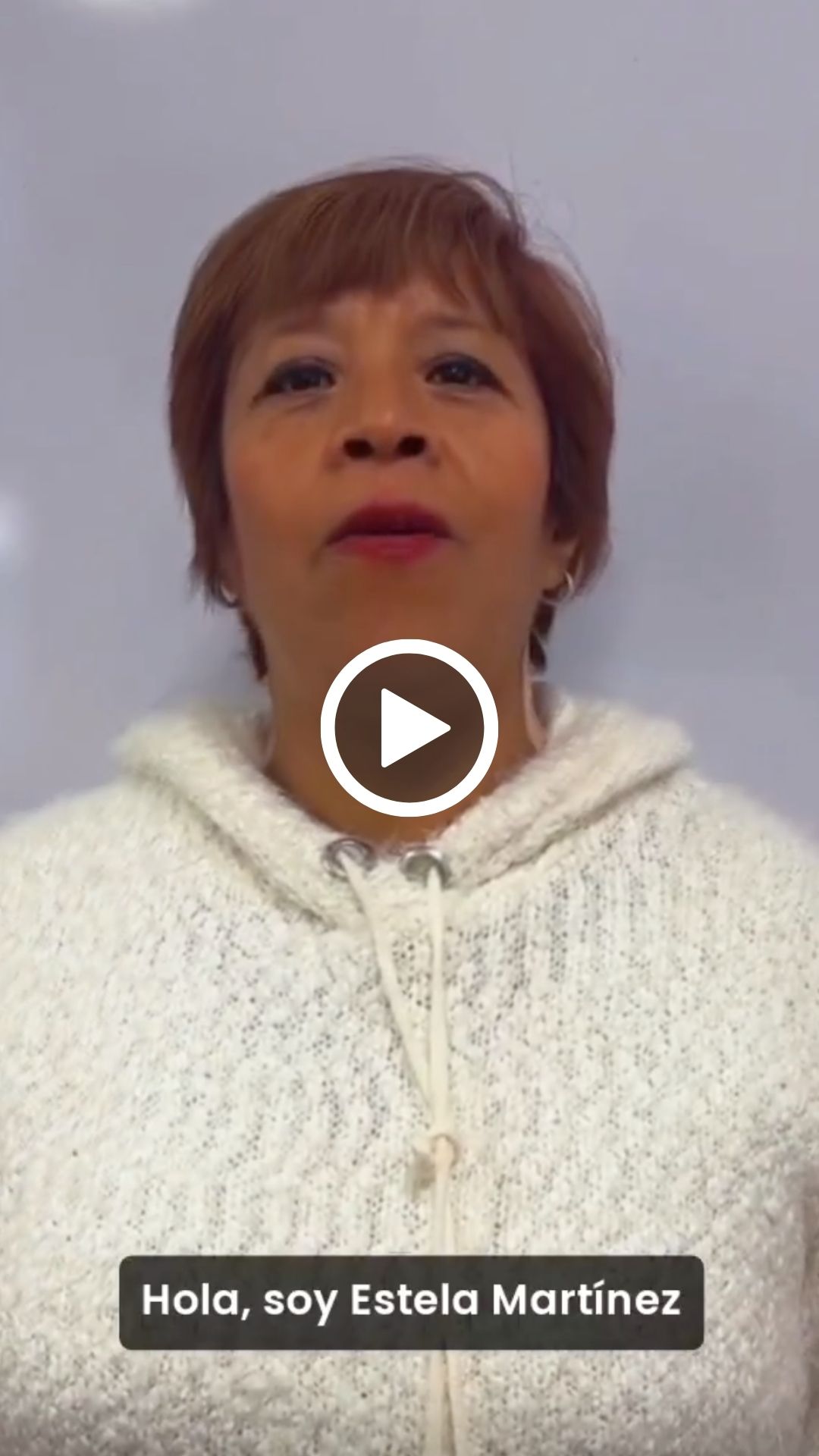
TESTIMONY 15 - ESTHELA(MEXICO):— Hello, I am Estela Martínez, from Mexico City. My experience with inclusion is, on the one hand, one of pain, because people are still seen as something rehabilitative and entirely focused on them. On the other hand, one of joy, because there are already many places where diversity is viewed within a social context, within a context of the rights of persons with disabilities.
AUDIO DESCRIPTION [AD]: Call for testimonies from Latin America. Several people speak directly to the camera to record their testimonies.
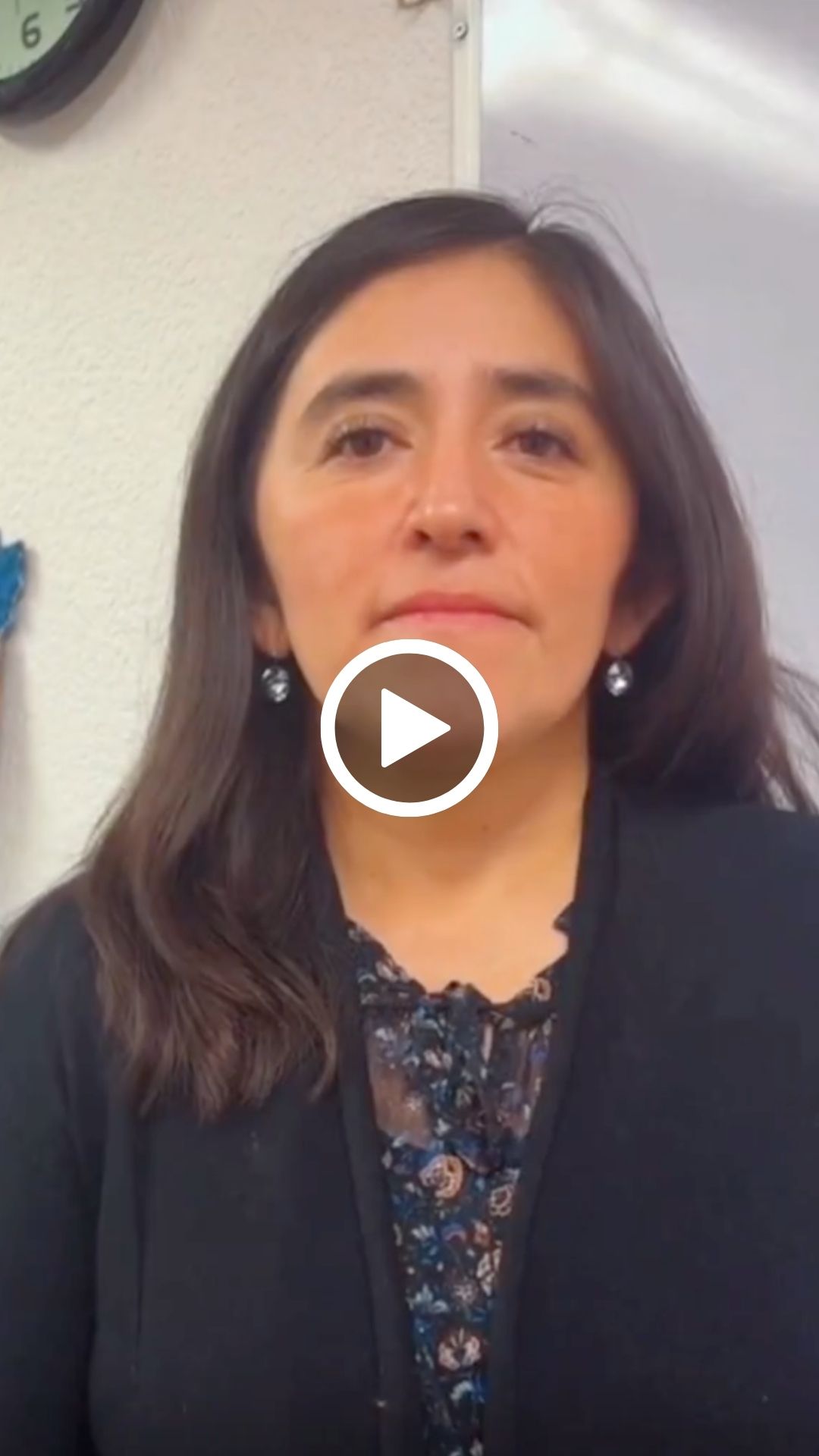
TESTIMONY 16 - ELIA(MEXICO):— Hello, my name is Elia Nava, from Mexico City.
One pain point in building a more inclusive school is represented by homogeneous evaluation systems, which do not consider diversity, which do not consider the capacities and needs of all participants.
And one joy is the opportunity we have to humanize, to combat barriers, the processes of inclusion. We have the enormous virtue of turning them into opportunities and laying the groundwork for continued construction, based on social models.
AUDIO DESCRIPTION [AD]:Call for testimonies from Latin America. Several people speak directly to the camera to record their testimonies.
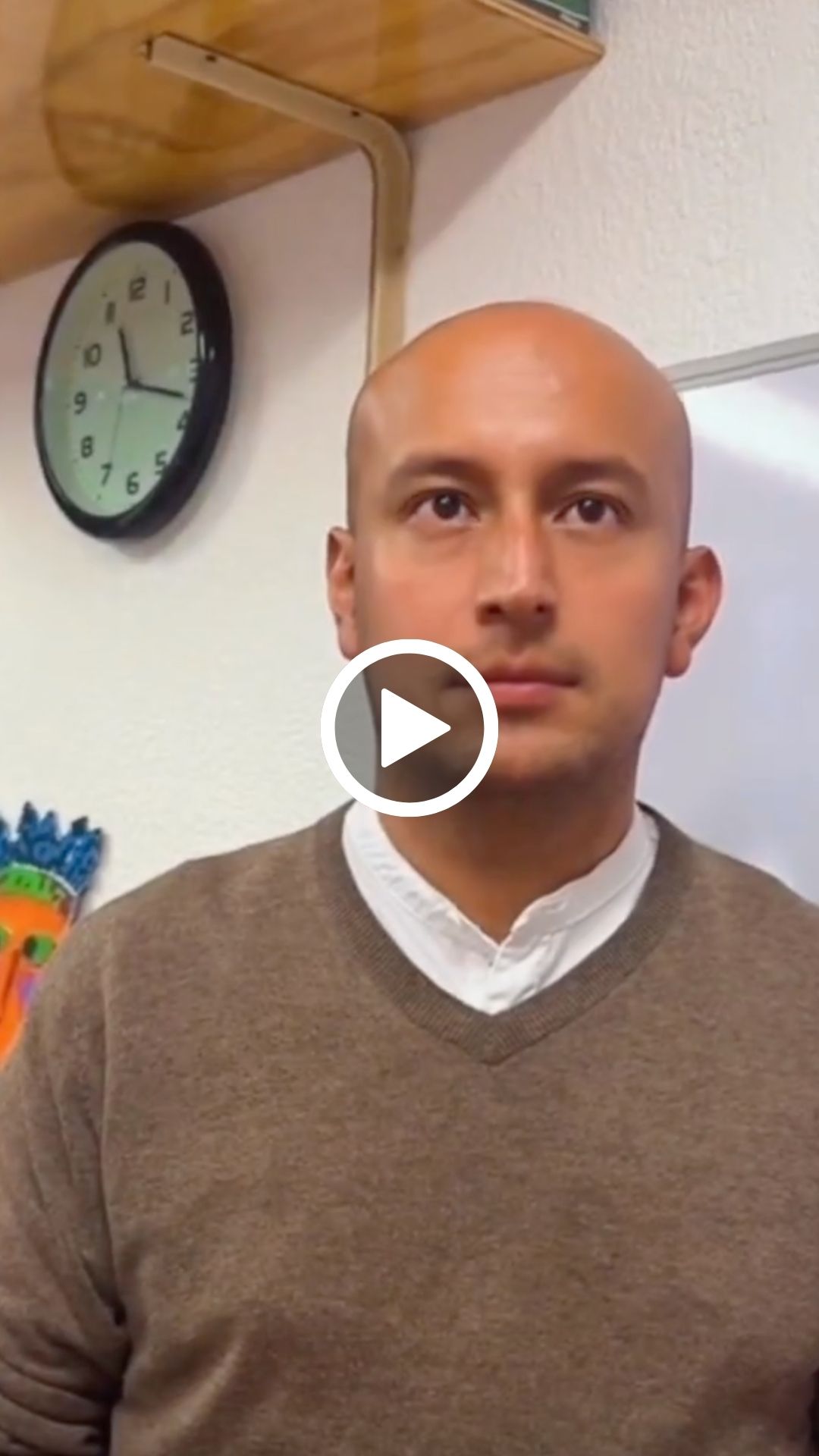
TESTIMONY 17 - DAVID(MEXICO):— Hello, I am David Castro, from Mexico City.
One pain point is the inflexible curriculum and the few opportunities found. And one of the joys is recognition based on potential.
AUDIO DESCRIPTION [AD]:Call for testimonies from Latin America. Several people speak directly to the camera to record their testimonies.
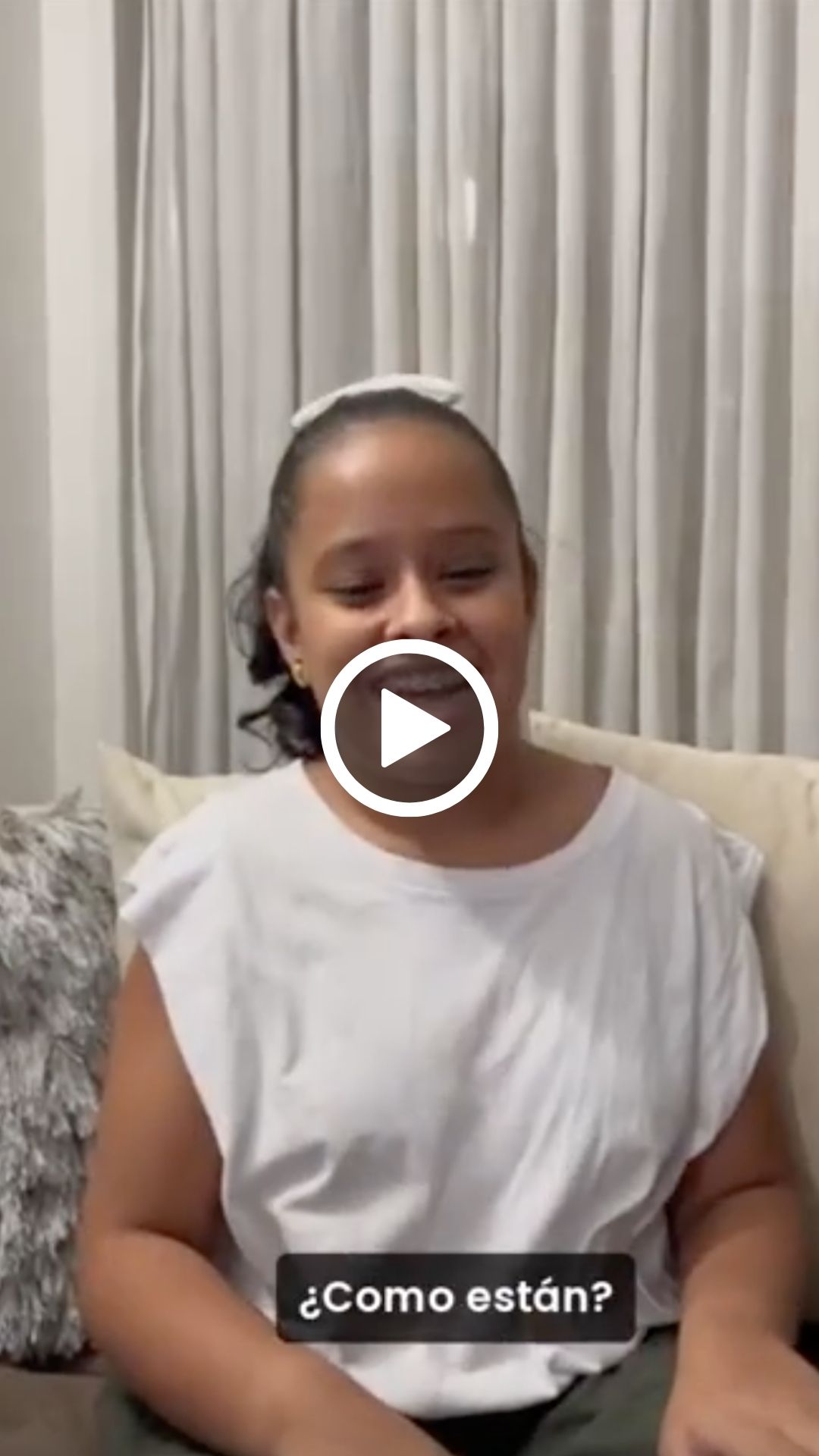
TESTIMONY 18 - CAMILA(COLOMBIA):— My name is María Camila Bravo Román, and I am from Medellín, Colombia.
Today I want to share my experience with education. It's worth noting that I was very happy at my school because I had magnificent and wise teachers who knew how to adapt and teach me the things they knew. I had a few challenges, such as my classmates only being classmates and me not interacting with them beyond the classroom, because, unfortunately, they weren't interested or didn't want to be running and playing. I understand them perfectly.
I'll tell you that I am currently studying History at the University of Antioquia. I am in my second semester, and I owe this to the magnificent, loving professors who knew how to instill in me a passion for history and geography.
I am very grateful to all the teachers for the education they gave me at my school, and I want to go back to the wonderful times when I made molecules with playdough in Chemistry, figures in Geometry, or wrote curious essays in Spanish. Thank you.
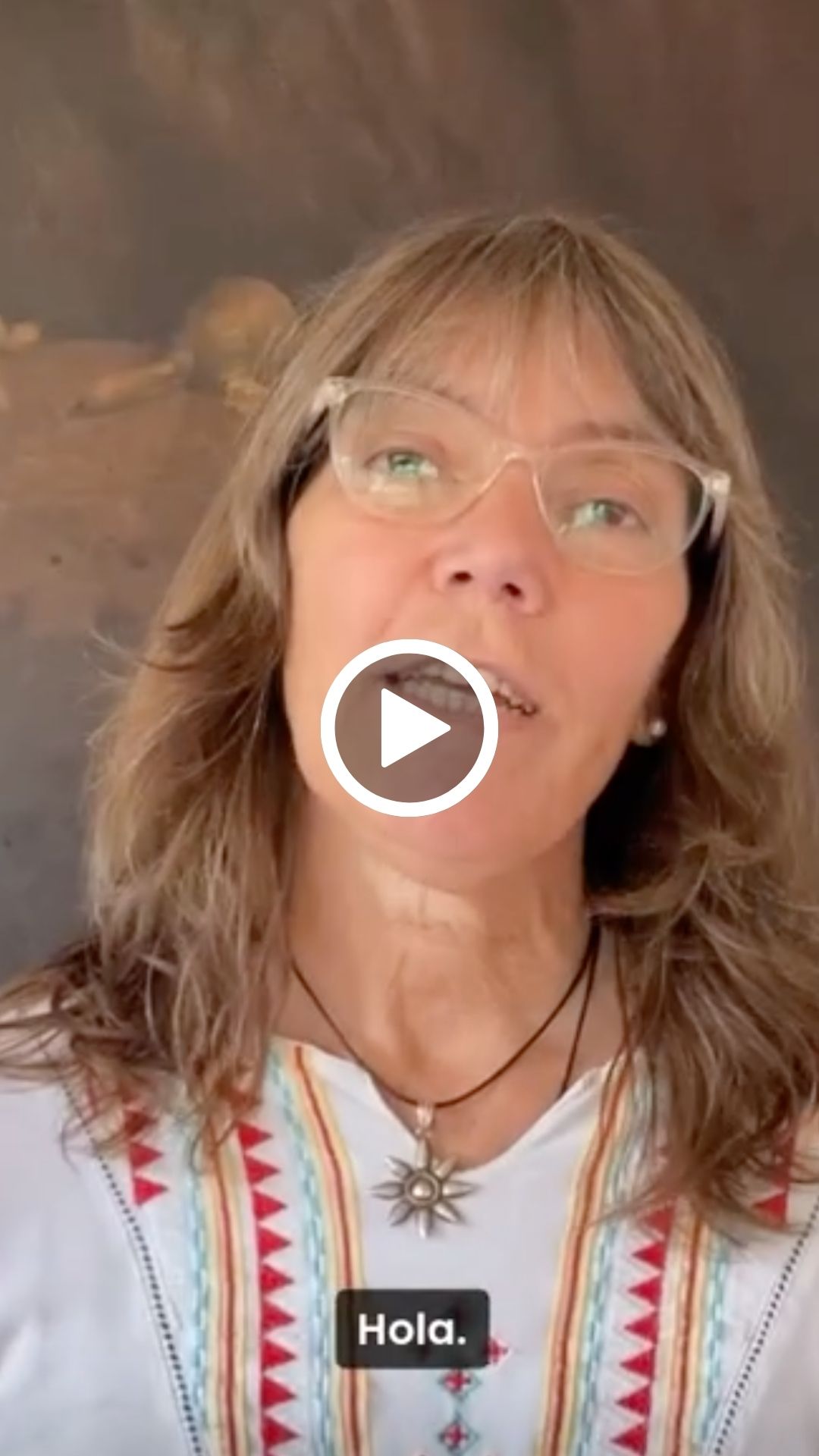
AUDIO DESCRIPTION [AD]:Call for testimonies from Latin America. Several people speak directly to the camera to record their testimonies.
TESTIMONY 19 - MERCEDES(URUGUAY):— Hello, I am Mercedes Viola, from Uruguay.
I am a teacher and, at the same time, I am the mother of a young woman. Well, of three children, but the youngest, the youngest, has Down syndrome. To share, more than anything, about the school and high school experience, I think we still have a lot of pain. A significant pain was when we were questioned as a family for wanting her to continue studying, speaking, after finishing basic education, which is at 15 years old. As if it were a whim of the family. There was a year when they made our lives quite impossible, hers and ours, as if what we were proposing, the fact of continuing to study, was an unreality.
In contrast, as something truly good, we must highlight the university experience. More than anything, we believe it has to do with the Faculty of Arts, in how art works. Although it has many theoretical subjects, quite complex, it has a way of working in collaborative teams. Of going from practice to theory, from theory to practice, a much more integral way. It is truly wonderful how it is developing, progressing, and flourishing.
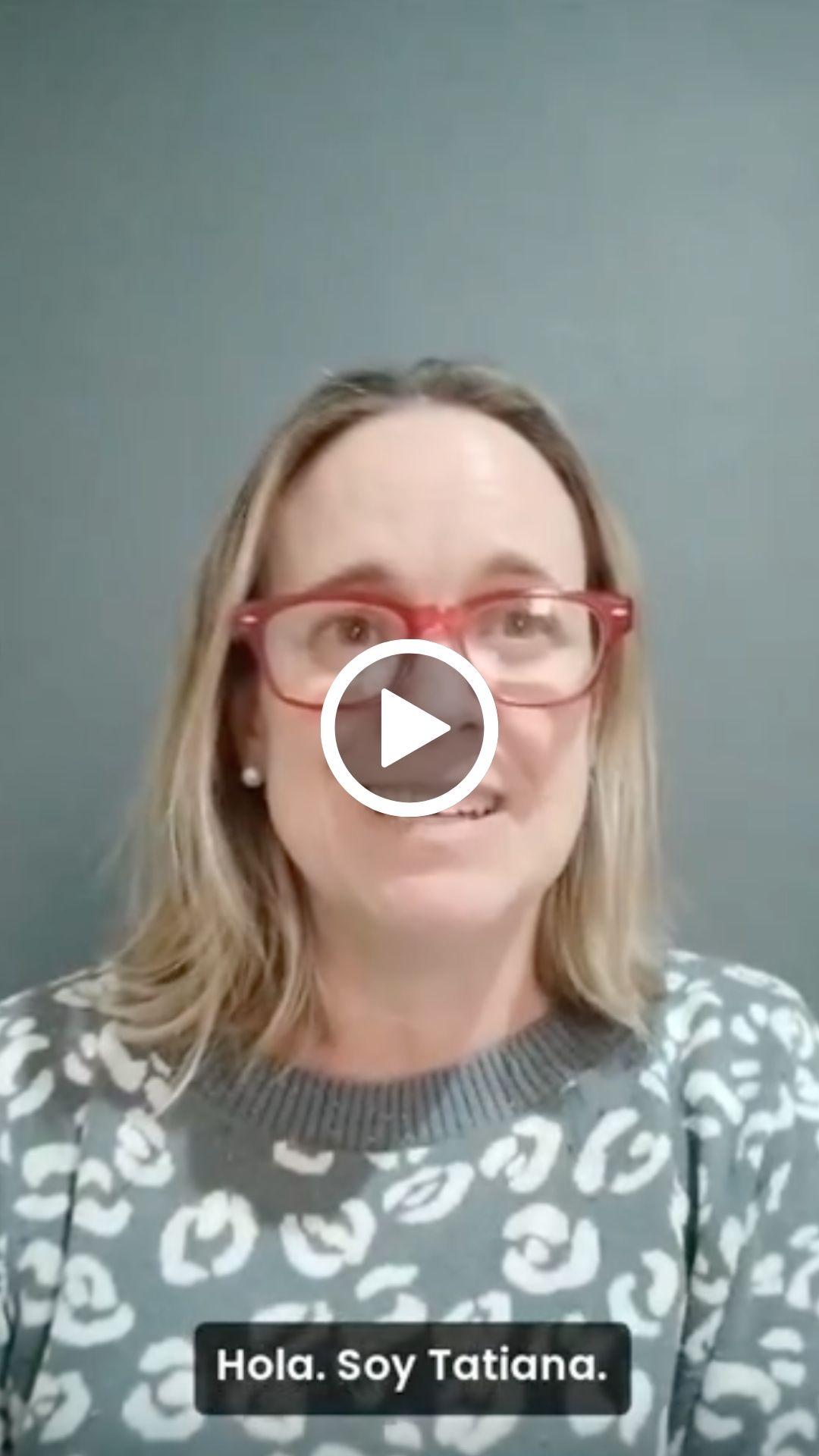
AUDIO DESCRIPTION [AD]:Call for testimonies from Latin America. Several people speak directly to the camera to record their testimonies.
TESTIMONY 20 - TATIANA(PARAGUAY):— Hello, I'm Tatiana. I'm Ivo's mom, he's 17 years old.
He was enrolled in a regular school until he was 15 and, within the many emotions we experienced at school, even though he was also accompanied by an inclusion teacher, the truth is that every day was a different challenge. Every moment of his growth was a challenge for us.
Within the bad, to put it one way, my son has auditory sensitivity to some sounds. What always happened to us within the institution is that, for example, there were many academic events like dance, theater, whatever, and he found it very difficult. I always asked for the sounds like the microphone or the music to be turned down, but we didn't achieve it and what happened with that is that my son stopped participating. At first, we kind of forced him to participate, and the truth is, he had a very bad time. We did too. He always practiced with his classmates, went through the whole process, let's say, of the performance, but in the end, we asked him if he wanted to attend and the answer was no. "I don't want to go because the noise bothers me a lot."
So, we respected his decision and stopped participating. In reality, what we as a family sought most was that social interaction that he would have at school now.
Among the good things I have to highlight, which was truly very emotional and important for us, is that when it was time for his first communion, he did the entire catechism course with his classmates. When the moment came, again, I explained to him how it was going to be in a church, with many people and a Mass that was quite long. And he told me he didn't want to go.
We respected that, and communicated that same day that he was not going to participate, and that's how it happened. And the next day, which was a regular school day, they called me and told me that my son was going to have his first communion on Friday in a chapel near the school. Honestly, I didn't quite understand what it was about, but of course, I said yes. The level director, upon learning that my son couldn't participate due to the noise and the number of people, organized everything so that he could have his first communion in a chapel a few blocks from the school.
All his classmates went with him during the first hour of a normal school day. They went on the school bus, like a field trip. Everyone was dressed up as they were for the grade's first communion day, and for Ivo it was super, super special. The Mass lasted 15 minutes, and that was it, he had his first communion. It was truly such a human, simple act. Honestly, to this day, it's something that still moves me deeply to remember, and it truly made a difference.
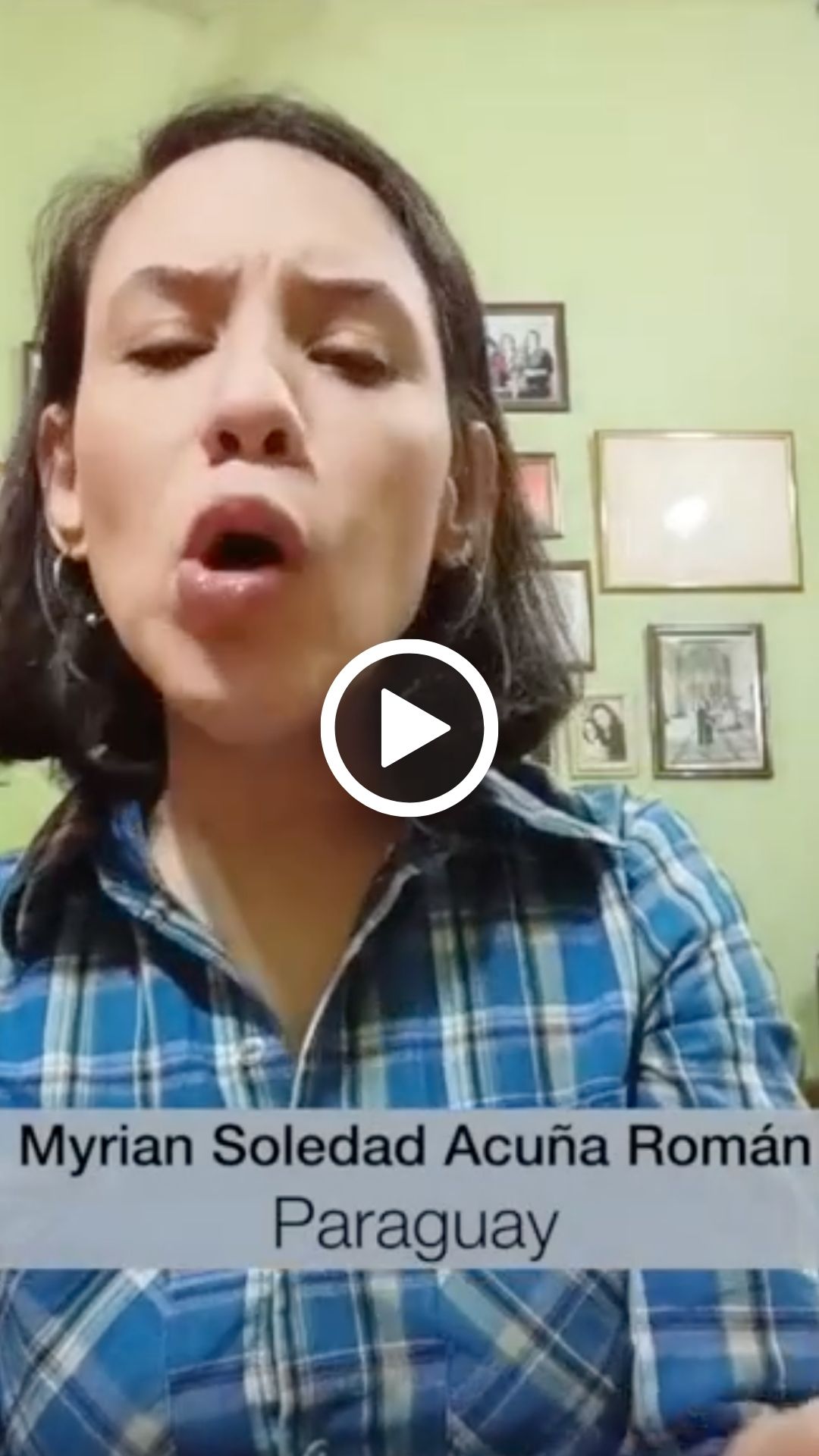
AUDIO DESCRIPTION [AD]:Call for testimonies from Latin America. Several people speak directly to the camera to record their testimonies.
TESTIMONY 21 - MYRIAM(PARAGUAY):— My greatest moment of joy was when they told me I was going to be the best student, that I was going to carry the Paraguayan flag. That's when I felt fulfilled, very happy, because I didn't expect that. Until I graduated as the best student with honors.
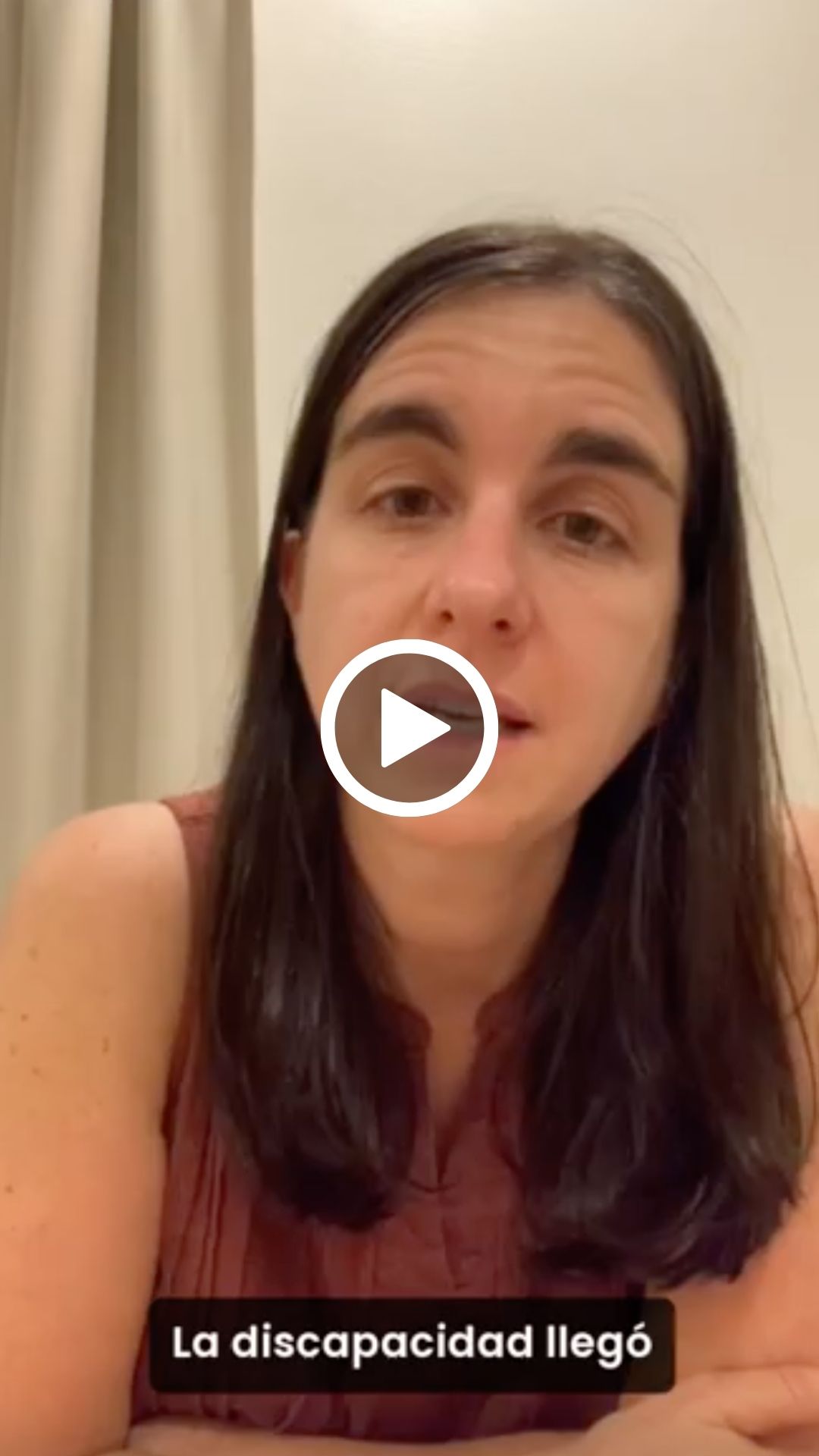
AUDIO DESCRIPTION [AD]:Call for testimonies from Latin America. Several people speak directly to the camera to record their testimonies.
TESTIMONY 22 - LUZ(ARGENTINA):— Disability came into our lives without warning, unexpectedly, unwanted, without even being in the universe of possibilities we imagined. When we started a family, and the word ‘disability’ perhaps came later than the first difficulties. What was a diagnosis, an illness, a sequela, probably when we were mature enough to understand it, became a disability. And, by naming the disability, we became stronger to deal with it.
In our case, always naming things and being very honest in understanding what was happening has served us, has given us peace and the ability to find a diagnosis when a situation is causing noise. It has always served us well and continues to do so. Being honest with our environment and, in particular, with the school, about our children, fears, expectations, and hopes.
If I had to wish for something regarding disability or for children facing a particular challenge, I would ask for more empathy. I would ask that each of us, when faced with a different situation, have the capacity to stop for a moment and think: What is going on in this child's heart? What is going on in this mother's heart? What can I do to help in this situation? What can I do to ensure this little one has as happy a childhood as the one I hope for my own child?
AUDIO DESCRIPTION [AD]:Call for testimonies from Latin America. Several people speak directly to the camera to record their testimonies.
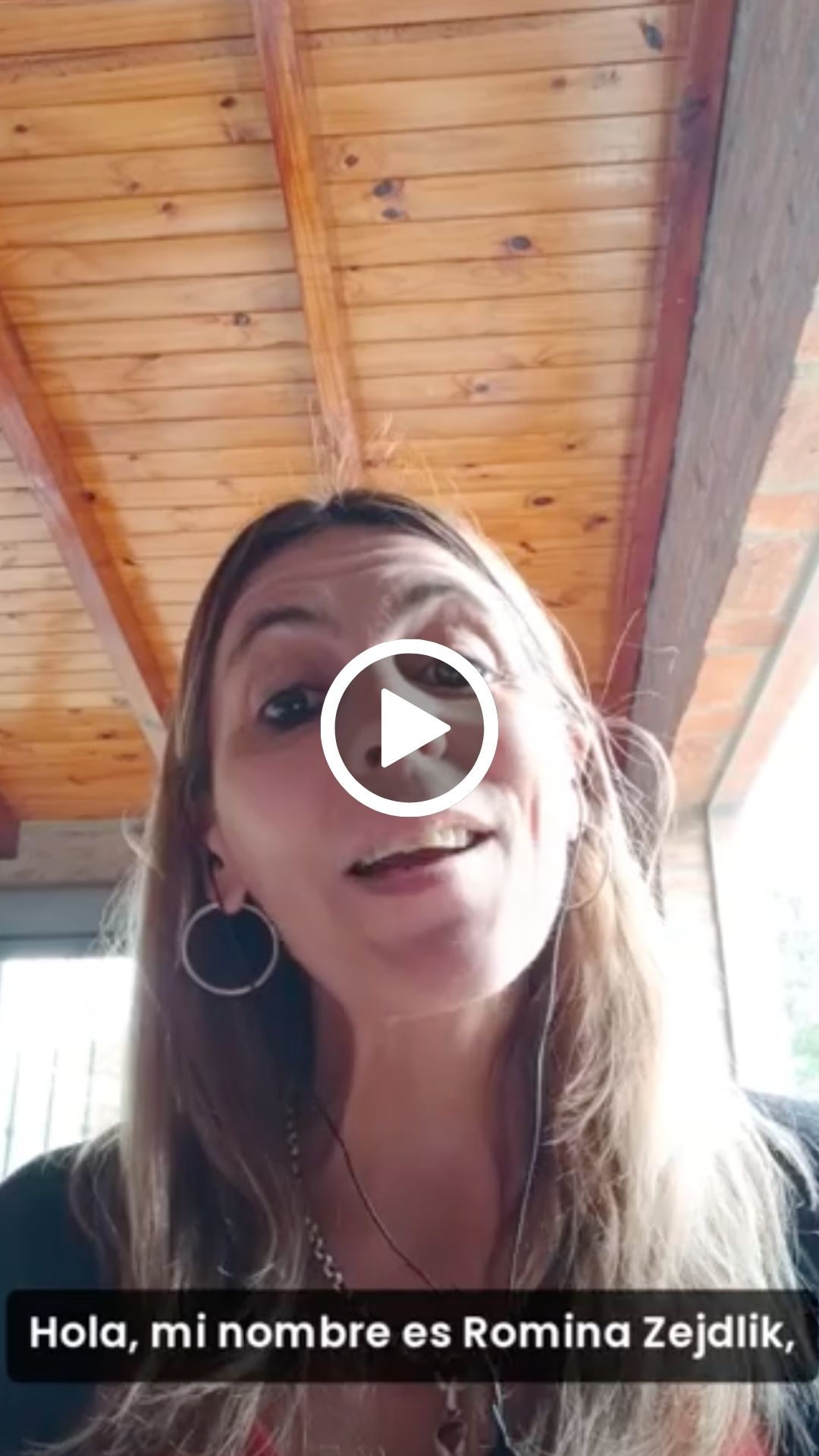
TESTIMONY 23 - ROMINA(ARGENTINA):— Hello, my name is Romina Zejdlik. I'll tell you a little about who I am. I've been a teacher for 23 years. For 20 years, I was in the classroom as an English teacher, and today, I practice teaching from a different perspective and with other topics related to autism, school inclusion, and the rights of persons with disabilities. I am convinced that disability changes your life.
That's why teaching led me in other directions. In my case, autism has intersected my life twice. First, with the diagnosis of one of my children. And then, later, with my own autism diagnosis.
I am also the author of two books that tell a bit about the journey our families experience from receiving the diagnosis to adolescence.
I am the president of the Foundation for Full Inclusion, and one of my main roles there is to accompany, advise, counsel, and embrace families who face barriers related to school inclusion and the violation of rights of persons with disabilities.
I am also a student of Special Education teacher training. I am very close to graduating, although I am convinced that the greatest tools are not given by training, but by daily experience.
I leave you with a fragment from my first book "Transforming Flight. Stories of a Mom with ASD". Thank you very much for allowing me to share my experience with you
(READ) "It's just that disability changes your life, it changes your plans, it changes your interests, it changes your focus, it changes your scale of values, your priorities, your mind, your schedule, your energy, your friendships, your work, your goals. It changes your family, your family projects. It changes you suddenly or it changes you slowly, but it changes you."
I send you a big hug from Argentina.
AUDIO DESCRIPTION [AD]:Call for testimonies from Latin America. Several people speak directly to the camera to record their testimonies.
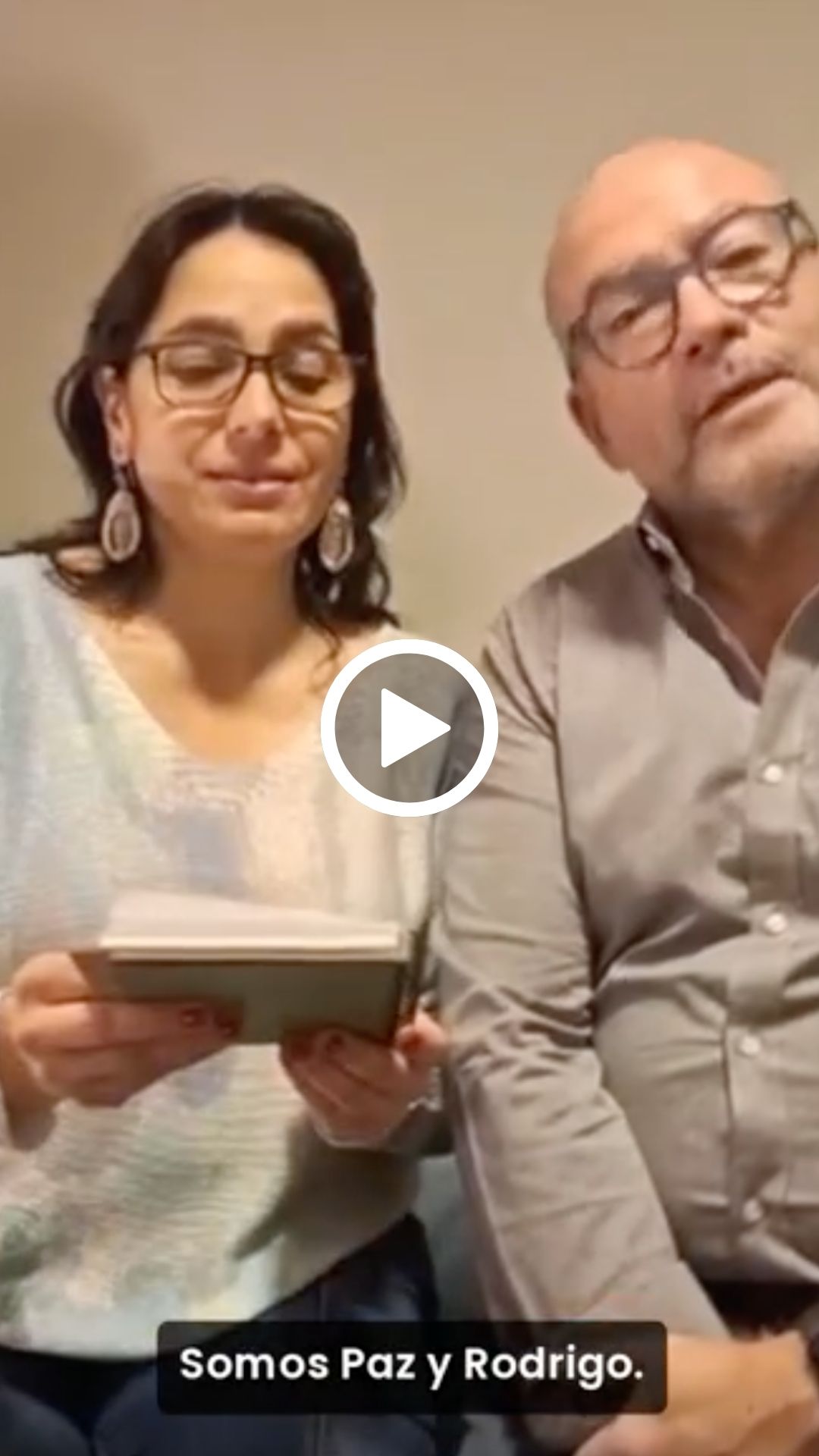
TESTIMONY 24 - PAZ AND RODRIGO(CHILE):—
(PAZ) We are Paz.
(RODRIGO) And Rodrigo.
(PAZ) We are Alonso's parents, he is 5 years old. Thank God, we have had a very good experience in the school environment. Alonso was in a kindergarten with inclusion and a team of therapists along with the teachers, who were tremendously committed. It was something really beautiful.
(RODRIGO) In relation to the experience we have had so far, at the Institución Teresiana school, it has been wonderful. We have felt a warm and welcoming reception from day one, both from the Administration and the teaching staff, the parents, and his classmates.
(PAZ) But now, my fear is related to the student's communication, to how he expresses himself verbally. While it's true that he tries to make himself understood, it's now difficult to understand specifically each of his words. And we sincerely hope this situation doesn't distance him from his friends.
(RODRIGO) We love seeing him play, share with his friends and classmates, and we trust that with the support of Alonso's therapists and the school team, these moments will not only be maintained over time but will multiply abundantly.
(PAZ) We appreciate the opportunity you have given us to share life experiences with Alonso, who has Down syndrome.
(RODRIGO) Thank you very much.
(PAZ) Goodbye.
AUDIO DESCRIPTION [AD]:Call for testimonies from Latin America. Several people speak directly to the camera to record their testimonies.
TESTIMONY 25 - PAZ(CHILE):— Hello, my name is Paz, I am from Santiago, Chile, and I am the mother of Facundo, a 12-year-old young man with Down syndrome.
Within our history of school inclusion, there has been a bit of everything. There has been more joy than sadness, to be honest. But the first time, when he was just starting school, we went to our older daughter's school, Facu's sister, for him to enroll. The response was that they were not prepared because it was a school of academic excellence. And I asked the director of that school: When would they be prepared? What were they doing to try?
We had to leave that school, and my older daughter told me: "Mom, if my brother is not accepted at my school, I want to leave, because I will hate my school. I won't understand why my brother isn't." It was a great learning experience. And we started looking for a new school. We found the Teresiana institution. The truth is that it has been a welcoming space and a beautiful school, where we have sometimes made mistakes, where mistakes are allowed, where we rethink things. It is a school where Facundo has a class of classmates who respect him a lot, and that is a tremendous joy. It is a school that opens its doors for everyone to contribute.
Inclusion is made by all of us, it's not made by a school just by admitting people. We all make it, we parents who want to contribute make it. Inclusion belongs to everyone, and that is very beautiful.
AUDIO DESCRIPTION [AD]:Call for testimonies from Latin America. Several people speak directly to the camera to record their testimonies.
TESTIMONY 26 - VERÓNICA(PERU):— Hello, I am Verónica, from Lima, Peru. For a long time, I suffered discrimination from the education sector. Last year, at the Center for Alternative Basic Education (CEBA) I attended, they did not provide me with reasonable adjustments. They classified me as a "free student" without my consent.
It was very difficult for me to retrieve my papers, as I wanted to transfer to another CEBA in a different institution, but they demanded a shadow teacher. I use a wheelchair, but they denied me enrollment. After insisting so much, they told me everything was fine and sent me to the peripheral program, where they did not treat me well and infantilized me. As a result, I gave up on leaving the institution. They caused me emotional harm.
I consider inclusive and quality education, without discrimination, to be necessary.
AUDIO DESCRIPTION [AD]:Call for testimonies from Latin America. Several people speak directly to the camera to record their testimonies.
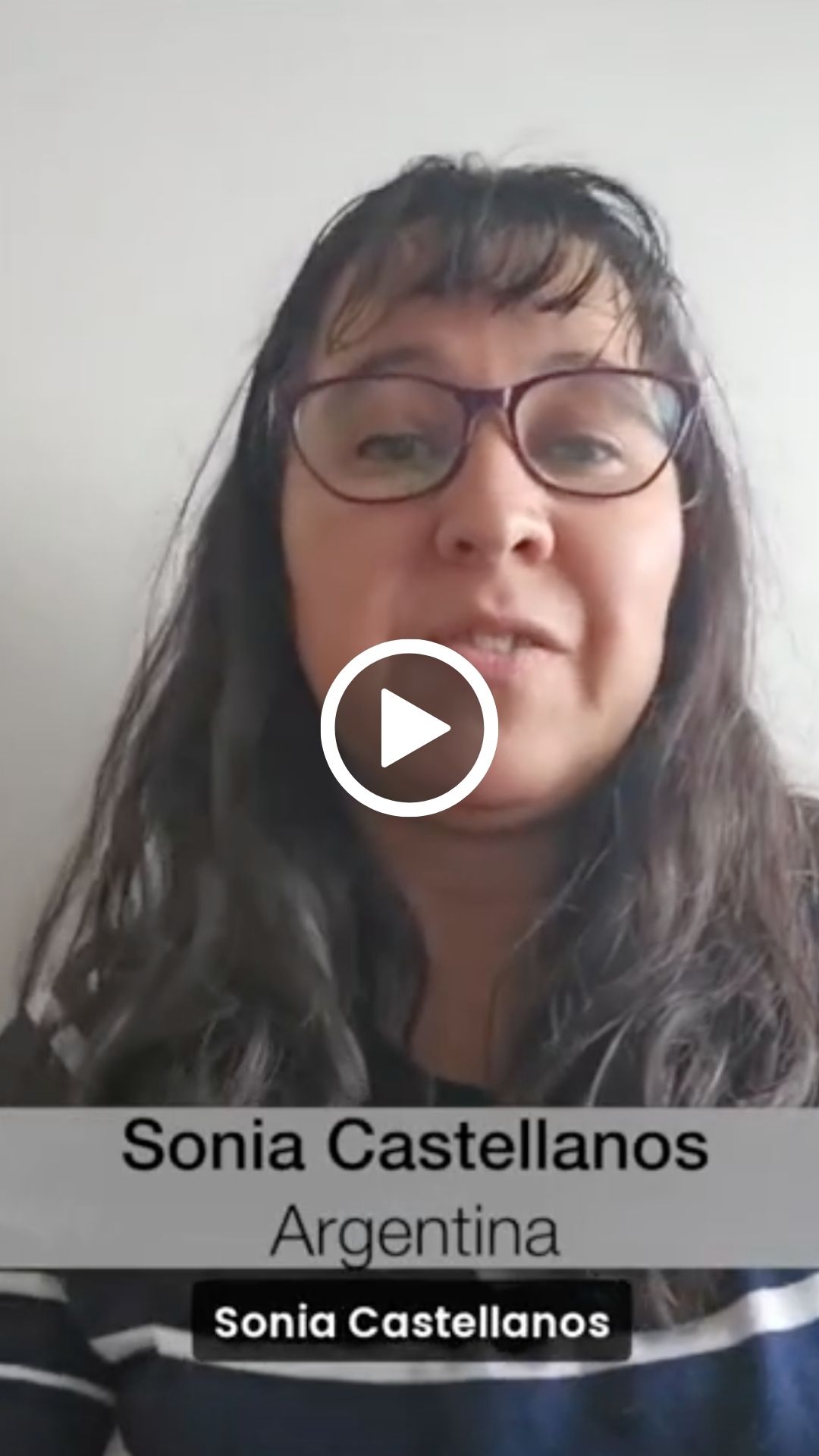
TESTIMONY 27 - SONIA(ARGENTINA):— Hello, my name is Sonia Castellano. I am the mother of Guadalupe, 20 years old, and Julieta, 16, who is on the autism spectrum. The truth is, I wouldn't want to have to mention her diagnosis, but well, based on my experience and journey, it's important to mention it. When my daughter received an autism diagnosis, health professionals, including doctors, neurologists, psychologists, and psychopedagogues, referred me to a different type of education for my daughter, one that was outside the education system.
They said that due to her characteristics, she had to be in what is called a therapeutic educational center here in Argentina. These are external facilities where they teach daily life skills and other matters related to social and cognitive development. From there, my husband and I started to investigate and understood the rights-based perspective we were facing and that Julieta had the right to attend a mainstream school.
That's where our search began, and fortunately, she entered a religious school from kindergarten (sala de 5), completed primary school, and is now in her second year. We have been working and building consensus with the directors, orientation teams, and teachers. I've had very open-minded teachers, especially during the pandemic, where very interesting learning strategies were implemented through platforms, and I've also had teachers who asked me what my daughter was doing in a mainstream school. Often, this diversity is recognized, the right to be there is recognized, but unfortunately, the right to coexist is not recognized. And here I want to bring up a document from UNESCO, by Jacques Delors, on learning to develop knowledge, learning to be, but also learning to live with others.
I believe that this is still a pending issue for education concerning disability and persons with disabilities. It's not just the right to be there, but the right to learn and the value that these individuals bring when they are included in the school. On the other hand, I also see a lot of confusion regarding different approaches. That is, other approaches that tend to homogenize certain profiles are recognized as inclusive education.
Profiles are sought to be homogeneous or to have a certain type of disability, as if learning were better fostered that way, very typical of the medical-rehabilitative model. I believe that, well, references like Silvana Corso and other people who are promoting with theoretical foundations and evidence that diversity enriches classrooms and, therefore, societies. Thank you very much.
AUDIO DESCRIPTION [AD]:Call for testimonies from Latin America. Several people speak directly to the camera to record their testimonies.
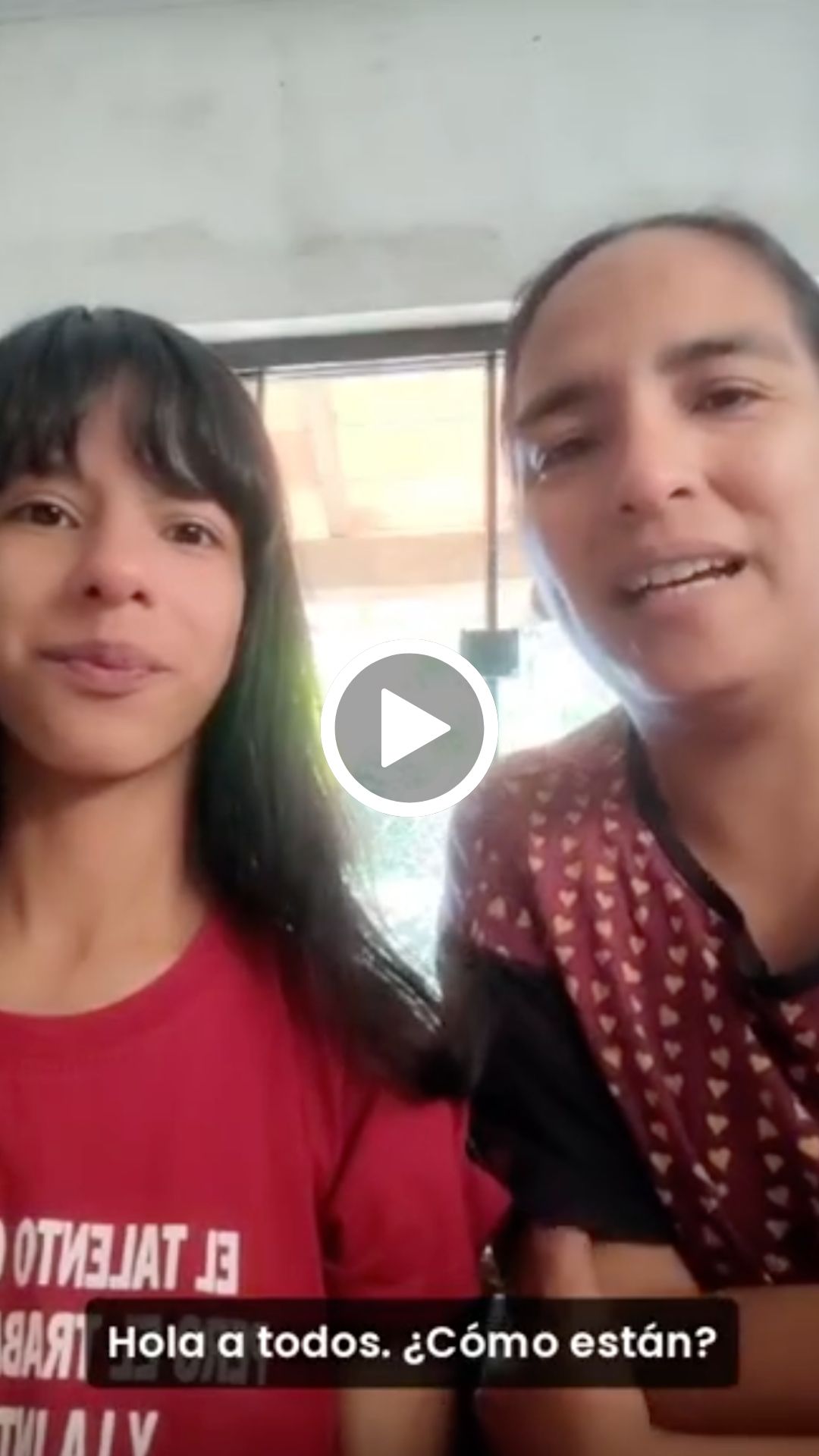
TESTIMONY 28 - NANCY and JAZMÍN(PARAGUAY):— (NANCY) Hello everyone, how are you? My name is Nancy Rubira and I am the mother of two girls. The first, my eldest daughter, is named Jimena Torres. And, here, is my second daughter, Jazmín Torres, who is 13 years old.
Our experience in what was the school year or since her school year began, was not good at all at first. It was a constant struggle to achieve true inclusion for her. At first, they discriminated against her or ignored her completely, as if she were a fly on the wall. She was in the classroom, but she wasn't doing anything. She wasn't part of the group, she was just in a corner, totally left aside. These were moments of great struggle and frustration, both for my daughter and for my family. So, we had to file a formal complaint with the Ministry of Education.
Once the formal complaint was filed, we were finally able to achieve true inclusion for my daughter. This year she is already in her sixth grade of basic school education. She is about to finish sixth grade. The truth is, I can say that she is progressing very well. This year's teacher has fully committed to enabling her to read and write, which we haven't achieved yet because nothing was done in the previous grades. As I said, she was practically completely discriminated against and ignored.
And here we are going to ask Jazmín, how did that make you feel? (SHE ADDRESSES JAZMÍN) How did it make you feel when your teacher left you aside or didn't give you tasks like your classmates? How did that make you feel?
(JAZMÍN) It made me feel ashamed, sad. I wanted to cry all the time. I told my mom I couldn't anymore, and my mom did everything she could for me. Now I'm happy with my new teacher. I'm already in sixth grade. I love my new friends, I also love my teacher. My teacher is very demanding, honestly.
(Laughter)
That's why I want my teacher to be very demanding with me.
(NANCY) And well, that's our experience with this new teacher who, as she says, is demanding with her, but demanding in the sense that she tests how far she can go. We know she can do more. Thank you very much for listening to us.
AUDIO DESCRIPTION [AD]:Call for testimonies from Latin America. Several people speak directly to the camera to record their testimonies.
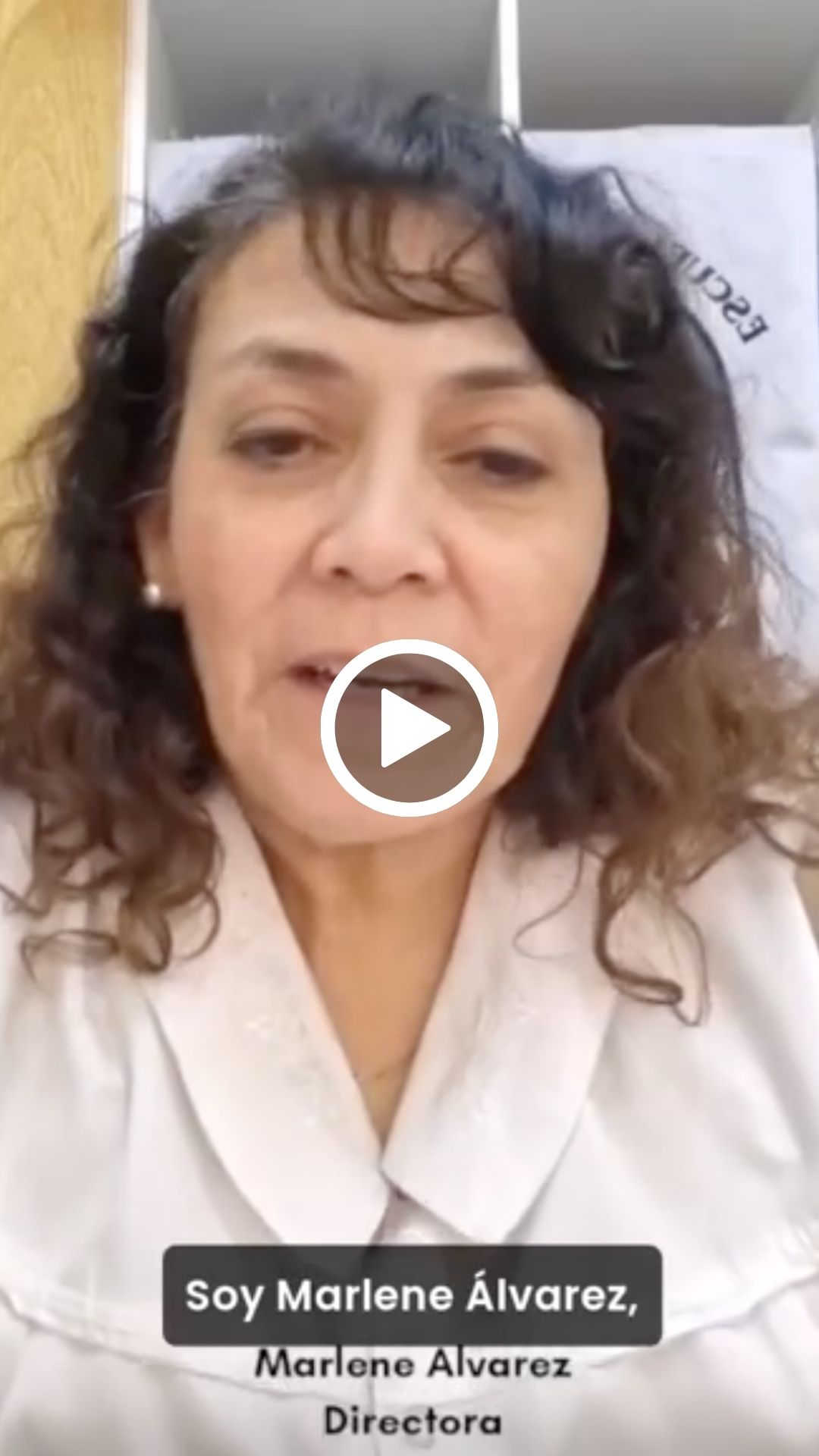
TESTIMONY 29 - MARLENE(ARGENTINA):— Hello, I am Marlene Álvarez, principal of school number 12 in Rada Tilly, Chubut, Argentina.
I wanted to share a specific experience about inclusion in the school. When I arrived at this school in 2022, I found that the children did not have an individualized pedagogical project. They had reports that had not been worked on within the school.
When I started to investigate, I realized that the teachers also lacked knowledge about everything that was required and all the tools to be able to truly include and do so in an individualized pedagogical project at the school. So, what we did was work together with local community networks, especially with the municipality. We sought out a private special education school, which was able to help us create this individualized pedagogical project for a student named Bianca, who has Down syndrome. The private special education school came to help us create it.
What was also done was training for all school staff. In light of this, the diagnosis that could be made was precisely this: the lack of teacher training to be able to develop projects, attend to, and provide responses to all the children with disabilities who were here at school 12.
It was very fruitful. Now, teachers are much more committed. Then, the following year, here in Roda Tilly, a training session was held with this private special school, Voces, with all the teachers from the community through the municipality. So, this intervention was very positive.
Well, this was something to share with you. We continue working on this.
AUDIO DESCRIPTION [AD]:Call for testimonies from Latin America. Several people speak directly to the camera to record their testimonies.
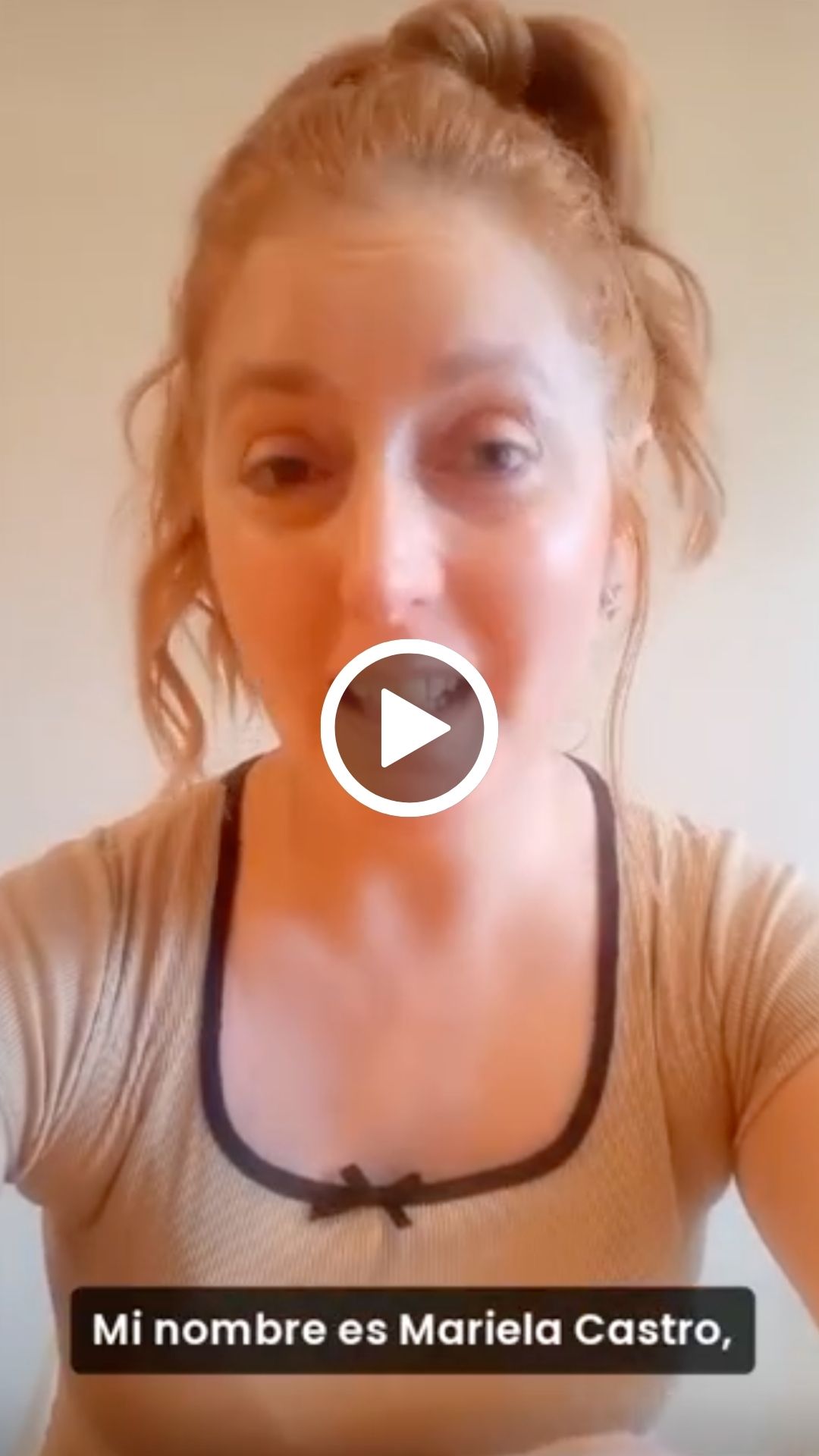
TESTIMONY 30 - MARIELA(ARGENTINA):— Hello, how are you? My name is Mariela Castro, I am a Language and Literature teacher and a pedagogical assistant in public schools in the Autonomous City of Buenos Aires.
The experience I want to share with you today is, first, to tell you that I am also the mother of a transgender teenager and that, based on my personal experience, I began to train in this area to support these journeys in schools, particularly public ones, which are not always included, so it is sometimes very difficult to provide support. Taking into account the teachers' stance and the lack of training we have on gender issues.
These are adolescents who also need to be seen and supported in their journeys. In some cases, these are journeys that also involve gender affirmation, which also greatly influences the daily lives of our students.
It is a job that is done very gradually, where the days of Comprehensive Sexuality Education and many other spaces that schools create are used to build support networks, keeping in mind that families are not always support networks for this population, unfortunately. These are the minority cases where families provide support.
So, well, I thank you very much for listening. Thank you.
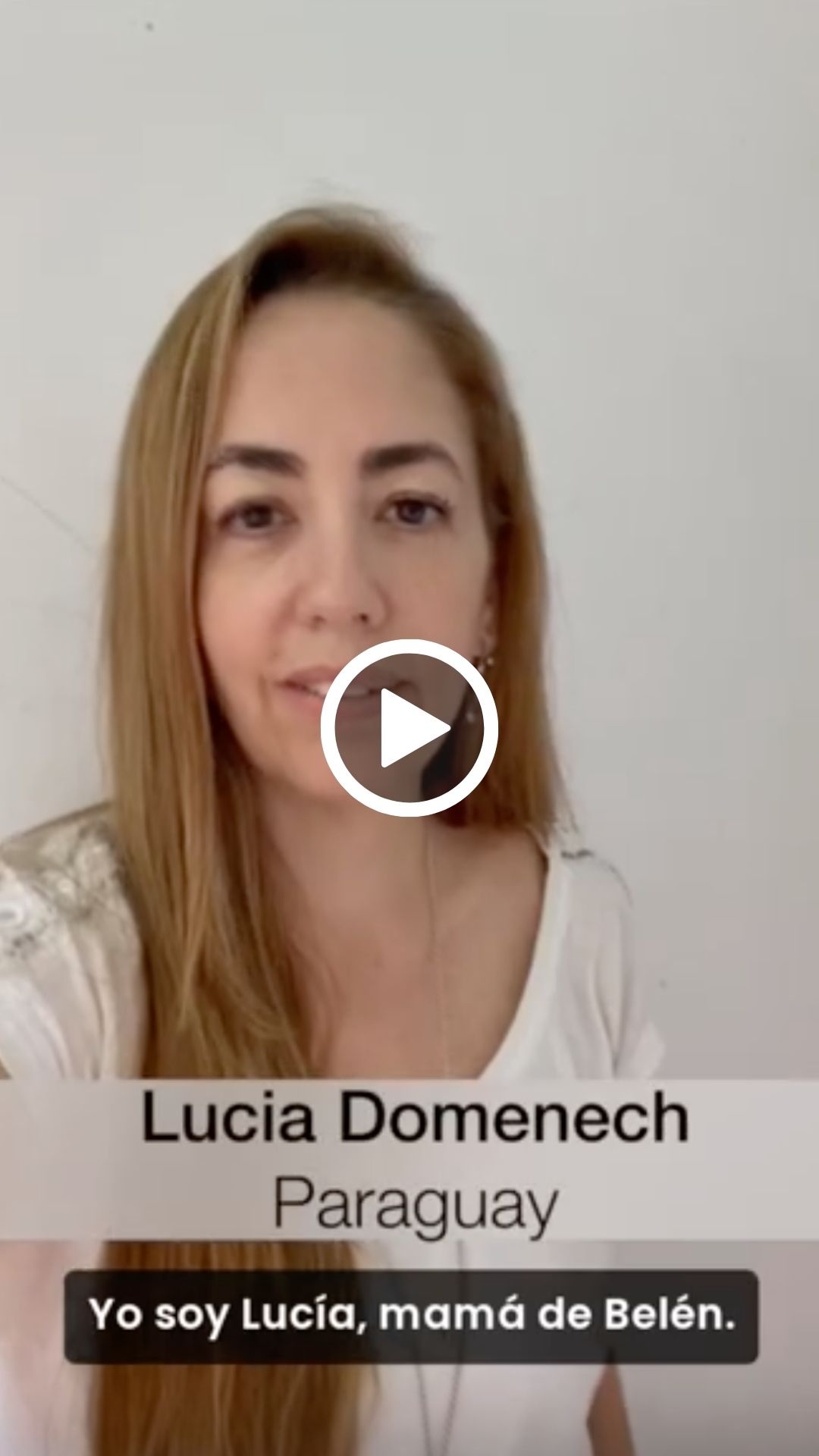
AUDIO DESCRIPTION [AD]:Call for testimonies from Latin America. Several people speak directly to the camera to record their testimonies.
TESTIMONY 31 - LUCÍA(PARAGUAY):— Hello, I'm Lucía, Belén's mom, she's 11 years old.
Belén is in one of the most traditional and largest schools in Asunción. My experience at the school so far has its good and bad points. I think it's getting a bit worse as she advances in grade, due to the challenges and the school's lack of preparation, honestly.
The good thing I highlight from this whole experience are the classmates who have been with her since kindergarten and have learned to be with her, grow with her, understand her, and support her unconditionally. The experience as a school, more than as a school, would be an experience per grade, because it depends a lot on the teachers we get, on the empathy each teacher puts in, and on the support team, as it changes according to the cycle we have at the school. We've had years where we had great teachers and years like this one, which has been very difficult because she didn't show empathy, nor connect with Belén, nor have a relationship with her. For me, today, the teacher doesn't exist for her; the support teacher is her teacher. It's also difficult, at this age, the issue of Belén's transition from 11 to 12 years old. It's very difficult. The support team isn't accompanying us, but more than anything because they aren't trained. We have meetings, but they don't know what to do. That's what I feel. I also don't agree with the school making you sign a letter of commitment to hire a shadow teacher. A school as large as the one Belén attends should have the capacity to have that personal availability and, also, sensory rooms, other forms of support, other teachers who can empathize more with them and be able to remove them when there are crises. Now, they simply call me and [me dicen] to remove her from school, which is simply reinforcing bad behavior.
Basically, that's my experience as Belén's mom. I can say that we've had very good teachers with very good support teams at times. And that, now, we are in a very difficult stage and, hopefully, we can move forward. We'll see how long we continue with this, because it's a bit scary. Honestly, it makes me question how long Belén could continue in the school.
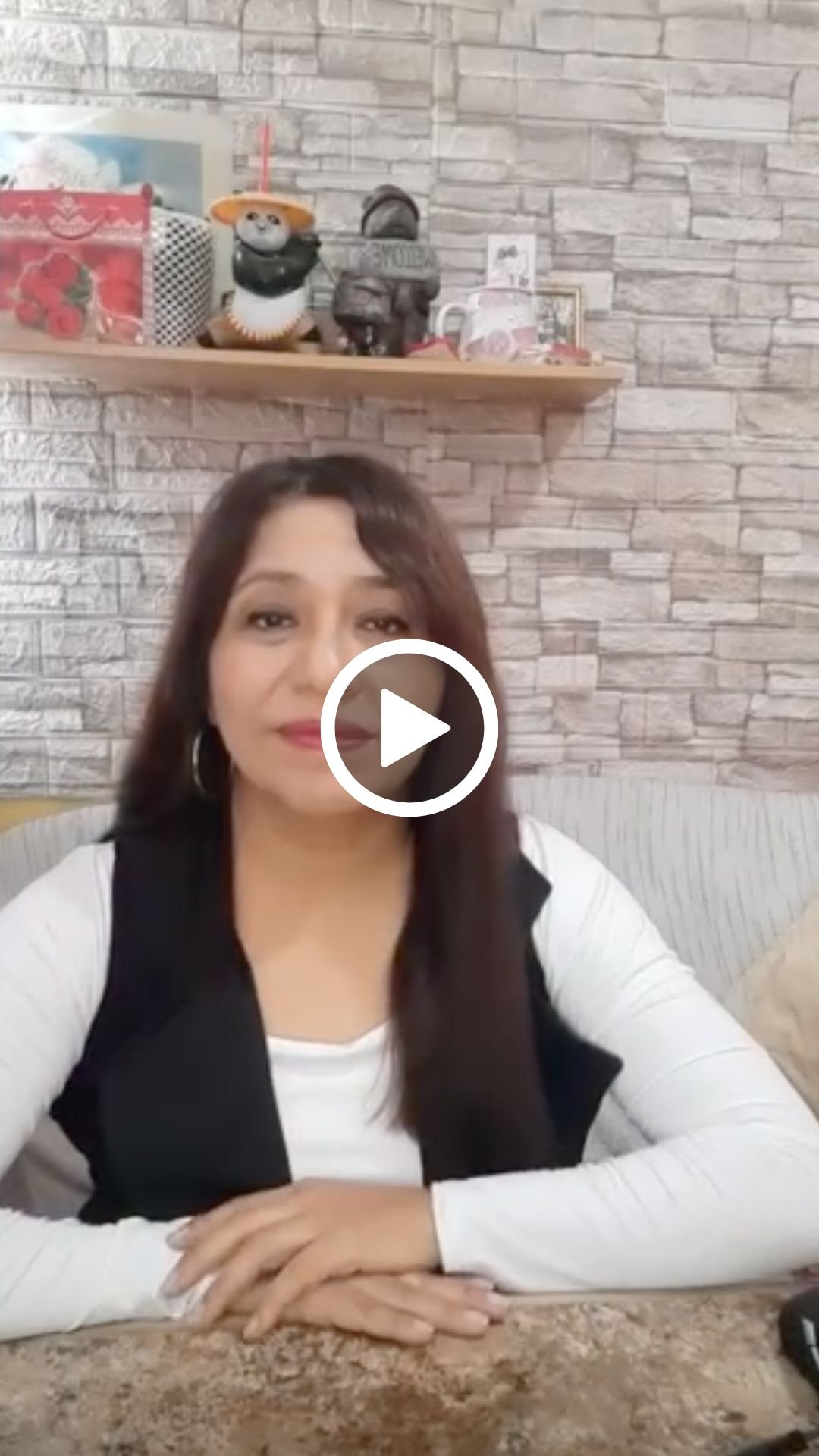
AUDIO DESCRIPTION [AD]:Call for testimonies from Latin America. Several people speak directly to the camera to record their testimonies.
TESTIMONY 32 - JULIA(PERU):— Hello, I am Julia Alayo, from Lima, and mother of Gabriel, who is six years old.
We started our journey towards inclusive education when Gabriel went to kindergarten at age 3. In fact, they made accommodations for us at the nursery, and it was a beautiful experience. However, towards the end of last year, they indicated that we would need a shadow teacher because there were three more children with special educational needs. And the rule, as they understood it, stated that there should only be two children per classroom, not more. But there was a mistake there, because it's two children minimum, not maximum.
The parents were able to understand that there was a fear of the unknown, that they hadn't gone through that situation before at the nursery. We decided to work as a team: the parents, the therapists, and the teacher. Week by week, they would send us what was going to be done with the child, and we worked on the adjustments in therapy. Also, at home, they were directing our efforts towards the same learning.
Now we know that the teacher really doesn't need that much support anymore to make the adjustments; she is achieving them on her own. The classes are dynamic, and all the children in the classroom learn each at their own pace according to their abilities. This time, we have noticed that not only did the teacher learn, but going forward, she knows she achieved it and now has the experience to make the necessary adjustments because she was able to do it with our children.
Ultimately, we all win. Thank you.
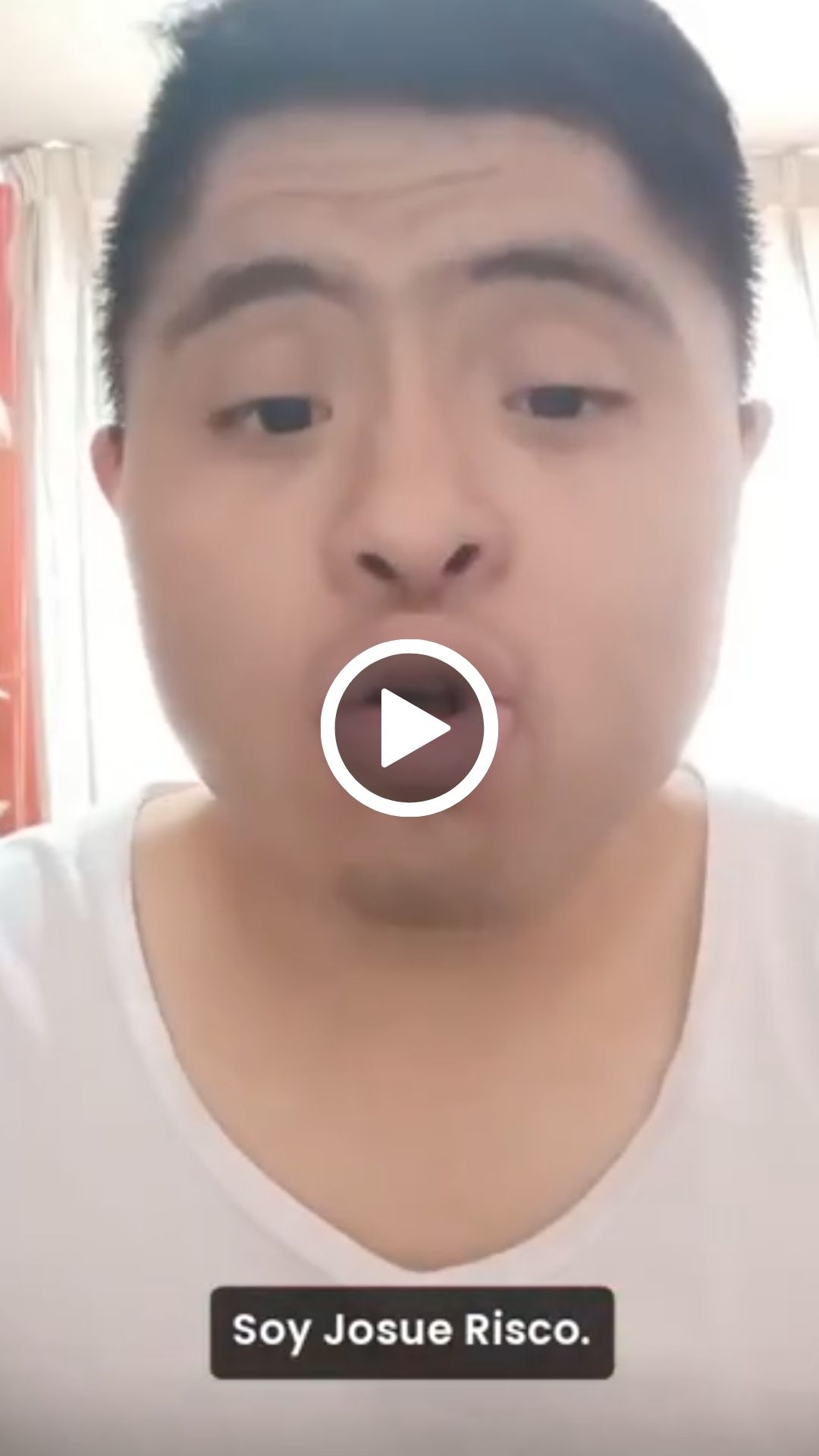
AUDIO DESCRIPTION [AD]:Call for testimonies from Latin America. Several people speak directly to the camera to record their testimonies.
TESTIMONY 33 - JOSUÉ(PERU):— I am Josué Risco. I am 24 years old. I finished primary school at San Juan Macias school. In primary school, I experienced happy moments, but also sad moments. Some classmates bullied me, but others helped me.
My classmates and teachers were not properly prepared for a person with Down syndrome. I did not study secondary school because my family was afraid that I would be bullied again.
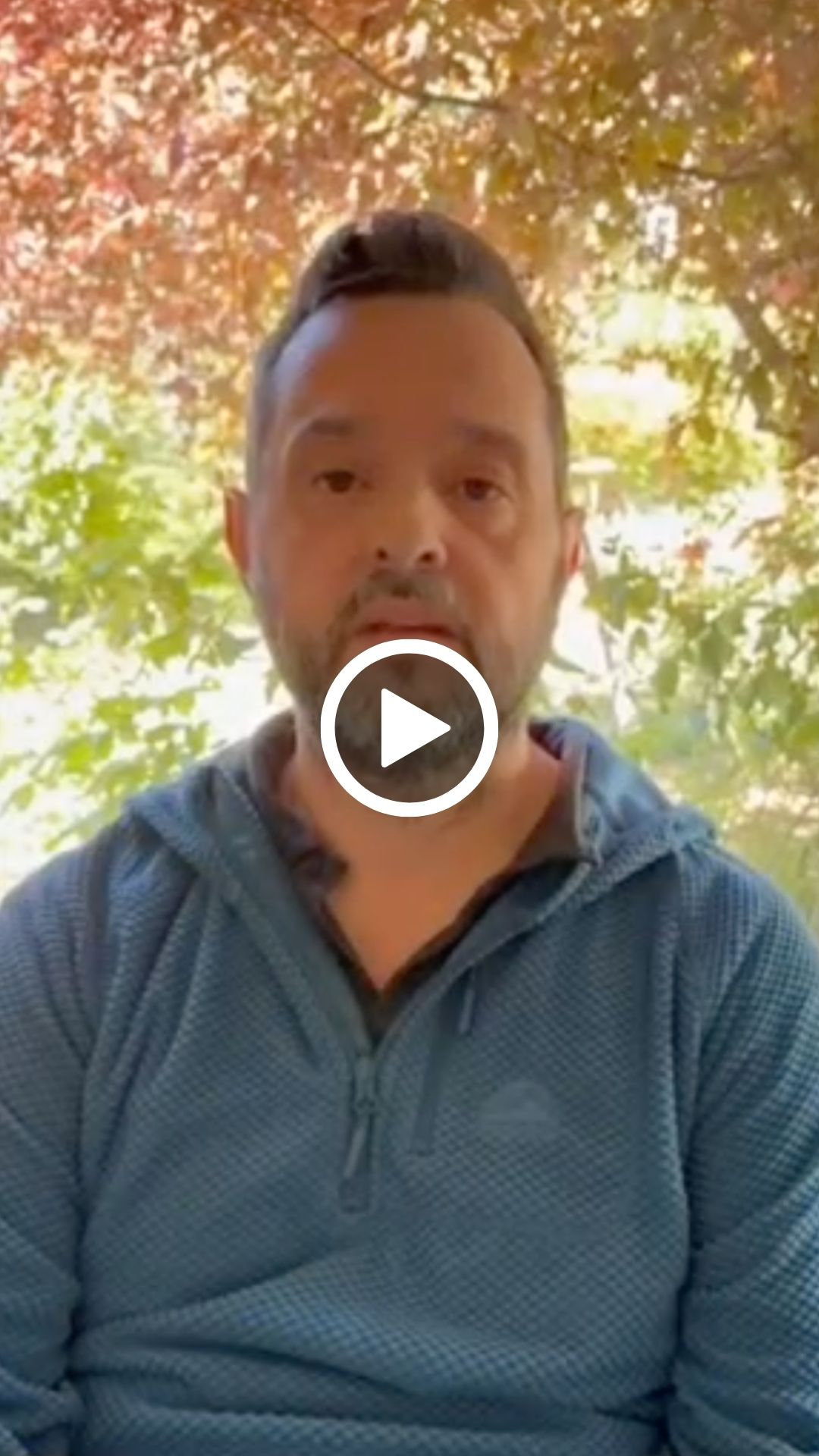
AUDIO DESCRIPTION [AD]:Call for testimonies from Latin America. Several people speak directly to the camera to record their testimonies.
TESTIMONY 34 - GASTÓN(ARGENTINA):— I am Gastón D’Ángelo, Oliverio’s dad.
Oliverio attended several mainstream schools, and we didn't get results regarding his schooling. They always tried to communicate with Oliverio, for Oliverio to respond, or to evaluate him through oral communication or manual writing, tools that Oliverio, due to a motor issue, cannot use. His fine motor skills prevent him from speaking and manual graphing.
Today, Oliverio is happily enrolled in a special school. And I say 'happily' because it is a school where he feels comfortable and belongs. Where he goes happily, stays for the whole day, and returns home happy.
As a family, we took on the task of teaching Oliverio to read and write, by pointing to letters on a keyboard. He can do that motor task, he can point to letters and form words and sentences. Thanks to that, the world is getting to know him.
I believe it is the duty of teachers to find ways to provide literacy as a universal communication system for people who cannot speak. Considering that, today, technology through literacy allows them to be connected with the world.
I believe that, fortunately, the most important changes in education still live within each teacher. Finding the right method with the right student, at the right time, to provide literacy opens up a world of communication for them, which is a human right that we must respect and work to guarantee.
I believe there is no perfect school. There is no Waldorf or Montessori school, public or private, morning or afternoon, that is ideal for a student. The difference is made by people, and it is made by teachers. This is my message for this space of training and dissemination of educational practices.
AUDIO DESCRIPTION [AD]:Call for testimonies from Latin America. Several people speak directly to the camera to record their testimonies.
TESTIMONY 35 - DELFINA(ARGENTINA):— Hello, I'm Delfina and my son Rosendo is 17 years old.
Since kindergarten, he has been included in mainstream schools. Our experiences have not been entirely good. In kindergarten, they already told us that the school we had chosen aimed for academic excellence and [Rosendo] did not fit the standards they expected.
Later, in primary school, he spent seven years in a school with apparent inclusion. I say 'apparent' because seven, eight, nine in the notebook, Information Processing Speed (IPS), support teacher... but when he was about to finish his schooling, in the middle of the pandemic, they told us that Rosendo was not at the level to move on to secondary school. We objected and showed them the laws, we fought for it and made them see that it was the institution that had not been at the level, because Rosendo had been left adrift during those seven years.
He moved on to secondary school and here, again, it has been and is a struggle. He is in his fourth year of an agricultural technical school and nothing. [En la escuela] They never opened up to the family and the team helping them. They claimed to know how to do everything, but every year, we have to remind them again how to adapt, how to make the PPI. This year, they removed the core subject of the career because they said he couldn't abstract and so on. The purpose of this is so that Rosendo does not obtain the degree and certification.
I think that mainstream school is not prepared to include, unfortunately.
Now my dream is to finish school, go to university, and work to help my family. Thank you.
AUDIO DESCRIPTION [AD]:Call for testimonies from Latin America. Several people speak directly to the camera to record their testimonies.
TESTIMONY 36 - CLAUDIA(CHILE):— Hello, I'm Claudia, from Chile.
When I have to talk about my joys, I think one of the greatest I've had in inclusive education was the way the Institución Teresiana school welcomed us. That they looked at our son and not at his diagnosis. That he entered the school and no one turned around, stared at him, or made certain faces because of his condition. I think that has been one of the greatest joys. Being just one of the group.
When I have to talk about my pains, perhaps there are more. It's that mother who, perhaps, everyone congratulates, saying she's great, but no one wants to be near her. No one wants to be in her place.
Another pain can be when I see my son walking alone during recess. Or asking him what he played and he tells me he went to the library. When I see him wearing a bib in physical education and the ball will never reach him. When his classmates always put him in goal. Or you talk to a family, you need their support, and the family ignores you. That inclusion is limited only to his son sharing a physical space with mine. That if they invite him somewhere, it's as if they are doing him a favor by inviting him.
Greetings.
AUDIODESCRIPCIÓN [AD]: Convocatoria de testimonios de Latinoamérica. Varias personas hablan directamente a cámara para grabar sus testimonios.
TESTIMONIO 37 - ANA SOPHIA (BRASIL):—
(ANA SOPHIA) Oí. Meu nome é Ana Sofia Pagni. Tenho 16 anos e frequento escola. Tenho amigos…
(VOZ 1) …Na escola regular?
(ANA SOPHIA) Regular.
(VOZ 1) Desde que você começou?
(ANA SOPHIA) Yes.
(VOICE 1) And tell me something. What makes you happiest at school?
(ANA SOPHIA) Ah, when I'm with my aide or friends.
(VOICE 1) And do you have many friends?
(ANA SOPHIA) I have many friends.
(VOICE 1) And do some of your friends have a disability?
(ANA SOPHIA) No! João Paulo does.
(VOICE 1) So, how many more? But you have studied with several students who had disabilities, haven't you?
(ANA SOPHIA) Yes!
(VOICE 1) They had Down syndrome like you, or were they deaf...
(ANA SOPHIA) Deaf too.
(VOICE 1) Were they on the autism spectrum?
(ANA SOPHIA) Also.
(VOICE 1) Oh, cool! What makes you sad in the process...
(ANA SOPHIA) When they don't want to have lunch with me, when I don't get something I want...
(VOICE 1) And have you always studied at the school you are at now?
(ANA SOPHIA) No.
(VOICE 1) In the school you were at before, why did you leave?
(ANA SOPHIA) Because I felt sad, excluded, and I wanted to leave school.
Yes? And is it very demanding like this, are there many activities…
Yes! For God's sake!
Do you feel a bit tired?
Yes.
Do you notice that there is, uh... how do you say it... curricular adaptation? You have an assistant, don't you?
(ANA SOPHIA) I have help.
(VOICE 1) And does she help you a lot?
(ANA SOPHIA) She does.
(VOICE 1) Oh, that's good! At any point, do you feel, in your current school, excluded or do you feel bad at school?
(ANA SOPHIA) No.
(VOICE 1) And when you have classes that are very difficult like that, what do you usually do?
(ANA SOPHIA) Then, yes, I skip class.
(VOICE 1) Oh, you skip class?
(ANA SOPHIA) Who doesn't skip class, right?
(VOICE 1) Do you skip class from there?
(ANA SOPHIA) (LAUGHS) I do.
(VOICE 1) Ah, I see, very good.
(ANA SOPHIA) Math is a difficult thing, right? Nobody likes it.
(VOICE 1) Ah, I see.
(ANA SOPHIA) But unfortunately, you have to attend, right?
(VOICE 1) Alright then. Thank you very much, Ana.
AUDIO DESCRIPTION [AD]:Call for testimonies from Latin America. Several people speak directly to the camera to record their testimonies.
TESTIMONY 38 - ANA LAURA(ARGENTINA):— Hello, I am Ana Laura Calí, from Río Colorado, Río Negro province. I completed most of my studies there.
I went through nursery school, preschool, primary school, and secondary school. In primary school, from third grade onwards, I had the help of a psychopedagogue. In secondary school, I had the help of a support teacher for some subjects.
Years later, I graduated as a tourism guide from the Lenguas Vivas institute in the city of Biedma. Having to leave home, where nobody knew me, was more difficult. And for my classmates to know that I could be just one of the group. Throughout these years, I always had a very good relationship with the teachers. I was able to make friends and have a group of friends. When I needed help, I received it. And when I could help, I did. It was an unforgettable experience.
My greatest joys were in secondary and tertiary education. Being able to go on a year-end trip to Bariloche for ten days with my classmates. And achieving the degree that allows me to currently work for the province of Río Negro, in the tourism office of Río Colorado, which is on route 22.
Thank you.
• Access the playlist with all the video testimonials.