
The Adventure of Learning
The Adventure of Learning is a space for meeting and exchange around learning to discover what practices, atmospheres, spaces, and agents make communities work; their whys and hows, or in other words, their aspirations and protocols.
This project starts from minimal and easy-to-formulate premises. The first has to do with the conviction that knowledge is a collaborative, collective, social, and open endeavor. The second embraces the idea that there is a lot of knowledge that does not arise within the walls of academiaor any of the canonical institutions specialized in its production and dissemination. And finally, the third argues in favor of the fact thatknowledge is more an activity of doing than of thinkingand less argumentative than experimental.
The objective of these didactic guides is topromote the implementation of collaborative projects that connect classroom activities with what happens outside the school grounds.
Without adventure, there is no learning, as the tasks of learning and producing are increasingly inseparable from the practices associated with sharing, collaborating, and cooperating.http://laaventuradeaprender.intef.es
Project conceived and coordinated by Antonio Lafuente for INTEFhttps://intef.es. Work published under a Creative Commons Attribution-ShareAlike 4.0 International License.https://creativecommons.org/licenses/by-sa/4.0
For any matters related to this publication, please contact: National Institute for Educational Technologies and Teacher Training. C/ Torrelaguna, 58. 28027, Madrid. Tel: 91-377 83 00. Fax: 91-368 07 09. Email: lada@educacion.gob.es.
Ministry of Education and Vocational Training; Directorate General for Evaluation and Territorial Cooperation. National Institute for Educational Technologies and Teacher Training (INTEF); Digital Educational Resources.
Who created this guide
‘Students for Inclusion’ Collective
A working group of secondary school students from different parts of the country who aim to make schools more inclusive, so that they take into account all people, regardless of gender, nationality, abilities, their family’s purchasing power, culture and/or ethnicity, sexual orientation, gender identity, etc.
The team of students who have worked on the development of this guide is made up of: Alberto Sánchez Montes, Antón Fontao Saavedra, Carmen Manzano Fernández, Darío Calderón Cano, Indira Martínez de Ilarduya, Jorge Osa Fernández, Juan Stefan Marí-Mayans Maximet, Leo Osa Fernández, Malena Calderón Cano, Mariama Samba, Martín Zabaleta Verde, Pablo García Luque, Patricia Fernández Jiménez, Rafael Soto Molina, Yasmina Ennadi El Alami Mouis, and Zulaika Hadmed Cortés.
Ignacio Calderón Almendros
Professor of Theory of Education at the University of Malaga. He researches processes of exclusion in schools and the promotion of inclusive education. Among his books areEducation, handicap and inclusion. A family struggle against an exclusionary school (Octaedro, 2012), Education and hope on the borders of disability (Cinca, 2014), Unlucky, but a warrior to the death (Octaedro, 2015), School failure and sociocultural disadvantage (UOC, 2016) and Recognize diversity (Octaedro, 2018).
Luz del Valle Mojtar Mendieta
Professor in the Department of Theory and History of Education and M.I.D.E. at the University of Malaga, and Infant Education Teacher. Member of the Research Group ‘Theory of Education and Social Education’ (HUM 169). Her research interests include inclusive education, the educational experience of disadvantaged children and youth, and intersectionality.
Florencio Cabello Fernández-Delgado
Professor of Audiovisual Communication Technology at the Faculty of Communication Sciences of the University of Malaga. Doctor of Communication Sciences from the University of Malaga. Founder of the JER™ (Jeffrey Epstein University Funding Ranking).
Introduction
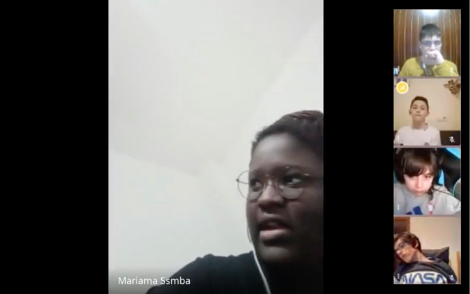
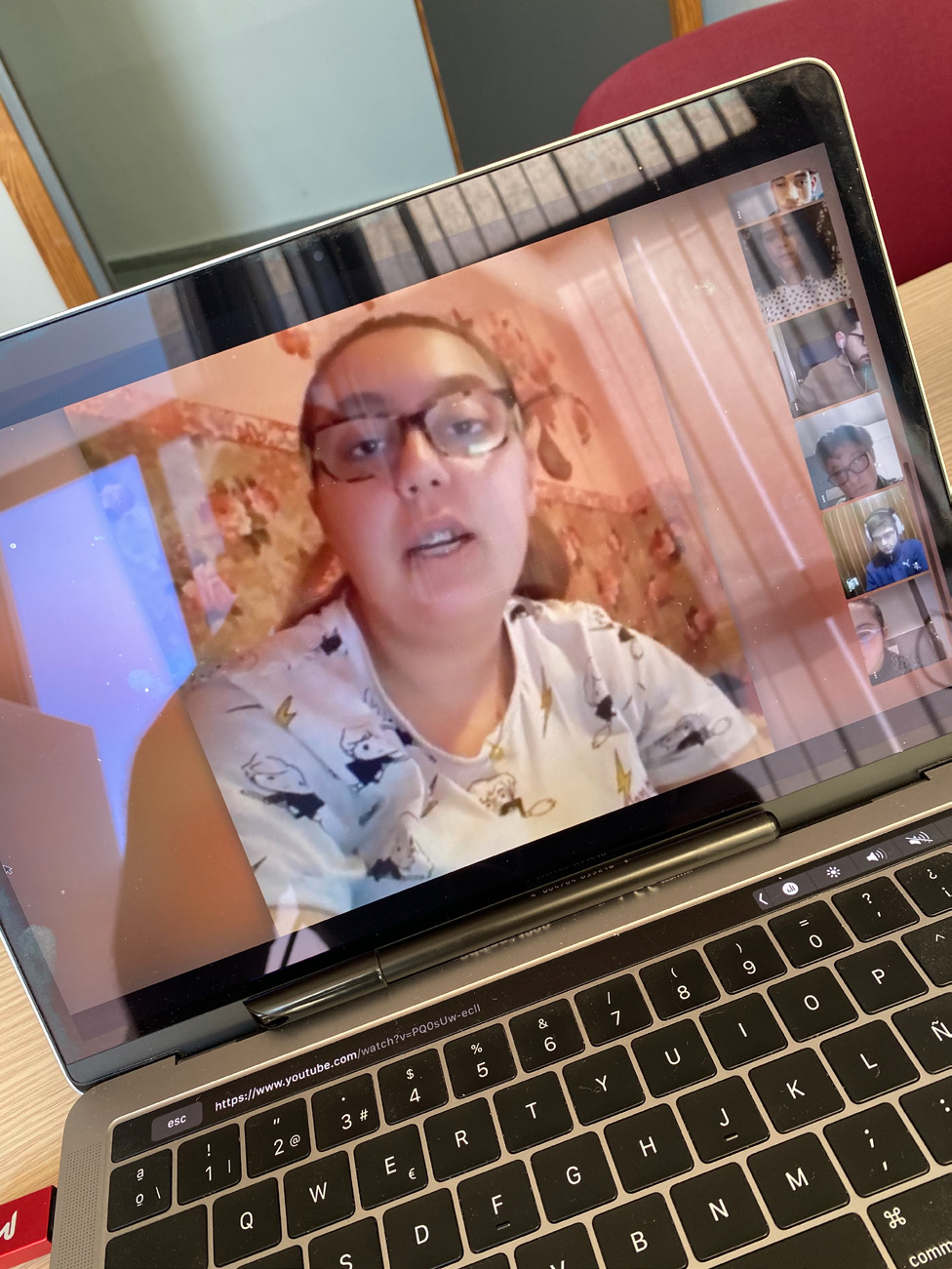
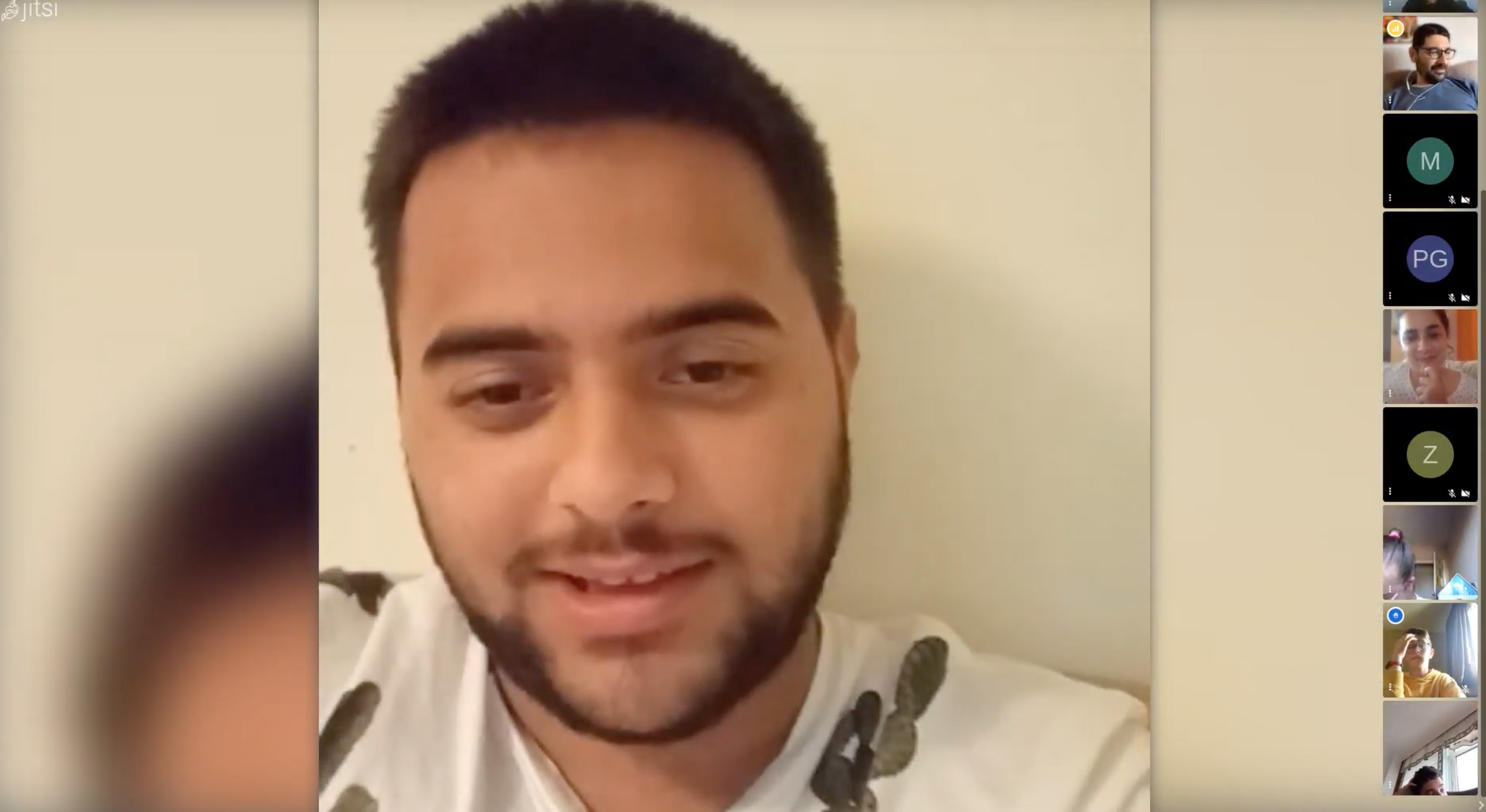
This guide is born from the intense and prolonged work of a group of secondary school students from different parts of Spain, who began to hold regular meetings starting from the beginning of the COVID-19 pandemic in 2020. These meetings took place online through the free Jitsi Meet platform with the collaboration of a team of researchers from the University of Malaga, within the framework of a research project.1
The ‘Students for Inclusion’ Collective all these sessions were dedicated to reflecting on how their schools function and to thinking about proposals to make them more inclusive, always starting from their own voices and demands, which are often scarcely heeded by institutions.
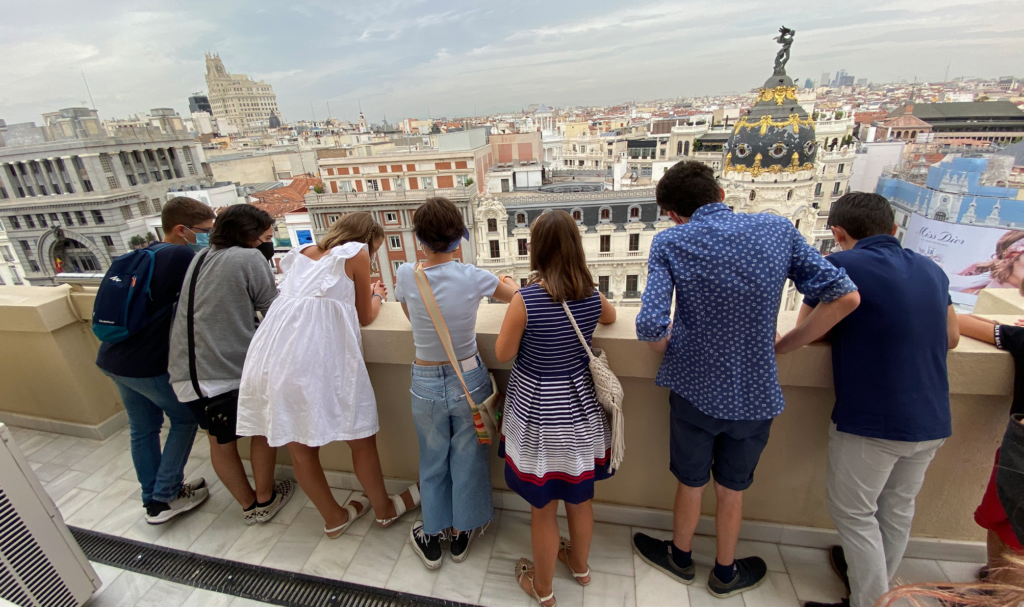
The diverse composition of the group has been the key to ensuring that the ideas born from it, filtered through sustained debate over time, guarantee that the focus has always been on the inclusion of all students, without any restrictions on that “all.” The group includes boys and girls of different nationalities, cultures and/or ethnicities, with different abilities, with diverse family histories, with different socioeconomic levels, and varied in terms of sexual orientation, gender identity, etc. In other words, the internal diversity of the group is enormous, and that has been key to having debates that have always passed through the sieve of different forms of oppression and inequality. This is how this work was born.
The guide draws on three main lines of research widely developed by Educational Sciences and other Social Sciences.
The first is what has come to be called inclusive education, a process that is based on the need to create a single school that avoids any type of segregation to ensure that we learn to live together: those who are separated in schools are groups at risk, whether due to ethnicity, origin, purchasing power of their family, disability, etc. This is why initiatives like the Alliance for inclusive education and against school segregation are born, which brings together demands from groups such as the Roma population, people with disabilities, or migrant populations.
In 2013, the United Nations High Commissioner for Human Rights declared that “the right to education is a right to inclusive education”. In other words, we are talking about aHuman Rightrecognized by the UN, and recently incorporated into the two main education laws in Spain (LOMLOE and LODE) as a student right.
Inclusive education is about the desire to make schools welcome all people. All of them. It is a celebration of human diversity, which recognizes the value of differences. However, it is not enough that we are together; we need to make the school offer what each student needs to learn, participate, and gain recognition.
There are two fundamental and intensely related concepts, which UNESCO1 defines as follows:
“Inclusion is a process that helps to overcome the obstacles that limit the presence, participation, and achievement of all students.
Equity consists of ensuring that there is a concern for justice, so that the education of all students is considered of equal importance.
Objective 4 of theAgenda 2030 for Sustainable Developmentincorporates these two ideas and sets a clear direction: “Ensure inclusive and equitable quality education and promote lifelong learning opportunities for all.” Therefore, there is clarity of ideas regarding the need to evolve our educational systems to open them up to all citizens without exclusion. As we say, it is nothing less than a human right.
International scientific evidence has shown the valueacademic and socialof inclusive education for all students. Despite all this, our schools are still not inclusive. This is where the value of this guide comes into play. As a recent campaign, it is not enough to proclaim its value and our desire for inclusive education, because the necessary changes will not happen by magic. In this case, wanting inclusive education means getting down to work to create it.
And to create the education we desire, students hold some of the main keys. Hence the other two major conceptual tools on which the guide is based:
- Research on Student Voice (Student Voice) for educational improvement and social change.
- And Youth Participatory Action Research .
- Both currents of research and action to promote social justice in situations affecting young people will be shuffled and mixed in these pages, with the idea that young people themselves lead the change in our schools and institutes.
These approaches promote student autonomy and foster changes in what is learned and how, social relationships, and the institution itself. It is our education that is at stake, and we want to make decisions about something that affects us day by day.
So we invite you to use this guide in a useful way:
- take what serves you,
- discard what makes no sense in your reality,
- create all that you can,
- and… don’t forget to tell us!
Materials
What we have learned through our personal experiences, our work as a collective, and what international scientific literature explains is that inclusive education is fundamentally generated through dialogue.
Dialogue is what allows us to get to know each other, eliminate fears and ignorance, inform ourselves, transcend stereotypes, prejudices, and stigmas… But above all,dialogueeliminates mental barriers, which lead us to discriminate against other people because of their differences. And it’s free!
Beyond this willingness to dialogue and your time,your timewe are going to propose different ways to build projects. Therefore, there is a variety of materials that may be useful, but they will only be used if your project requires them. Here are some ideas:
- Mobile: It is a very useful device because it can allow recording (videos and audios), connecting to the internet to search for information, creating messaging groups and social networks, taking photographs, editing, etc. And it is something we often carry with us.
- Computer: It also allows performing some of these tasks of editing, navigation, information storage, document creation, podcasts, databases, etc.
- Internet: Internet connections allow access to a large volume of information and applications, consultation, interaction, etc. There are always public connection possibilities available to students in schools and public buildings, such as libraries, universities, etc.
- LADA Guides: There is a whole series of guides that precede this one that can help develop some of the processes we propose on these pages. They explain in detail how to do them. You will find the links throughout the document.
- Web Space: Having a website allows us to share progress, invite collective work, and generate networks with other students, schools, and institutions… Perhaps a good proposal would be to request a self-managed space on the school’s own website, although there are always options for creating self-managed websites at no cost.
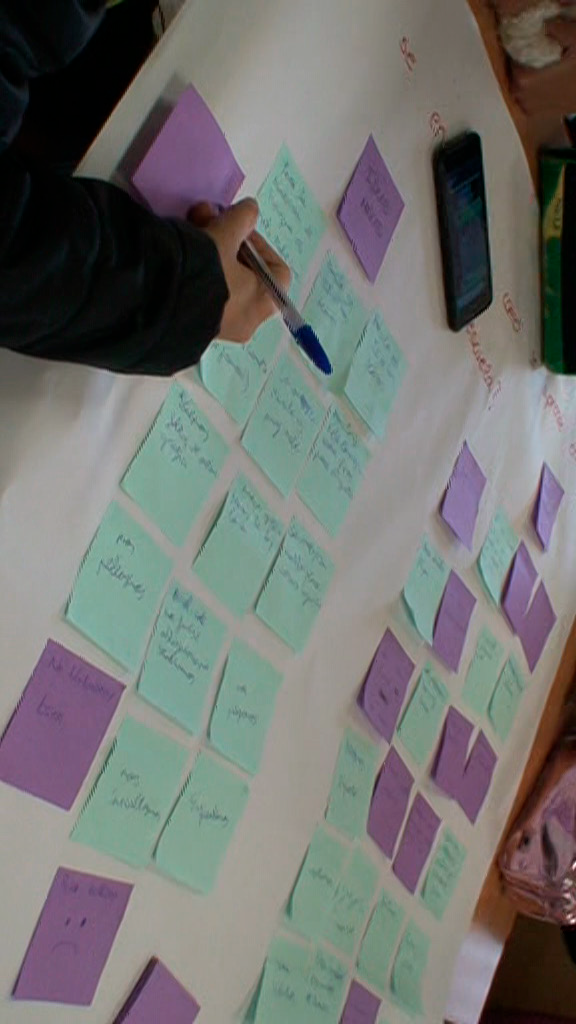
- Stationery materials: These are very useful for certain activities we carry out. In general, for group work, rolls of continuous paper, post-it notes, markers, highlighters, adhesive tape, scissors, etc., are very useful.
Steps
1. Create a diverse group
Making your school more inclusive requires you to analyze what it is like now and what you would like it to be. To do this, it is necessary to include the voices of the entire community, and especially those that are least considered. The idea is to enable all students to learn, participate, and pass in it.
Therefore, you need to involve other students interested in promoting equity and inclusion. The goal is to improve the entire school, not just what affects you.
In this task, it is necessary for the group to be full of diversity, paying special attention to those who are not being sufficiently attended to in school. Therefore, the project can start with just one person, but the first step will be to find allies who allow us to start thinking about the school together.
Who might be interested? The simplest answer will be to look among your own friends. Which of them could get involved in promoting change? Perhaps just thinking about it might help you form a small group.
These people, in turn, can propose others. On the other hand, there are people who tend to get involved in school politics, either to demand improvements, to be members of the school council, or to be part of student associations, groups, and/or unions. It is possible that they will like the proposal.
Once you have thought about the people closest to you, it is time to turn your attention to those you do not know. To do this, you can make a public call that encourages reflection and invites participation in a debate. For example, you can create a poster with an image, a phrase, a question, etc., that is mobilizing enough to generate a debate, and place it in a high-traffic area for students.
It would be interesting for this first meeting to take place during school hours, for example, during recess, although depending on the circumstances (COVID-19 has complicated everything!), this may not be possible. You will have to make decisions.
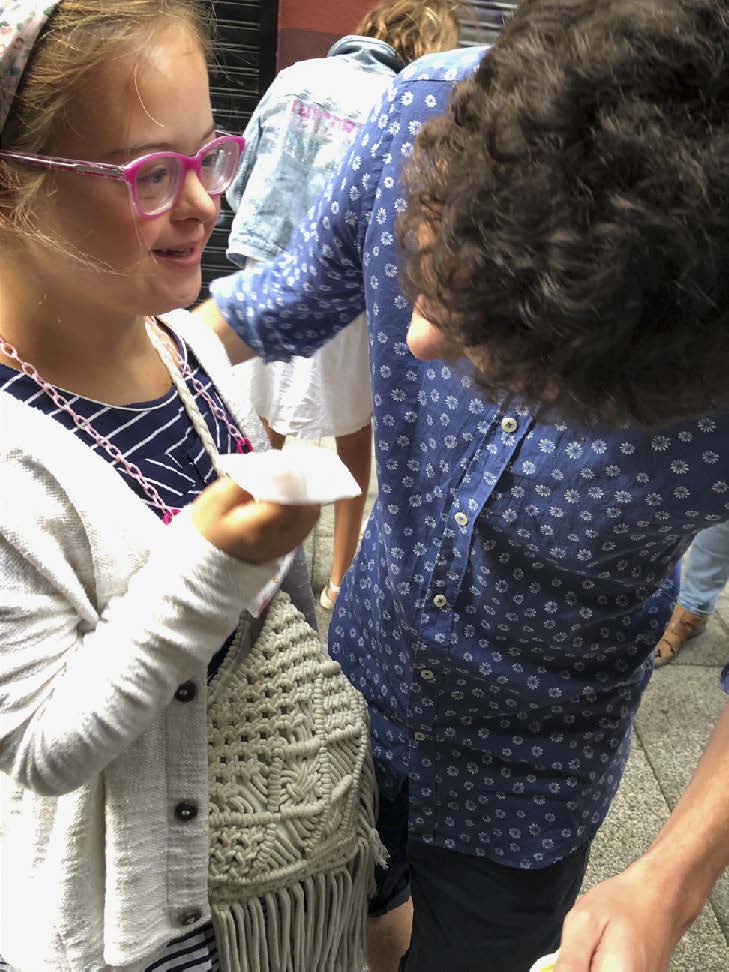
Another way to find people who can offer interesting perspectives for your task is to reach out to those who are being left out. Here are some ideas for finding valuable individuals:
- Observe the playground carefully during recess. Perhaps you can go up to a higher floor to get a better view. What do you see? Is anyone being left out? Inviting them to participate would be great, because these are people who might be particularly suffering from the institution’s relational barriers.
- Ask ourselves who is not managing to learn well in school. They are often blamed for everything (laziness, irresponsibility, clumsiness, bad behavior, inability…), but we are learning to think that it is the barriers to learning that may be hindering their path. These individuals have many insights that interest us, and it’s possible that starting to be part of this will be as rewarding for them as it is for us.
- Once you’ve done this, now think again: which students haven’t you considered so far? Perhaps in your school there is a “special” classroom, a coexistence classroom, students who don’t know our language, or who cannot attend in person because they are hospitalized… It would be excellent to have them with us. You might feel a bit overwhelmed at times, but don’t let that paralyze you:the best option in these cases is to ask for help. Surely there is a teacher or your own families who can lend you a hand to contact, to think of proposals, to break the ice, to broaden communication possibilities, etc.
- One more question: Are there boys and girls? Are there students of different nationalities? And students with disabilities? Students of Roma ethnicity? Is there sexual and gender diversity in the group? Perhaps this will improve your list of participants.
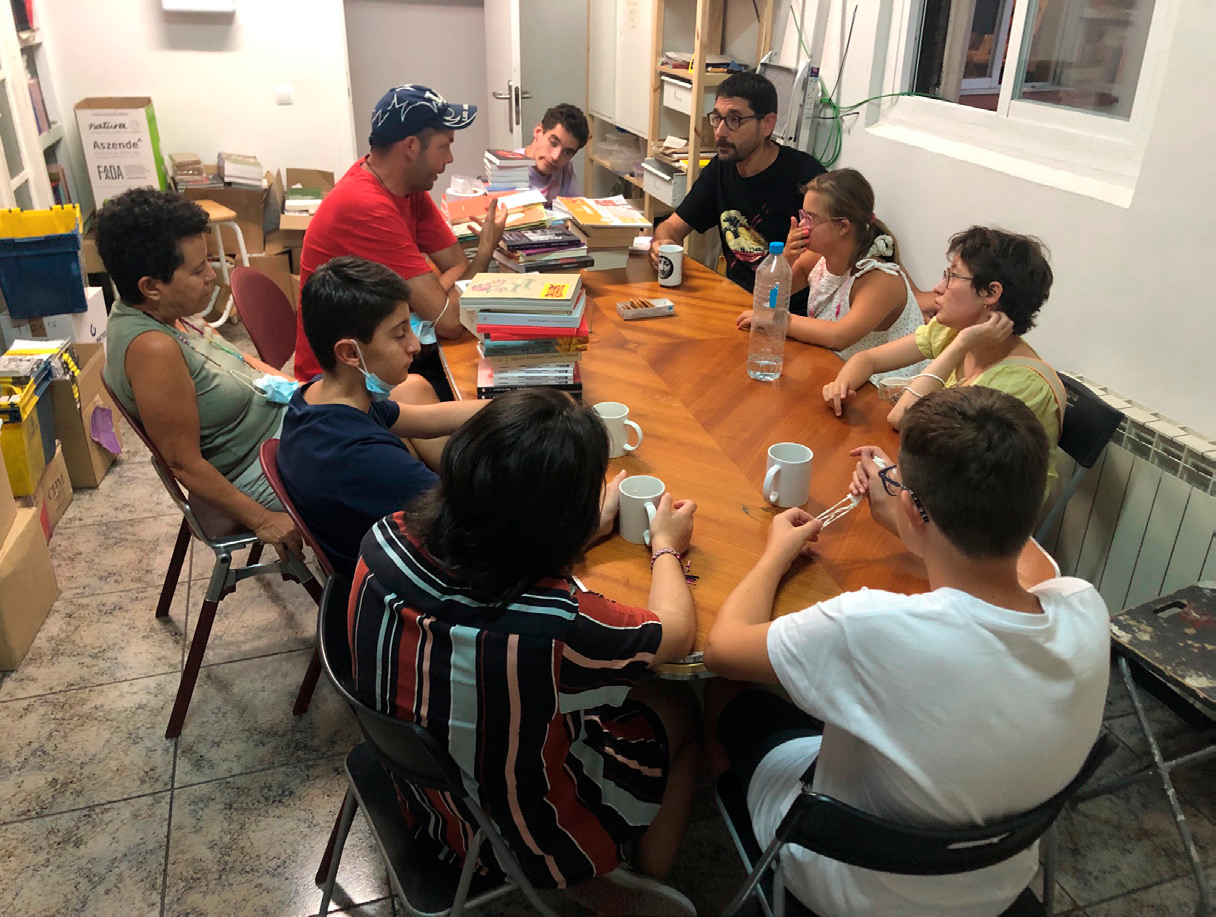
Okay, sometimes this task isn’t so easy. Don’t worry, start with simpler tasks. You can begin by discussing it in your own class, perhaps with the help of a teacher who can lend you a classroom. A brief debate about what you like and dislike about your school can be perfect; a film forum based on a movie related to education can help you start thinking about your own education. In the end, this debate should lead to another new meeting. Decide as a group how, when, and where to hold a new meeting, paying attention to those who have participated less.
The idea in any case is to start building a group of students interested in improving the inclusion and equity of the school. Perhaps you’ve managed to form a group of 10 people; perhaps one of 20; maybe you’re just 4. Any of these cases is perfect.
It’s much more important to start than to wait for everything to go fantastically. Now the task is to maintain continuity in the dialogues. That is, keep talking with deep respect for other participants, without judgment, because this horizontal dialogue is the basis of inclusion. And that is the fundamental task: to dialogue, understand, and build together. Dedicate some time to getting to know each other and talking about common things.
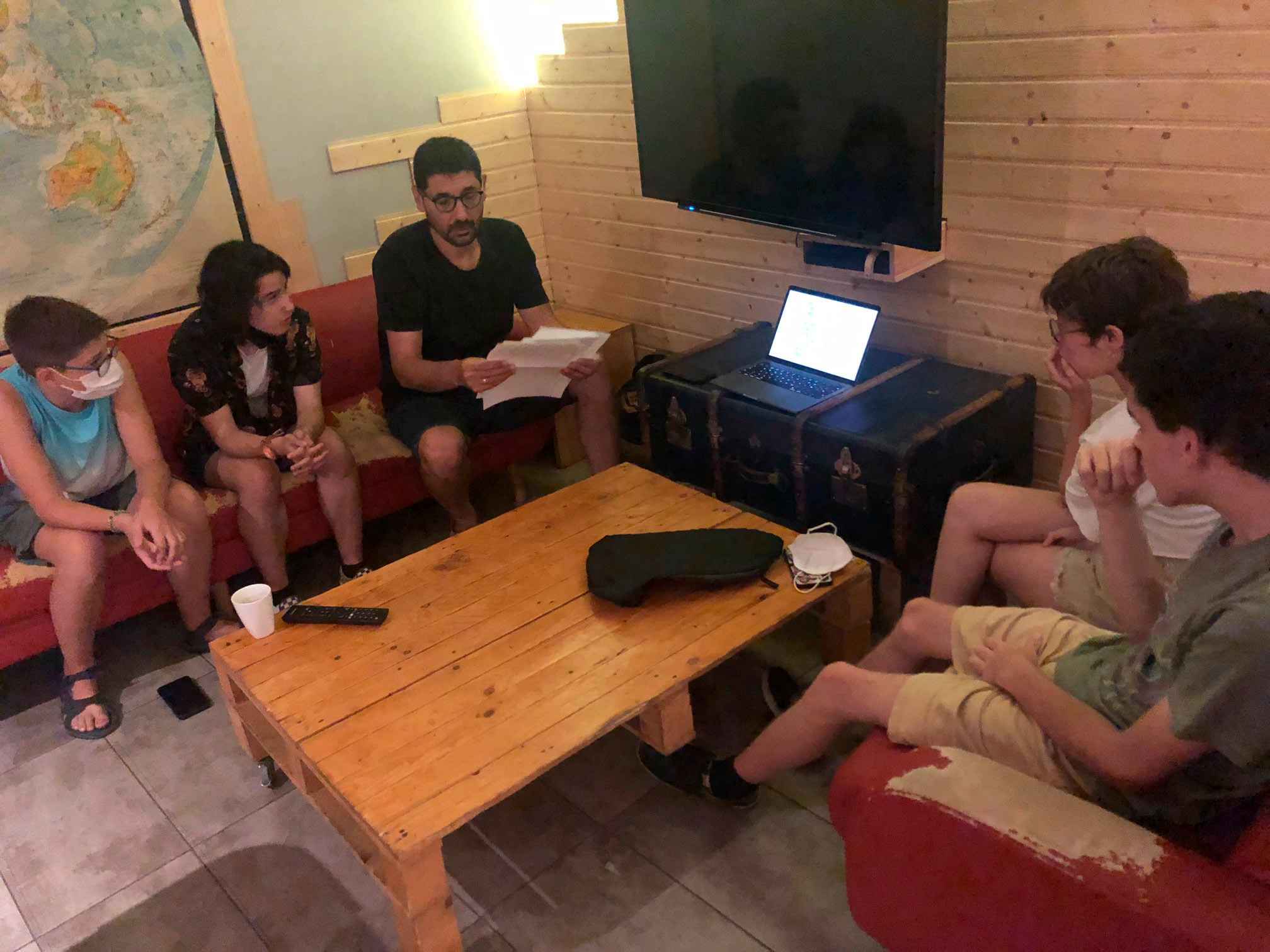
Considering our realities: loneliness
Sometimes, this initial group, with its respectful dialogues, can represent a new beginning to value yourself again when you feel defeated. Even these first dialogues can serve as an impetus to dare to share deeper experiences.
The loneliness experienced by some students (a form of discrimination) is often lived in silence. This can be a great topic to address in the first sessions.
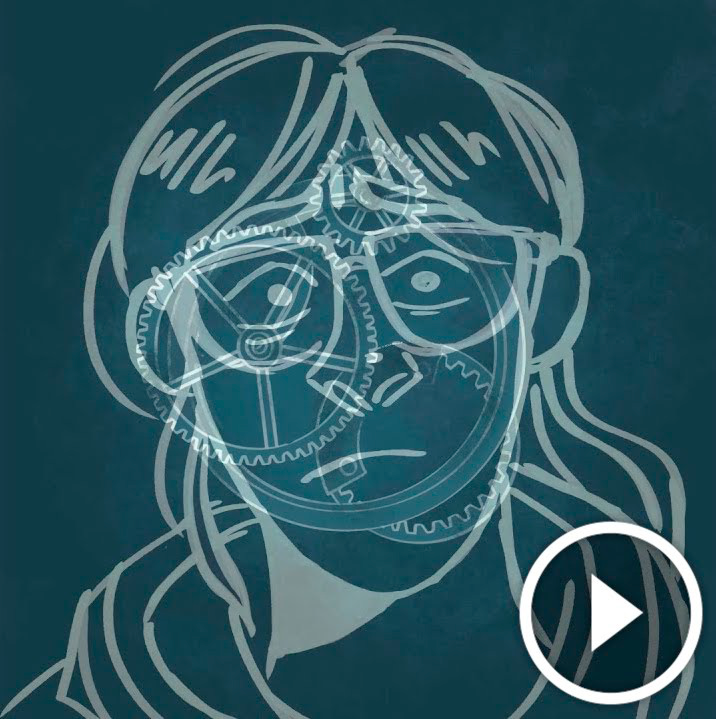
Our group created a video to problematize some of the usual practices that isolate some students. It took us a few weeks to discuss what we wanted to generate in others, what story could achieve it, and finally the construction of the video, which is the most complex task. In this case, we opted for an animation, as someone in the group draws very well. But there are many other possibilities that you should consider, taking into account your own potential.
The use of this or other videos, images, or stories can foster group reflections, for which we ask for collaboration from the teaching staff, and which we can end up discussing in a school assembly.
Some students may be encouraged to share their experiences of loneliness in public, so that we can decide what the rest of us should change. Work can be done in different subjects based on this exercise (learning written expression, processes of marginalization, wars, conflicts, values…), so we could discuss it with the teaching staff. It would be about addressing loneliness, also improving teaching methods, because some classes help us to work as a team, while others isolate us.
Furthermore, having students from different grades get to know each other and work weekly on joint projects is an excellent way to expand our capacity to learn from differences, generate new teaching practices, and learn to collaborate among students with different levels of knowledge. Those in more advanced grades could teach the younger ones… Proposing it to teachers is a way to create new paths to end loneliness inside and outside the classroom.
Step 2. Involve the institution
Once the members of the student steering group have been understood, and after they have all read this guide, a roadmap will have been established for those who will lead this task. The group now becomes the one that will mobilize other people. That is its task: to drive the process so that the rest of the interested students can get involved in the process, participating in many different ways and with varying levels of intensity.
It is time to make the group, the proposal, and the intention known to the school. To do this, a useful idea is to write a brief document with what you have learned during these meetings and the aspirations with which the group is born, and then present yourselves in person to the management team. The text can subsequently be published if you create a website. It is important to present yourselves to the management with a certain formality, with empathy and complicity, trying to gain allies among the teaching staff, who will also be involved in improving the school. And making it clear that this is a project led by the students, you can invite them to collaborate with you.
Every school has teachers who are particularly committed to the student voice, who understand your challenges better, and who tend to be flexible in their work methods to adapt to the students’ circumstances. Talk to them before the meeting with management. Perhaps they would like to accompany you, or you can simply bring their names to the meeting to explain that they have offered to collaborate.
It would also be important for other members of the school community to be able to participate. You can start by informing your families, and the Association of Mothers and Fathers of Students (AMPA). While you inform them, encourage them to collaborate.
Therefore, it is about asking for collaboration, knowing that they can help to solve problems, propose, generate ideas, provide resources, etc. Because we know that the school is built in community, and to become inclusive it needs changes in its culture (so that it is welcoming and collaborative), its policy (how it is governed and organized to overcome barriers), and its practices (the actions developed inside and outside the classroom). That is why there should be a teacher and some families in the steering group: propose them yourselves, knowing that they will be good allies.
It is important that you do not lose leadership: this is a project that students promote! If they want to get more involved, great: they can join yours or develop another that coordinates with yours.
As you advance in this process, and as other sectors share their impressions about the school’s reality, one or more commissions can be generated, meaning groups of people who are in charge of a specific task for the group. For example, a good climate commission can serve to ensure that what you do in the student steering group does not lead to something contrary to inclusion. This can be very useful, because the successful progress of your project will depend on the ability to care for each other. The Guide “How to self-care (ourselves)” can provide very good ideas for this task.
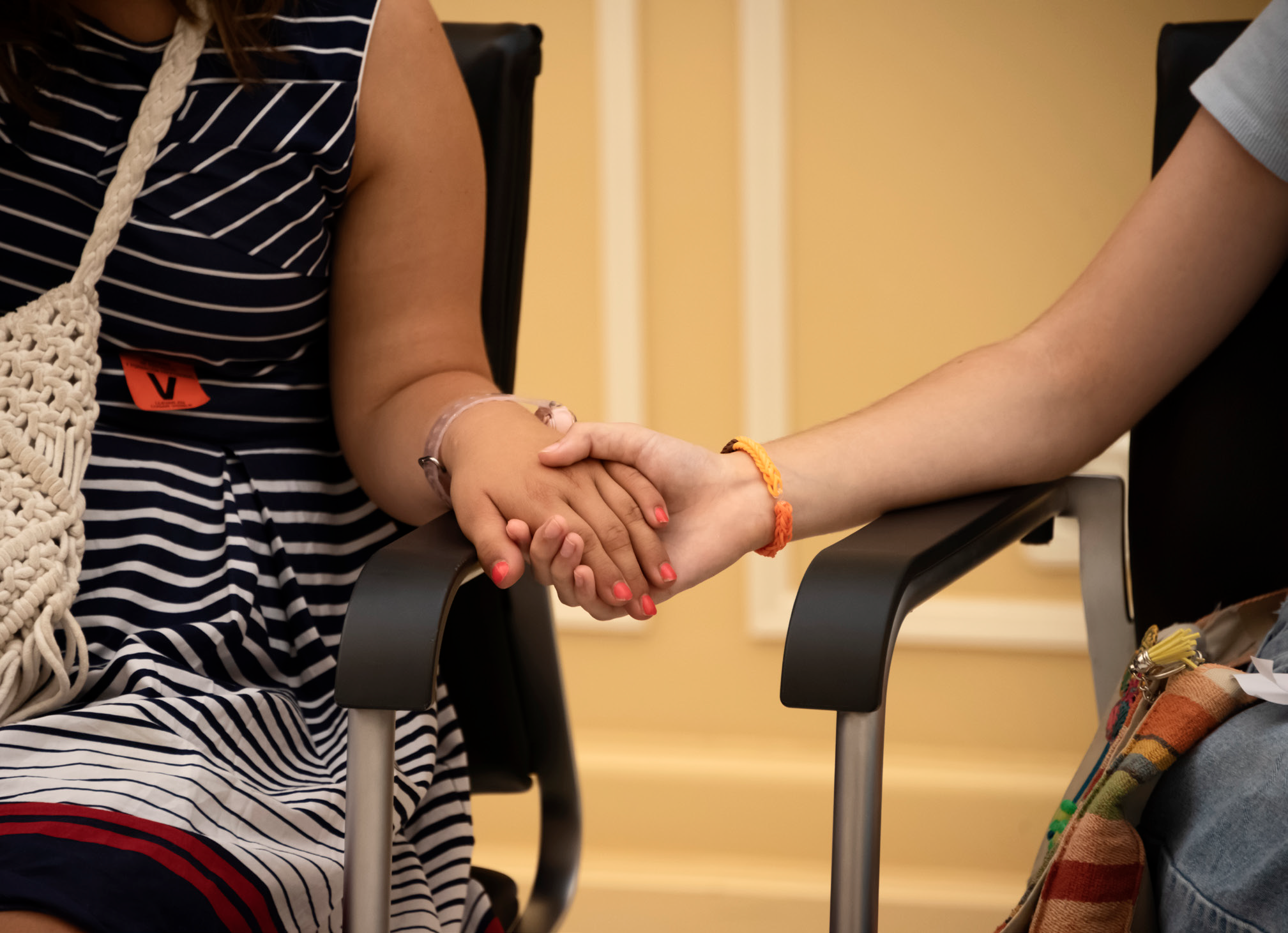
Maintaining the capacity to dissent: discipline
One of the topics we discussed extensively when designing this guide was how some of our schools address the issue of behavior, and it is an example of the different interpretations students have compared to families and teachers.
Punishments involving suspensions and expulsions solve nothing, because they do not change the behavior of those who misbehave, nor that of the rest, who simply believe the responsibility lies solely with that person. Convivencia classrooms also fix nothing, so we need to look for alternatives. Something Fali explained to us very well is that those who misbehave in class often do so because they are not motivated and are bored. Therefore, what we need to change is that, among the entire community.
For example, we can ask the students who are failing in our school: what is happening that you are not passing? How could that be transformed?
Once we know something about this, it is crucial to talk with the teaching staff to reach agreements. We can surely act together to improve the situation. Everyone must be able to learn and pass in an inclusive school.
In this way, as we take our steps, the proposals we put forward serve to improve coexistence without punishment: talking, motivating, respecting our time… Setting the rules through school assemblies and class debates will make them fairer, more useful, and also more respected.
Step 3. Examine the school
This step involves going beyond the level of the student working group that has known each other for a few weeks. Now, the aim is to get the conversations to spread to the entire school community. The objective in this phase is to contribute to the rest of the student body being able to share their experiences at school, but also their possible proposals for improving life at the center.
This involves consulting all the students in the school, and we can dedicate a week of the school year to this. The easiest way, perhaps, would be to use a questionnaire, but what we aim for in this case goes in two directions: we want to extract an analysis of the barriers that hinder student learning and participation, but we want them to be participants in the analysis, to become part of the process, and to dialogue with each other, thereby fostering the inclusive culture we want to achieve. In other words, we want to know, but above all, we want the community to start getting involved. Inclusion is the path to inclusion!
How to do it? There are a thousand possibilities, but let’s outline some clear proposals:
- Student interviews. This would involve designing a plan in which all students in the school conduct interviews with each other. Interviews are conversations that take place individually or in groups (refer to the ‘How to Conduct an Interview’ Guide, which will be published soon). To do this, a script needs to be created to address some fundamental topics for inclusion. Broadly speaking, we are interested in knowing what relationships are like at school, how learning and teaching happen there, what makes you feel good, what makes you feel bad, and what your dream school is like.
- We will propose some questions that can help you create your own script for the website. The most interesting thing is to have natural conversations where we can get to know each other better. Students asking students, teachers, families, neighbors… about what school is like and how we can make it more welcoming and valuable for everyone. From each interview, you should send us a very brief summary with two analyses and two proposals, for example. It is important for teachers to collaborate on this task: offering one of their classes, or even incorporating the activity into their subjects. This is very useful, and teachers know how to appreciate it.https://creemoseducacioninclusiva.comCreate a suggestion box at school to answer specific questions or make improvement proposals. This allows shyer students to participate by sharing their own perspectives, which are so necessary to broaden the school’s capacity to support all students without exception.
- Create a suggestion box at school to answer specific questions or make improvement proposals. This allows shyer students to participate by sharing their own perspectives, which are so necessary to broaden the school’s capacity to support all students without exception.
- There are people who may not speak, or who communicate in less common ways. Don’t stop asking them directly. Everyone wants to communicate, even if we don’t all do it in the same way. Ask them, get help from a friend, and learn to understand what they mean. It’s easier than you might think! Everyone knows what they like and what they don’t, and it’s essential to listen to those who are least heard.
All this information should be kept as a treasure to learn from. You can record videos and/or audio, take photographs, archive writings… Everything is useful for analysis, and also for showing in the future how you reached your conclusions. It’s a way to show participants the value of their voices.
In addition to these proposals, you can find many more, well explained, in the “Practical Guide to Gathering Student Opinions” which you will find in the resources section. In any case, whatever way you do it, don’t forget: if you get students to talk to each other, you will already be achieving the goal! And if you get those who don’t know each other, or who are from different classes and grades, to interact, even better. Think of ways to achieve this! Ask for more group work!
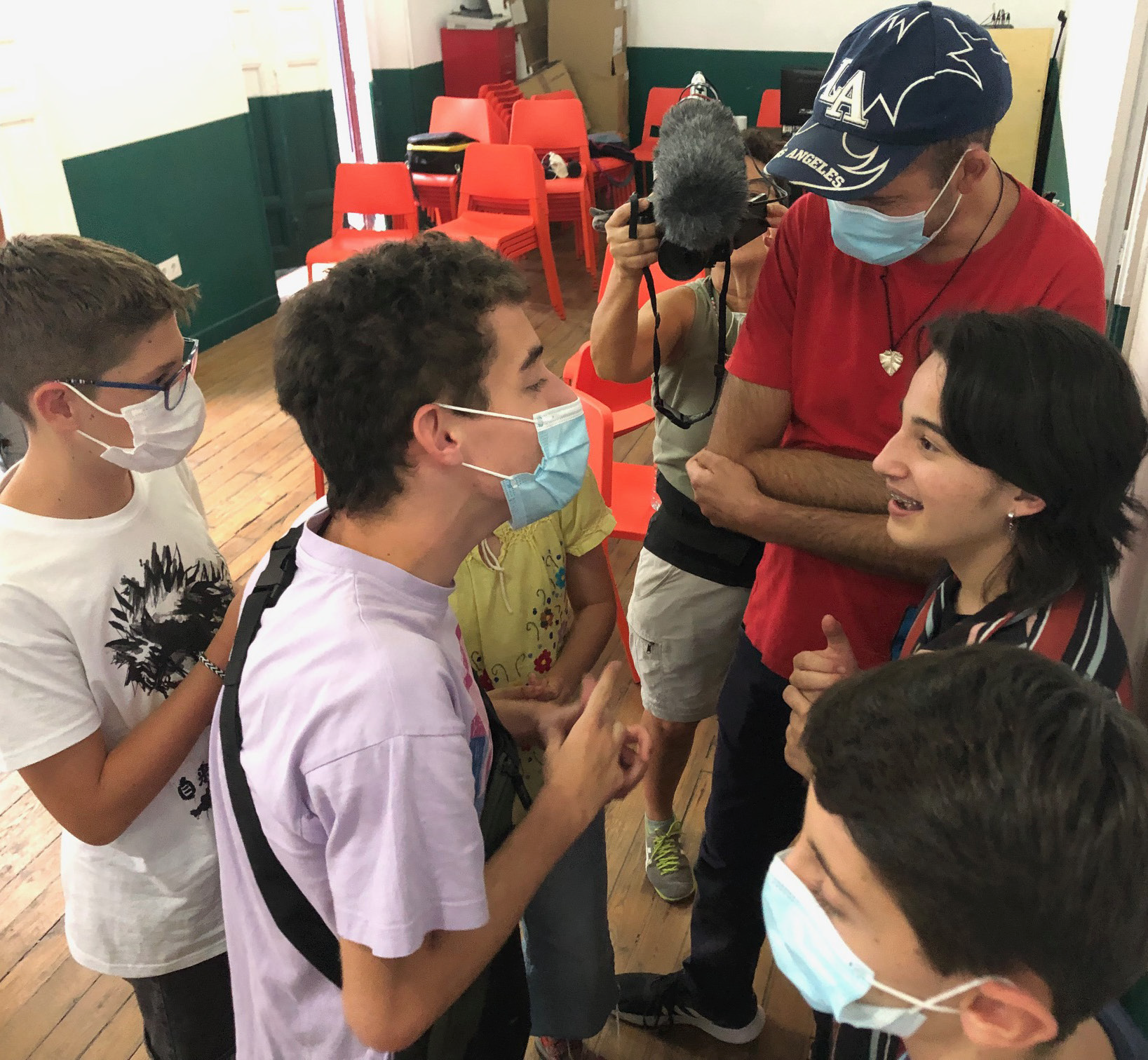
Some recurring themes:
Escaping boredom
On many occasions we have found ourselves talking about how classes could be more fun. Our group thought that having more group tutorials and assemblies allows teachers and students to get to know each other better, and for teachers to better adapt to our interests. In those moments we can inform them of how we would like to learn.
We propose reducing the syllabus, which is often very repetitive. We also prefer it to be more optional and more useful and important for life. We can learn valuable things through games. Students can propose projects, workshops, or different activities and be in charge of organizing and leading them.
Change the evaluation
Another of the most important topics for our group has been evaluation. We have talked a lot about this, and we have to talk to our teachers to try to eliminate or reduce exams, because they stress us out. And we have also thought about grades. We even talked about the possibility of eliminating them.
It is essential to talk to the teaching staff to reach agreements. For example, replacing exams with projects and, if they are not eliminated, that we choose the questions. We prefer to do useful projects rather than answer questions that we forget very quickly.
Step 4. Organize what the community has said
Once we have received the summarized information from the conversations held at the school during the consultation week, it is time to try to understand what they have told us. It may be that during the process, more students have become interested in continuing with this. Great. We can create analysis groups that they can join. For example, one analysis group can be dedicated to analyzing all the responses related to learning. Another, about relationships. Another, about the school’s organization…
There are many possibilities, depending on how many people want to help analyze what the community has said. Families and interested teaching staff can also join these groups. We divide the information among ourselves. Each person reads and analyzes what has been assigned to them at home. Then each group meets, the more diverse the better, with students and adults. But always with one premise: in the debate on how to interpret the collected information, the students will speak first. This way, you will lay the groundwork for the debate.
The goal is to summarize everything into analyses and possible improvement proposals: a problem is detected, how do we solve it?
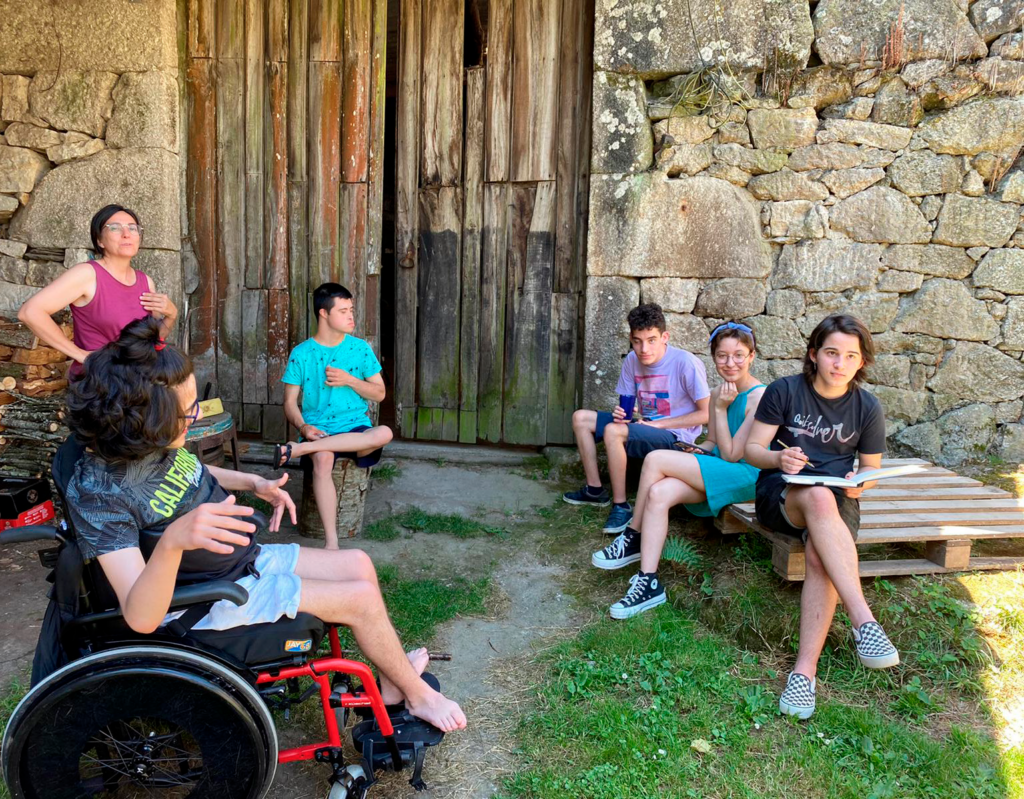
A problem:
the separation of students within classrooms and in special education classrooms
All students must learn together. In our group, there are people who have been isolated in their own classroom because they do different tasks from all their classmates. We have learned that support (for example, support teachers who work only with one boy or girl) cannot make us feel different, nor should the classroom teacher ignore anyone.
Also in our group, there are students who have friends and family members who are not allowed to be in the same classrooms as the rest. This is very unfair, it goes against our right “to inclusive and quality education” (LODE, Art. 6, para. 3e) and international research. One of our friends, Rubén Calleja, was even expelled from his high school and forced to go to a special education center.Last year, the UN ruled that he had been discriminated against by the State.Rubén is owed a great deal.
A proposal:
Learning together
The support teacher and the subject teacher have to work with all of us. We have seen this clearly in our conversations. And we can think together with the teaching staff about how to make special classrooms unnecessary. To do this, we need to get to know each other better by doing activities where we mix every day.
We need to do more group work where we all help each other, have more group tutorials, and give more importance to values education… And learn to recognize the value of each person, knowing that we grow by learning from our differences.
Step 3. Feedback to the community and decision-making
Once you have reached some important conclusions about what the community has said, you need to communicate them appropriately in a one or two-hour event.
By now, the school should be very aware of the important research work you are doing, so you should ask for the management’s collaboration to hold acreative assembly, that is, we intend for the rest of the students and the school community in general to come together again to create proposals and make decisions. In it, the simpler and more concise the information is presented, the better.
A good idea is to select a series of verbatim quotes that a student has offered from an interview or a written submission in the suggestion box, for example. The aim is to clearly define the topic and prepare some collected information to illustrate it. Thus, you can make a simple presentation in which the 3 or 4 main topics you have found appear, along with some words from people about them. 5 or 6 quotes on each topic, highlighting different aspects of it, would be perfect. In addition to presenting these ideas, you can think about doing something more dynamic to encourage participation.
A brief performance, which you may have previously recorded on video, can serve to introduce the topic and generate debate. There are also other possibilities, such as creating a brief school autobiography of a student who can demonstrate the issue well; or make a collage, a photovoice, a podcast, etc. The possibilities are as many as your imagination allows! And if you have created a website, it’s time to start uploading these materials so they can be shared, discussed, and proposed beyond what is done in the school itself.
Once the topics have been presented in the way you deem appropriate, the debate is generated. From this assembly, we must take note of the proposals made, because the initiatives to be carried out will emerge from them. Especially at the beginning, it is preferable to carry out one initiative that you can manage, rather than trying to cover too much.
The goal should be to finish the course with the good feeling of having brought about some changes, even if they are modest.
It is important to measure your strengths! It is also important to know how to differentiate what you can do autonomously, what you could develop with the collaboration of teachers or families, and what is not within your possibilities. Here you have to let your intuition guide you a bit and value everything that involves the school’s boys and girls getting to know each other better, as well as the students, teachers, and families getting to know each other.
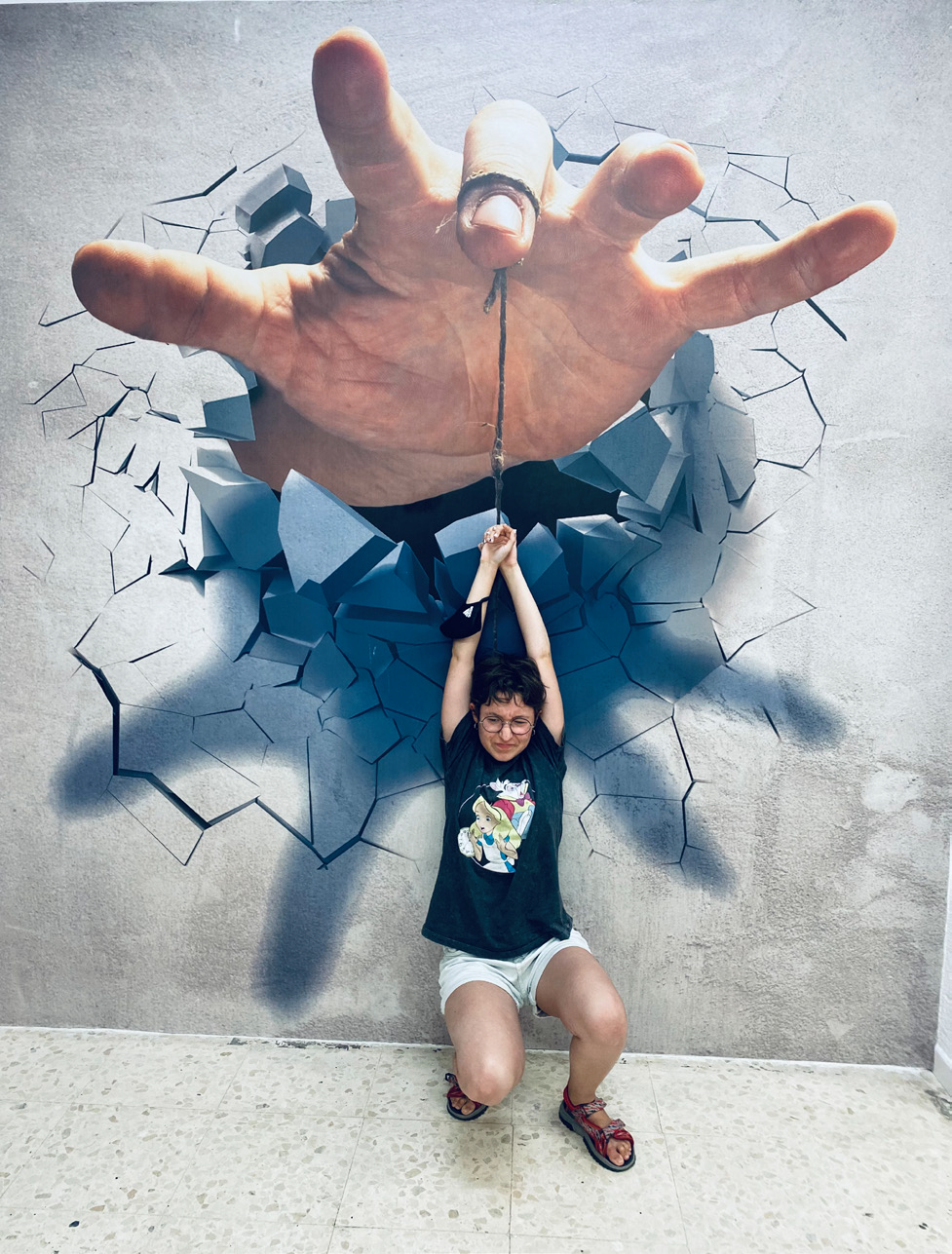
We have lives too!
Another issue that our group has identified and discussed is that schools do not always respect students. We learn some things that don’t make sense, only to regurgitate them on the exam. As Carmen said, “We learn them, but they aren’t for us, they are for the teachers who ask for them.” Valuing the meaning of our learning is a way to respect us more.
We have also realized the generalized overwhelm we feel due to homework and exams. We work more hours than our parents! This prevents us from doing other things we want to do: spending time with our friends, resting, playing, doing what we feel like doing… Furthermore, the overload of tasks punishes those who do them more slowly, thus their rhythms are less respected, and that is unfair.
We need to talk to teachers and families about time. One proposal is to reduce the workload of homework and the number of exams, and to value our effort more. Giving importance to our emotions and how we feel is a clear sign of respect towards students.
Step 6. Develop actions and evaluate them
Once you have decided what you are going to try to change, the time has come to get down to work. It is possible that to get to this point you have had to dedicate more time than expected, and that there is not much of the school year left to carry out the proposal. Do not worry. In reality, without realizing it, you have been making your school more inclusive since the beginning. Now you are going to deploy a proposal that complements everything you have done.
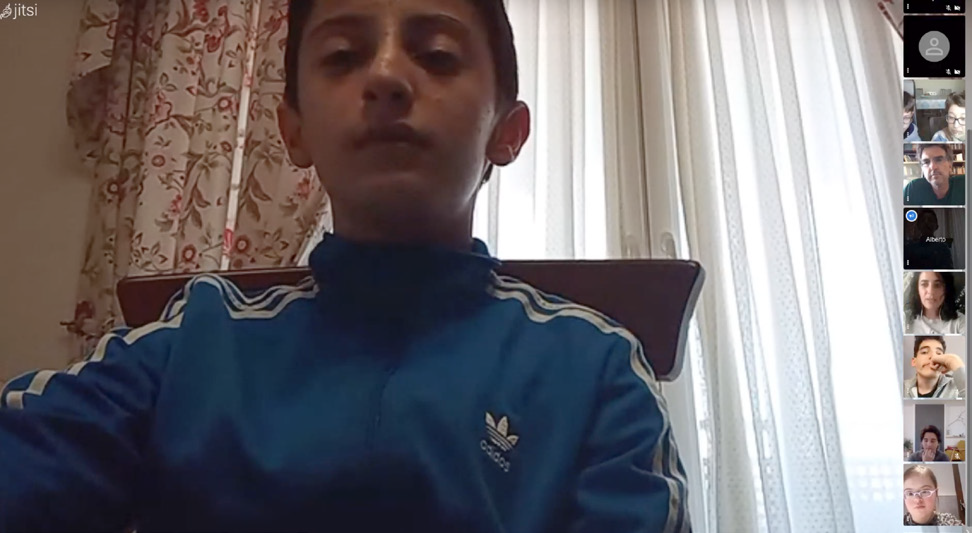
I have the right to be sick and be a student
Our group has also discussed this issue on several occasions: studying in our schools seems incompatible with being sick. Because if it’s a cold, it’s not a big problem, but when the illness is prolonged, or you have to go to the doctor many times, you encounter a significant problem.
That’s why we think that when a student is at home or hospitalized for a while, we can use video conferencing so they can participate in class. Also, organize continuous visits from classmates to inform, explain, and share what’s happening in class. And again, eliminate or reduce homework, because it always punishes people who are at a disadvantage, and that is very unfair.
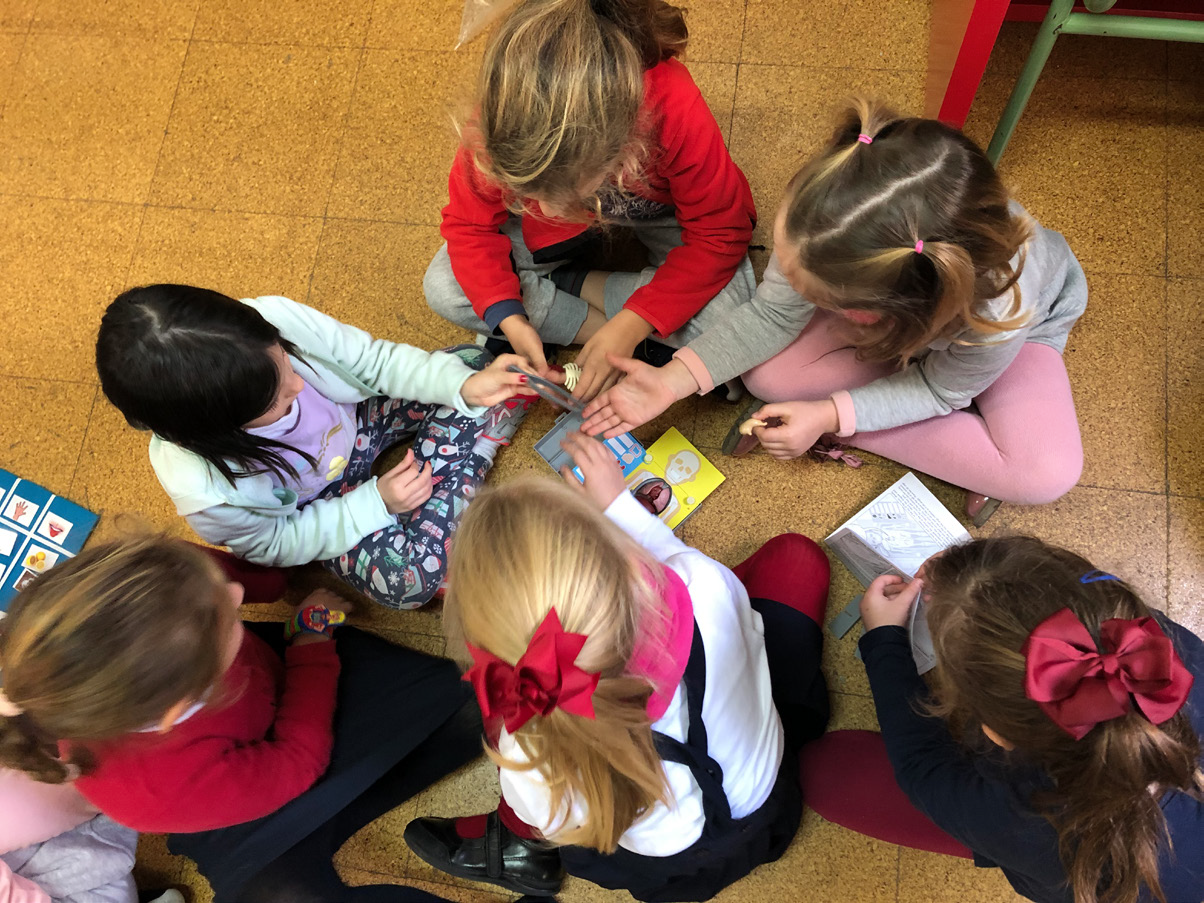
The proposal can range from one of those we have narrated in the shaded boxes to any other fantastic invention that you have decided on together with the rest of the participants in the creative assembly. Don’t worry if not as many people attended as you would have liked; many changes are developed thanks to a good core group, which doesn’t have to be very large.
Those of you who are participating are the ones who were meant to be there. Cheer up! Calculate the time you have ahead of you to carry out what you have designed (a radio or afanzineschool?, a periodic activity between different grades?, a transformation of the playground so that no one feels excluded?, a transformation of classes to be able to be with those who were in special classrooms?, a mutual support group?, … ) and let’s get to work.
At the end of the time you have decided to dedicate to the development of the activity (a month before the end of the school year would be good), it is time to evaluate the action. Informally, you can gather people’s feelings, both in conversations and with a new mailbox at school or a photo booth, an invention developed at CEIP La Parra in Almáchar (Málaga): a large wooden or cardboard box with a curtain behind it and a video camera inside where students who wished could record themselves commenting on their experience. Collecting all this information is fundamental to evaluating the results and correcting possible errors, as well as reorienting our next actions.
Once again, it is essential to take special care in knowing how those who have been most displaced have experienced it, both in the learning process and in their relationships with others. Also ask teachers and families. We want to know what the impact of what you have done throughout the course with all your enthusiasm has been. And don’t be afraid of possible criticism: that is part of what is desirable. Making mistakes is part of change, and detecting errors is the smartest way to get closer to the school we want.
Some keys that can be used to evaluate the experience are:
- If it has produced changes in people (do they think and act differently?), in school relationships (between students, with teachers…) and its organization (schedules, classes, use of spaces, measures for coexistence, modification of tasks…). If it touches these three levels, all the better.
- If something has changed in the classes, in student grades, in the feeling of well-being, in the school climate, during recess… The more it covers, the better; but let’s not get obsessed. It’s difficult at first, and you have to be patient. Little by little, we are learning to make better decisions.
- If it affects within one or more classes, if it has increased and improved relationships between classes, courses, and levels, and if it has transformed something of what happens outside of school. The latter can be a change in arrivals and departures, in extracurricular activities and dining services, in neighborhood relations, the involvement of local associations, the participation of your families…
Inclusive education is a process that never ends. It is a process, and you are in it. And on this path, we grow as people, feeling better because we are taking care of ourselves and learning to truly value ourselves.
End discrimination in school
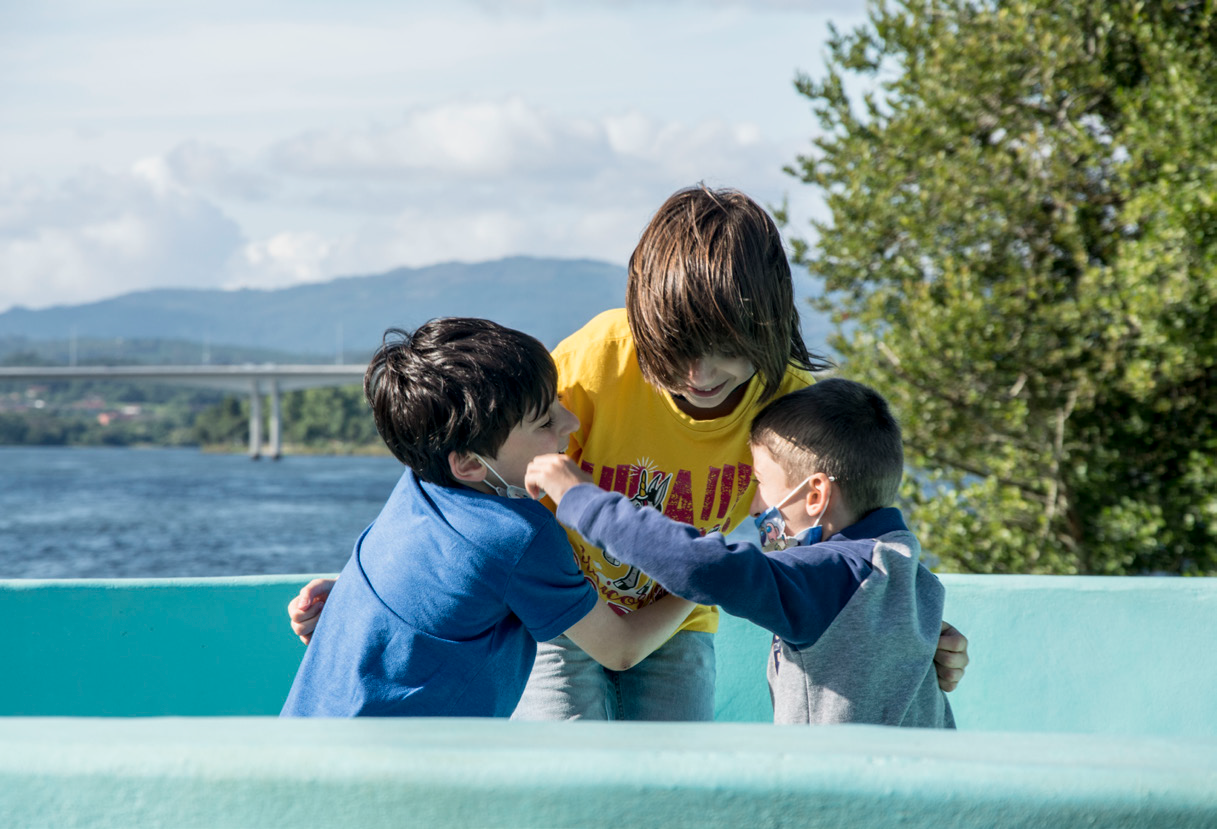
In school, people are classified a lot, both by teachers and students. There are prejudices for many different reasons, and they always weigh more on some people. To change this, we can invite people who help us eliminate prejudices, and from a talk, have class debates and presentations in the school assembly about some personal stories of students.
The task of writing these stories and telling them is incredibly enriching; and for those who listen, it can be a great opportunity to question their prejudices. Teachers cannot allow discrimination, and we can help them be very attentive. No one should feel rejected in the playground. We can create groups of common interests for the playground, and many group activities for classes.
It is also important to be mindful of how we speak. Eliminate words and forms of expression that could be offensive to someone. Discuss this matter so that everyone can understand why the word being used can cause harm.
Step 7. Celebrate with the community, reporting achievements and planning new challenges
We have already done all the work. The course is about to end, and we deserve to celebrate it. Your work has been the seed of learning for the entire community, and you have all been able to learn a lot from what the rest have been able to show you.
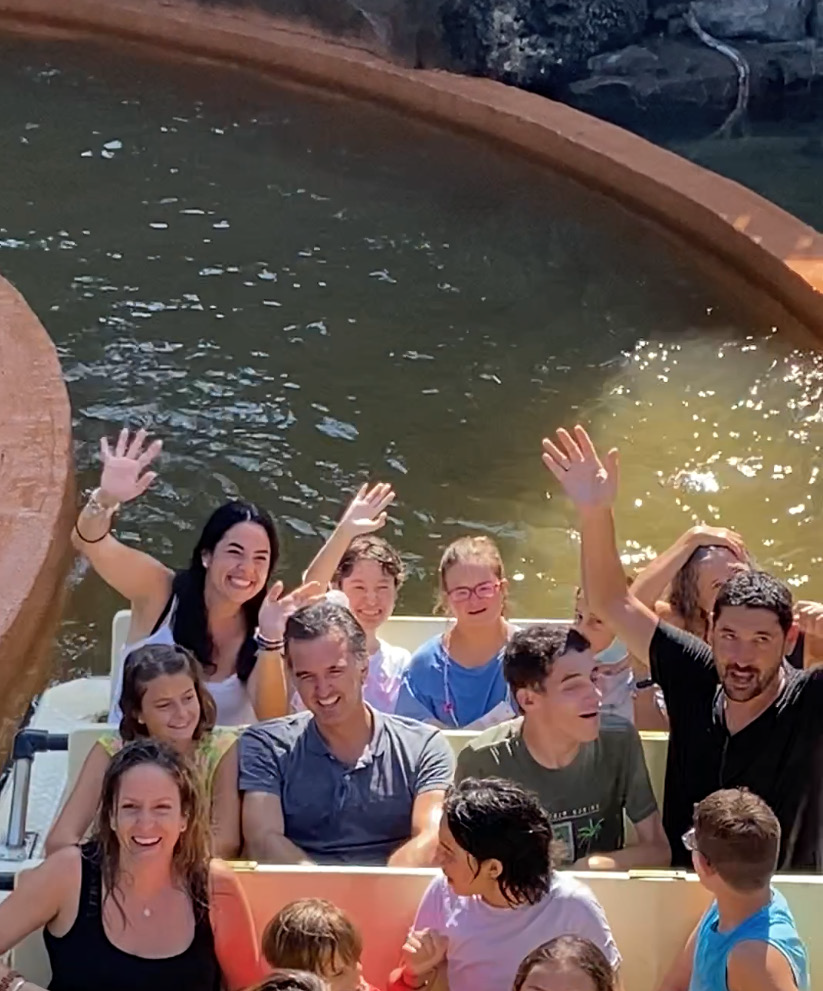
You can think about having a grand festival, or a unique party. Or you can opt for a simple party where you share the results of what you have done, conveying some of the people’s expressions about the actions taken. That is simply what was needed to close the circle before the end of the course.
Perhaps you can take advantage of your school’s end-of-year party to take center stage, engage in self-criticism, and congratulate everyone who has participated in the process. You can imagine aloud where you will pick up your adventure again next year and share it with the entire community. You can make it clear what you have learned in the first person, and invite others to do the same. And all this continuous sharing, in which you have always taken into account those who are not heard, is the path to making your school inclusive.
And don’t keep it to yourselves. We want to know everything. Publish it on social media, as we have a lot to learn from your experience.
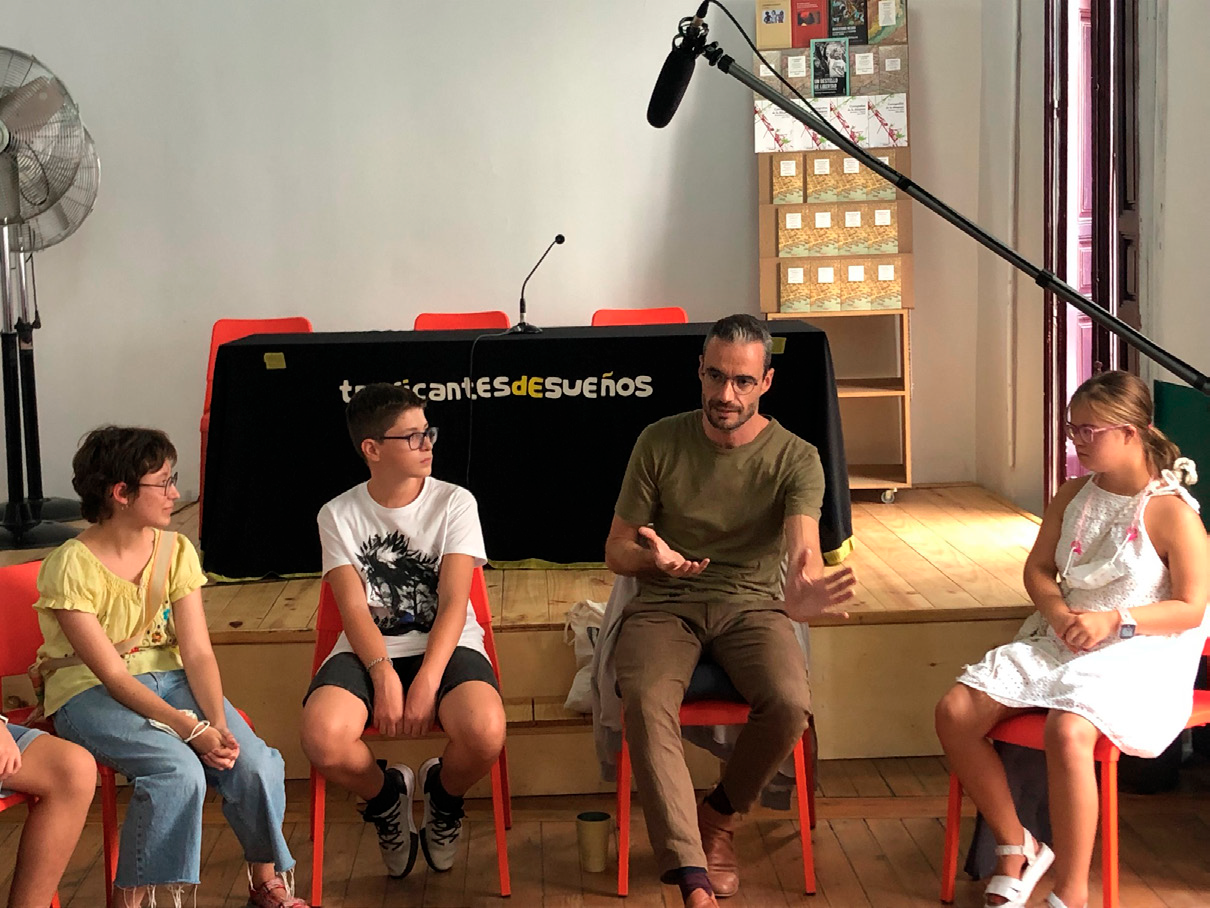
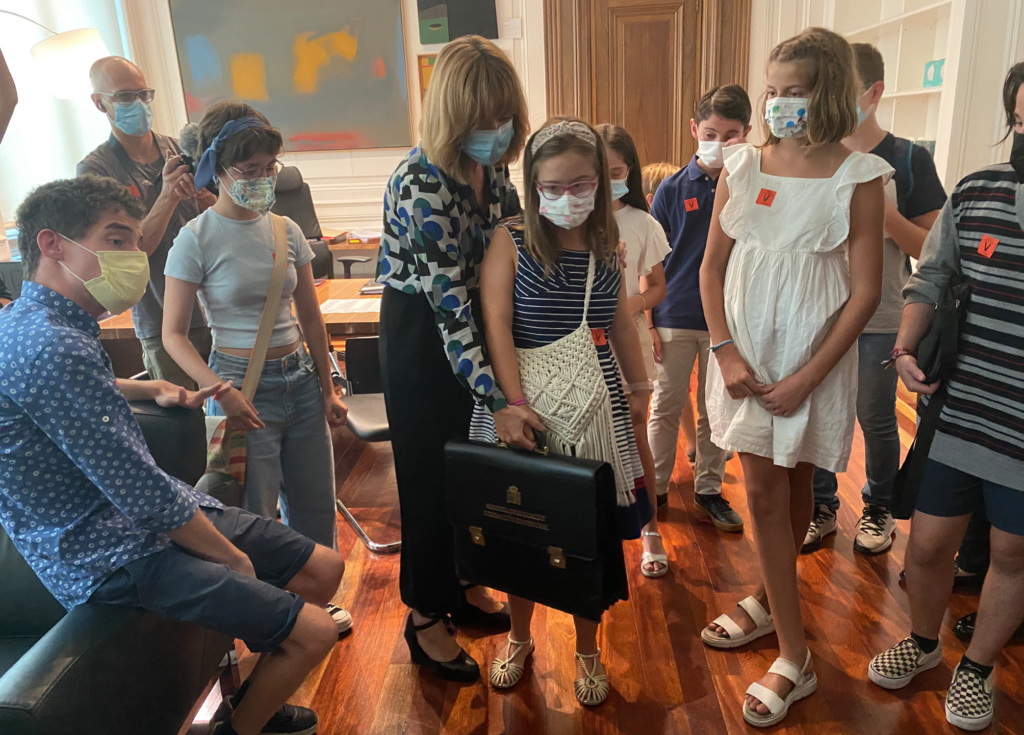
Our group finished the work that is presented in this guide with a celebration: that of having learned to know each other, to support each other, and to believe that we are capable of much more than we had imagined. We held a meeting with the Minister of Education, in which we shared some of our experiences and the proposals that you can now read. We felt we had things to say, just as you do.
The minister symbolically handed over her portfolio to us, and offered her support to bring this guide to more students. Let’s take the floor, because inclusion must be built, and no one better than the students will know how to value it.
Summary
- Create a diverse group;
- Make the institution participate;
- Examine the school;
- Organize what the community has said;
- Feedback to the community and decision-making;
- Develop actions and evaluate them;
- Celebrate with the community, reporting on achievements and projecting new challenges.
Tips
- Trust in students’ knowledge. We often think that adults are the ones who know how to organize schools, but the truth is that students are in a privileged position to understand what is happening and facilitate change processes. What is needed is empowerment, to know that they are important, and to count on others seeing it too.
- One of the main changes you will achieve to make your school more inclusive is your own autonomy, that is, your ability to critically analyze reality and make decisions to transform it. It is a big step to learn that you also construct reality. And the best part is that you will do it collectively, so it is not about seeking independence, but about recognizing that we are interdependent and need each other. That is why participation is crucial.
- It is very important that students lead their own research: that is, that you select what to research, and with the collaboration of the adults you deem appropriate, make your own interpretations and share the results you find. This is also very inclusive, because the student voice is the one the institution hears the least.
- The process followed is simple: form a diverse group that will drive the process, involve the community in evaluating inclusion, analyze the information and organize it to return it in an orderly fashion, collectively decide on the change you want to implement, carry it out, evaluate it, and celebrate the process. The key lies in the journey of doing this, and the more new interactions you achieve, the more valuable the work done will be. Document and publish what you do. This will make it easier for students from other places to contact you, and for you to learn together.
- If you have not followed the guide step by step, or if you have made deviations and changes, stopped or gotten stuck at some point in the process, decided to skip a step… Well, that’s fine. The guide cannot be a straitjacket that hinders your progress, but rather another tool to help build that dream school. The main one, as you already know, will always be dialogue.
Resources
Websites
Inclusive Education. To want it is to create it. https://creemoseducacioninclusiva.com/
A website where you can find audiovisual resources, a selection of scientific literature on inclusive education, legal texts that support it, and proposals for action (like this guide itself!)
Film and Education
https://educomunicacion.es/cineyeducacion/index.htm.
A website where you can find a good selection of films that can be used to debate your own education. Each film comes with a fact sheet, with data, a summary, interesting facts, and even questions for collective reflection.
Reports and Guides
Analysis and proposals for a new education law. Citizen discussions on inclusive schools https://bit.ly/3ige0EI. Proposals made during the COVID-19 lockdown based on discussions in which students played a leading role. It can surely help to better think about your schools.
Our opinion matters. The perspective of children and adolescents on discrimination and barriers to Inclusive Education https://uni.cf/3CYDLBB. This UNICEF report details a participatory research process, which collects and analyzes qualitative information from the perspective of children and adolescents with and without disabilities and their families in Latin America.
Practical guide to collecting student opinions https://bit.ly/3uiVi4d. This document offers different dynamics for gathering students’ voices. Although it is designed for teachers to engage with students’ opinions about their learning, you can also use it on your own. But you already know: asking for help when needed is something great and very inclusive.
Preparing students to be researchers https://bit.ly/3zKiSb3. This manual aims to empower teachers to prepare and support students to become researchers involved in the Inclusive Research process. A useful tool to engage your teachers!
Notes
- “Emerging Narratives on Inclusive Schools from the Social Model of Disability. Resistance, Resilience, and Social Change,” funded by the Ministry of Science, Innovation and Universities (RTI2018-099218-A-I00).
- UNESCO (2017).Guide to ensure inclusion and equity in education. Paris, UNESCO.https://bit.ly/3tudPJZ.